
Do Mercedes A-Class Hold Their Value? A Real-World Look at Depreciation

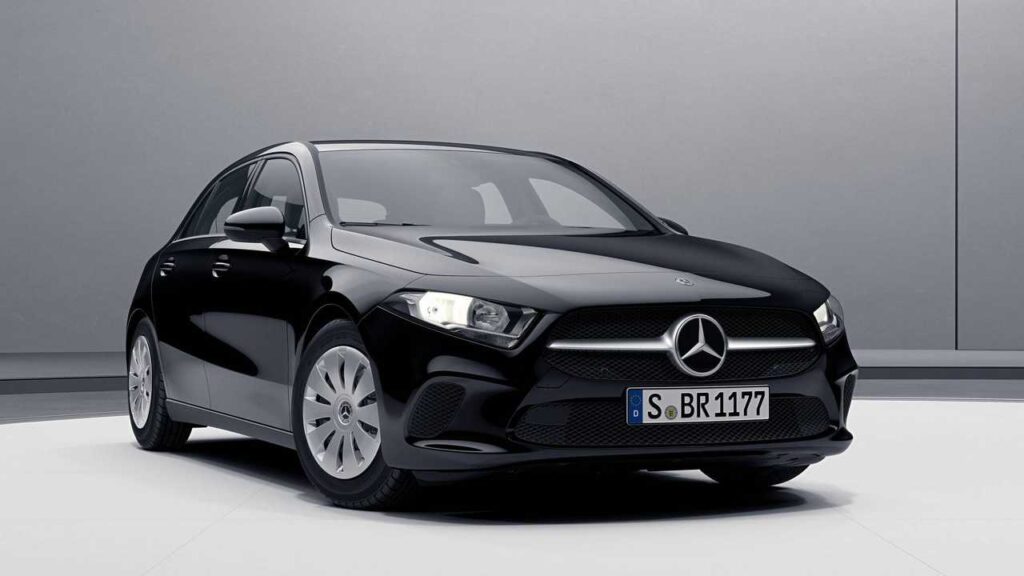
If you’ve ever browsed the used car market with a coffee in hand and a raised eyebrow, you’ve probably asked this exact question: do Mercedes A-Class hold their value, or do they sink like a stone once the showroom shine fades?
We get it. The Mercedes-Benz A-Class sits in a strange space. It’s a premium badge wrapped around a compact hatchback, pitched as an entry ticket into the Mercedes world. That alone makes depreciation a hot topic.
So, let’s talk honestly. No fluff. No brochure talk. Just how the A-Class behaves in the real world when it comes to resale value, depreciation curves, and long-term ownership sense.
Content in this publication
- Why Resale Value Matters More Than Most Buyers Admit
- Understanding the Mercedes A-Class Position in the Market
- Average Depreciation: What Really Happens Over Time
- How the A-Class Compares to Rivals
- Why Mercedes A-Class Depreciates the Way It Does
- Trim Levels: The Difference Between Smart and Painful
- Petrol, Diesel, Hybrid: Which Holds Value Best?
- Automatic vs Manual: A Clear Winner
- Mileage: The Silent Value Killer
- Colour Choices That Help (or Hurt) Value
- Interior Specs Buyers Actually Care About
- Service History: The Non-Negotiable Factor
- Reliability Perception and Its Impact on Value
- How Age Changes the A-Class Value Equation
- Is Leasing the A-Class Smarter Than Buying?
- Used Market Demand: Who Buys A-Class Cars?
- Does AMG Branding Help Hold Value?
- Economic Conditions and Resale Trends
- Real-World Ownership: When the A-Class Makes Sense
- Closing Thoughts: Buy Smart, Lose Less
- Frequently Asked Questions
Why Resale Value Matters More Than Most Buyers Admit
Depreciation is the silent cost of car ownership. It doesn’t arrive as a bill, but it quietly drains value every year.
You might negotiate a great deal upfront, but:
- Depreciation often costs more than fuel, servicing, and insurance combined
- It hits hardest in the first 3 years
- Premium badges don’t always mean premium resale
In simple terms, resale value decides whether your car feels like a smart investment—or an expensive fling.
Understanding the Mercedes A-Class Position in the Market
Before we judge how well the A-Class holds value, we need context.
An Entry-Level Mercedes by Design
The A-Class exists to:
- Attract younger buyers
- Compete with premium hatchbacks
- Offer Mercedes prestige at a lower price point
And here’s the catch: entry-level luxury cars almost always depreciate faster than flagship models.
Average Depreciation: What Really Happens Over Time
Let’s talk numbers without drowning in spreadsheets.
Typical Mercedes A-Class Depreciation Curve
On average, a Mercedes A-Class:
- Loses 40–50% of its value in 3 years
- Loses 60–65% by year 5
- Stabilizes after 6–7 years
That’s not disastrous—but it’s not class-leading either.
How the A-Class Compares to Rivals
Depreciation only makes sense when compared.
- BMW 1 Series – similar early depreciation, slightly stronger later
- Audi A3 – generally holds value better
- Volkswagen Golf – often outperforms premium rivals
The uncomfortable truth? Badge alone doesn’t guarantee strong resale.
Why Mercedes A-Class Depreciates the Way It Does
This isn’t random. There are clear reasons.
High Fleet and Lease Volume
A-Class models are heavily:
- Leased
- Used as company cars
- Returned to market in bulk after 3 years
More supply = lower used prices.
You may be interested in reading How Reliable Are Mercedes A-Class? An Honest, Real-World Deep Dive
Trim Levels: The Difference Between Smart and Painful
Not all A-Class models depreciate equally.
Best-Holding Trims
- AMG Line (especially Premium or Premium Plus)
- Larger alloy wheels
- Digital cockpit options
Worst for Resale
- Base SE trims
- Manual gearboxes
- Sparse option lists
Buyers want the look of luxury—even in the used market.
Petrol, Diesel, Hybrid: Which Holds Value Best?
Powertrain choice matters more than many expect.
Petrol Models
- Best all-round resale
- Lower long-term stigma
- Popular with private buyers
Diesel Models
- Strong residuals pre-2020
- Weaker demand post-emissions backlash
- Still viable for motorway users
Plug-In Hybrid
- Promising but uncertain long-term values
- Battery concerns affect used pricing
Automatic vs Manual: A Clear Winner
This one isn’t even close.
Automatic A-Class Models
- Far easier to sell
- Higher resale values
- Broader buyer appeal
Manual A-Class cars often sit on dealer forecourts longer—and that hurts prices.
Mileage: The Silent Value Killer
Mileage affects the A-Class more than larger Mercedes models.
Why Mileage Matters More Here
- Entry-level buyers are price-sensitive
- High mileage undermines the “premium” feel
- Leasing return cars often cluster at similar mileages
Keeping mileage under control is resale gold.
Colour Choices That Help (or Hurt) Value
Yes, colour matters. More than we like to admit.
Strong Resale Colours
- Black
- Grey
- White
- Silver
Risky Choices
- Bright blues
- Reds
- Unusual matte finishes
Neutral colours sell faster and for more money. Boring pays.
Interior Specs Buyers Actually Care About
Used buyers don’t want “entry-level luxury.”
High-Impact Features
- Dual widescreen displays
- Ambient lighting
- Reversing camera
- Heated seats
These features protect resale value better than engine upgrades.
Service History: The Non-Negotiable Factor
A Mercedes without a full service history is resale poison.
Why It Matters So Much
- Buyers fear repair costs
- Dealers discount heavily without history
- Digital service records help—but consistency matters
Skipping services to save money often costs more later.
Reliability Perception and Its Impact on Value
Perception matters as much as reality.
Common Buyer Concerns
- Electronics reliability
- Dual-clutch gearbox behaviour
- Software glitches
Even minor issues can spook used buyers and depress prices.
How Age Changes the A-Class Value Equation
Here’s where things get interesting.
After 6–7 Years
- Depreciation slows dramatically
- Value stabilizes
- Ownership becomes more cost-effective
This is the sweet spot for second-hand buyers—not first owners.
You may be interested in readingHow Reliable Are Mercedes A-Class? An Honest, Real-World Deep DiveYou may be interested in reading
 Which Mercedes-Benz A-Class Is the Best? A Real-World Buyer’s Deep Dive
Is Leasing the A-Class Smarter Than Buying?
For many, yes.
Why Leasing Often Wins
- Depreciation risk sits with the finance company
- Fixed costs
- Easy exit after 3–4 years
Buying new makes sense emotionally—but leasing makes sense financially.
Used Market Demand: Who Buys A-Class Cars?
Understanding the buyer helps explain pricing.
Typical Used Buyers
- Young professionals
- First-time premium buyers
- Badge-conscious but budget-aware
They want image at a discount, which caps resale potential.
Does AMG Branding Help Hold Value?
Up to a point.
AMG Line vs True AMG
- AMG Line trims help resale
- True AMG models depreciate heavily early
- Long-term appeal is niche
Performance doesn’t always equal better value retention.
Economic Conditions and Resale Trends
Market conditions matter more than brand loyalty.
Factors That Influence Values
- Fuel prices
- Emissions regulations
- EV incentives
- Interest rates
The A-Class reacts quickly to market shifts due to its buyer demographic.
Real-World Ownership: When the A-Class Makes Sense
So, do Mercedes A-Class hold their value?
The Honest Answer
- Average by premium standards
- Better than some rivals, worse than others
- Stronger if well-specced and sensibly chosen
It’s not a resale champion—but it’s not a disaster either.
Closing Thoughts: Buy Smart, Lose Less
If we’re being brutally honest, the Mercedes A-Class is about lifestyle, not investment. It offers style, comfort, and brand appeal—but it asks you to accept depreciation as part of the deal.
Buy the right trim. Choose the right engine. Keep the mileage sensible. Do that, and the A-Class won’t punish you financially—it just won’t reward you either.
And maybe that’s okay. Not every car has to be a savings account.
Frequently Asked Questions
1. Do Mercedes A-Class hold their value better than BMW 1 Series?
Generally similar, but Audi A3 often performs better long-term.
2. Which A-Class model depreciates the least?
AMG Line petrol automatics with strong options.
3. Is buying a used A-Class a smart move?
Yes—after 3–5 years, depreciation slows significantly.
4. Do diesel A-Class models still hold value?
Less than before, but still viable for high-mileage drivers.
You may be interested in readingHow Reliable Are Mercedes A-Class? An Honest, Real-World Deep DiveYou may be interested in reading
Which Mercedes-Benz A-Class Is the Best? A Real-World Buyer’s Deep DiveYou may be interested in reading
 Audi A3 Insurance: What It Really Costs and Why
5. Is leasing better than buying new?
For most buyers, leasing minimizes depreciation risk.
If you want to know other articles similar to Do Mercedes A-Class Hold Their Value? A Real-World Look at Depreciation you can visit the category Blog.
Is Vauxhall Agila a Good Car? Reliability, Problems and Buying Guide

Honda Passport Life Expectancy: How Many Miles Can It Last?
Honda Passport Depreciation: How Well Does It Hold Its Value?
Nissan Rogue Reliability Rating: How Reliable Is the Rogue?
Nissan Rogue Life Expectancy: How Long Does It Last?
Vauxhall Agila Reliability: Common Problems, Best Engines and What to Check
Leave a Reply
More content of your interest