
How Reliable Are Mercedes A-Class? An Honest, Real-World Deep Dive

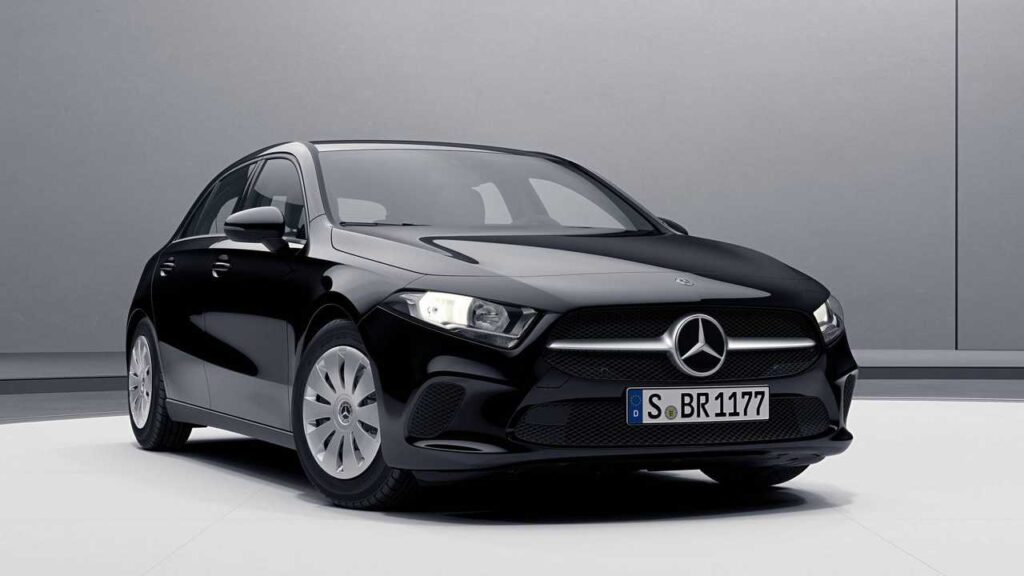
If you’ve ever hovered over the buy button on a Mercedes A-Class listing and thought, “Looks premium… but will it last?” — you’re not alone. We’ve all heard the mixed whispers: German engineering brilliance on one side, expensive repairs on the other. So today, we’re cutting through the noise and answering the big question properly: how reliable are Mercedes A-Class models in the real world?
No brochure fluff. No rose-tinted marketing. Just a grounded, human take based on ownership patterns, common faults, engine generations, and what actually happens after the honeymoon period fades.
Let’s roll.
Content in this publication
- Why Reliability Matters More Than Ever
- A Quick Look at the Mercedes A-Class Generations
- Overall Reliability Score: The Short Answer
- Engine Reliability: Petrol vs Diesel
- Gearbox Reliability: Manual vs Automatic
- Electrical & Infotainment Reliability
- Build Quality & Interior Durability
- Suspension, Steering & Chassis Reliability
- Running Costs vs Reliability
- High-Mileage Mercedes A-Class: Should You Be Afraid?
- Most Reliable Mercedes A-Class Years
- Common Mercedes A-Class Problems (Real-World)
- Is the A-Class Reliable Compared to Rivals?
- How Maintenance Changes Everything
- Is the Mercedes A-Class Reliable for Daily Use?
- Reliability vs Ownership Experience
- Final Verdict: How Reliable Are Mercedes A-Class?
- FAQs: Mercedes A-Class Reliability
Why Reliability Matters More Than Ever
Modern cars aren’t just engines and wheels anymore — they’re rolling computers with luxury badges. And the A-Class, being Mercedes’ entry point, sits right at the crossroads of affordability and complexity.
Reliability today means more than “does it start?” It means:
- Electronics that don’t throw tantrums
- Gearboxes that behave in traffic
- Engines that age gracefully
- Ownership costs that don’t spiral out of control
The A-Class has worn many faces over the years — and not all of them age the same.
A Quick Look at the Mercedes A-Class Generations
Before judging reliability, we need context. The A-Class has evolved a lot.
First & Second Generation (1997–2012)
These were quirky, upright hatchbacks — very un-Mercedes-like in shape.
- Simple engines
- Minimal electronics
- Surprisingly robust mechanically
Ironically, these older A-Class cars are often remembered as more reliable, mainly because there was less to go wrong.
Third Generation (2012–2018)
This is where things changed. Mercedes went sporty, low, and tech-heavy.
- Turbocharged engines
- Dual-clutch automatic gearboxes
- Advanced infotainment systems
Great to drive. But reliability? More… complicated.
Fourth Generation (2018–Present)
This is the most modern and refined A-Class yet.
- Digital dashboards everywhere
- Mild-hybrid tech
- Cleaner engines for emissions compliance
Better built overall — but still not bulletproof.
Overall Reliability Score: The Short Answer
If we had to sum it up honestly:
The Mercedes A-Class is moderately reliable — not fragile, but not worry-free either.
It rewards careful ownership and punishes neglect. Think of it like a high-maintenance relationship: great when nurtured, expensive when ignored.
Engine Reliability: Petrol vs Diesel
Engines are the heart of reliability, so let’s break them down.
Petrol Engines
Mercedes petrol units are smooth and refined, but modern turbocharging adds stress.
Common traits:
- Good performance for size
- Sensitive to oil quality
- Timing chain issues on some early models
Smaller petrol engines (like the A180) are generally more reliable than high-output variants pushed harder.
Diesel Engines
Here’s where Mercedes traditionally shines.
You may be interested in reading Which Mercedes-Benz A-Class Is the Best? A Real-World Buyer’s Deep Dive
Why diesels age better:
- Lower engine stress
- Strong torque delivery
- Proven long-distance durability
However, emissions systems (DPF, EGR) can become weak points if the car is used mainly for short trips.
Gearbox Reliability: Manual vs Automatic
This is where opinions split.
Manual Gearboxes
- Simple
- Durable
- Cheap to repair
Manual A-Class models tend to be significantly more reliable long-term.
Automatic (Dual-Clutch) Gearboxes
Mercedes’ dual-clutch transmissions offer slick shifts… when new.
Common complaints include:
- Jerky low-speed driving
- Hesitation when pulling away
- Mechatronic failures in older units
They’re not terrible — but they are sensitive. Miss a service, and the gearbox remembers.
Electrical & Infotainment Reliability
This is the A-Class’s biggest Achilles’ heel.
Common Electrical Issues
- Dashboard warning lights appearing randomly
- Infotainment screen freezing or rebooting
- Sensors throwing false alerts
These issues rarely leave you stranded — but they will test your patience.
Build Quality & Interior Durability
The A-Class feels premium, but long-term wear tells a fuller story.
What Holds Up Well
- Seats and upholstery
- Steering wheel materials
- Switchgear feel
What Doesn’t Age as Gracefully
- Glossy trim scratches easily
- Touchscreen responsiveness over time
- Interior rattles on higher-mileage cars
It’s more “luxury light” than full-fat Mercedes.
Suspension, Steering & Chassis Reliability
Here’s a pleasant surprise: the A-Class drives well and holds up decently.
- Suspension components are sturdy
- Steering systems are reliable
- No widespread structural issues
Sportier trims with larger wheels do wear suspension faster, though.
Running Costs vs Reliability
Reliability isn’t just about breakdowns — it’s about cost per mile.
What Pushes Costs Up
- Premium servicing
- Specialist diagnostics
- Genuine parts pricing
What Helps Keep Costs Down
- Regular maintenance
- Independent Mercedes specialists
- Avoiding over-complex trims
A well-maintained A-Class can be affordable. A neglected one becomes expensive fast.
High-Mileage Mercedes A-Class: Should You Be Afraid?
Not necessarily.
A-Class models with:
- Full service history
- Sensible engine choice
- Manual gearbox
…can comfortably exceed 150,000 miles.
High mileage isn’t the enemy. Poor maintenance is.
Most Reliable Mercedes A-Class Years
While no year is perfect, patterns emerge.
Generally Safer Bets
- Mid-cycle refresh models
- Diesel engines
- Manual gearboxes
Years to Approach Carefully
- Early production years of new generations
- First-generation dual-clutch automatics
Mercedes tends to improve reliability after the first few years of a model launch.
You may be interested in readingWhich Mercedes-Benz A-Class Is the Best? A Real-World Buyer’s Deep DiveYou may be interested in reading
 Audi A3 Insurance: What It Really Costs and Why
Common Mercedes A-Class Problems (Real-World)
Here’s what owners report most often:
- Electrical warning lights
- Gearbox hesitation
- Suspension knocks on rough roads
- Infotainment glitches
- Sensor-related fault codes
None are catastrophic on their own — but together, they shape the ownership experience.
Is the A-Class Reliable Compared to Rivals?
Compared to mainstream hatchbacks, the A-Class is:
- Less reliable than simpler Japanese rivals
- Comparable to other premium German hatchbacks
- More complex than it appears
You’re paying for brand, comfort, and tech — not rock-solid simplicity.
How Maintenance Changes Everything
This car rewards discipline.
Do This
- Shorter oil change intervals
- Gearbox servicing (even if “sealed for life”)
- Software updates when available
Avoid This
- Cheap oil
- Skipped services
- Ignoring warning lights
Treat it right, and it treats you back.
Is the Mercedes A-Class Reliable for Daily Use?
Yes — if your expectations are realistic.
It’s perfect for:
- Commuting
- Motorway cruising
- Light family use
Less ideal for:
- Short, stop-start city runs
- Owners who dislike maintenance
- Those expecting Toyota-level reliability
Reliability vs Ownership Experience
Here’s the thing — many owners forgive the A-Class’s flaws because it feels good to drive. It’s smooth, quiet, and stylish. Reliability becomes part of a broader trade-off.
Like a well-tailored suit: not ideal for gardening, but brilliant when worn properly.
Final Verdict: How Reliable Are Mercedes A-Class?
So, where do we land?
The Mercedes A-Class is reliably average — elevated by care, punished by neglect.
It’s not fragile. It’s not indestructible. It sits comfortably in the middle, offering premium feel with premium responsibilities.
If you:
- Choose the right engine
- Avoid overly complex trims
- Stick to maintenance religiously
…you’ll likely enjoy years of dependable service.
FAQs: Mercedes A-Class Reliability
1. Are Mercedes A-Class cars expensive to repair?
They can be, especially at main dealers. Independent specialists help reduce costs significantly.
2. Which Mercedes A-Class engine is most reliable?
Diesel engines and lower-powered petrol units tend to last longer with fewer issues.
3. Do Mercedes A-Class gearboxes fail often?
Automatic gearboxes can develop issues if poorly maintained. Manuals are generally more reliable.
4. Is a used Mercedes A-Class a good buy?
Yes — if it has a full service history and no unresolved warning lights.
5. Can a Mercedes A-Class last over 200,000 miles?
With excellent maintenance and sensible driving, it’s possible — especially with diesel engines.
You may be interested in readingWhich Mercedes-Benz A-Class Is the Best? A Real-World Buyer’s Deep DiveYou may be interested in reading
Audi A3 Insurance: What It Really Costs and WhyYou may be interested in reading
 Audi A3 Reliability: Can This Premium Hatchback Go the Distance?
If you want to know other articles similar to How Reliable Are Mercedes A-Class? An Honest, Real-World Deep Dive you can visit the category Blog.
Vauxhall Meriva Insurance Group UK: Costs, Ratings and Savings

Is Hyundai i40 a Good Car? An Honest Used-Car Review
Hyundai i40 Years to Avoid: The Complete Used-Car Guide
Hyundai i40 Reliability: Common Problems, Lifespan, and Buying Advice
Which Kia Rio Engine Is Best? A Smart Buyer’s Guide
Kia Rio Reliability: A Real-World Guide for Smart Buyers
Leave a Reply
More content of your interest