
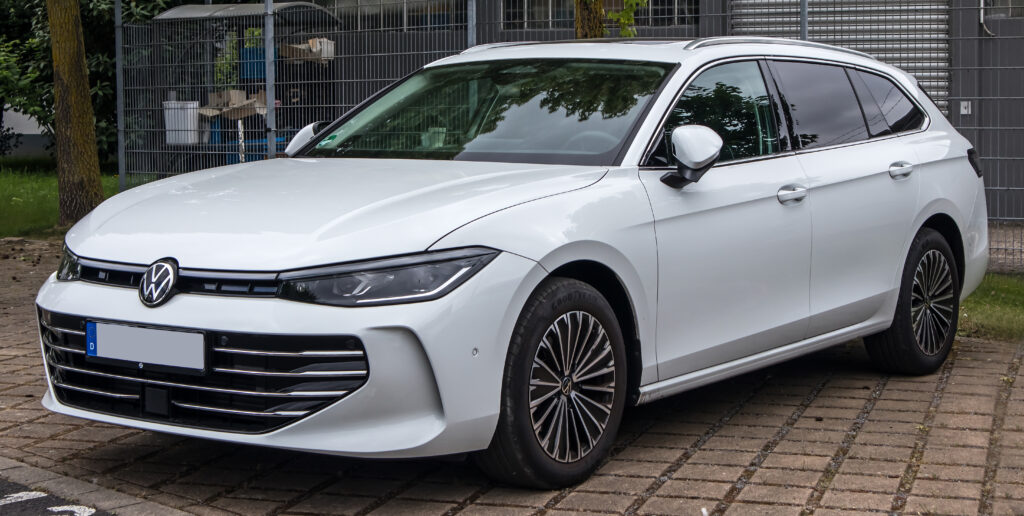
Volkswagen Passat Fuel Consumption

Content in this publication
- Understanding Why Passat Economy Matters
- A Quick Portrait of the Passat Lineage
- What Exactly Is Fuel Consumption?
- Official Figures vs Real-World Truth
- Petrol Passat Consumption
- Diesel Passat Consumption
- Plug-In Hybrid Passat GTE
- How Driving Style Shapes Consumption
- City vs Motorway Behavior
- The Weight Factor
- Tire Pressure and Rolling Resistance
- Engine Maintenance Matters
- Gearbox Choices and Economy
- Start-Stop Systems
- Climate Control and Accessories
- Fuel Quality and Type
- Comparing Passat to Rivals
- High-Mileage Passats
- Estate vs Saloon
- Winter Challenges
- Simple Habits to Save Fuel
- Reading the On-Board Computer
- Future of Passat Efficiency
- Closing Thoughts
- FAQs
Understanding Why Passat Economy Matters
When we talk about the Volkswagen Passat, we’re really talking about a traveling companion that many of us rely on for school runs, motorway commutes, and spontaneous weekend escapes. Fuel consumption sits at the heart of that relationship. We all want a car that feels like a loyal friend rather than a thirsty guest emptying the fridge. So, let’s walk together through what shapes the Passat’s appetite for fuel and how we can make it sip instead of gulp.
A Quick Portrait of the Passat Lineage
The Passat has worn many faces over the decades—saloon, estate, petrol, diesel, hybrid. Each generation brought new engines and smarter technology. That means fuel consumption isn’t a single number; it’s more like a family of figures that depend on year, engine size, and driving style.
What Exactly Is Fuel Consumption?
Fuel consumption measures how far the car travels on a set amount of fuel. In Europe we usually speak about liters per 100 kilometers, while in the UK miles per gallon is the everyday language. Think of it as the car’s metabolism. Some Passats burn calories slowly; others sprint through them.
Official Figures vs Real-World Truth
Manufacturers publish tidy laboratory numbers, but life on real roads is messier. Cold mornings, heavy boots, roof boxes, and impatient acceleration can nudge those figures upward. With the Passat, real-world consumption often sits 10–20% higher than the brochure promises.
Petrol Passat Consumption
Petrol versions are smooth and quiet, like a well-rehearsed orchestra.
Typical Petrol Ranges
- 1.4 TSI: around 45–50 mpg
- 1.5 TSI EVO: 47–52 mpg
- 2.0 TSI: 38–44 mpg
These engines reward gentle cruising but dislike constant stop-start city traffic.
Diesel Passat Consumption
Diesel Passats are the marathon runners.
Typical Diesel Ranges
- 1.6 TDI: 58–65 mpg
- 2.0 TDI 150: 55–62 mpg
- 2.0 TDI 190: 50–58 mpg
For long motorway stretches, the diesel versions feel like they have a secret stash of extra miles.
Plug-In Hybrid Passat GTE
The GTE blends petrol and electric power.
- Electric range: roughly 30–35 miles
- Combined figures: often quoted above 150 mpg (lab)
- Real mixed use: 70–90 mpg if charged regularly
It’s a bit like having two hearts—one electric, one petrol—working in harmony.
How Driving Style Shapes Consumption
Our right foot is the real fuel controller.
- Smooth acceleration saves fuel
- Anticipating traffic avoids waste
- Cruising at steady speeds is king
- Aggressive braking throws energy away
Driving gently turns the Passat into a frugal companion.
City vs Motorway Behavior
In town, the Passat breathes harder. Traffic lights and queues are like little hurdles. On the motorway, especially around 60–65 mph, the car stretches its legs and efficiency blossoms.
The Weight Factor
A loaded boot, roof rack, or five passengers can add the weight of a small piano. More mass means more fuel. Even removing unnecessary clutter can gift an extra few miles per tank.
Tire Pressure and Rolling Resistance
Underinflated tires are silent thieves.
- Check pressures monthly
- Use manufacturer recommendations
- Consider low-rolling-resistance tires
Properly inflated tires let the Passat glide like a stone skimming a lake.
Engine Maintenance Matters
A healthy engine eats less.
- Fresh oil reduces friction
- Clean air filters improve breathing
- Timely servicing keeps sensors honest
Neglect is like asking the car to run with a cold.
Gearbox Choices and Economy
Manual gearboxes allow skilled drivers to coax great numbers. DSG automatics, however, often match or beat manuals thanks to clever shifting. Using Eco mode on DSG feels like switching the car to a calmer personality.
Start-Stop Systems
Modern Passats shut the engine at lights. Some drivers disable it, but it can save noticeable fuel in urban life. Think of it as the car taking tiny naps between sprints.
Climate Control and Accessories
Air conditioning, heated seats, and demisters all draw energy.
- AC can add 3–5 mpg to consumption
- Open windows at speed create drag
- Heated screens are power hungry
Balance comfort with economy.
Fuel Quality and Type
Premium fuels sometimes deliver small efficiency gains. More important is using the correct octane and reputable stations. Bad fuel is like feeding the car junk food.
Comparing Passat to Rivals
Against cars like the Mondeo, Insignia, or Superb, the Passat generally sits near the top for efficiency, especially in diesel form. It’s rarely the thirstiest kid in the class.
High-Mileage Passats
Older models can still be efficient if cared for.
- Check for dragging brakes
- Replace tired oxygen sensors
- Consider injector cleaning
Age doesn’t have to mean greed.
Estate vs Saloon
The estate is slightly heavier and less aerodynamic. Expect 2–3 mpg difference. But the extra space often justifies the tiny penalty.
Winter Challenges
Cold weather thickens oil and reduces battery efficiency.
- Warm the car gently
- Avoid long idling
- Use winter tires correctly inflated
Winter is the season when consumption usually climbs.
Simple Habits to Save Fuel
- Remove roof bars when unused
- Plan routes to avoid congestion
- Combine short trips
- Use cruise control on highways
Small habits stack like coins in a jar.
Reading the On-Board Computer
The Passat’s trip computer is our coach. Reset it regularly, watch average figures, and learn how different journeys affect numbers. It turns driving into a friendly game.
Future of Passat Efficiency
With newer mild-hybrid systems and cleaner engines, future Passats promise even better economy. Electrification is slowly becoming the main course rather than the side dish.
Closing Thoughts
Fuel consumption in the Volkswagen Passat is less a fixed destiny and more a conversation between machine and driver. Treat the car with patience, maintain it with care, and it rewards you with miles that feel almost free. The Passat can be a thrifty travel partner, a steady ship crossing the ocean of daily life.
FAQs
1. Which Passat engine is most economical?
The 2.0 TDI 150 diesel typically offers the best real-world balance, often exceeding 60 mpg on long runs.
2. Does the Passat GTE really achieve 150 mpg?
Only in laboratory conditions. With regular charging, 70–90 mpg is more realistic.
3. Do bigger wheels affect consumption?
Yes, large alloy wheels can reduce efficiency by 1–3 mpg due to extra weight and drag.
4. Is Eco mode worth using?
Absolutely. It softens throttle response and optimizes gearbox shifts for lower fuel use.
5. How often should I check tire pressure?
At least once a month and before long trips to maintain peak efficiency.
If you want to know other articles similar to Volkswagen Passat Fuel Consumption you can visit the category Driving.
Land Rover Defender 90 MPG: Real-World Fuel Economy Explained
Toyota Hilux Long Range Fuel Tank: Complete Buyer’s Guide
How Fast Is a BMW M2? Acceleration, Top Speed and Real-World Performance
Toyota Hilux Fuel Consumption: Real-World MPG, Diesel Economy, and Running Costs
Subaru XV Fuel Consumption: MPG, Real-World Economy, and What to Expect
BMW M2 MPG: Real-World Fuel Economy, Range, and Running Costs
Leave a Reply
More content of your interest