

Nissan Micra Tire Pressure – The Complete Guide to Safety, Comfort, and Savings

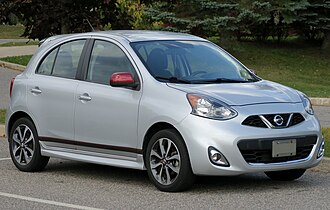
We often treat tire pressure like the background music of driving—always there, rarely noticed. Yet for the Nissan Micra, those four pockets of air are the quiet heroes that hold the whole journey together. When we get the pressure right, the Micra feels light on its feet, fuel bills shrink, and the tires live longer. When we ignore it, the car becomes like a runner in loose shoes—clumsy, thirsty, and unsafe.
In this guide we walk together through everything about Nissan Micra tire pressure: the correct numbers, how to check them, seasonal changes, warning lights, and the small habits that make a big difference.
Content in this publication
- Why Tire Pressure Matters More Than Most Drivers Think
- Recommended Nissan Micra Tire Pressure Values
- Where to Find the Official Numbers
- How to Check Nissan Micra Tire Pressure Like a Pro
- TPMS in the Nissan Micra – Understanding the Warning Light
- Seasonal Changes and Their Sneaky Effects
- Over-Inflation vs Under-Inflation – The Two Enemies
- Choosing the Right Gauge and Pump
- Tire Pressure for Different Tire Sizes
- Impact on Fuel Economy – Real Numbers
- How Load Affects Nissan Micra Tire Pressure
- Common Mistakes We All Make
- Tire Pressure and Wet Weather Performance
- What About the Spare Tire?
- Professional Alignment and Tire Pressure
- Eco Driving Habits to Protect Your Tires
- When to Replace Tires Regardless of Pressure
- Closing Thoughts – Small Habit, Big Rewards
- FAQs
Why Tire Pressure Matters More Than Most Drivers Think
Tires are the Micra’s handshake with the road. If the grip is weak, everything else suffers.
- Safety: Correct pressure shortens braking distance and improves cornering.
- Fuel economy: Under-inflated tires act like sticky shoes, increasing consumption.
- Tire lifespan: Even a few PSI off can chew the edges or the center of the tread.
- Comfort: Properly filled tires absorb bumps like soft cushions.
We like to think of pressure as the car’s blood pressure—too high or too low, and the whole body feels it.
Recommended Nissan Micra Tire Pressure Values
Different Micra generations and wheel sizes ask for slightly different numbers. Always check the sticker on the driver’s door jamb, but these ranges guide most models:
Typical Front and Rear PSI
- Nissan Micra K12 (2003–2010):
- Front: 30–32 PSI
- Rear: 28–30 PSI
- Nissan Micra K13 (2010–2016):
- Front: 32 PSI
- Rear: 30 PSI
- Nissan Micra K14 (2017–present):
- Front: 33 PSI
- Rear: 30–32 PSI
Loaded or Highway Driving
- Add 2–3 PSI when carrying heavy luggage or driving long motorway trips.
- Never exceed the maximum printed on the tire sidewall.
These figures are like a recipe—follow them, and the Micra tastes just right.
Where to Find the Official Numbers
We sometimes hunt for information online while the answer is already on the car:
- Driver door frame sticker – the most reliable source.
- Fuel filler flap – some markets place it here.
- Owner’s manual – lists pressures for different tire sizes.
- Tire sidewall – shows the maximum limit, not the recommended value.
Think of the sticker as the Micra whispering its preferences.
How to Check Nissan Micra Tire Pressure Like a Pro
Checking pressure isn’t rocket science; it’s more like making coffee—simple when you know the steps.
Step-by-Step Routine
- Check when tires are cold – before driving or after 3 hours parked.
- Remove the valve cap.
- Attach the gauge firmly.
- Read the number and compare with the sticker.
- Inflate or deflate as needed.
- Replace the cap to keep dust out.
A digital gauge is our favorite tool—cheap, accurate, and easier than squinting at old pencil types.
TPMS in the Nissan Micra – Understanding the Warning Light
Modern Micras carry a Tire Pressure Monitoring System. When the light pops up, it’s the car tapping you on the shoulder.
What Triggers the TPMS Light
- Pressure drops 25% below recommended level
- Rapid temperature change
- Puncture or slow leak
- After tire rotation without reset
How to Reset TPMS
- Inflate all tires to correct PSI
- Drive for 10–15 minutes above 40 km/h
- If the light stays on, use the reset option in the vehicle menu or visit a workshop
The TPMS is like a loyal dog—it barks only when something needs attention.
Seasonal Changes and Their Sneaky Effects
Air behaves like a moody traveler; it expands with heat and shrinks with cold.
- For every 10°C drop, pressure falls about 1 PSI
- Winter mornings can leave tires under-inflated
- Summer heat may push pressure too high
We recommend checking at least once a month and every time the seasons change.
Over-Inflation vs Under-Inflation – The Two Enemies
Signs of Under-Inflated Tires
- Heavy steering
- Increased fuel use
- Wear on tire edges
- Car feels sluggish
Signs of Over-Inflated Tires
- Bumpy, harsh ride
- Wear in the center tread
- Reduced grip on wet roads
Balance is the magic word—the sweet spot where the Micra dances instead of limps.
Choosing the Right Gauge and Pump
Not all tools are created equal.
- Digital gauges: Most accurate, easy to read
- Analog gauges: Reliable but need careful reading
- Service station pumps: Convenient but sometimes off by 2–3 PSI
We like keeping a small compressor in the boot; it’s the roadside superhero.
Tire Pressure for Different Tire Sizes
The Micra often wears several sizes:
- 165/70 R14 – common on base models
- 175/65 R15 – balanced comfort and grip
- 195/55 R16 – sportier trims
Larger wheels usually need 1–2 PSI more to keep the same behavior.
Impact on Fuel Economy – Real Numbers
Correct pressure can save:
- 3–5% fuel on city driving
- Up to 7% on highways
- Extra 5,000–10,000 km of tire life
It’s like finding coins in the sofa every week.
How Load Affects Nissan Micra Tire Pressure
Family trip? Boot full of suitcases?
- Add 2 PSI for medium load
- Add 3 PSI for full load
- Return to normal after unloading
The Micra is small but mighty, yet it appreciates a little extra air when working hard.
Common Mistakes We All Make
- Checking pressure after driving
- Using the sidewall max as target
- Forgetting the spare tire
- Ignoring slow leaks
- Trusting old gauges blindly
We’ve all done at least one of these; the key is to learn and move on.
Tire Pressure and Wet Weather Performance
Rain turns roads into soap bars. Proper pressure:
- Channels water through tread
- Reduces aquaplaning
- Improves ABS performance
Think of tires as rain boots—the right fit keeps your feet dry.
What About the Spare Tire?
Many Micras carry a space-saver spare.
- Usually needs 60 PSI
- Check every six months
- Don’t drive over 80 km/h with it
A forgotten spare is like an umbrella with holes—useless when needed.
Professional Alignment and Tire Pressure
Incorrect alignment can mimic pressure problems.
- Uneven wear despite correct PSI
- Steering pulling to one side
- Vibrations at speed
Pressure and alignment are dance partners; both must move together.
Eco Driving Habits to Protect Your Tires
- Smooth acceleration
- Gentle braking
- Avoid curb hits
- Rotate tires every 10,000 km
Treat the Micra kindly and it returns the favor.
When to Replace Tires Regardless of Pressure
- Tread below 1.6 mm (legal limit in many regions)
- Cracks or bulges
- Older than 6 years
No amount of air can revive a tired tire.
Closing Thoughts – Small Habit, Big Rewards
Looking after Nissan Micra tire pressure is like watering a houseplant—simple, quick, and incredibly rewarding. With a monthly check and a good gauge, we gain safety, comfort, and lower bills. The Micra may be compact, but it deserves full-size attention.
FAQs
1. What is the ideal Nissan Micra tire pressure?
Most models sit between 30 and 33 PSI at the front and 28 to 32 PSI at the rear, depending on generation and tire size.
2. Can I use the maximum PSI on the tire sidewall?
No. That number is the tire’s limit, not the car’s recommendation. Always follow the vehicle sticker.
3. Why does the TPMS light come on in winter?
Cold temperatures reduce air pressure, often triggering the sensor even without a puncture.
4. How often should I check pressure?
At least once a month and before long trips.
5. Does higher pressure save fuel?
Slightly higher within recommended limits can help, but over-inflation reduces safety and comfort.
If you want to know other articles similar to Nissan Micra Tire Pressure – The Complete Guide to Safety, Comfort, and Savings you can visit the category Service and Parts.
Nissan Rogue Oil Change Cost: Prices, Service Options, and What to Expect
Nissan Rogue Key Battery Replacement: Easy Step-by-Step Guide
Nissan Rogue Oil Change Interval: Complete Guide by Model Year
Nissan Rogue Brake Pads and Rotors Cost: Complete 2026 Guide

Kia Sorento Service Reset: How to Reset the Service Light
Kia Sorento Fuel Tank Capacity: Gallons, Litres and Model Differences
Leave a Reply
More content of your interest