

Nissan Micra Yellow Warning Light – What It Means and How We Should React

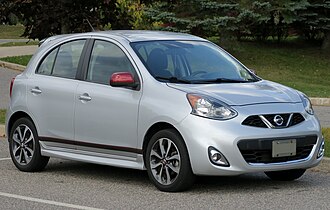
When a yellow warning light glows on the dashboard of our Nissan Micra, it can feel like a small storm cloud appearing out of nowhere. It isn’t as frightening as a red alert, yet it still whispers that something needs attention. We often ask ourselves: Can we keep driving? Is the car trying to tell us a secret? In this guide we walk together through every angle of the Nissan Micra yellow warning light, explaining meanings, causes, and the calm steps we can take to stay safe and confident.
Content in this publication
- Understanding the Language of Dashboard Lights
- Most Common Yellow Warning Lights in the Nissan Micra
- What Should We Do First? The Calm Ritual
- Using an OBD Scanner – Our Best Friend
- Can We Keep Driving with a Yellow Light?
- Model Differences Across Micra Generations
- Typical Causes Behind the Scenes
- Quick Home Checks We Can Perform
- When the Light Blinks Instead of Staying On
- How Weather Influences Warning Lights
- The Cost Side of Things
- Preventive Habits to Keep the Light Asleep
- Choosing a Trustworthy Mechanic
- Real Stories from Micra Owners
- Step-by-Step Reset After Repair
- Closing Thoughts
- Frequently Asked Questions
Understanding the Language of Dashboard Lights
Cars speak in symbols. The Micra doesn’t use words; it uses colors and icons like a quiet traffic light inside the cabin. Yellow, or amber, is the middle voice. It says, “Notice me soon,” not “Stop right now.” Recognizing this tone helps us avoid panic and respond with clear heads.
Why Yellow Matters
- Yellow indicates a non-critical fault
- The vehicle is usually safe to drive for a short time
- Diagnosis should not be delayed
- Ignoring it can turn yellow into angry red
Think of yellow as a polite tap on the shoulder rather than a shout.
Most Common Yellow Warning Lights in the Nissan Micra
Different icons represent different systems. Below we explore the usual suspects that appear on Micra models from K11 to the modern K14.
Engine Management Light
This is the symbol shaped like a tiny engine. It is the most frequent visitor on the dashboard.
Possible reasons include:
- Faulty oxygen sensor
- Loose fuel cap
- Misfiring spark plug
- Throttle body issues
The car may feel normal, or it may run like a tired runner with shallow breaths.
Tire Pressure Monitoring Light
A horseshoe shape with an exclamation mark tells us one or more tires are underinflated. Temperature changes often trigger this, especially on cold mornings.
ABS Warning Light
If the ABS symbol turns yellow, the anti-lock braking system may be sleeping. Brakes still work, but without the extra safety net.
Traction Control Light
This light looks like a car sliding on a wavy road. Sometimes it blinks while driving on wet streets, which is normal. If it stays on, the system needs checking.
Battery Charge Warning
Although often red, some Micra versions show a yellow pre-warning when voltage is unstable.
What Should We Do First? The Calm Ritual
When the light appears, we follow a simple ritual:
- Stay calm and observe
- Note any strange noises or smells
- Check the fuel cap and tire pressures
- Restart the car to see if it clears
- Plan a diagnostic scan
This approach is like checking the weather before deciding whether to carry an umbrella.
Using an OBD Scanner – Our Best Friend
Modern Micras hide their secrets inside the ECU. An OBD2 scanner translates those secrets into codes.
Benefits of scanning:
- Identifies the exact fault
- Saves money on guesswork
- Helps us speak clearly with mechanics
- Prevents unnecessary parts replacement
Can We Keep Driving with a Yellow Light?
Usually yes, but with caution. Imagine walking with a small pebble in your shoe—you can continue, yet ignoring it too long may cause a blister.
Avoid long trips if:
- The car loses power
- Fuel consumption rises sharply
- The engine shakes
- Smoke appears
Model Differences Across Micra Generations
K11 (1992–2002)
Older, simpler electronics. Yellow lights often relate to basic sensors and wiring.
K12 (2003–2010)
More complex systems introduce throttle and ABS related alerts.
K13 (2010–2016)
TPMS becomes common; emissions controls grow stricter.
K14 (2017–present)
Advanced safety tech adds new symbols like lane assist warnings.
Each generation speaks the same color language but with different accents.
Typical Causes Behind the Scenes
Let’s open the curtain and look at real mechanical reasons.
Sensor Fatigue
Sensors are like the car’s nerves. Over time they age and send confused signals.
- Oxygen sensors
- Mass airflow sensor
- Crankshaft sensor
Fuel and Air Issues
A dirty air filter or weak fuel pump can wake the yellow light.
Electrical Gremlins
Loose connectors, corroded grounds, or weak batteries often masquerade as major faults.
Quick Home Checks We Can Perform
Before visiting a workshop, we can try:
- Tightening the fuel cap until it clicks
- Checking tire pressures with a gauge
- Inspecting battery terminals
- Looking for chewed wires under the hood
These steps cost nothing but curiosity.
When the Light Blinks Instead of Staying On
A flashing yellow engine light is more serious. It usually means active misfire that can damage the catalytic converter. In this case we should drive gently and seek help immediately.
How Weather Influences Warning Lights
Cold mornings shrink tire pressure and thicken oil. Hot days stress cooling systems. The Micra reacts to the environment like we react to seasons.
The Cost Side of Things
Repair prices vary like waves:
- Sensor replacement: modest
- ABS module: higher
- Wiring repair: unpredictable
- Simple reset: almost free
Knowing the code first protects our wallet.
Preventive Habits to Keep the Light Asleep
- Regular servicing
- Quality fuel
- Timely tire checks
- Battery health monitoring
- Gentle driving style
Prevention is a warm coat for winter.
Choosing a Trustworthy Mechanic
We should seek:
- Clear explanations
- Diagnostic report printouts
- No pressure selling
- Experience with Nissan models
A good mechanic is like a patient doctor for our car.
Real Stories from Micra Owners
Many drivers share that a yellow light turned out to be nothing more than a loose cap or aging spark plug. Others learned that ignoring it led to bigger bills. The lesson is simple: listen early.
Step-by-Step Reset After Repair
- Fix the underlying issue
- Use scanner to clear codes
- Drive a short cycle
- Confirm the light stays off
Closing Thoughts
The Nissan Micra yellow warning light is not an enemy; it is a messenger. When we treat it with respect, it guides us toward small fixes before they grow into mountains. Like a lighthouse in fog, it asks for attention, not fear. With knowledge, a scanner, and a bit of patience, we keep our Micra running as cheerful as a city bird.
Frequently Asked Questions
1. Can a loose fuel cap really trigger the yellow light?
Yes. The fuel system monitors pressure, and a cap that isn’t tight can fool the car into thinking there is a leak.
2. How long can we drive with the yellow engine light on?
Short distances are usually fine, but we should arrange a check within a few days, especially if performance changes.
3. Will disconnecting the battery reset the light?
It might temporarily, but the fault will return if the cause remains.
4. Is a yellow ABS light dangerous?
Brakes still work normally, yet the anti-lock function may be disabled, so caution on wet roads is wise.
5. Do all Micra models show the same symbols?
The core icons are similar, though newer generations add extra safety-related lights.
If you want to know other articles similar to Nissan Micra Yellow Warning Light – What It Means and How We Should React you can visit the category Service and Parts.
Nissan Rogue Oil Change Cost: Prices, Service Options, and What to Expect
Nissan Rogue Key Battery Replacement: Easy Step-by-Step Guide
Nissan Rogue Oil Change Interval: Complete Guide by Model Year
Nissan Rogue Brake Pads and Rotors Cost: Complete 2026 Guide

Kia Sorento Service Reset: How to Reset the Service Light
Kia Sorento Fuel Tank Capacity: Gallons, Litres and Model Differences
Leave a Reply
More content of your interest