
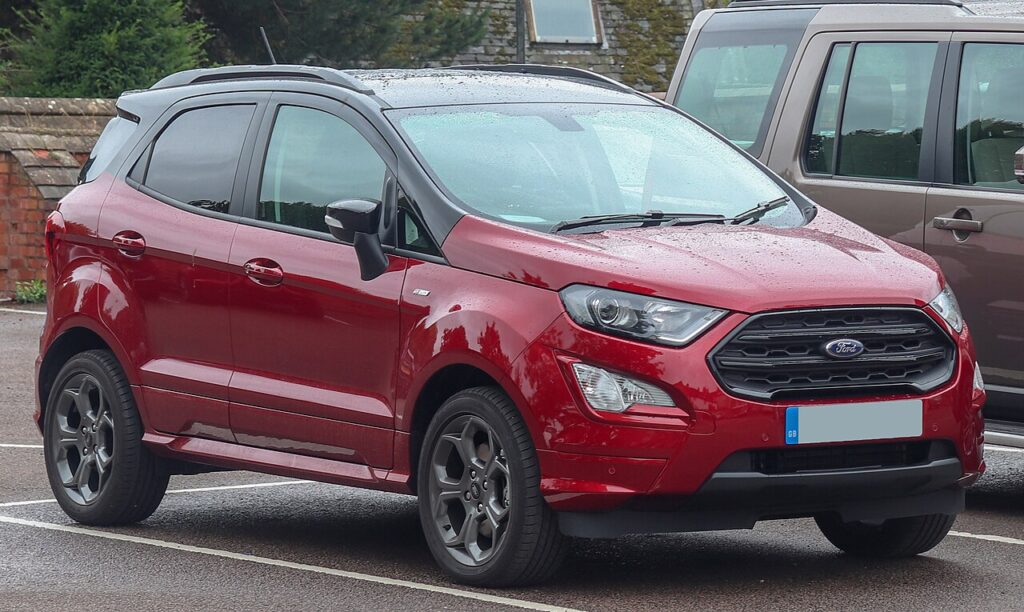
Ford EcoSport Engine Size – Everything We Need to Know

Content in this publication
- Getting to Know the Heart of the EcoSport
- What Do We Mean by Ford EcoSport Engine Size?
- The Famous 1.0-Liter EcoBoost – Small but Mighty
- 1.5-Liter Petrol – The Traditional Choice
- 1.5-Liter Diesel – The Long-Distance Friend
- 2.0-Liter Petrol – The Rare Athlete
- How Engine Size Affects Real-World Driving
- EcoSport Engine Size by Generation
- City Driving – Which Size Makes Sense?
- Highway Cruising – Stretching Its Legs
- Maintenance Considerations by Engine Size
- Towing and Load Carrying
- Automatic vs Manual with Different Sizes
- Reliability Across Engine Sizes
- How to Identify Your EcoSport Engine Size
- Buying Used – What We Should Check
- Comparing with Rivals
- Is Bigger Always Better?
- Future of EcoSport Engines
- Final Thoughts
- FAQs
Getting to Know the Heart of the EcoSport
When we talk about any car, the engine size is like discussing the size of the heart inside a runner’s chest. It tells us how much breath the vehicle has, how confidently it climbs hills, and how gently it sips fuel on lazy Sunday drives. With the Ford EcoSport, engine size has always been one of the most searched topics, and for good reason. This compact SUV has worn several mechanical personalities over the years, and we’re here to unwrap them like gifts under a mechanical Christmas tree.
The EcoSport may look small and friendly on the outside, but beneath the bonnet lives a range of engines that have powered families, commuters, and weekend explorers across cities from London to Los Angeles. Let’s walk through this story together, without the robotic jargon, just like two friends leaning over a car in the driveway.
What Do We Mean by Ford EcoSport Engine Size?
Engine size, often called displacement, is measured in liters (L) or cubic centimeters (cc). Think of it as the volume of air and fuel the engine can gulp in with every cycle. A bigger size usually means more power, while a smaller one often brings better fuel economy.
Common Ford EcoSport Engine Sizes
- 1.0-liter EcoBoost petrol
- 1.5-liter petrol
- 1.5-liter diesel (market dependent)
- 2.0-liter petrol in some regions
Each of these engines gives the EcoSport a different personality, like changing the shoes on the same athlete.
The Famous 1.0-Liter EcoBoost – Small but Mighty
Why Everyone Talks About This Engine
The 1.0-liter EcoBoost is the rock star of the range. On paper it looks tiny, almost like a teacup, yet thanks to turbocharging it punches far above its weight. We’ve seen drivers amazed that a three-cylinder engine can feel this lively.
Power and Character
- Typically 123–138 hp
- Turbocharged torque for quick pull-away
- Light and efficient for city driving
Driving this version feels like riding a bicycle with an electric boost—gentle when we want, cheeky when we press harder.
1.5-Liter Petrol – The Traditional Choice
Old School Reliability
Before turbo engines became fashionable, the 1.5-liter naturally aspirated petrol was the dependable workhorse. It doesn’t chase headlines, but it starts every morning like a loyal dog waiting at the door.
Who Should Choose It?
- Drivers who value simplicity
- Markets where fuel quality varies
- Owners planning long-term maintenance
We often recommend this engine to people who prefer calm cruising over boy-racer antics.
1.5-Liter Diesel – The Long-Distance Friend
Torque for Days
In regions where diesel was popular, the 1.5 TDCi gave the EcoSport real muscle. It’s the engine that climbs mountain roads without breaking a sweat.
Typical Traits
- Strong low-end torque
- Excellent highway economy
- Heavier feel but confident overtaking
For road-trip lovers, this engine size felt like packing an extra sandwich in the backpack—more stamina for the journey.
2.0-Liter Petrol – The Rare Athlete
Not Available Everywhere
Some markets received a 2.0-liter version paired with all-wheel drive. This turned the gentle EcoSport into a mini adventurer.
Why It Matters
- More power for towing
- Better performance on steep terrain
- Higher fuel consumption
It’s like giving the EcoSport hiking boots instead of sneakers.
How Engine Size Affects Real-World Driving
Fuel Economy vs Power
We often ask ourselves: do we want to save at the pump or smile at the traffic lights? Engine size is the referee in that match.
- Smaller engines = better MPG
- Larger engines = stronger acceleration
- Turbo engines = blend of both
Insurance and Running Costs
Bigger engines can mean:
- Higher insurance groups
- More expensive servicing
- Greater road tax in some countries
Choosing an engine is a bit like choosing a pet—feed a bigger one and it eats more.
EcoSport Engine Size by Generation
First Generation (2012–2017)
- 1.0 EcoBoost introduction
- 1.5 petrol and diesel staples
- Manual and automatic options
Facelift and Later Models (2018–2022)
- Improved 1.0 EcoBoost tuning
- Better refinement
- Some markets dropped diesel
Ford kept adjusting the recipe like a chef perfecting soup.
City Driving – Which Size Makes Sense?
In crowded streets we rarely need huge power. The 1.0-liter shines here.
- Easy parking
- Low fuel use
- Light steering feel
It’s like wearing trainers instead of heavy boots in the supermarket.
Highway Cruising – Stretching Its Legs
On motorways the 1.5 diesel or 2.0 petrol feel more relaxed.
- Lower engine strain
- Quieter at speed
- Better overtaking
We don’t want the engine panting like a tired jogger at 70 mph.
Maintenance Considerations by Engine Size
1.0 EcoBoost Care
- Regular oil changes crucial
- Turbo health important
- Use correct specification oil
1.5 Petrol Simplicity
- Fewer complex parts
- Cheaper servicing
- Proven longevity
Diesel Needs
- DPF awareness
- Longer warm-ups
- Quality fuel essential
Maintaining an engine is like watering plants—ignore them and they sulk.
Towing and Load Carrying
If we plan to tow a small trailer, engine size matters.
- 1.0: light duties
- 1.5: moderate tasks
- 2.0: most capable
The EcoSport isn’t a truck, but with the right engine it can carry its groceries proudly.
Automatic vs Manual with Different Sizes
Gearboxes change how engine size feels.
- 1.0 auto – relaxed urban partner
- 1.5 manual – engaging control
- 2.0 auto AWD – adventure combo
Choosing a gearbox is like choosing between tea and coffee—same morning, different mood.
Reliability Across Engine Sizes
From owner reports:
- 1.0 EcoBoost: generally strong when serviced
- 1.5 petrol: very robust
- Diesel: reliable with correct usage
No engine is perfect, but the EcoSport family has aged gracefully.
How to Identify Your EcoSport Engine Size
Quick Methods
- Check registration documents
- Look at badge on rear
- Read under-bonnet sticker
- VIN decoder
It’s easier than finding the remote under sofa cushions.
Buying Used – What We Should Check
- Service history
- Timing belt intervals
- Turbo condition on 1.0
- DPF on diesel
A used car without history is like a book missing chapters.
Comparing with Rivals
Against cars like the Juke or Captur:
- EcoBoost offers best balance
- 1.5 petrol simpler than many rivals
- Diesel competitive on torque
The EcoSport may not shout the loudest, but it sings in tune.
Is Bigger Always Better?
Not really. The best engine size is the one matching our life:
- Short trips → 1.0
- Mixed use → 1.5
- Long motorway → diesel
- Adventure → 2.0 AWD
Cars are tools, not trophies.
Future of EcoSport Engines
With electrification rising, traditional sizes may fade. Yet the lessons remain: balance, efficiency, and character.
Final Thoughts
The Ford EcoSport engine size story is like a wardrobe full of jackets. We choose the one that fits the weather of our lives. Whether it’s the clever 1.0 EcoBoost or the steady 1.5, the EcoSport has offered options for real people, not just spec sheets.
FAQs
1. What is the most common Ford EcoSport engine size?
The 1.0-liter EcoBoost is the most widespread, loved for its mix of power and economy.
2. Is the 1.0 EcoBoost powerful enough?
Yes, for everyday driving it feels lively thanks to turbocharging.
3. Which engine size is best for fuel economy?
Generally the 1.0 petrol or 1.5 diesel deliver the best MPG.
4. Did all markets get the 2.0 engine?
No, the 2.0 was limited to specific regions with AWD options.
5. How long do EcoSport engines last?
With proper servicing, many exceed 150,000 miles comfortably.
If you want to know other articles similar to Ford EcoSport Engine Size – Everything We Need to Know you can visit the category Service and Parts.
Nissan Rogue Oil Change Cost: Prices, Service Options, and What to Expect
Nissan Rogue Key Battery Replacement: Easy Step-by-Step Guide
Nissan Rogue Oil Change Interval: Complete Guide by Model Year
Nissan Rogue Brake Pads and Rotors Cost: Complete 2026 Guide

Kia Sorento Service Reset: How to Reset the Service Light
Kia Sorento Fuel Tank Capacity: Gallons, Litres and Model Differences
Leave a Reply
More content of your interest