

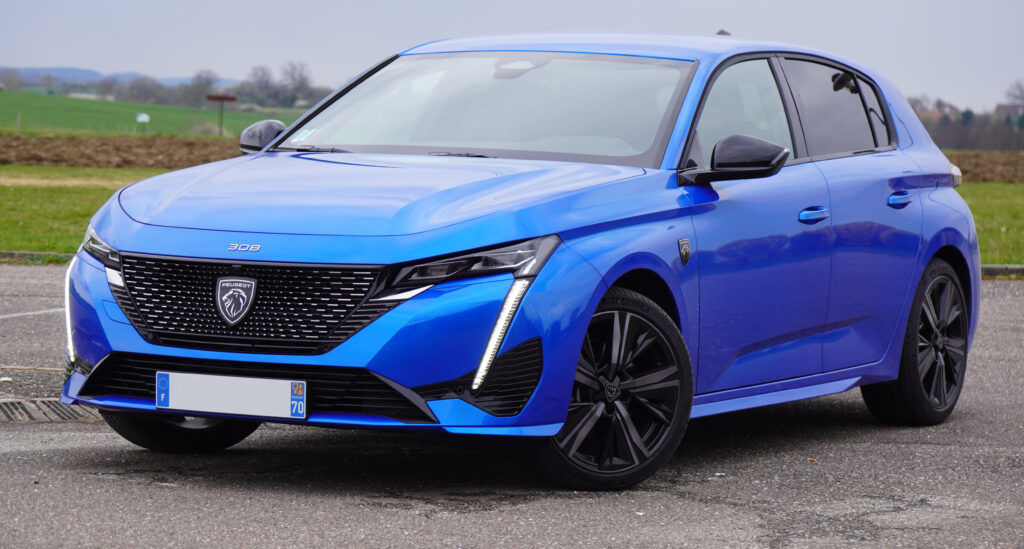
Peugeot 308 MPG – Real-World Economy, Tips, and Truths Behind the Numbers

Content in this publication
- Why MPG Matters More Than Ever
- Understanding Peugeot 308 MPG Figures
- Petrol Engines and Their Thirst
- Diesel – The Long-Distance Champion
- Plug-In Hybrid MPG Explained
- What Affects Peugeot 308 Fuel Economy
- Comparing Old and New Generations
- Manual vs Automatic – Which Saves More?
- Real Owners, Real Numbers
- How to Improve Your Peugeot 308 MPG
- MPG and Maintenance Connection
- City Driving vs Motorway Reality
- Eco Mode – Does It Really Help?
- Fuel Tank Size and Range
- Peugeot 308 MPG vs Rivals
- The Cost Per Mile Picture
- Technology Helping Economy
- Common Myths About MPG
- Seasonal MPG Changes
- Is the Peugeot 308 Truly Economical?
- Choosing the Right 308 for Your Needs
- Looking Toward the Future
- Closing Thoughts
- FAQs
Why MPG Matters More Than Ever
When we talk about a car like the Peugeot 308, we’re not just chatting about horsepower or fancy headlights. We’re really asking a simple, everyday question: how far will this tank take us? Fuel economy has become the heartbeat of modern driving. Rising fuel prices feel like a ticking metronome in our wallets, and every extra mile per gallon is like finding coins in the sofa of life.
The Peugeot 308 has built a reputation as a sensible yet stylish hatchback, but its MPG figures are what make many drivers lean closer to the brochure. Let’s explore what those numbers truly mean when rubber meets road.
Understanding Peugeot 308 MPG Figures
Official MPG ratings can sometimes feel like weather forecasts—useful, but not always matching what we see outside the window. Peugeot measures economy under standardized tests, yet our daily commutes include hills, cold starts, and the occasional heavy right foot.
The 308 range includes petrol, diesel, and plug-in hybrid options. Each tells a different fuel story. We’ve seen petrol versions hovering in the mid-40s MPG, diesels stretching toward the 60s, and hybrids promising triple-digit equivalents when charged regularly.
Petrol Engines and Their Thirst
Petrol Peugeot 308 models are popular for their smoothness and lower purchase price. The 1.2 PureTech engine, a three-cylinder unit, is the star of the lineup. On paper it claims impressive efficiency, but what happens in real life?
- Gentle motorway cruising can deliver around 48–52 MPG
- Stop-start city driving often drops to 38–42 MPG
- Sportier trims sacrifice a few miles for smiles
We find petrol versions feel like friendly dogs—eager and lively—but they need a steady hand to stay economical.
Diesel – The Long-Distance Champion
For drivers who treat the motorway as a second home, diesel still shines. The 1.5 BlueHDi engine has earned praise for sipping fuel like tea from a tiny cup.
- Realistic mixed driving: 55–62 MPG
- Long highway runs: up to 70 MPG in ideal conditions
- Heavier torque means fewer gear changes
Diesel suits those who rack up miles like beads on a necklace, one after another.
Plug-In Hybrid MPG Explained
The hybrid Peugeot 308 rewrites the MPG rulebook. Instead of miles per gallon, we talk about MPGe and electric range. With a charged battery, short trips can use almost no petrol at all.
- Electric range around 35–40 miles
- Combined figures exceeding 200 MPGe
- Economy depends on charging habits
Think of it as having two wallets—one electric, one petrol—and choosing which to spend.
What Affects Peugeot 308 Fuel Economy
MPG isn’t a fixed statue; it’s more like clay shaped by daily habits. Several factors play leading roles:
Driving Style
Smooth acceleration is the secret sauce. Flooring the pedal is like pouring water through a sieve—fuel disappears quickly.
Tyre Pressure
Underinflated tyres act like sticky shoes on a dance floor, dragging efficiency down by up to 3%.
Vehicle Load
A boot full of holiday luggage turns the 308 into a pack mule. Extra weight equals extra thirst.
Weather Conditions
Cold mornings force engines to work harder. MPG in winter can dip noticeably.
Comparing Old and New Generations
The latest Peugeot 308 benefits from improved aerodynamics and smarter engines. Older models were respectable, but the new generation feels like upgrading from a flip phone to a smartphone.
- Lighter chassis
- More efficient transmissions
- Start-stop technology refined
The progress shows clearly at the fuel pump.
Manual vs Automatic – Which Saves More?
Traditionally manuals were kings of economy, yet modern automatics have closed the gap.
- Eight-speed auto keeps revs low
- Manual offers control for eco-minded drivers
- Real difference often less than 3 MPG
Choosing between them is more about comfort than coins.
Real Owners, Real Numbers
We’ve spoken with everyday drivers who share honest experiences.
- Commuters report 45 MPG from petrol models
- Taxi drivers see 60+ MPG from diesels
- Hybrid owners vary from 70 to 200 MPGe
The lesson? Your routine writes the final figure.
How to Improve Your Peugeot 308 MPG
Small changes can feel like turning a dimmer switch on fuel use.
- Shift up early and keep revs gentle
- Use cruise control on long roads
- Remove roof bars when not needed
- Plan journeys to avoid traffic
- Service the car on schedule
Each tip is a tiny brick building a wall of savings.
MPG and Maintenance Connection
A neglected engine drinks more. Fresh oil, clean filters, and healthy spark plugs are like vitamins for efficiency.
- Air filter changes improve breathing
- Wheel alignment reduces drag
- Quality fuel keeps injectors happy
Caring for the 308 is caring for your wallet.
City Driving vs Motorway Reality
Urban streets are obstacle courses of lights and roundabouts. Here MPG shrinks like a wool sweater in hot water. On open motorways, the 308 stretches its legs and sips gently.
- City: 38–45 MPG petrol
- Motorway: 50+ MPG petrol
- Diesel gap even wider
Understanding this split helps set realistic expectations.
Eco Mode – Does It Really Help?
The Peugeot 308 offers driving modes including Eco. It softens throttle response and adjusts climate control.
- Can add 5–8% better economy
- Best for relaxed commuting
- Less useful when overtaking often
Eco mode is like walking instead of jogging—slower but easier on energy.
Fuel Tank Size and Range
With a tank around 52 liters, range varies dramatically.
- Petrol range: roughly 500 miles
- Diesel range: 650–750 miles
- Hybrid range depends on charging
Long legs make the 308 a capable road-trip partner.
Peugeot 308 MPG vs Rivals
Against competitors like the VW Golf or Ford Focus, the 308 holds its ground.
- Similar petrol economy
- Diesel often slightly better
- Hybrid among class leaders
It’s not always the champion, but rarely the loser.
The Cost Per Mile Picture
MPG becomes meaningful when translated into money.
- Petrol approx 14–16 pence per mile
- Diesel 10–12 pence
- Hybrid potentially under 8 pence
These numbers turn abstract stats into grocery bills and school shoes.
Technology Helping Economy
Peugeot sprinkles tech like seasoning:
- Start-stop at traffic lights
- Regenerative braking on hybrids
- Smart gear shift indicators
These features whisper rather than shout, guiding us toward thrift.
Common Myths About MPG
Let’s clear the fog around a few tales.
- Premium fuel doesn’t always improve MPG
- Bigger wheels usually reduce economy
- Idling to warm up wastes fuel
Truth is simpler than showroom stories.
Seasonal MPG Changes
Just as trees shed leaves, MPG sheds a few digits in winter.
- Cold oil thickens
- Heaters demand energy
- Wet roads increase resistance
Expect 5–10% drop when scarves come out.
Is the Peugeot 308 Truly Economical?
After all this talk, we ask ourselves honestly: is it good on fuel? For most drivers, yes. It balances comfort and thrift without feeling like a punishment box.
The 308 behaves like a sensible friend who still knows how to laugh.
Choosing the Right 308 for Your Needs
Selecting an engine is like choosing shoes.
- Short city hops: petrol suits best
- Long commutes: diesel shines
- Home charger owners: hybrid wins
Match the tool to the job.
Looking Toward the Future
As electrification spreads, MPG may fade like old photographs. Yet today, it remains a vital compass guiding buyers.
Peugeot seems ready for that future while keeping present drivers happy.
Closing Thoughts
We’ve wandered through numbers, habits, and real stories. The Peugeot 308 proves that economy isn’t a single digit on a poster—it’s a living result of how we drive, where we go, and which version we choose. Treat it kindly and it returns the favor mile after mile.
FAQs
What is the average real-world MPG of a petrol Peugeot 308?
Most drivers see between 40 and 50 MPG depending on traffic and driving style.
Is the diesel 308 worth it for short trips?
Diesel prefers longer runs; short journeys may reduce efficiency and increase maintenance needs.
How far can a hybrid 308 go on electricity alone?
Typically around 35 to 40 miles with a full charge.
Does Eco mode make a noticeable difference?
Yes, usually 5–8% improvement during steady commuting.
Which gearbox is better for MPG?
Modern automatics are nearly as efficient as manuals; the difference is small.
If you want to know other articles similar to Peugeot 308 MPG – Real-World Economy, Tips, and Truths Behind the Numbers you can visit the category Driving.
Kia Sorento Fuel Economy: MPG, Hybrid, and Plug-In Hybrid Explained
BYD Shark 6 Fuel Consumption: Real-World Economy, Range and What to Expect
Vauxhall Agila MPG: Real-World Fuel Economy and Engine Guide

Honda Passport MPG: Real-World Fuel Economy, Ratings, and What to Expect
Nissan Rogue Fuel Economy: MPG, Range, Costs, and Real-World Efficiency
BYD Shark 6 Long Range Fuel Tank: Is the 120L Upgrade Worth It?
Leave a Reply
More content of your interest