
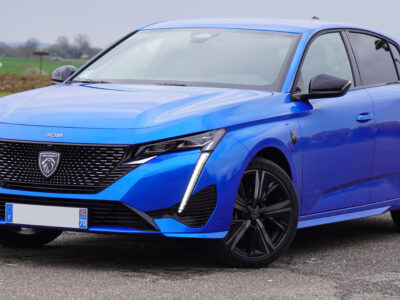
Peugeot 308 Engine Size: Complete Guide to Every Engine Option

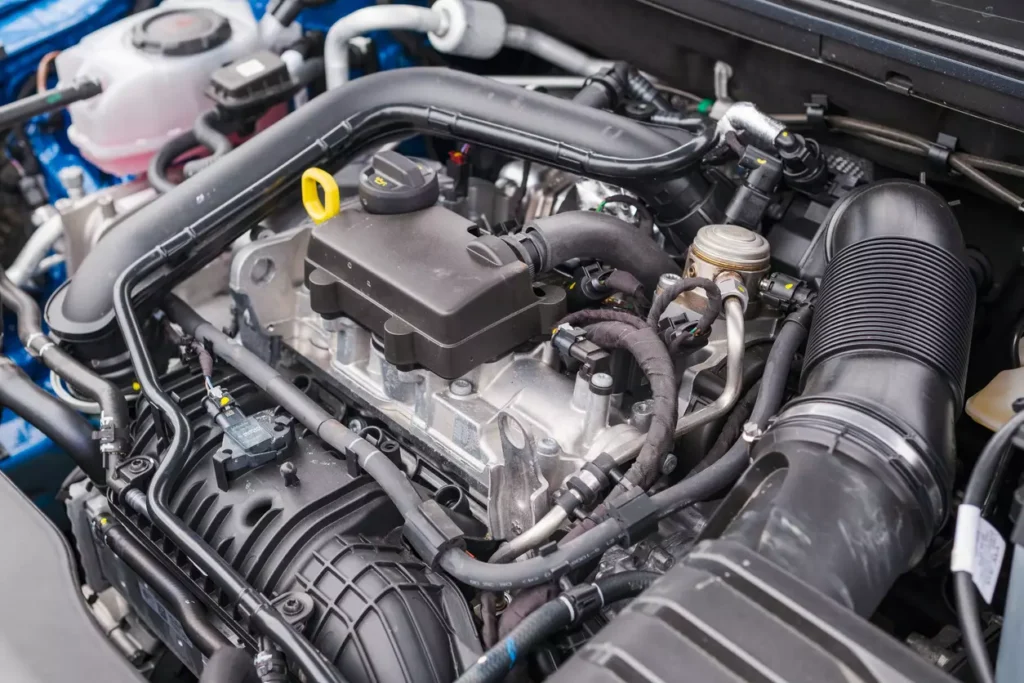
When we talk about Peugeot 308 engine size, we’re not just tossing around numbers like 1.2L or 2.0L. We’re talking about personality. About how a car breathes, how it accelerates, how it sips or gulps fuel. Engine size defines character the way voice defines a singer.
And the Peugeot 308? It’s had many voices over the years—some soft and efficient, others punchy and eager.
Let’s break it all down clearly, casually, and comprehensively.
Content in this publication
- Understanding Peugeot 308 Engine Size Basics
- Peugeot 308 Generations and Engine Sizes
- Petrol Engine Sizes
- Diesel Engine Sizes
- Petrol Engine Sizes
- Diesel Engine Sizes
- Petrol Engine Sizes
- Diesel Engine Size
- Plug-in Hybrid Engine Configuration
- 1.6L Turbo + Electric Motor
- Choose Smaller Petrol (1.2L) If:
- Choose Diesel (1.5L / 2.0L) If:
- Choose Hybrid (1.6L + Electric) If:
- 1.2 PureTech
- 1.6 THP
- 1.5 BlueHDi
- 1.2L
- 1.6L Turbo
- 2.0L Diesel
- 1.6L Turbocharged
- 1. What is the smallest Peugeot 308 engine size?
- 2. Is the 1.2 PureTech engine powerful enough?
- 3. What is the largest engine used in the 308?
- 4. Is diesel better than petrol in the 308?
- 5. Does engine size affect resale value?
Understanding Peugeot 308 Engine Size Basics
Before diving into specifics, let’s get grounded.
What Does Engine Size Actually Mean?
Engine size (also called displacement) refers to the total volume of all cylinders inside the engine, measured in:
- Litres (L)
- Cubic centimetres (cc)
For example:
- 1.2L = 1,199cc
- 1.6L = 1,598cc
- 2.0L = 1,997cc
The bigger the number, the more air and fuel the engine can burn per cycle. More combustion usually means:
- More power
- More torque
- Higher fuel consumption (generally)
But modern turbocharging has changed the game entirely.
Peugeot 308 Generations and Engine Sizes
The Peugeot 308 has evolved through three major generations:
First Generation (2007–2013)
Second Generation (2013–2021)
Third Generation (2021–Present)
Each generation introduced new engine sizes, technology, and efficiency improvements.
Let’s unpack them one by one.
First Generation Peugeot 308 Engine Sizes (2007–2013)
This was the era of larger naturally aspirated engines and early turbo petrol units.
Petrol Engine Sizes
1.4L Petrol (1,397cc)
- Power: ~95 hp
- Ideal for city driving
- Simple, reliable setup
1.6L Petrol (1,598cc)
- Power: 120–150 hp
- Available as naturally aspirated or turbocharged
- Balanced performance and economy
1.6L THP Turbo
Developed in partnership with BMW. More responsive, more eager.
- Power: Up to 200 hp (GTi)
- Sporty character
Diesel Engine Sizes
1.6L HDi (1,560cc)
- 90–112 hp
- Excellent fuel economy
- Long-distance champion
2.0L HDi (1,997cc)
- 136–163 hp
- Strong torque
- Ideal for motorway cruising
Back then, diesel ruled Europe—and the 308 embraced it fully.
Second Generation Peugeot 308 Engine Sizes (2013–2021)
This generation was lighter, sharper, and more efficient.
Petrol Engine Sizes
1.2L PureTech (1,199cc)
This is where things got interesting.
Small engine. Big impact.
- 82 hp (naturally aspirated)
- 110 hp (turbo)
- 130 hp (turbo)
Despite its small size, the turbocharged 1.2L felt punchy. It proved that smaller engines can outperform older larger ones.
1.6L THP
- 155 hp
- 205 hp (GTi)
- 270 hp (GTi 270)
The 270 hp version? A hot hatch monster.
Diesel Engine Sizes
1.5L BlueHDi (1,499cc)
- 100–130 hp
- Cleaner emissions
- Better fuel efficiency
1.6L BlueHDi (1,560cc)
- 100–120 hp
2.0L BlueHDi (1,997cc)
- 150–180 hp
- Excellent torque
If you drive long distances, these diesel engines were incredibly efficient.
Third Generation Peugeot 308 Engine Sizes (2021–Present)
Now we enter the modern electrified era.
You may be interested in reading Peugeot 308 BSI Reset: Complete Step-by-Step Guide
Petrol Engine Sizes
1.2L PureTech Turbo
- 110 hp
- 130 hp
Still the core petrol engine. Refined, smoother, cleaner.
Diesel Engine Size
1.5L BlueHDi
- 130 hp
- Focused on emissions compliance and efficiency
Plug-in Hybrid Engine Configuration
Here’s where engine size becomes only part of the story.
1.6L Turbo + Electric Motor
Combined output:
- 180 hp
- 225 hp
The 1.6L engine works with an electric motor. Engine size still matters—but battery power adds instant torque.
Petrol vs Diesel: Which Engine Size Makes Sense?
Let’s simplify.
Choose Smaller Petrol (1.2L) If:
- You mainly drive in the city
- You want lower insurance
- You prefer lighter steering feel
- Annual mileage is low
Choose Diesel (1.5L / 2.0L) If:
- You drive long distances
- You need strong torque
- You value fuel economy on highways
Choose Hybrid (1.6L + Electric) If:
- You want performance + efficiency
- You have access to charging
- You want lower emissions
How Engine Size Affects Performance
Engine size influences:
- Acceleration
- Torque delivery
- Towing capacity
- Fuel consumption
- Maintenance complexity
Let’s compare key sizes.
| Engine Size | Power Range | Driving Feel |
|---|---|---|
| 1.2L | 82–130 hp | Light, efficient |
| 1.4L | ~95 hp | Basic commuter |
| 1.5L Diesel | 100–130 hp | Torquey & efficient |
| 1.6L Petrol | 120–225 hp | Balanced & responsive |
| 2.0L Diesel | 150–180 hp | Strong motorway power |
Turbocharging: Why Engine Size Isn’t Everything
A modern 1.2L turbo can outperform an old 1.6L naturally aspirated engine.
Turbocharging:
- Forces more air into cylinders
- Increases combustion efficiency
- Boosts power without increasing size
Think of it like breathing through a performance inhaler.
Engine Size and Fuel Economy
Smaller engines usually mean:
- Lower fuel consumption
- Lower CO₂ emissions
- Lower tax in many countries
But aggressive driving can cancel that advantage quickly.
Real-world MPG depends more on driving style than displacement alone.
Reliability Considerations by Engine Size
1.2 PureTech
- Efficient
- Requires proper maintenance
- Timing belt health is crucial
1.6 THP
- Strong performance
- Earlier models required careful servicing
1.5 BlueHDi
- Solid long-distance reliability
Bigger engines aren’t automatically more reliable. Maintenance matters more than litres.
Insurance and Engine Size
In many markets:
- Smaller engines = lower insurance group
- Larger engines = higher premium
A 1.2L 308 is usually significantly cheaper to insure than a 2.0L GTi.
Engine Size and Driving Experience
Let’s talk feel.
1.2L
- Light front end
- Nimble in traffic
- Great urban balance
1.6L Turbo
- Strong mid-range pull
- Sportier character
- More engaging
2.0L Diesel
- Calm at motorway speeds
- Strong torque for overtaking
Each engine tells a different story.
Which Peugeot 308 Engine Size Is Best?
There’s no universal winner.
We can narrow it down:
- Best all-rounder: 1.2L PureTech 130 hp
- Best long-distance: 1.5L BlueHDi
- Most exciting: 1.6L GTi
- Most economical: 1.2L turbo (gentle driving)
It depends on how you live.
You may be interested in readingPeugeot 308 BSI Reset: Complete Step-by-Step GuideYou may be interested in reading
 Peugeot 308 Clutch Master Cylinder Replacement: Complete Guide, Costs & DIY Insights
Engine Size Comparison Across Generations
The trend is clear:
- Downsizing
- Turbocharging
- Electrification
Older 1.6L engines are replaced by turbocharged 1.2L units.
2.0L petrol engines are gone in favor of hybrid systems.
Efficiency is king now.
Peugeot 308 GTi Engine Size Spotlight
The GTi deserves its own section.
1.6L Turbocharged
- Up to 270 hp
- Limited-slip differential
- Performance-tuned chassis
Small displacement. Huge output.
Proof that litres don’t define power anymore.
Maintenance Costs by Engine Size
Smaller engines:
- Lower fuel cost
- Slightly cheaper insurance
- Turbo maintenance required
Larger engines:
- Higher fuel usage
- Stronger components
- Diesel systems can cost more to repair
Balance is everything.
Is Bigger Always Better?
Not today.
Modern engineering has made small engines powerful and efficient. A 1.2L turbo today outperforms many 2.0L engines from 15 years ago.
Technology reshaped displacement logic.
Final Thoughts on Peugeot 308 Engine Size
The beauty of the Peugeot 308 is its range.
From 1.2L city commuters to 2.0L diesel motorway cruisers and 1.6L hybrid systems, it offers a spectrum of personalities.
Engine size is no longer about bragging rights—it’s about matching your lifestyle.
Choose wisely, and the 308 becomes an extension of how you move through the world.
FAQs About Peugeot 308 Engine Size
1. What is the smallest Peugeot 308 engine size?
The smallest widely available engine is the 1.2L PureTech petrol.
2. Is the 1.2 PureTech engine powerful enough?
Yes. The 130 hp version delivers strong everyday performance.
3. What is the largest engine used in the 308?
The 2.0L diesel and high-output 1.6L GTi petrol are the most powerful.
4. Is diesel better than petrol in the 308?
Diesel suits high mileage drivers. Petrol is better for city use.
5. Does engine size affect resale value?
Yes. Smaller, efficient engines often retain value better in urban markets.
You may be interested in readingPeugeot 308 BSI Reset: Complete Step-by-Step GuideYou may be interested in reading
Peugeot 308 Clutch Master Cylinder Replacement: Complete Guide, Costs & DIY InsightsYou may be interested in reading
 Peugeot 308 Key Fob Replacement: Cost, Programming & Smart Fixes
If you want to know other articles similar to Peugeot 308 Engine Size: Complete Guide to Every Engine Option you can visit the category Service and Parts.
Peugeot 308 Number Plate Bulb Replacement: The Complete DIY Guide
Peugeot 308 Urea Light Reset: Complete Step-By-Step Guide
Peugeot 308 Oil Capacity: Complete Guide by Engine & Year
Peugeot 308 Wing Mirror Replacement: Complete DIY & Cost Guide
Peugeot 308 Locking Wheel Nut Key Replacement: The Complete Owner’s Guide
Peugeot 308 Key Fob Replacement: Cost, Programming & Smart Fixes
Leave a Reply
More content of your interest