

Peugeot 308 Clutch Pedal Not Returning: Causes, Fixes & Costs

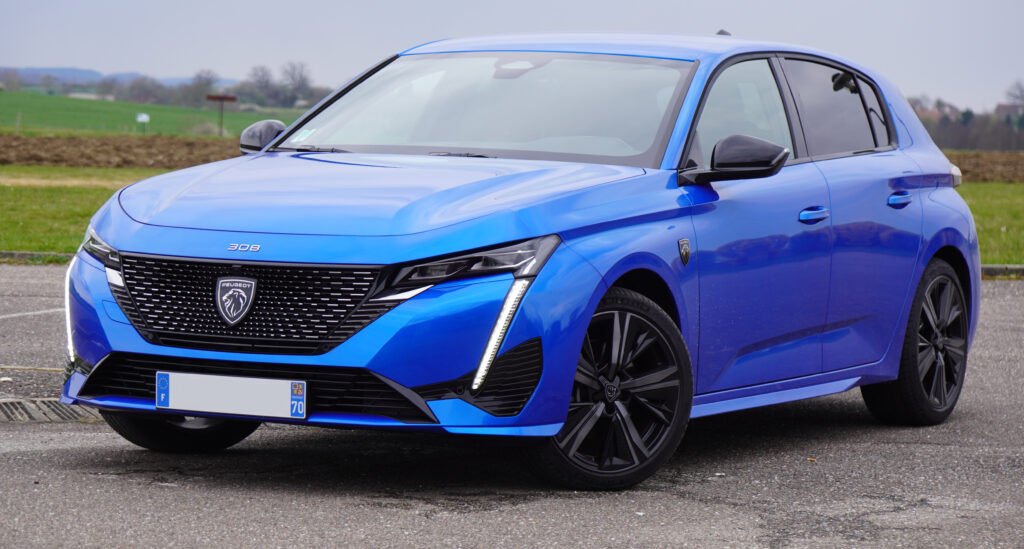
When the Peugeot 308 clutch pedal not returning becomes your reality, it feels like the car is holding its breath—and refusing to let go. One second you’re shifting gears smoothly, the next your pedal stays glued to the floor like it’s staging a protest.
We’ve all been there. That sinking feeling. The awkward gear change. The creeping worry that something serious just snapped.
Let’s break it down properly—calmly, clearly, and completely. We’ll explore why your clutch pedal isn’t returning, how serious it is, what it costs to fix, and how to prevent it happening again in your Peugeot 308.
Content in this publication
- Understanding the Peugeot 308 Clutch System
- What Does “Clutch Pedal Not Returning” Actually Mean?
- Main Causes of a Peugeot 308 Clutch Pedal Not Returning
- Peugeot 308 Generations & Clutch Differences
- Is It Safe to Drive If the Clutch Pedal Won’t Return?
- How to Diagnose the Problem at Home
- Typical Repair Costs (UK Estimates)
- When a Full Clutch Replacement Is Necessary
- Common Peugeot 308 Engines & Clutch Stress
- Hydraulic System Explained Simply
- Warning Signs Before Total Failure
- Preventing Clutch Pedal Problems
- DIY vs Professional Repair
- Emergency Temporary Solutions
- How Long Does a Peugeot 308 Clutch Last?
- Final Thoughts: Don’t Ignore a Stuck Clutch Pedal
Understanding the Peugeot 308 Clutch System
Before we panic, we need context.
Your Peugeot 308 uses a hydraulic clutch system in most variants. Instead of cables and springs doing all the work, fluid pressure transfers force from the pedal to the clutch mechanism.
When you press the pedal:
- The clutch master cylinder activates
- Hydraulic fluid moves through a line
- The slave cylinder engages the clutch
- The clutch disengages the engine from the gearbox
When you release the pedal, hydraulic pressure reverses and the pedal should return smoothly.
If it doesn’t? Something in that chain has failed.
What Does “Clutch Pedal Not Returning” Actually Mean?
Let’s define it clearly.
You may notice:
- Pedal stuck to the floor
- Pedal slow to return
- Pedal feels spongy
- Gear changes impossible
- Grinding noises when shifting
Sometimes it returns halfway. Sometimes it stays down completely.
And yes—sometimes you have to hook it up with your foot like you’re fishing for a lost sock.
Main Causes of a Peugeot 308 Clutch Pedal Not Returning
Now we’re getting to the heart of it.
1. Faulty Clutch Master Cylinder
The clutch master cylinder is the brain of the hydraulic system. If internal seals fail, pressure won’t build properly.
Signs:
- Fluid leaks under dashboard
- Soft or sinking pedal
- Inconsistent clutch feel
When this part fails, the pedal may not return because there’s simply no hydraulic force pushing it back.
2. Failing Clutch Slave Cylinder
The slave cylinder sits at the transmission end. In many 308 models, it’s a concentric slave cylinder (CSC) integrated with the release bearing.
If it leaks or jams:
- Pedal drops and stays down
- Fluid level drops
- Clutch fails suddenly
This is one of the most common reasons for a clutch pedal not returning.
3. Low or Leaking Clutch Fluid
In many Peugeot 308 models, the clutch shares fluid with the brake system.
Low fluid means:
- Insufficient pressure
- Pedal collapse
- Difficulty engaging gears
Fluid loss usually signals a leak somewhere in the system.
4. Clutch Release Bearing Failure
If the release bearing seizes, it can prevent smooth clutch disengagement.
You may hear:
- Whining noise when pressing clutch
- Grinding when shifting
- Vibrations in pedal
If ignored, this turns into a full clutch replacement job.
You may be interested in reading Peugeot 308 Key Not Detected: Causes, Fixes, and Smart Solutions
5. Broken Clutch Pedal Spring
Inside the pedal assembly is a return spring.
If it snaps:
- Pedal stays down
- No resistance when lifting
- System otherwise functional
This is the simplest—and cheapest—fix on this list.
Peugeot 308 Generations & Clutch Differences
Different generations may experience slightly different issues.
Mk1 (2007–2013)
- More traditional hydraulic setup
- External slave cylinder common
Mk2 (2013–2021)
- Concentric slave cylinder common
- Shared brake/clutch reservoir
Mk3 (2021–Present)
- Improved hydraulic systems
- Electronic driver aids complicate diagnosis
The symptom is the same. The fix may differ.
Is It Safe to Drive If the Clutch Pedal Won’t Return?
Short answer? No.
Long answer? Definitely not.
If the clutch won’t disengage properly:
- You can’t change gears safely
- You risk gearbox damage
- You could stall in traffic
Driving like this is like running a marathon with a torn shoelace. Eventually, something worse happens.
How to Diagnose the Problem at Home
Let’s approach this logically.
Step 1: Check Fluid Level
- Open bonnet
- Locate brake/clutch reservoir
- Ensure fluid is between MIN and MAX
Step 2: Pump the Pedal
- Does it build pressure?
- Does it slowly sink?
Step 3: Look for Leaks
- Under dashboard (master cylinder)
- Under gearbox (slave cylinder)
- Around hydraulic lines
Step 4: Listen for Noise
- Grinding
- Whining
- Squeaking
These clues narrow down the culprit quickly.
Typical Repair Costs (UK Estimates)
Let’s talk numbers.
| Repair Type | Estimated Cost |
|---|---|
| Pedal Spring Replacement | £80–£150 |
| Master Cylinder Replacement | £250–£450 |
| Slave Cylinder Replacement | £400–£700 |
| Full Clutch Replacement | £600–£1,200 |
Costs depend on engine type and labor rates.
Diesel variants like the 1.6 HDi often sit at the higher end due to labor complexity.
When a Full Clutch Replacement Is Necessary
If the clutch disc, pressure plate, or release bearing are worn, partial repairs won’t solve the issue.
Signs you need a full replacement:
- Slipping clutch
- Burning smell
- High bite point
- Mileage above 100,000 miles
Sometimes the pedal staying down is just the final warning.
Common Peugeot 308 Engines & Clutch Stress
Some engines stress the clutch more:
- 1.6 HDi (high torque diesel)
- 1.2 PureTech (turbo petrol strain)
- 2.0 BlueHDi (strong torque delivery)
High torque equals more clutch wear over time.
Hydraulic System Explained Simply
Think of your clutch like a syringe.
Press pedal → Fluid pushes
Release pedal → Fluid returns
If air enters the system or fluid leaks, pressure disappears.
No pressure = no return.
Bleeding the system may fix minor issues, but it won’t solve mechanical failure.
Warning Signs Before Total Failure
Watch for these early symptoms:
You may be interested in readingPeugeot 308 Key Not Detected: Causes, Fixes, and Smart SolutionsYou may be interested in reading
 Peugeot 308 Not Starting: Complete Troubleshooting Guide
- Pedal feels softer than usual
- Engagement point changes
- Fluid slowly dropping
- Occasional gear crunch
These whispers become shouts if ignored.
Preventing Clutch Pedal Problems
We can reduce risk with smart habits:
- Avoid resting foot on clutch
- Replace fluid every 2–3 years
- Fix leaks immediately
- Avoid aggressive launches
Clutches hate abuse.
Drive smoothly, and they’ll reward you with longevity.
DIY vs Professional Repair
Be honest with yourself.
Replacing a pedal spring? DIY possible.
Replacing a concentric slave cylinder? Gearbox removal required.
Unless you have:
- Proper tools
- Lift access
- Experience
Professional repair is safer.
Emergency Temporary Solutions
If stranded:
- Manually lift pedal (temporary only)
- Pump pedal repeatedly
- Shift gears without clutch (advanced skill, not recommended)
These are emergency-only tactics. Get the car recovered if possible.
How Long Does a Peugeot 308 Clutch Last?
Average lifespan:
- 60,000–120,000 miles
Depends on:
- Driving style
- Traffic conditions
- Engine torque
City driving shortens clutch life dramatically.
Final Thoughts: Don’t Ignore a Stuck Clutch Pedal
A Peugeot 308 clutch pedal not returning isn’t just an inconvenience. It’s a mechanical message.
Your car is telling you:
“Something’s wrong. Fix me now.”
Sometimes it’s a small spring. Sometimes it’s a full hydraulic failure. But the earlier we act, the cheaper—and safer—the outcome.
Ignoring it turns a £200 job into a £1,000 nightmare.
Act quickly. Diagnose calmly. Repair properly.
Your gearbox will thank you.
FAQs
1. Can I drive my Peugeot 308 if the clutch pedal stays down?
No. It’s unsafe and may damage the gearbox.
2. How do I know if it’s the master or slave cylinder?
Leaks under dashboard suggest master. Leaks near gearbox suggest slave.
3. Is clutch fluid the same as brake fluid?
In most Peugeot 308 models, yes—it shares the reservoir.
4. Why did my clutch suddenly fail without warning?
Hydraulic failures can happen quickly if seals rupture.
Peugeot 308 Key Not Detected: Causes, Fixes, and Smart SolutionsYou may be interested in reading
Peugeot 308 Not Starting: Complete Troubleshooting GuideYou may be interested in reading
 Peugeot 308 Mirrors Not Folding: Causes, Fixes & DIY Solutions
5. How long does a clutch replacement take?
Typically 4–8 hours depending on engine and workshop.
If you want to know other articles similar to Peugeot 308 Clutch Pedal Not Returning: Causes, Fixes & Costs you can visit the category Common Problems.
Hyundai i30 Juddering When Accelerating: Causes, Fixes, and Real-World Solutions
Hyundai i30 ESP Off Light Stays On: Causes, Fixes, and Real-World Solutions
Hyundai i30 Passenger Door Won’t Open: Causes, Fixes, and Smart Solutions
Hyundai i30 Door Lock Problems: Causes, Fixes, and Real-World Solutions
Hyundai i30 Steering Knock: Causes, Fixes, and What It Really Means
Hyundai i30 Common Problems: The Real Owner’s Guide We Wish We Had
Leave a Reply
More content of your interest