

Dacia Duster Handbrake Adjustment — The Complete Practical Guide

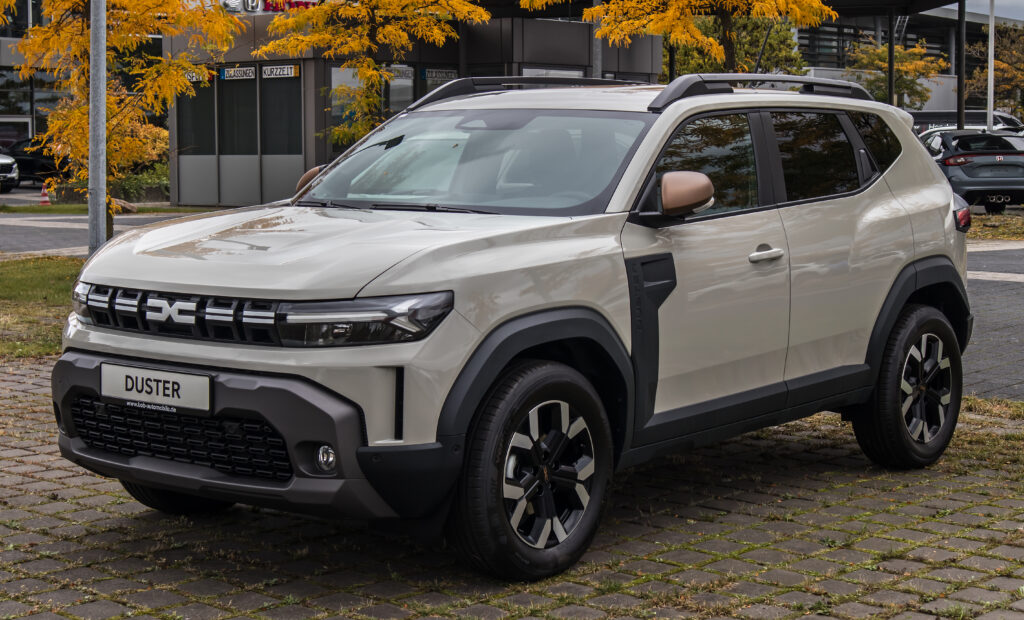
There’s a special kind of annoyance only drivers understand: you park, pull the handbrake, step out… and the car creeps.
Not dramatically. Not dangerously. Just enough to whisper, “you should probably fix that.”
If you own a Dacia Duster, sooner or later you’ll notice the handbrake travel getting longer — the lever climbs higher, the bite feels weaker, and parking on hills becomes a mental math exercise.
The good news?
We can fix it.
And no, you don’t need to be a mechanic — just patient, curious, and mildly stubborn (the same personality type that buys a Duster in the first place).
Let’s walk through everything: symptoms, causes, adjustment methods, mistakes to avoid, and how to make the fix last.
Content in this publication
- Why the Handbrake Needs Adjustment Over Time
- Symptoms Your Duster Handbrake Needs Adjustment
- How the Dacia Duster Parking Brake Works
- Tools You’ll Need
- Safety First — Don’t Skip This
- Where the Handbrake Adjustment Is Located
- Method 1 — Quick Cable Adjustment (The Fast Fix)
- Method 2 — Proper Rear Brake Shoe Adjustment (The Real Fix)
- Balancing Both Sides
- Final Cable Tension Setting
- Testing the Repair
- Why Handbrake Adjustment Often Fails Again
- Lubrication Points You Should Service
- When the Cable Must Be Replaced
- How Often Should You Adjust It?
- Common Mistakes to Avoid
- Pro Tips From Experience
- Why the Duster Handbrake Feels Weak Compared to Other SUVs
- Maintenance Habits That Prevent Future Adjustment
- Conclusion — A Small Fix With Big Confidence
- FAQs
Why the Handbrake Needs Adjustment Over Time
Mechanical parking brakes rely on tension — not magic.
Inside your Duster, a cable pulls brake shoes (or rear calipers depending on version) against the wheel to stop movement.
Every pull stretches the cable a microscopic amount.
Every brake application wears friction material.
Eventually the gap increases → the lever travels farther → holding force decreases.
What Actually Changes
- Cable elongation
- Brake shoe wear
- Self-adjuster tolerance drift
- Rear disc/pad clearance expansion
- Temperature cycling metal fatigue
Think of it like shoelaces: tie them daily, they slowly loosen permanently.
Symptoms Your Duster Handbrake Needs Adjustment
The Classic Signs
- Lever pulls above 6–8 clicks
- Car rolls on incline
- One rear wheel holds stronger than the other
- Handbrake warning light triggers early
- Rear brakes pass MOT but barely
Subtle Clues Many Drivers Miss
- Car “settles” after parking
- Clicking sound from rear after stopping
- Slight jerk when shifting from Park/gear
- Brake smell after parking downhill
If any two of these happen, adjustment time has arrived.
How the Dacia Duster Parking Brake Works
Before touching tools, understanding the system prevents mistakes.
Rear Drum Brake Version
Older and 4x2 variants:
- Lever pulls cable
- Cable expands shoes inside drum
- Shoes lock drum rotation
Rear Disc With Internal Drum (Most Modern Dusters)
More common setup:
- Disc brakes for driving
- Mini drum inside disc for parking
- Cable activates internal shoes
This matters because adjustment happens in two places, not one.
Tools You’ll Need
We’re keeping it simple — nothing exotic.
Essential Tools
- Jack and axle stands
- Wheel chocks
- 10mm and 13mm socket
- Flat screwdriver
- Torx set
- Flashlight
- Gloves
Helpful Extras
- Brake cleaner
- Copper grease
- Torque wrench
- Small mirror (surprisingly useful)
Safety First — Don’t Skip This
Working on brakes without safety is how people end up on YouTube compilations.
Before starting:
- Park on flat ground
- Leave gearbox in gear
- Chock front wheels
- Release handbrake completely
- Lift rear axle only
- Support with stands (never just a jack)
Now we can work like civilized humans instead of gamblers.
Where the Handbrake Adjustment Is Located
Many people think it’s only under the car.
Actually, the Duster has a primary adjustment inside the cabin.
Accessing the Adjuster Nut
- Remove rear cup holder trim
- Lift center console rear section
- Locate cable equalizer
- Find the 10mm adjustment nut
You’ve just discovered the simplest fix — but not always the correct one.
Method 1 — Quick Cable Adjustment (The Fast Fix)
This restores tension when wear is minimal.
Step-by-Step
- Fully release handbrake
- Turn adjuster nut clockwise
- Pull lever to test
- Aim for 4–6 clicks
- Ensure wheels spin freely when released
Correct Result
- Firm at 5 clicks
- Wheels free at 0 clicks
- Both sides equal resistance
Common Mistake
Overtightening = dragging brakes = overheating = new problems.
We adjust, not strangle.
Method 2 — Proper Rear Brake Shoe Adjustment (The Real Fix)
If cable adjustment alone works, great.
If not, the shoes inside the rear discs need setting.
This is the step most tutorials skip — and why the issue returns.
Removing Rear Wheels
- Loosen bolts slightly
- Lift vehicle
- Remove wheels
- Inspect disc/drum surface
Accessing the Internal Adjuster
On the Duster there’s a small rubber plug on the rear hub.
Remove it and rotate the wheel while inserting a screwdriver.
You’ll feel a star wheel adjuster.
Adjusting the Shoes
Turn the adjuster until:
- Wheel locks completely
- Then back off 5–7 clicks
We want near contact — not friction.
Balancing Both Sides
Uneven parking brakes cause:
- Pulling during parking
- MOT imbalance failure
- Rear brake overheating
Balance Procedure
- Adjust left
- Adjust right
- Apply handbrake 5 times
- Recheck both wheels
Symmetry matters more than tightness.
Final Cable Tension Setting
After shoe adjustment, return to cabin.
Now perform the cable adjustment again — but lightly.
Ideal Result
- 4–5 clicks
- Equal hold
- No drag when released
You’ve now completed a true adjustment, not a temporary patch.
Testing the Repair
Time to challenge it.
The Hill Test
Find a moderate incline:
- Neutral gear
- Release foot brake
- Car must not move
The Spin Test
Lift rear wheels:
- Rotate freely released
- Lock evenly engaged
The Heat Test
Drive 5 minutes, stop, touch wheels carefully:
- Warm is OK
- Hot = overadjusted
Why Handbrake Adjustment Often Fails Again
Because the real issue wasn’t adjustment — it was wear.
- Rust lip inside drum
- Sticking shoe pivots
- Weak return springs
- Corroded cables
- Seized equalizer
Adjustment masks symptoms; maintenance cures disease.
Lubrication Points You Should Service
A 2-minute lubrication doubles lifespan.
Apply light grease to:
- Cable ends
- Shoe pivot points
- Equalizer bracket
- Lever pivot
Never grease friction surfaces — unless you enjoy replacing parts.
When the Cable Must Be Replaced
Adjustment reaches its limit eventually.
Replace the Cable If:
- Lever above 10 clicks after adjustment
- Uneven holding force persists
- Cable sheath cracked
- Rust flakes visible
- Handbrake sticks in winter
A stretched cable cannot be “tightened back into youth.”
How Often Should You Adjust It?
There’s no official schedule — but real-world experience helps.
Recommended Intervals
- Every 20,000 km inspection
- After rear brake replacement
- After winter season
- Before annual inspection
Preventive adjustment takes 10 minutes. Corrective repair takes hours.
Common Mistakes to Avoid
Let’s save future frustration.
The Big Errors
- Adjusting cable without shoes
- Tightening until wheels drag
- Ignoring one side
- Skipping lubrication
- Testing only on flat ground
A parking brake isn’t “tight enough when it feels tight” — it’s correct when mechanically balanced.
Pro Tips From Experience
Small tricks make a big difference.
- Always pump foot brake before adjusting
- Rotate wheels forward while adjusting shoes
- Adjust at room temperature if possible
- Recheck after first drive
Metal expands — your adjustment changes slightly after driving.
Why the Duster Handbrake Feels Weak Compared to Other SUVs
The Duster prioritizes durability over aggressiveness.
The parking brake is designed to hold, not anchor.
Meaning:
It’s normal to feel softer than German SUVs — but it should never roll.
Maintenance Habits That Prevent Future Adjustment
Change how you park, change how often you repair.
Better Habits
- Leave in gear after parking
- Don’t yank lever aggressively
- Avoid holding car on handbrake in traffic
- Wash underbody after winter
- Engage brake once weekly if unused
Cables like movement. Neglect kills them.
Conclusion — A Small Fix With Big Confidence
The handbrake isn’t glamorous.
No horsepower, no comfort, no tech features.
But it’s the difference between trusting your car… and watching it slowly roll away while you whisper please stop.
The Dacia Duster’s parking brake system is simple, durable, and forgiving — as long as we adjust it correctly:
shoes first, cable second, balance always.
Once done properly, the fix lasts years — not weeks.
And the next time you park on a hill?
You’ll step out without looking back twice.
FAQs
1. How many clicks should a Dacia Duster handbrake have?
Ideally 4 to 6 clicks. More means cable stretch or shoe wear.
2. Can I adjust only the cable?
You can, but it’s temporary. Proper adjustment requires setting rear shoes first.
3. Why does my handbrake loosen again after a week?
Internal drum shoes are out of adjustment or return springs are weak.
4. Is it safe to drive with a weak handbrake?
Driving — yes. Parking on slopes — no. Always repair soon.
5. How long does adjustment take?
Quick cable tweak: 10 minutes. Full correct adjustment: about 45–60 minutes.
If you want to know other articles similar to Dacia Duster Handbrake Adjustment — The Complete Practical Guide you can visit the category Service and Parts.
Volvo S90 Engine Oil: Type, Capacity & Change Guide
Volvo S90 Boot Space: Size, Capacity and Practicality
SEO Title: Volvo S90 Oil Capacity: Complete Guide by Engine

Kia Sorento Oil Type: Complete Guide by Year & Engine
Kia Sorento Engine Capacity: Complete Guide by Year
Peugeot 308 Clutch Replacement Cost: Complete UK Guide for 2026
Leave a Reply
More content of your interest