
Dacia Duster Battery Replacement — Complete Owner’s Guide

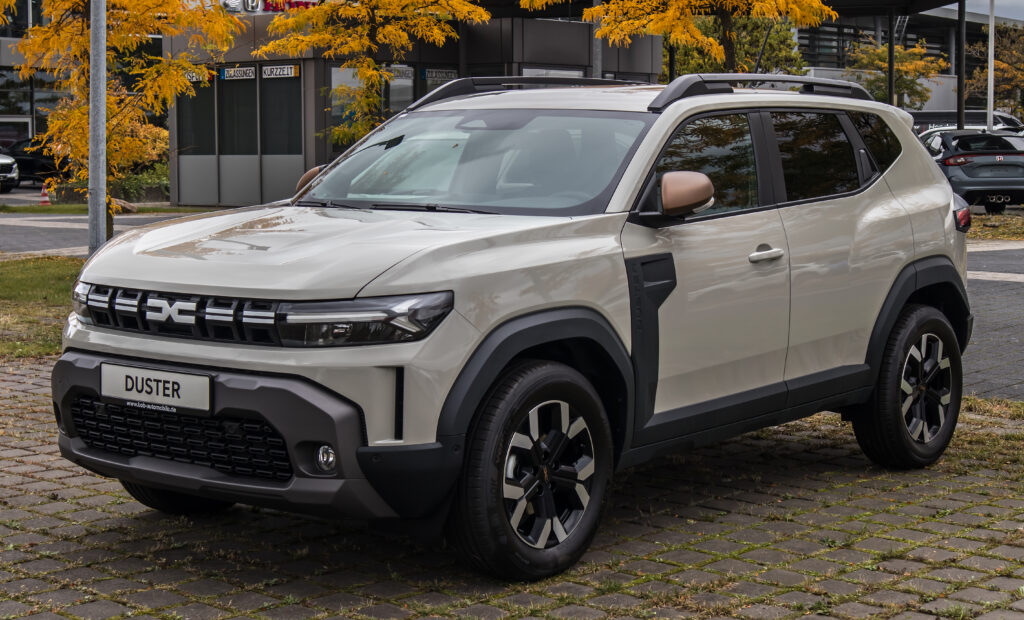
We’ve all been there. You walk toward your Dacia Duster on a cold morning, press the key fob… and nothing. Silence. No crank. No click. Just the emotional equivalent of a shrug.
Nine times out of ten, that moment points to one humble component: the battery.
In this guide we’re going to walk together — step by step — through everything about replacing a Dacia Duster battery. Not just the how, but the why, the when, the mistakes to avoid, and the small details most guides ignore but owners actually care about.
Think of this as the difference between a checklist… and real experience.
Content in this publication
- Why the Battery Matters More Than You Think
- Average Battery Lifespan in a Dacia Duster
- Which Battery Does the Dacia Duster Use?
- AGM vs EFB vs Standard — What’s the Difference?
- Where the Battery Is Located
- Tools You’ll Need Before Starting
- Before You Disconnect — Protect the Electronics
- Step-by-Step Dacia Duster Battery Replacement
- First Start After Replacement
- Common Mistakes Owners Make
- Battery Coding — Is It Needed?
- How Much Does Replacement Cost?
- How to Make Your New Battery Last Longer
- Signs Your New Battery Isn’t Charging Properly
- Testing Your Battery at Home
- Eco Mode & Stop/Start After Replacement
- Winter vs Summer Battery Behavior
- Closing Thoughts
- FAQs
Why the Battery Matters More Than You Think
Modern cars don’t just “start”. They boot up.
Your Duster is essentially a rolling computer network:
- Engine ECU
- ABS module
- Infotainment
- Steering assist
- Immobilizer
- TPMS sensors
- Stop/Start system (on newer models)
And the battery powers all of them simultaneously before the engine even turns.
So when the battery weakens, strange things begin happening — not just starting issues.
Common Symptoms Before Total Failure
If you notice these early, you’ll avoid being stranded:
- Slower engine crank
- Radio resetting randomly
- Stop/Start not activating
- Warning lights appearing briefly
- Central locking hesitation
- Dashboard flickering at ignition
The Duster doesn’t scream “battery dying”.
It whispers first.
Average Battery Lifespan in a Dacia Duster
Typical Range
| Driving Conditions | Expected Lifespan |
|---|---|
| Warm climate, daily driving | 4 – 6 years |
| Mixed urban use | 3 – 5 years |
| Cold climate / short trips | 2 – 4 years |
The biggest killer?
Not mileage — short journeys.
Every start consumes more power than a 15-minute drive replaces.
Which Battery Does the Dacia Duster Use?
Different engines and generations use different batteries, but most follow a pattern.
Standard Petrol Models
- 60Ah – 70Ah
- 540–640 CCA
Diesel Engines
- 70Ah – 80Ah
- 680–760 CCA
Stop/Start Versions
- AGM or EFB battery required
- Never install a normal battery here
Installing a standard battery in a Stop/Start Duster works… for about two weeks. Then electrical chaos begins.
AGM vs EFB vs Standard — What’s the Difference?
Standard Lead-Acid
Cheap, reliable, old school.
EFB (Enhanced Flooded Battery)
Better cycling tolerance — designed for Stop/Start systems.
AGM (Absorbent Glass Mat)
High performance, deep discharge resistant, fast recharge.
Rule of Thumb
Always replace with the same type or upgrade — never downgrade.
Where the Battery Is Located
Open the bonnet and you’ll find it on the left side near the bulkhead, protected by a plastic cover.
Simple — but space is tight.
And that’s where people make mistakes.
Tools You’ll Need Before Starting
Essential Tools
- 10mm socket
- 13mm socket
- Extension bar
- Flat screwdriver
- Gloves
- Memory saver (optional but recommended)
Helpful Extras
- Wire brush
- Battery terminal grease
- Multimeter
Preparation saves frustration. We promise.
Before You Disconnect — Protect the Electronics
Modern Dusters store adaptive values in multiple modules.
Disconnecting power resets:
- Clock
- Radio presets
- Auto window limits
- Throttle learning
- Fuel trims
How to Prevent It
Use a 12V memory saver via OBD port.
If you don’t — not a disaster.
But expect minor recalibration afterward.
Step-by-Step Dacia Duster Battery Replacement
Let’s get practical.
Step 1 — Turn Everything Off
Ignition off. Key out. Doors closed. Wait 5 minutes.
You may be interested in reading Dacia Duster Interior Dimensions: Space, Comfort, and Real-World Practicality
We want modules asleep before cutting power.
Step 2 — Remove the Cover
Unclip the plastic housing carefully.
Don’t force it — the clips break easily.
Step 3 — Disconnect Negative Terminal First
This matters.
Always disconnect:
- Negative (-)
- Positive (+)
Why?
Because touching metal while loosening positive won’t short the car.
Step 4 — Remove the Battery Clamp
At the base you’ll find a 13mm bolt holding a retaining bracket.
This is the part many guides skip — and why batteries feel “stuck”.
Remove it completely.
Step 5 — Lift the Battery Out
It’s heavy. Around 17–22 kg.
Lift straight up — no tilting.
Tilting can leak acid in older batteries.
Step 6 — Clean the Terminals
Before installing the new one:
- Brush corrosion
- Inspect cables
- Check ground connection
Bad terminals kill new batteries prematurely.
Step 7 — Install the New Battery
Reverse process:
- Position battery
- Install clamp
- Connect positive
- Connect negative
Order matters again.
First Start After Replacement
Expect a slightly longer crank.
The ECU is relearning fuel trims.
Then perform:
- Turn steering full left/right
- Drive for 10 minutes
- Let engine idle 3 minutes
This recalibrates sensors.
Common Mistakes Owners Make
1. Installing Wrong Capacity
Too small = charging stress
Too large = alternator overload (rare but possible)
2. Ignoring Stop/Start Battery Type
Most electrical issues after replacement come from this.
3. Not Securing the Clamp
Loose battery damages:
- wiring
- ECU
- ABS module
Yes — vibration can cost hundreds.
4. Reversing Terminals
One second mistake = blown fuses + modules.
Double-check before tightening.
Battery Coding — Is It Needed?
Good news:
Most Dacia Dusters do NOT require battery coding.
However, Stop/Start versions benefit from reset via OBD scanner to optimize charging strategy.
Not mandatory — but ideal.
You may be interested in readingDacia Duster Interior Dimensions: Space, Comfort, and Real-World PracticalityYou may be interested in reading
 Dacia Duster Traction Control Light On — What It Really Means and How We Fix It
How Much Does Replacement Cost?
Battery Price
| Type | Cost Range |
|---|---|
| Standard | Low |
| EFB | Medium |
| AGM | High |
Garage Labor
Usually inexpensive — it’s a quick job.
Doing it yourself saves money but more importantly… teaches you your car.
How to Make Your New Battery Last Longer
Habits That Extend Life
- Weekly longer drives
- Avoid constant short trips
- Keep terminals clean
- Turn off accessories before shutdown
Habits That Kill Batteries
- Dashcams wired permanently
- Phone chargers always plugged
- Leaving car unused for weeks
Cars hate inactivity.
Signs Your New Battery Isn’t Charging Properly
Sometimes the battery isn’t the real problem.
Watch for:
- Battery warning light
- Dim lights while driving
- Burning smell near alternator
- Voltage under 13.5V running
That means alternator issues — not battery.
Testing Your Battery at Home
Using a multimeter:
Engine Off
12.6V = perfect
12.2V = weak
<12V = failing
Engine Running
13.7–14.7V = normal
Below 13.5V = charging fault
Simple numbers. Powerful diagnosis.
Eco Mode & Stop/Start After Replacement
After a new battery:
Stop/Start may remain disabled for days.
That’s intentional — the system verifies battery health first.
Drive normally.
It will return.
Winter vs Summer Battery Behavior
Cold doesn’t kill batteries — it exposes weakness.
Heat actually ages them faster.
So when winter kills your battery… summer already did the damage.
Closing Thoughts
Replacing the battery in a Dacia Duster isn’t just maintenance — it’s preventative reliability.
We often think of the battery as a small component.
In reality, it’s the foundation of every electronic system in the car.
Do it right once, and you’ll forget about it for years.
Rush it… and you’ll chase electrical ghosts.
Take your time, match the correct type, tighten everything properly, and your Duster will reward you with something priceless: dependable mornings.
FAQs
1. Do I need to reset anything after replacing the battery?
Usually just clock and windows. Drive briefly and systems recalibrate automatically.
2. Can I use a higher Ah battery?
Slightly higher is fine. Extremely higher isn’t recommended.
3. Why did my Stop/Start stop working after replacement?
Wrong battery type or system relearning cycle.
4. How often should I change the battery?
Typically every 4–5 years depending on usage.
5. Can a weak battery cause warning lights?
Yes — low voltage triggers multiple false warnings.
You may be interested in readingDacia Duster Interior Dimensions: Space, Comfort, and Real-World PracticalityYou may be interested in reading
Dacia Duster Traction Control Light On — What It Really Means and How We Fix ItYou may be interested in reading
 Toyota Corolla Cross Boot Space: Real-World Practicality Explained
If you want to know other articles similar to Dacia Duster Battery Replacement — Complete Owner’s Guide you can visit the category Service and Parts.
Audi A4 Gearbox Oil: Complete Guide to Types, Changes, Levels, and Common Problems
Audi A4 Gearbox Replacement Cost: What Should We Expect to Pay?
Audi A4 Gearbox Service: What It Includes, When to Do It, and Why It Matters
Audi A4 Windscreen Replacement Cost: What Should You Expect to Pay?
Audi A4 Oil Capacity: Complete Guide by Engine and Model
Hyundai Palisade Warning Lights: Complete Dashboard Guide
Leave a Reply
More content of your interest