
Skoda Superb Problems – The Complete Owner’s Reality Guide

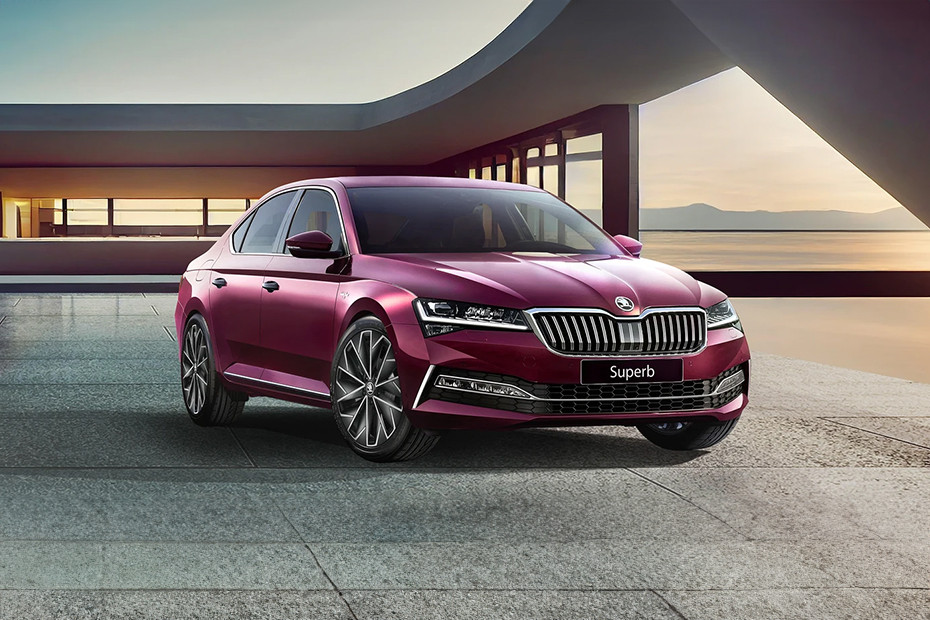
We all love the idea of a big, comfortable saloon that behaves like a luxury car without draining our wallet like a V8 limousine. That’s exactly why the Skoda Superb became such a cult favourite — massive space, understated elegance, and mechanical roots shared with premium German cousins.
But here’s the truth: even the calmest lakes hide currents underneath.
The Superb isn’t unreliable. Not at all. Yet, across its generations, owners consistently report patterns — not catastrophic failures, but recurring quirks. And those quirks matter because they influence maintenance cost, ownership satisfaction, and resale value.
So let’s break it down properly — not just listing issues, but explaining why they happen, when they happen, and whether they should scare you away.
Content in this publication
- Understanding Why the Superb Has Specific Weak Points
- Engine Problems (Most Discussed by Owners)
- Turbocharger Issues
- DSG Gearbox Problems
- Electrical Problems (The Silent Annoyances)
- Suspension & Steering Issues
- DPF (Diesel Particulate Filter) Problems
- Cooling System Weaknesses
- Interior Wear Complaints
- Battery Drain Issues
- Brake System Concerns
- Air Conditioning Failures
- Which Generation Has the Most Problems?
- Mileage Milestones: What Typically Fails When
- Is The Skoda Superb Actually Unreliable?
- Preventative Maintenance Checklist
- Should These Problems Stop You Buying One?
- Final Thoughts
- FAQs
Understanding Why the Superb Has Specific Weak Points
Before diving into faults, we need context.
The Superb shares engineering DNA with Volkswagen Passat and Audi A4/A6 platforms. That means:
- Advanced electronics
- Turbocharged engines
- Dual-clutch gearboxes
- Complex emissions systems
Great for driving. Complicated for ageing.
Most problems aren’t design failures — they’re the natural side effects of modern efficiency engineering pushed toward comfort and economy.
Engine Problems (Most Discussed by Owners)
1. 2.0 TDI EGR Valve Failure
What Happens
The Exhaust Gas Recirculation valve gets clogged with carbon deposits.
Symptoms
- Rough idle
- Loss of power
- Engine management light
- Poor fuel economy
Why It Occurs
Modern diesel engines recycle exhaust gases to reduce NOx emissions. Over time, soot builds up — like cholesterol in arteries.
City driving accelerates it dramatically.
Fix Cost
- Cleaning: Low cost
- Replacement: Moderate
Tip: Regular motorway drives can literally extend the EGR lifespan.
2. Water Pump Leaks (Petrol & Diesel)
A very common issue across VAG group engines.
Warning Signs
- Coolant loss
- Sweet smell
- Overheating in traffic
Plastic pump housings crack due to heat cycling.
Think of it like repeatedly bending a credit card — eventually, it snaps.
3. Timing Chain Rattle (Older TSI Engines)
Particularly early 1.8 and 2.0 TSI engines.
Cold Start Noise?
A metallic rattle for 1–3 seconds means chain tensioner wear.
Ignore it long enough and valves can meet pistons — never a friendly introduction.
Turbocharger Issues
Turbo Actuator Failure
Seen mainly in diesel models with higher mileage.
Symptoms
- Sudden limp mode
- Loss of boost
- Whistling noise
Not the turbo itself — usually the actuator motor.
Good news: cheaper fix than full turbo replacement.
DSG Gearbox Problems
The famous dual-clutch gearbox: brilliant when healthy, frustrating when tired.
Jerky Low-Speed Driving
Most owners describe it the same way:
"Feels like a learner driver using the clutch."
Cause
Clutch pack wear or mechatronic calibration drift.
Mechatronic Unit Failure
The brain controlling shifts.
Warning Signs
- Flashing gear indicator
- Refusing to select gears
- Harsh engagement
When It Happens
Typically between 70k–120k miles if oil changes are skipped.
Golden rule: DSG oil change every 40k miles. No exceptions.
Electrical Problems (The Silent Annoyances)
Modern Skodas pack more electronics than a small office. Age brings glitches.
Infotainment System Freezing
Especially early touchscreen units.
Typical Behaviour
- Random reboots
- Bluetooth disconnects
- Screen lag
Software updates usually fix it — not hardware failure.
Door Lock Module Failure
The car forgets doors exist.
Signs
- Door won’t lock/unlock
- Alarm triggers randomly
- Interior lights misbehave
Moisture ingress is the villain.
Parking Sensor False Alerts
You’re alone in an empty parking lot — yet the car screams.
Ultrasonic sensors become hypersensitive with dirt or age.
Suspension & Steering Issues
The Superb is designed for comfort — soft components wear faster.
Front Suspension Bush Wear
Symptoms
- Clunk over bumps
- Wandering steering
- Uneven tyre wear
Usually appears after 50k–70k miles.
Rear Shock Absorber Fatigue
Large car + soft damping = heavy workload.
Not dangerous, but ride quality deteriorates gradually — like a mattress losing firmness.
Electric Power Steering Faults
Rare but reported.
Steering suddenly heavy at low speed. Usually software or steering rack motor issue.
DPF (Diesel Particulate Filter) Problems
The most misunderstood diesel problem.
Why It Happens
Short journeys prevent regeneration cycles.
Signs
- DPF warning light
- High fuel consumption
- Engine fan running constantly
Prevention Strategy
Once a week:
Drive 15–20 minutes above 60 mph in 4th or 5th gear.
You’re not speeding — you’re cleaning.
Cooling System Weaknesses
Thermostat Housing Cracks
Plastic again. Heat cycles again.
Coolant leaks appear mysteriously and vanish when engine cools — classic symptom.
Interior Wear Complaints
Not mechanical, but owners notice.
Common Wear Areas
- Driver seat bolsters
- Steering wheel leather
- Door handle coatings peeling
The Superb feels premium but materials age like a well-used office chair.
Battery Drain Issues
Large electrical load + comfort features = parasitic drain.
Causes
- Faulty control modules
- Infotainment not sleeping
- Keyless entry staying active
Often misdiagnosed as a bad battery.
Brake System Concerns
Rear Brake Binding
Electronic handbrake motors stick.
Car feels sluggish, fuel economy drops.
Lubrication during servicing prevents it.
Air Conditioning Failures
AC Compressor Clutch Wear
Symptoms:
- No cold air
- Clicking noise
- AC works intermittently
Usually mileage-related, not a design flaw.
Which Generation Has the Most Problems?
Mk2 (2008–2015)
- Most mechanical issues
- Strong engines but ageing electronics
Mk3 (2015–2023)
- Fewer engine faults
- More electronic glitches
Newer Models
Mostly software-related, rarely mechanical.
Mileage Milestones: What Typically Fails When
| Mileage | Likely Issues |
|---|---|
| 40k | Suspension bushes |
| 60k | Water pump |
| 80k | DSG clutch wear |
| 100k | EGR / DPF |
| 120k | Turbo actuator |
| 150k | Cooling components |
Patterns matter more than isolated complaints.
Is The Skoda Superb Actually Unreliable?
No.
It’s a complex car pretending to be simple.
Compared to luxury rivals:
- Cheaper parts
- Easier repairs
- Similar failure rate
Ownership cost remains low because faults are predictable rather than catastrophic.
Preventative Maintenance Checklist
Follow this and the Superb becomes remarkably dependable:
- DSG oil every 40k miles
- Long drive weekly (diesel)
- Coolant pump inspection yearly
- Software updates
- Suspension inspection at 50k
- Battery test every winter
Maintenance is the difference between love and regret.
Should These Problems Stop You Buying One?
Only if you expect appliance-level simplicity.
The Superb rewards attentive owners. Ignore maintenance and it complains; care for it and it cruises effortlessly across continents.
It’s less like a fridge and more like a well-bred dog — loyal, comfortable, occasionally needy.
Final Thoughts
The Skoda Superb doesn’t suffer from fatal flaws — it suffers from modernity.
Efficiency tech, comfort electronics, emissions hardware: all brilliant when maintained, annoying when neglected.
The biggest mistake buyers make is expecting a big executive car with small-car servicing habits.
Treat it properly and it becomes one of the most satisfying long-distance cars you can own.
Ignore it and small issues stack like dominoes.
And that — more than any specific failure — defines the Superb ownership experience.
FAQs
1. Are Skoda Superb engines reliable?
Yes. Both TSI petrol and TDI diesel engines are strong if serviced properly. Most issues relate to emissions components rather than internal engine failure.
2. How long does a DSG gearbox last?
Typically 150k+ miles if serviced every 40k miles. Neglecting oil changes drastically shortens lifespan.
3. What is the most common Skoda Superb problem?
EGR and DPF issues on diesel models due to short journeys.
4. Is the Skoda Superb expensive to maintain?
No. It’s cheaper than equivalent executive cars because parts are shared with mainstream VW models.
5. Should I buy a high mileage Superb?
Yes — if it has service history. These cars tolerate mileage better than neglect.
If you want to know other articles similar to Skoda Superb Problems – The Complete Owner’s Reality Guide you can visit the category Common Problems.
Volvo S90 Common Problems: Reliability & Repair Guide
Volvo S90 No Sound: Causes, Fixes and Solutions

Nissan Rogue Smells Like Gas: Causes and Fixes
Vauxhall Agila Problems: Common Faults & Fixes

Kia Sorento Jerking When Accelerating: Causes & Fixes

Jaguar F-Pace Low Battery: Causes, Warning Signs, and How to Fix It
Leave a Reply
More content of your interest