
Škoda Superb Generations: The Complete Evolution From Underdog to Executive Benchmark

There’s a certain kind of car buyer who doesn’t chase badges — they chase logic.
And if you’ve ever met one, chances are they eventually bought a Škoda Superb.
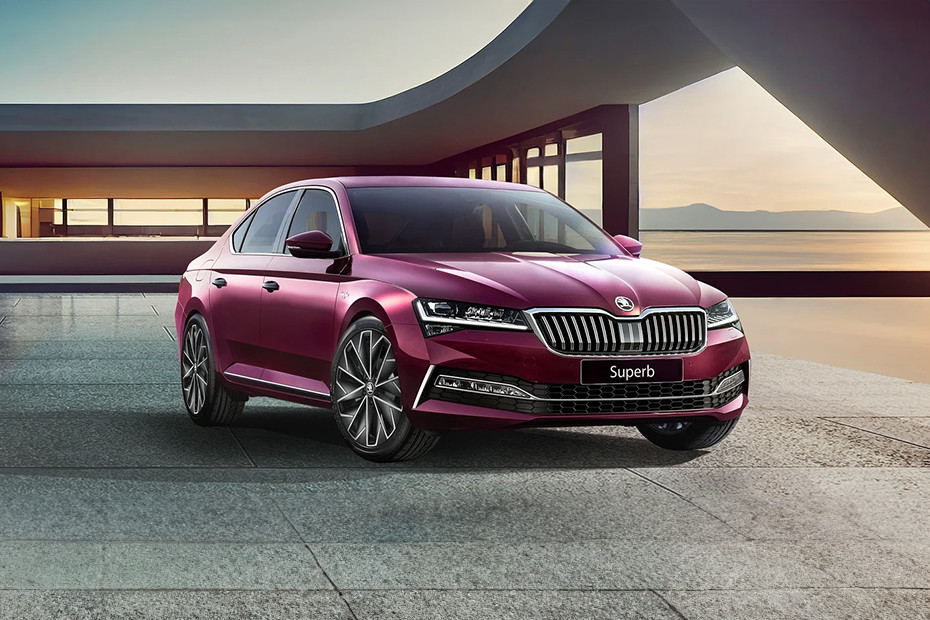
Over the past two decades, the Superb quietly climbed from obscure executive alternative to one of Europe’s smartest large cars. Not by shouting, not by pretending to be sporty, and definitely not by copying luxury brands — but by improving, generation after generation, like a product designed by engineers instead of marketers.
Let’s walk through that journey. Not just dates and specs, but personality. Because every generation of the Superb feels like a different character in the same story.
Content in this publication
- The Idea Behind the Superb
- Generation Overview
- First Generation (2001–2008): The Comfort Experiment
- Second Generation (2008–2015): The Practical Revolution
- Third Generation (2015–2023): The Breakthrough
- Fourth Generation (2023–Present): The Intelligent Premium Era
- How the Car Changed Over Time
- Why Buyers Keep Choosing the Superb
- Which Generation Makes the Most Sense Today
- The Real Story of the Superb
- FAQs
The Idea Behind the Superb
Before the first modern Superb appeared, Škoda had a problem:
Volkswagen already had the Passat. Audi had the A6. So where could Škoda fit?
The answer was clever — not below, not above… but smarter.
The Superb would offer:
- More interior space than rivals
- Proven Volkswagen engineering
- Lower purchase cost
- Practical solutions nobody expected
It wasn’t supposed to impress neighbors.
It was supposed to impress owners.
Generation Overview
| Generation | Years | Personality |
|---|---|---|
| Mk1 | 2001–2008 | Comfortable outsider |
| Mk2 | 2008–2015 | Practical genius |
| Mk3 | 2015–2023 | Legitimate executive rival |
| Mk4 | 2023–Present | Modern premium alternative |
Each generation didn’t replace the previous one — it refined the philosophy.
First Generation (2001–2008): The Comfort Experiment
The modern Superb arrived almost quietly. It looked like a stretched Volkswagen Passat because… well, it basically was.
But that stretch changed everything.
Rear passengers suddenly had limousine legroom in a normal family car price bracket. Taxi companies noticed first. Then business users. Then families who valued comfort over status.
The design was conservative — tall body, formal grille, diplomatic proportions. It looked like it belonged outside an embassy rather than a shopping mall. And that actually helped it: it felt serious.
The engine lineup came straight from the Volkswagen catalogue:
- 1.8T petrol turbo
- 2.0 petrol
- 2.8 V6
- 1.9 TDI diesel
- 2.5 V6 TDI
The 1.9 TDI became legendary. Slow? Sure. But durable enough to outlive the car.
Driving it felt like floating rather than steering. It wasn’t a driver’s car — it was a long-distance companion. Motorways were its natural habitat.
Strengths:
- Exceptional rear comfort
- Reliable diesel engines
- Low running costs
Weaknesses:
- Outdated platform late in life
- Soft handling
- Limited technology
This generation didn’t create hype.
It created trust.
Second Generation (2008–2015): The Practical Revolution
If the first Superb introduced the idea, the second perfected it.
This was the moment the car stopped being “interesting” and became “clever.”
You may be interested in reading Is Skoda Superb Bigger Than Octavia? The Real-World Size Comparison We Actually Care About
The most famous feature? The TwinDoor.
You could open the boot like a normal saloon…
or lift the entire rear glass like a hatchback.
Two cars in one body. Simple idea. Brilliant execution.
Rear space became absurdly large — passengers genuinely felt like they were in a higher class vehicle. Fleet companies adopted it immediately.
Design became sharper and more modern. It no longer looked like a stretched car — it looked intentionally large.
Engine options expanded massively:
Petrol:
- 1.4 TSI
- 1.8 TSI
- 2.0 TSI
- 3.6 V6 4x4
Diesel:
- 1.6 TDI
- 2.0 TDI
Technology stepped up too:
- Adaptive xenon headlights
- DSG automatic gearboxes
- Parking assist
- Dual-zone climate
Driving improved dramatically. Still comfortable, but stable at speed — a true motorway cruiser.
Why this generation mattered:
People began recommending it over premium brands without irony.
Third Generation (2015–2023): The Breakthrough
This is where the Superb stopped being a smart alternative and became a genuine competitor.
Built on the Volkswagen MQB platform, the car lost weight, gained rigidity, and became more refined. Yet somehow it also gained interior space again — almost comically so.
Design changed completely: sharp lines, wider stance, crystalline headlights. For the first time, it looked expensive rather than sensible.
Inside, quality jumped noticeably:
- Soft-touch dashboard
- Large infotainment screens
- Ambient lighting
- Digital instrument cluster
Technology exploded:
- Adaptive cruise control
- Lane assist
- Autonomous emergency braking
- Smartphone integration
Engines became more efficient and balanced:
- 1.5 TSI petrol
- 2.0 TSI performance variants
- 2.0 TDI diesels
Driving character changed the most. The car still prioritized comfort but now handled confidently. Long journeys felt effortless instead of floaty.
The estate version became hugely popular — massive boot, low fuel costs, high comfort. Many families chose it over SUVs because it simply made more sense.
By now, the Superb had a reputation:
the rational executive car.
Is Skoda Superb Bigger Than Octavia? The Real-World Size Comparison We Actually Care AboutYou may be interested in reading
 Skoda Superb vs Kodiaq — The Real-World Comparison Guide
The latest Superb didn’t try to be sporty. It tried to be calm.
Design matured — minimalist, clean, subtle. Instead of looking bigger, it looks more elegant. Almost Scandinavian in its simplicity.
Inside, technology dominates but usability improves:
- Large digital displays
- Head-up display
- Smart rotary climate controls
- Improved connectivity
Electrification enters the story:
- Mild hybrid petrol
- Plug-in hybrid options
- Efficient diesel for long distances
The driving experience focuses on refinement — quieter cabin, smoother suspension, predictable steering. Less personality, more serenity.
Safety systems now rival premium brands:
- Predictive adaptive cruise control
- Traffic jam assist
- Remote parking
- Advanced collision prevention
The gap between the Superb and luxury cars has never been smaller.
How the Car Changed Over Time
| Aspect | Mk1 | Mk2 | Mk3 | Mk4 |
|---|---|---|---|---|
| Purpose | Comfort | Practicality | Competence | Sophistication |
| Technology | Minimal | Useful | Advanced | Premium |
| Driving | Soft | Stable | Balanced | Refined |
| Image | Unknown | Smart | Respected | Premium alternative |
| Space | Huge | Massive | Cleverly packaged | Spacious luxury |
The pattern is clear: no dramatic reinvention, only continuous refinement.
Why Buyers Keep Choosing the Superb
Because it solves problems instead of creating impressions.
People who buy one usually care about:
- Comfort on long journeys
- Running costs
- Passenger space
- Real-world usability
It’s not emotional in the traditional sense — it’s satisfying in a deeper way.
Which Generation Makes the Most Sense Today
Older budget daily driver → Mk1 or early Mk2
Reliable long-distance commuter → Late Mk2 diesel
Balanced modern used car → Mk3
Technology and comfort → Mk4
Every generation still fits a purpose, which explains why you still see all of them on European roads.
The Real Story of the Superb
The Superb didn’t become successful overnight.
It matured — just like its buyers.
Each generation added confidence:
Comfort → Practicality → Competence → Quiet prestige
And that’s the irony:
By not trying to impress anyone, it eventually impressed everyone.
FAQs
Which Superb generation is best overall?
The third generation offers the best balance of modern technology, reliability, and price.
Is the Superb a luxury car?
Not officially, but the newest models compete closely with entry-level executive sedans.
Why is the second generation so popular?
Its TwinDoor boot and enormous interior space made it uniquely practical.
You may be interested in readingIs Skoda Superb Bigger Than Octavia? The Real-World Size Comparison We Actually Care AboutYou may be interested in reading
Skoda Superb vs Kodiaq — The Real-World Comparison GuideYou may be interested in reading
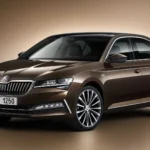 Skoda Superb vs Audi A6 — The Clever Executive vs The Classic Premium
Are diesel Superbs reliable?
Yes — especially the 2.0 TDI engines when serviced correctly.
Does the newest Superb have hybrid technology?
Yes, the latest generation includes plug-in and mild hybrid powertrains.
If you want to know other articles similar to Škoda Superb Generations: The Complete Evolution From Underdog to Executive Benchmark you can visit the category Models.
Nissan Rogue Dark Armor vs Platinum: Which Trim Is Better?

Kia Sorento Models: Complete Guide to Trims, Engines and Versions
BYD Shark 6 vs Ranger vs HiLux: Which Ute Makes the Most Sense in 2026?
BYD Shark 6 vs MG U9: Which Ute Makes More Sense in 2026?
BYD Shark 6 vs Ford Ranger Raptor: Which Performance Ute Is Better in 2026?
BYD Shark 6 vs Kia Tasman: Which Ute Is Better?
Leave a Reply
More content of your interest