
Skoda Superb Engine Options: The Complete Human Guide to Every Powertrain

We’ve all been there — standing in front of a car configurator, coffee in one hand, 27 browser tabs open, trying to understand engine codes that sound like Wi-Fi passwords.
TSI? TDI? DSG? iV? 4x4? 150 PS? 280 PS?
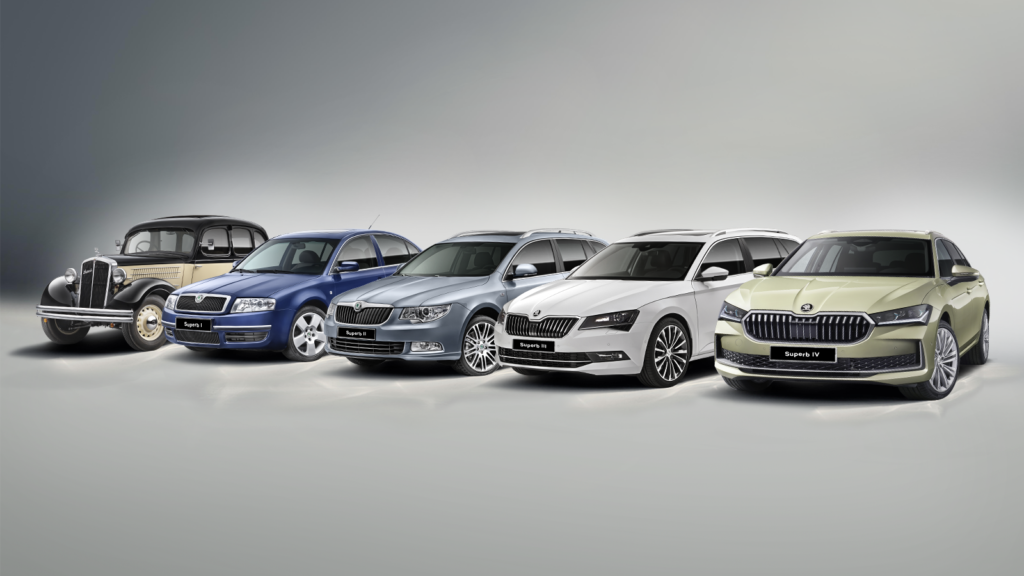
Choosing a Skoda Superb engine can feel less like buying a car and more like assembling IKEA furniture without instructions. But once we break it down, the logic behind the lineup becomes beautifully simple: the Superb isn’t one car — it’s five personalities wearing the same suit.
Today we’ll walk through every engine option, generation differences, real-world driving behavior, reliability considerations, and which one actually makes sense depending on how you live — not how brochures pretend you live.
Content in this publication
- Understanding the Philosophy Behind Superb Engines
- Superb Generations and How Engines Evolved
- Petrol Engines (TSI) — Smoothness First
- Diesel Engines (TDI) — Distance Masters
- Plug-In Hybrid (iV) — The New Era
- Manual vs DSG Gearbox Pairing
- 4x4 System Explained
- Real-World Fuel Economy Comparison
- Reliability Insights by Engine
- Maintenance Cost Expectations
- How Each Engine Feels While Driving
- Choosing Based on Your Lifestyle
- Ownership Personality Types
- Future of Superb Engines
- Final Thoughts — The Secret of the Superb
- FAQs
Understanding the Philosophy Behind Superb Engines
The Superb has always followed one rule:
Comfort first, performance second, efficiency always.
Unlike sporty rivals, it isn’t built to impress your neighbor at traffic lights. It’s built to make 400 km disappear without you noticing.
That’s why the engine lineup ranges from relaxed commuters to stealth performance machines.
Superb Generations and How Engines Evolved
Mk2 (2008–2015): The Comfort Diesel Era
Engines focused on torque and motorway cruising.
- 1.4 TSI — entry petrol
- 1.8 TSI — smooth all-rounder
- 2.0 TSI — fast executive
- 1.6 TDI — efficiency king
- 2.0 TDI — fleet favorite
- 3.6 VR6 — the sleeper monster
Mk3 (2015–2023): The Balanced Age
MQB platform brought lighter weight and smarter turbocharging.
- Smaller engines became stronger
- Diesels became quieter
- Petrol engines became economical
Mk4 (2024+): Electrification Begins
The Superb now focuses on hybrid efficiency while keeping long-distance comfort.
- Plug-in hybrid leads the lineup
- Petrol engines optimized for emissions
- Diesel remains for high-mileage drivers
Petrol Engines (TSI) — Smoothness First
1.5 TSI (150 PS) — The Smart Daily Driver
What It Feels Like
Think of it as a quiet professional — never dramatic, always competent.
- Almost silent at city speeds
- Surprisingly strong at 120 km/h
- Loves DSG gearbox
Best For
- Urban commuters
- Families doing moderate mileage
- Comfort-focused drivers
Real-World Economy
- 6.0–7.0 L/100km mixed
- Up to 5.3 L/100km highway
This engine is the sweet spot. Not loud, not thirsty — just right.
Driving Character
- Effortless overtaking
- Silent cruising at 140 km/h
- Smooth torque delivery
Why It’s Popular
It transforms the Superb from “large car” into “effortless car.”
Economy
- 7–8 L/100km realistic
- Much better than expected
2.0 TSI (280 PS 4x4) — The Gentleman’s Rocket
This is the engine most owners never realize exists.
You press the pedal…
…and the horizon moves closer.
Performance
- 0–100 km/h ~5.5s
- AWD traction
- Quiet acceleration
It’s fast without announcing itself — like a private jet taking off behind tinted windows.
Diesel Engines (TDI) — Distance Masters
1.6 TDI — The Old Fleet Champion
Mostly found in older models.
Good economy, but underpowered for modern expectations.
2.0 TDI 150 PS — The Realistic Choice
If the Superb were a person, this would be its natural voice.
Why It Works
- Massive torque at low RPM
- Effortless motorway cruising
- Incredible range
Real Economy
- 4.5–5.5 L/100km
- 1,100 km per tank possible
2.0 TDI 200 PS — The Autobahn Engine
The diesel equivalent of the 190 petrol.
Quiet. Strong. Efficient.
Perfect for people who drive long distances weekly.
Plug-In Hybrid (iV) — The New Era
1.4 TSI Hybrid (204 PS)
This isn’t about speed — it’s about silence.
Electric Mode
- 50–70 km EV range
- Ideal for daily commuting
- Zero fuel short trips
Hybrid Mode
- Petrol engine assists on highway
- Ultra low consumption
Who It’s For
- City commuters with parking charging
- Company car drivers
- Fuel cost minimizers
Manual vs DSG Gearbox Pairing
Manual Gearbox
- More control
- Slightly cheaper maintenance
- Rare in newer models
DSG Automatic
The Superb was designed for DSG.
- Seamless shifts
- Better fuel economy
- Makes engine feel stronger
Choosing manual in a Superb is like buying noise-canceling headphones and turning the feature off.
4x4 System Explained
Available mainly with:
- 2.0 TDI 200
- 2.0 TSI 280
It’s not an off-roader system — it’s a traction system.
Benefits
- Rain stability
- Winter safety
- Faster acceleration
Downsides
- Slightly higher fuel use
- More maintenance parts
Real-World Fuel Economy Comparison
| Engine | Real Average | Highway Range |
|---|---|---|
| 1.5 TSI | ~6.5 L/100km | ~850 km |
| 2.0 TSI 190 | ~7.5 L/100km | ~800 km |
| 2.0 TSI 280 | ~9 L/100km | ~700 km |
| 2.0 TDI 150 | ~5 L/100km | ~1100 km |
| 2.0 TDI 200 | ~5.5 L/100km | ~1000 km |
| Hybrid iV | ~2–5 L/100km | Depends charging |
Reliability Insights by Engine
Most Reliable Overall
2.0 TDI — proven, long-distance durable
Most Reliable Petrol
1.5 TSI — simple and refined
Most Complex
Plug-in hybrid — more components
Maintenance Cost Expectations
Lowest Running Cost
Diesel high mileage drivers
Lowest Servicing Complexity
1.5 TSI petrol
Highest Repair Cost Risk
Performance AWD versions
How Each Engine Feels While Driving
Calm Cruiser
2.0 TDI 150
Balanced Executive
2.0 TSI 190
Silent City Car
Hybrid iV
Luxury Rocket
2.0 TSI 280
Choosing Based on Your Lifestyle
City Driver
Hybrid or 1.5 TSI
Highway Driver
2.0 TDI 150/200
Mixed Use
2.0 TSI 190
Performance Lover
2.0 TSI 280 4x4
Ownership Personality Types
| Driver Type | Perfect Engine |
|---|---|
| Taxi / High Mileage | 2.0 TDI 150 |
| Family Comfort | 1.5 TSI |
| Long Commute | 2.0 TDI 200 |
| Tech Enthusiast | Hybrid iV |
| Sleeper Performance | 2.0 TSI 280 |
Future of Superb Engines
The trend is clear:
- Less displacement
- More electrification
- Same comfort focus
The Superb will likely remain the last traditional large sedan-wagon hybrid balance before full electrification.
Final Thoughts — The Secret of the Superb
The beauty of the Superb isn’t horsepower.
It’s effortlessness.
Each engine isn’t about speed — it’s about removing friction from daily life. Whether that friction is fuel costs, long drives, city traffic, or overtaking stress.
Choose the engine that makes driving disappear — and the Superb becomes what it was always meant to be: a distance-shrinking machine.
FAQs
1. Which Skoda Superb engine is most reliable?
The 2.0 TDI 150 is generally the most durable and proven over high mileage.
2. Is the plug-in hybrid worth it?
Yes, if you charge daily and drive short trips frequently.
3. Is 1.5 TSI powerful enough?
For normal driving, absolutely. Only heavy overtakers need more.
4. Which engine gives best fuel economy?
Hybrid in city, diesel on highways.
5. What is the fastest Superb engine?
The 2.0 TSI 280 4x4 is the performance flagship.
If you want to know other articles similar to Skoda Superb Engine Options: The Complete Human Guide to Every Powertrain you can visit the category Service and Parts.
Volvo S90 Engine Oil: Type, Capacity & Change Guide
Volvo S90 Boot Space: Size, Capacity and Practicality
SEO Title: Volvo S90 Oil Capacity: Complete Guide by Engine

Kia Sorento Oil Type: Complete Guide by Year & Engine
Kia Sorento Engine Capacity: Complete Guide by Year
Peugeot 308 Clutch Replacement Cost: Complete UK Guide for 2026
Leave a Reply
More content of your interest