

Mazda CX-30 Service Intervals: The Complete Ownership Maintenance Guide

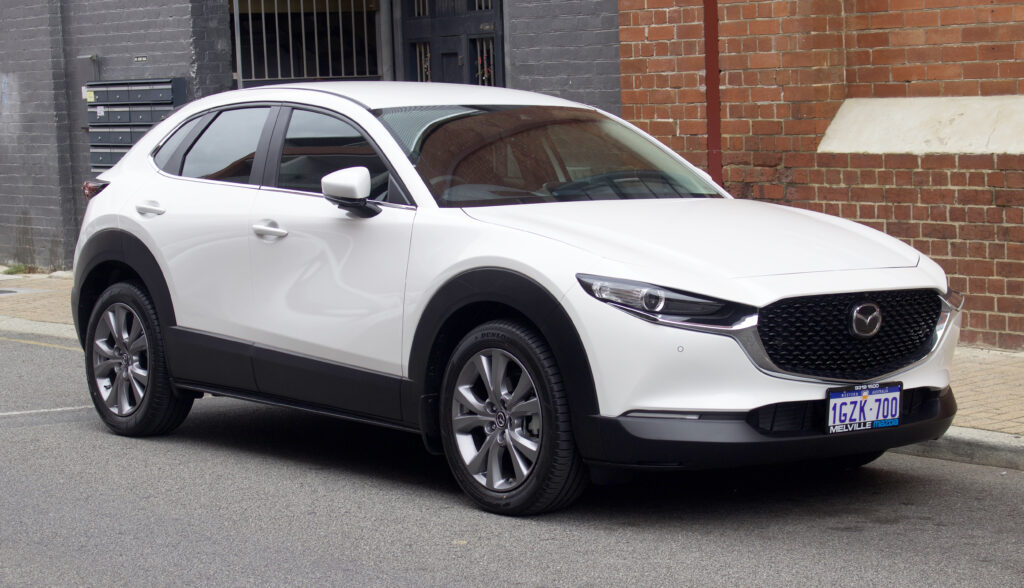
Owning a Mazda CX-30 feels a bit like adopting a well-trained athlete — smooth, precise, and eager to perform — but only if we feed it the right routine. Ignore its schedule, and even the best-engineered crossover starts acting like it skipped leg day for six months.
Service intervals aren’t just about oil changes. They’re the rhythm that keeps Skyactiv engines efficient, transmissions calm, and electronics glitch-free. In this guide, we’ll walk through the real-world maintenance timing, not just the handbook theory — because driving in traffic, heat, short trips, or city congestion changes everything.
Let’s build a maintenance timeline you can actually live with.
Content in this publication
- Why Service Intervals Matter More Than You Think
- The Official Mazda CX-30 Maintenance Philosophy
- Core Service Interval Overview
- The First Year: The Most Important Period
- Annual Service (12 Months / ~20,000 km)
- Every 2 Years / 40,000 km Service
- The 3-Year / 60,000 km Major Check
- 4-Year / 80,000 km Service
- 5-Year / 100,000 km Major Service
- Transmission Service Intervals (Often Ignored)
- AWD System Maintenance
- Brake System Service Timing
- Battery Replacement Interval
- Air Filter Service Timing
- Spark Plug Replacement Guide
- Coolant Replacement Timing
- Tyre Rotation Schedule
- Real-World Maintenance Timeline (Quick Table)
- How Driving Style Changes Service Needs
- Warning Signs You’re Overdue for Service
- Service Reminder System Explained
- Cost of Skipping Maintenance
- Long-Term Reliability Strategy
- Closing Thoughts
- FAQs
Why Service Intervals Matter More Than You Think
Modern engines don’t fail suddenly — they slowly drift out of harmony.
Most problems owners blame on “reliability” actually start as neglected maintenance:
- Dirty oil = noisy timing chain
- Old brake fluid = spongy pedal
- Ignored air filter = poor fuel economy
- Delayed transmission service = harsh shifting
Think of servicing as preventative medicine. Skip the checkups, and the cure becomes expensive.
The Official Mazda CX-30 Maintenance Philosophy
Mazda doesn’t use a fixed mileage system alone. Instead, the CX-30 uses a Flexible Service Schedule based on:
- Driving habits
- Temperature
- Engine load
- Idle time
- Short trip frequency
Two Maintenance Schedules Exist
Schedule 1 – Light Driving (Ideal Conditions)
Used when:
- Long highway trips
- Moderate climate
- Steady speeds
Schedule 2 – Severe Driving (Most Owners)
Used when:
- City driving
- Traffic
- Short commutes
- Dusty roads
- Hot climates
- Frequent cold starts
Realistically?
Most drivers fall into Schedule 2.
Core Service Interval Overview
Every 6,000–10,000 km (4,000–6,000 miles) or 6–12 months
Oil service interval
Includes:
- Engine oil replacement
- Oil filter replacement
- Fluid level inspection
- Tyre inspection
- Brake inspection
Short trips = shorten interval.
The First Year: The Most Important Period
1,000 km – Early Check (Optional but Smart)
We recommend:
- Inspect oil level
- Check brake dust buildup
- Confirm no coolant loss
Why?
Engines “settle in” during the first few thousand kilometers.
6 Months / 10,000 km Service
Replace:
- Engine oil
- Oil filter
Inspect:
- Brake pads
- Suspension joints
- Steering play
- Tyre wear pattern
This is the foundation of CX-30 longevity.
Annual Service (12 Months / ~20,000 km)
This is where maintenance shifts from simple to preventative.
Replace
- Cabin air filter
Inspect
- Battery condition
- Air intake hose cracks
- Underbody corrosion
- Exhaust mounts
Why it matters
Cabin filters clog quickly — especially in city traffic. A blocked filter reduces airflow and stresses the blower motor.
Every 2 Years / 40,000 km Service
This interval prevents 70% of future problems.
Replace
- Brake fluid
- Engine air filter
Inspect
- Brake calipers
- Cooling fan operation
- Serpentine belt
- Wheel bearings
Brake fluid absorbs moisture — after two years, boiling point drops dramatically.
The 3-Year / 60,000 km Major Check
Here’s where many owners unknowingly extend lifespan by years.
Replace
- Spark plugs (on some engines later)
- Transmission inspection
- Throttle body cleaning
Perform
- Fuel injector inspection
- Alignment check
- Battery load test
This service keeps fuel economy stable.
4-Year / 80,000 km Service
This is the first true “aging prevention” service.
Replace
- Engine coolant inspection (replace if needed)
- Drive belt (if worn)
Clean
- Intake system
- MAF sensor
A dirty intake often causes hesitation complaints.
5-Year / 100,000 km Major Service
Now the CX-30 enters mature mileage. Maintenance becomes mechanical protection.
Mandatory Replacement
- Coolant (recommended)
- Spark plugs (Skyactiv-G)
- Transmission fluid inspection/service
- Differential oil (AWD models)
Highly Recommended
- Throttle body cleaning
- PCV valve check
Skipping this service often leads to rough idle complaints later.
Transmission Service Intervals (Often Ignored)
Mazda calls the transmission fluid “lifetime.”
But lifetime rarely means 300,000 km.
Real-World Recommendation
- First change: 80,000–100,000 km
- Then every 60,000 km
This dramatically improves shift smoothness.
AWD System Maintenance
If your CX-30 is AWD, it has two extra components:
- Rear differential
- Transfer case
Service Interval
Every 60,000–80,000 km
Neglect here causes whining noise during acceleration.
Brake System Service Timing
Every 20,000 km
- Clean and lubricate calipers
Every 40,000 km
- Inspect discs thickness
Every 2 Years
- Replace brake fluid
Smooth braking depends more on maintenance than pad brand.
Battery Replacement Interval
Typical lifespan:
- 3–5 years
Short trips shorten battery life because the alternator never fully charges it.
Warning Signs
- Slow start
- Start-stop unavailable
- Random warning lights
Air Filter Service Timing
Engine Air Filter
- Replace every 30,000–40,000 km
- Earlier in dusty environments
Cabin Filter
- Replace yearly
A clogged engine filter can reduce fuel economy by up to 10%.
Spark Plug Replacement Guide
Skyactiv-G Engines
Replace around 100,000 km
Turbo Engines
Replace around 60,000–80,000 km
Turbo engines run hotter — plugs wear faster.
Coolant Replacement Timing
Official: long-life
Realistic: every 5 years or 100,000 km
Coolant protects:
- Water pump
- Heater core
- Head gasket
Old coolant becomes acidic.
Tyre Rotation Schedule
Rotate every:
- 10,000 km
Benefits:
- Even wear
- Quiet ride
- Longer tyre life
Real-World Maintenance Timeline (Quick Table)
| Mileage | Service |
|---|---|
| 10k km | Oil service |
| 20k km | Cabin filter |
| 40k km | Brake fluid + air filter |
| 60k km | Major inspection |
| 80k km | Transmission & AWD fluids |
| 100k km | Coolant + spark plugs |
How Driving Style Changes Service Needs
City Driving
Shorten intervals by 25%
Highway Driving
Follow normal schedule
Extreme Heat
Shorten oil interval
Warning Signs You’re Overdue for Service
- Rough idle
- Higher fuel consumption
- Hard shifting
- Brake squeal
- HVAC weak airflow
Cars whisper before they scream.
Service Reminder System Explained
The CX-30 uses an algorithm that tracks:
- Temperature
- RPM range
- Trip length
- Start cycles
So the dashboard light is predictive — not random.
Cost of Skipping Maintenance
Skipping small services causes big repairs:
| Missed Service | Possible Result |
|---|---|
| Oil changes | Timing chain wear |
| Brake fluid | ABS failure |
| Coolant | Overheating |
| Transmission fluid | Gear slip |
Maintenance is cheaper than diagnosis.
Long-Term Reliability Strategy
To reach 300,000 km:
- Oil every 8,000 km
- Transmission fluid at 80k intervals
- Coolant every 5 years
- Brake fluid every 2 years
- Keep filters clean
That’s the formula.
Closing Thoughts
The Mazda CX-30 doesn’t demand excessive maintenance — it demands consistent maintenance. Think of it less like fixing a machine and more like tuning an instrument. Small adjustments keep it smooth, efficient, and quiet.
Most reliability stories come down to discipline. Follow the intervals, and the CX-30 ages gracefully. Ignore them, and even the best engineering struggles.
Take care of the schedule, and the car takes care of the drive.
FAQs
1. Does the Mazda CX-30 really need oil every 6,000 miles?
In city driving, yes. Short trips contaminate oil quickly.
2. Is transmission fluid actually lifetime?
No — changing it around 80,000–100,000 km prevents wear.
3. When should I replace spark plugs?
Around 100,000 km for non-turbo engines, sooner for turbo models.
4. How often should brake fluid be changed?
Every 2 years regardless of mileage.
5. Can I follow the service light only?
It’s helpful, but proactive maintenance is safer long-term.
If you want to know other articles similar to Mazda CX-30 Service Intervals: The Complete Ownership Maintenance Guide you can visit the category Maintenance.
Kia Sorento Service Schedule: Complete Maintenance Guide

Haval Jolion Service Cost: Australia Maintenance Guide

Nissan Rogue Maintenance Schedule: Complete Service Guide

Honda Passport Maintenance Codes: Complete Maintenance Minder Guide
Honda Passport Maintenance Schedule: Complete Service Guide
Nissan Rogue Maintenance Schedule: Complete Service Guide
Leave a Reply
More content of your interest