

Suzuki Vitara Engine Size: Complete Guide to Every Petrol, Turbo & Hybrid Option

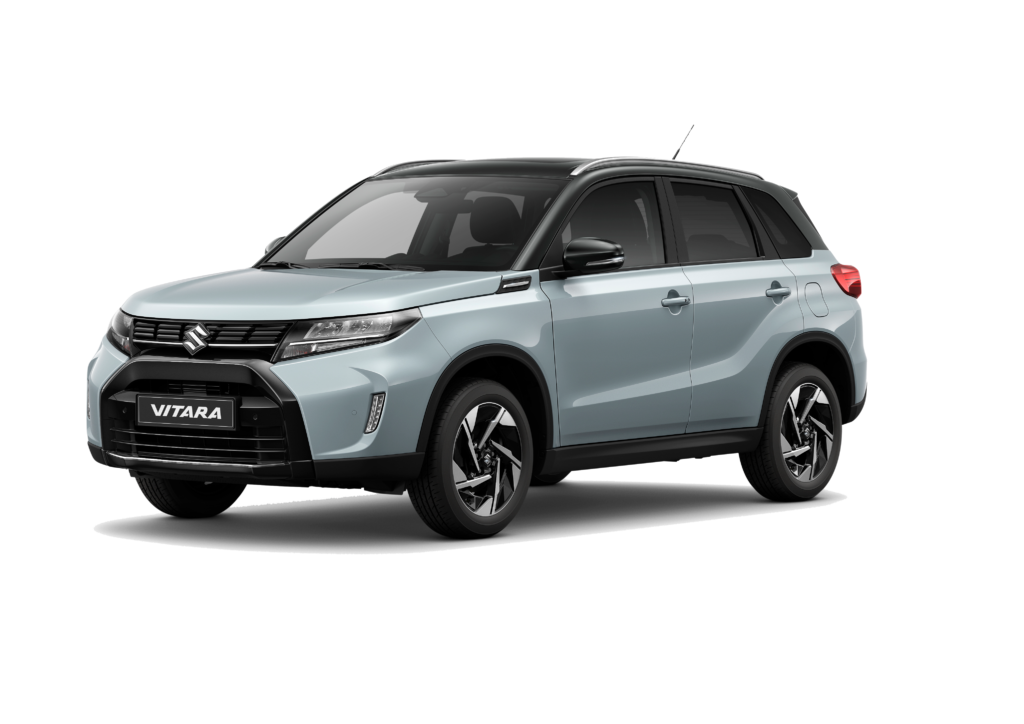
When we talk about Suzuki Vitara engine size, we’re not just listing numbers like 1.0, 1.4, or 1.6 litres. We’re talking about how the car feels. How it responds when we press the accelerator. How it behaves on a motorway overtake versus crawling through city traffic.
The Suzuki Vitara has gone through several engine evolutions — from simple naturally aspirated petrol units to turbocharged Boosterjet engines and modern mild-hybrid systems. And each one offers a different personality.
Let’s break everything down clearly, strategically, and practically — especially if you’re researching which engine size is right for you.
Content in this publication
- Why Suzuki Vitara Engine Size Actually Matters
- Suzuki Vitara Engine Sizes by Generation
- 1.6L Naturally Aspirated Petrol (The Reliable Classic)
- 1.0 Boosterjet Turbo (Small But Mighty)
- 1.4 Boosterjet Turbo (The Balanced Performer)
- 1.4 Boosterjet Mild Hybrid (48V System)
- 1.5 Full Hybrid Engine
- Suzuki Vitara Engine Size Comparison Table
- Engine Size vs Fuel Economy
- Engine Size and Insurance Groups
- Reliability Considerations by Engine
- Engine Size and Towing Capacity
- Maintenance Costs by Engine Size
- Which Suzuki Vitara Engine Size Should You Choose?
- Does Bigger Engine Always Mean Better Performance?
- Future of Suzuki Vitara Engine Sizes
- Final Thoughts: The Right Engine Is the One That Fits Your Lifestyle
- FAQs
Why Suzuki Vitara Engine Size Actually Matters
Engine size affects far more than just horsepower. It influences:
- Fuel economy
- Insurance group
- Road tax
- Towing capacity
- Acceleration feel
- Long-term reliability
- Resale value
Think of engine size like the heart of the car. A smaller engine beats efficiently. A larger one pumps stronger. But modern turbocharging has blurred those lines — and that’s where things get interesting.
Suzuki Vitara Engine Sizes by Generation
Before diving into modern models, let’s quickly map the evolution.
First & Second Generations (1988–2005)
- 1.6L petrol
- 2.0L petrol
- 2.5L V6
- 1.9L / 2.0L diesel
These were more rugged, old-school SUV engines — larger capacity, simpler tech.
Grand Vitara Era (2005–2015)
- 1.6L petrol
- 2.0L petrol
- 2.4L petrol
- 1.9L diesel
Still focused on traditional displacement rather than turbo downsizing.
Modern Vitara (2015–Present)
This is where engine size strategy shifted dramatically:
- 1.6L naturally aspirated petrol
- 1.0L Boosterjet turbo
- 1.4L Boosterjet turbo
- 1.4L Boosterjet mild hybrid (48V)
- 1.5L full hybrid (selected markets)
Now we’re dealing with efficiency-focused, emissions-compliant engines designed for modern driving.
1.6L Naturally Aspirated Petrol (The Reliable Classic)
Key Specifications
- 1.6-litre 4-cylinder
- Around 118 hp
- 156 Nm torque
- 0–60 mph: approx. 11 seconds
- No turbocharger
What It’s Like to Drive
Smooth. Linear. Predictable.
This engine builds power gradually. There’s no turbo surge — just steady acceleration. It feels mechanical in a good way, like something you can trust long-term.
Best For
- Drivers prioritising simplicity
- Long-term ownership
- Lower repair complexity
If reliability is your main concern, this engine has a strong reputation.
1.0 Boosterjet Turbo (Small But Mighty)
Key Specifications
- 1.0-litre 3-cylinder
- Around 111 hp
- 170 Nm torque
- Turbocharged
Here’s where engine size stops telling the whole story.
Despite being smaller than the old 1.6, this engine produces more torque. That means stronger pull at low RPM.
Real-World Driving Feel
- Excellent for city use
- Responsive in stop-start traffic
- Light and efficient
However, under full load or at sustained motorway speeds, it can feel slightly strained.
Ideal Driver Profile
- Urban commuters
- Budget-conscious buyers
- Lower insurance seekers
1.4 Boosterjet Turbo (The Balanced Performer)
Key Specifications
- 1.4-litre turbocharged
- Approx. 138 hp (early versions)
- 220 Nm torque
- Optional AllGrip AWD
This is where the Vitara feels genuinely lively.
Why It Stands Out
- Strong motorway performance
- Confident overtaking
- Better suited for towing
- Balanced fuel economy
It’s often considered the “sweet spot” engine — not too small, not too large.
1.4 Boosterjet Mild Hybrid (48V System)
With emissions regulations tightening, Suzuki refined the 1.4 engine.
What Changed?
- 48V mild-hybrid system added
- Slight power adjustment (~129 hp in many markets)
- Improved efficiency
- Reduced emissions
Driving Experience
The electric assist smooths acceleration and reduces turbo lag. It feels more refined, especially in urban driving.
It’s not a full EV experience — but it adds polish.
1.5 Full Hybrid Engine
In some markets, Suzuki introduced a 1.5-litre self-charging hybrid.
Key Features
- 1.5L petrol engine
- Electric motor support
- Automatic transmission
- Efficiency-focused setup
This version prioritises lower fuel consumption over performance punch.
Suzuki Vitara Engine Size Comparison Table
| Engine | Power | Torque | Best For |
|---|---|---|---|
| 1.6 NA | 118 hp | 156 Nm | Reliability |
| 1.0 Turbo | 111 hp | 170 Nm | City driving |
| 1.4 Turbo | 138 hp | 220 Nm | Balanced performance |
| 1.4 Hybrid | 129 hp | 235 Nm | Efficiency + smoothness |
| 1.5 Hybrid | Varies | Electric assist | Urban economy |
Engine Size vs Fuel Economy
Generally speaking:
- 1.0L = strong economy in light urban use
- 1.4 mild hybrid = best balance overall
- 1.6 NA = slightly less efficient than turbo units
Driving style matters more than engine size alone. Aggressive acceleration can erase the efficiency advantage quickly.
Engine Size and Insurance Groups
Smaller engines typically fall into lower insurance brackets.
- 1.0L models are often cheapest to insure
- 1.4L variants cost slightly more
- AWD versions increase premiums
For many UK buyers, this is a decisive factor.
Reliability Considerations by Engine
Most Proven
- 1.6 naturally aspirated
Strong Track Record
- 1.4 Boosterjet
Maintenance Focus Required
- 1.0 Turbo (regular oil changes essential)
- Hybrid systems (battery longevity strong, but newer tech)
Suzuki’s reputation for durability remains solid across the range.
Engine Size and Towing Capacity
Approximate towing figures:
- 1.0L: ~1,200 kg
- 1.4L: up to ~1,500 kg
- Hybrid versions: slightly lower limits
If towing matters, engine size absolutely matters.
Maintenance Costs by Engine Size
Smaller engines may:
- Use less fuel
- Require slightly less oil
- Cost marginally less to insure
However, turbo engines require:
- High-quality oil
- Strict servicing intervals
Neglect maintenance, and performance drops quickly.
Which Suzuki Vitara Engine Size Should You Choose?
Choose 1.0L If:
- You drive mainly in town
- Insurance costs matter
- You prefer efficiency
Choose 1.4L Turbo If:
- You use motorways often
- You want confident acceleration
- You may tow occasionally
Choose 1.4 Mild Hybrid If:
- You want refinement + efficiency
- You plan long-term ownership
Choose 1.5 Hybrid If:
- You prioritise fuel economy
- You prefer automatic transmission
Does Bigger Engine Always Mean Better Performance?
Not anymore.
Turbocharging has changed everything. A 1.4 turbo can outperform older 2.0-litre engines while consuming less fuel.
Engine size today is about smart engineering — not just displacement.
Future of Suzuki Vitara Engine Sizes
Looking ahead, we can expect:
- Increased electrification
- Potential plug-in hybrid variants
- Continued downsizing
- Improved efficiency tech
The Vitara’s engine evolution is still ongoing.
Final Thoughts: The Right Engine Is the One That Fits Your Lifestyle
Choosing the right Suzuki Vitara engine size is like choosing the right tool for the job.
Do you need efficiency? Go smaller.
Do you need versatility? Go 1.4 turbo.
Do you want modern smoothness? Consider the mild hybrid.
There isn’t one “best” engine. There’s only what fits your daily rhythm.
FAQs
1. What is the most powerful Suzuki Vitara engine?
The 1.4 Boosterjet turbo (around 138 hp in early versions) is the most powerful mainstream option.
2. Is the 1.0 Boosterjet reliable?
Yes, provided regular servicing and proper oil maintenance are followed.
3. Does the Suzuki Vitara still come in diesel?
Modern models focus on petrol and hybrid engines. Older generations offered diesel options.
4. Which engine is best for motorway driving?
The 1.4 Boosterjet (turbo or mild hybrid) offers the best motorway balance.
5. Is the mild hybrid worth it?
If you value smoother driving and better efficiency, yes. It’s a smart middle ground.
If you want to know other articles similar to Suzuki Vitara Engine Size: Complete Guide to Every Petrol, Turbo & Hybrid Option you can visit the category Service and Parts.
Kia Sorento Service Reset: How to Reset the Service Light
Kia Sorento Fuel Tank Capacity: Gallons, Litres and Model Differences
Kia Sorento Tyre Pressure: Recommended PSI, Bar and Complete Guide
Kia Sorento Boot Space: How Much Luggage Space Does It Really Have?
Kia Sorento Towing Capacity: How Much Can a Sorento Tow?

Honda Passport Payload Capacity: How Much Weight Can It Carry?
Leave a Reply
More content of your interest