Suzuki Vitara warning lights tell us when a system is operating, when maintenance is due and when we need to stop. The quickest way to understand an unfamiliar symbol is to check its colour, whether it is flashing and the message beside it. An oil can, a spanner and an engine outline may all relate to the engine, but they call for very different actions.
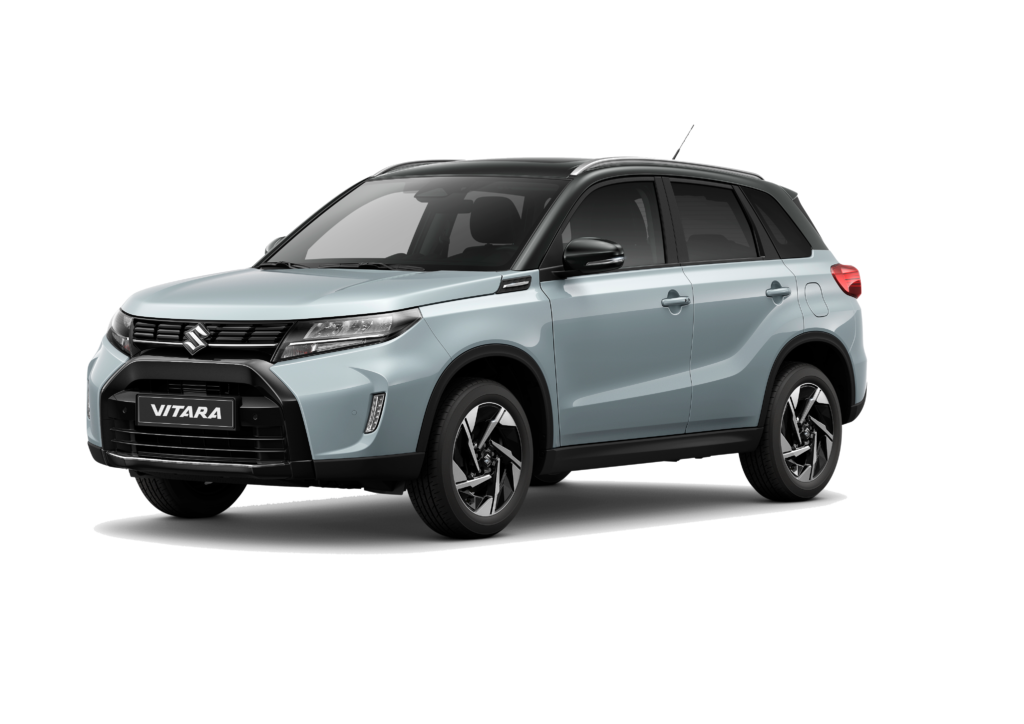
In this guide, we explain the common Suzuki Vitara dashboard symbols, how urgent they are and what to do next. We cover the modern Vitara sold from 2015 onward, including relevant petrol, earlier diesel, mild-hybrid, strong-hybrid and ALLGRIP equipment. Features vary by model year and country. This is not a guide to the separate Grand Vitara, Vitara Brezza or e VITARA.
The pictures are representative symbol illustrations. Your instrument cluster may use a different colour, graphic or written message. Match the description to your vehicle and use its own handbook for exact procedures. A dashboard light identifies a condition or system; it does not diagnose which component needs replacing.
Suzuki Vitara warning light colours: a quick urgency guide
Colour or behaviour
Usual meaning
What we should do
Red critical warning
A condition that may threaten safety or cause damage
Stop safely and check the message. Oil pressure, overheating and unresolved brake warnings require immediate attention.
Amber or yellow warning
A fault, restricted function or maintenance requirement
Identify the system promptly. Some amber warnings also require stopping.
Green indicator
A system is switched on or operating
Usually information rather than a fault; check its context.
Blue indicator
Usually main-beam headlights
Dip the headlights when necessary to avoid dazzling other road users.
Flashing light
Active intervention, a reminder or a fault, depending on the symbol
Read the specific explanation. Flashing ESP and a flashing engine light are not equivalent.
Colour is a useful starting point, but it is not a complete diagnosis. A red seat belt reminder needs a different response from a red oil pressure warning. Likewise, an amber transmission warning should not be treated as permission to finish a long journey.
Why several lights appear when we switch on the ignition
Many lamps illuminate briefly as a system check. The oil pressure and charging lights can remain on before the engine starts because it is not yet producing oil pressure or charging normally. The important question is whether the appropriate lamps go out once the engine or hybrid system is running.
If a warning does not perform its normal startup check, stays on or appears during driving, investigate it. On a strong hybrid, use the READY indication and the handbook rather than engine noise alone to determine whether the vehicle is switched on.
Critical engine, brake and electrical warnings
Engine oil pressure warning light
Urgency: stop safely and switch the engine or hybrid system off.The red oil can warns of insufficient engine oil pressure. It is not simply a reminder to book a service. Continuing to run the engine without adequate lubrication can damage it very quickly, even if it still sounds normal.Pull over safely, switch off and check the oil level on level ground after the waiting period specified in the handbook. Add the correct oil only if the level is low, without overfilling. A normal dipstick reading does not prove that oil pressure is healthy. If the level is adequate, the warning persists or there is an oil leak, arrange assistance before driving again.
Parking brake and brake system warning light
Urgency: stop if the warning remains after releasing the parking brake.The brake symbol can be a normal reminder that the parking brake is applied. If it stays on when the brake is fully released, it can indicate low brake fluid or a brake-system problem. Treat it especially seriously if the pedal feels soft, travels farther than usual or braking performance changes.Stop safely and check the message. Do not assume topping up the reservoir fixes the cause: fluid loss needs investigation. If braking feels abnormal, there is a leak or the ABS lamp is also illuminated, arrange recovery. Some strong-hybrid versions also have a separate brake-system warning associated with regenerative braking or hill hold; match the colour and message to the handbook.
Battery charging warning light
Urgency: stop safely and investigate a charging fault.A battery-shaped light during driving usually means the charging system is not working as expected. It does not simply mean the key-fob battery is low. Depending on the version, the fault may involve the charging equipment, wiring or hybrid-related electrical supply.Turn off unnecessary electrical accessories while getting to a safe stopping place. The vehicle may eventually lose electrical power or fail to restart. If the warning appears with overheating, unusual noises or a burning smell, switch off and request assistance. Replacing the 12-volt battery without checking the charging system may leave the original problem unresolved.
Electric power steering warning light
Urgency: stop safely if steering assistance is reduced.The steering-wheel warning indicates a problem with power assistance. The steering may become much heavier, particularly during low-speed manoeuvres. Keep both hands on the wheel, reduce speed smoothly and find a safe place to stop.Repeated tight manoeuvres or holding the wheel against full lock can temporarily reduce assistance as a protective measure. However, we should not assume this explains every warning. If the light remains on, returns or the steering is difficult to control, arrange inspection and avoid continuing in conditions where safe steering cannot be maintained.
Engine overheating: watch the gauge and display message
Not every Vitara has a separate thermometer warning lamp. Some versions communicate overheating through the temperature gauge or information display. A gauge entering the hot zone, an overheating message, steam or a sudden loss of performance deserves immediate attention even without a dedicated symbol.
Stop safely and switch off if there is steam, coolant leakage or a severe overheating warning. Never remove a radiator or coolant-system pressure cap while hot. Wait for the system to cool before checking the reservoir. Follow the vehicle-specific overheating procedure and seek recovery if coolant is lost or the cause is unclear; adding coolant does not repair a leak or failed cooling component.
Airbag and seat belt pretensioner warning light
Urgency: arrange prompt safety-system inspection.A seated figure with a circle represents the restraint system. If this lamp remains on after its startup check or appears while driving, an airbag or seat belt pretensioner may not work as intended in a collision.Keep using the seat belts correctly and have the fault diagnosed promptly. Do not unplug under-seat connectors, probe airbag wiring or try to reset the system by disconnecting the battery. The warning identifies a safety-system issue, not necessarily a defective airbag itself. A passenger-airbag OFF status indicator is a separate indication that must be checked against the selected seating arrangement.
Seat belt reminder
Urgency: fasten the relevant seat belt before moving.This reminder means an occupied seat may have an unfastened belt. Depending on the equipment, the display can also show rear-seat belt status or warn when a belt is released during a journey.Stop somewhere safe if an occupant needs help fastening a belt. Objects placed on a passenger seat can sometimes trigger occupancy detection; move them to a suitable storage area. If the reminder continues with the seat correctly occupied and the belt secured, have the buckle or detection system checked rather than bypassing it.
Engine, tyres and chassis warning symbols
Check engine light or malfunction indicator lamp
Urgency: diagnose promptly; stop if flashing or accompanied by poor running.The amber engine outline means the vehicle has detected an engine-management or emissions-related problem. On certain versions, transmission faults can also trigger the malfunction indicator. The symbol alone cannot distinguish a sensor fault from an ignition, fuelling or emissions problem.With a steady lamp, no other urgent warnings and normal vehicle behaviour, obtain diagnostic advice promptly and avoid heavy acceleration or high loads. If the lamp flashes, the engine shakes, power falls sharply or there is an unusual smell, stop safely and seek assistance. Record the symptoms and have the stored fault codes read before parts are replaced or codes are erased.
Tyre pressure monitoring system warning light
Urgency: slow down and check the tyres as soon as safely possible.The horseshoe-shaped symbol with an exclamation mark normally means one or more tyres are significantly underinflated. Avoid abrupt braking or steering and stop to inspect them. A tyre can be unsafe without looking completely flat.Measure the pressures and use the cold-pressure values on the vehicle placard for the fitted tyres and load. Do not use the maximum pressure moulded into the tyre sidewall as the normal target. A lamp that flashes before staying on can indicate a TPMS malfunction. Correcting pressures will not repair a damaged tyre, missing sensor or monitoring-system fault.
Anti-lock braking system warning light
Urgency: arrange prompt inspection and allow extra stopping distance.An ABS warning means the anti-lock function may be unavailable. If the ABS light appears alone and the brake pedal feels normal, the basic braking system may still work, but the wheels can lock under heavy braking.Avoid hard braking, high speeds and slippery routes where possible. If the red brake warning is illuminated at the same time, or braking behaviour changes, stop safely and arrange assistance. This combination can involve more than the anti-lock function. We should never use a hard road brake test to see whether ABS still works.
ESP stability and traction control warning light
Urgency: reduce speed when flashing; investigate if continuously illuminated.The car with skid marks represents the Electronic Stability Program. Flashing during wheel slip usually means the system is actively helping to control traction or stability. Ease off the accelerator and adjust speed to the available grip.A light that stays on can indicate a fault, so electronic assistance may be reduced. Have the vehicle checked and drive cautiously if it remains safe to move. ESP cannot overcome worn tyres, excessive speed or an icy surface. If several chassis warnings appear together, diagnosis should check their shared inputs rather than assuming every system has failed independently.
ESP OFF indicator
Urgency: check whether stability control was deliberately switched off.The ESP OFF indicator means the relevant stability or traction-control functions have been disabled. This can happen after using the ESP OFF switch; certain linked functions may also be affected. It is different from the normal flashing skid-car indicator during intervention.For ordinary road driving, restore the normal setting according to the handbook. If the indicator will not clear, appears unexpectedly or is accompanied by a fault message, arrange inspection. Switching a system off and on does not repair a recorded fault, and the availability of ABS should not be inferred solely from the ESP OFF lamp.
Transmission or transaxle warning light
Urgency: stop safely and contact a workshop.The gear-related warning can indicate a fault in the automatic transmission or Auto Gear Shift system, where fitted. Warning behaviour and protective actions differ by gearbox. Possible symptoms include harsh shifts, a flashing gear display, loss of drive or inability to select a gear.Stop in a safe place and read the accompanying message. On Auto Gear Shift versions, repeated creeping uphill or holding the car on the accelerator can overheat the clutch. Use the brakes to hold the vehicle. Follow the exact handbook cooling or shutdown procedure; do not repeatedly select gears, force the lever or continue driving simply because the lamp is amber.
Master warning triangle
Urgency: determined by the accompanying message.The triangle with an exclamation mark is an attention signal. It can accompany several unrelated messages, so it does not identify one failed component. We need to read the information display before deciding what to do.A key reminder, a system fault and an overheating message require different responses. Photograph or write down the full message when safely parked, including whether the triangle flashes. If the display instructs you to stop, follow that instruction. Clearing the message from the screen does not mean the underlying condition has disappeared.
Immobilizer or keyless push-start warning light
Urgency: check key recognition; seek help if the vehicle will not start.This symbol concerns the immobilizer, keyless starting system or steering-lock release, depending on the vehicle. A persistent or flashing warning can indicate a recognition or system fault. A separate low key-battery message should not be confused with a charging-system warning.Make sure the correct key is inside the vehicle and move other keys or electronic devices away from it. Follow the handbook procedure for a weak remote battery or a steering lock under load; do not force the steering wheel. If the warning persists, try the registered spare key where available and arrange diagnosis.
Oil change request light or service spanner
Urgency: arrange the required oil and filter service promptly.The oil-change reminder relates to maintenance timing or monitored oil life. It is different from the red oil-pressure warning. Depending on the engine and market, the graphic may include an oil can and spanner, and its illumination or flashing behaviour can vary.Follow the displayed service instruction and do not postpone an overdue oil change. Use the correct oil specification and replace the filter as required. Reset the reminder only after the work has been completed, using the procedure for that instrument cluster. Resetting it alone neither renews the oil nor fixes an engine-management warning.
ALLGRIP and hill descent dashboard indicators
ALLGRIP or 4WD warning light
Urgency: stop safely if flashing or accompanied by an overheating message.A continuous 4WD warning can mean the four-wheel-drive system has a fault and has been deactivated. Flashing can accompany drivetrain overheating or a tyre-size mismatch. Excessive wheelspin in mud, sand or snow can increase drivetrain temperature.Stop safely and follow the exact message. For the relevant overheating condition, conventional versions may require the engine to idle while the system cools; the strong-hybrid instruction can instead require stopping the hybrid system. Do not apply one version's procedure to another. Check that tyre sizes and pressures match the approved specification. If the warning persists, obtain assistance and do not rely on four-wheel-drive assistance being available.
Hill descent control indicator
Urgency: check whether the system is available before descending.This symbol indicates hill descent control on equipped versions. It can illuminate when the feature is selected and its operating conditions are met. A blinking indicator can mean the system is not available under the present conditions.Keep control of speed with the brake pedal and do not start a steep descent assuming the feature will manage everything. Read any accompanying message and check the required operating conditions in the handbook. Hill descent control is an aid for suitable low-speed situations; it does not increase tyre grip or guarantee control on a slippery slope.
AUTO, SPORT, SNOW and LOCK are mode displays
ALLGRIP mode names normally describe the selected driving programme rather than a fault. LOCK is not proof that the vehicle has the same hardware or low-range system as an older Grand Vitara. Check the mode's intended use and restrictions for your own model. A warning that the 4WD system is unavailable takes priority over the selected mode display.
Driver assistance and lighting system warnings
Radar Brake Support or Dual Sensor Brake Support warning
Urgency: take full responsibility for braking and read the display.Vitara driver-assistance equipment changed over time. Earlier vehicles may use Radar Brake Support, while later versions use Dual Sensor Brake Support or DSBS II. The graphic shown is representative; the specific status and warning presentations differ.An alert during an approaching collision requires an immediate driving response. A persistent warning can mean the system is unavailable or faulty. When safely parked, check for dirt, snow or ice around the relevant windscreen camera or front sensor area and clean it gently. If the warning remains in normal conditions, arrange inspection. Never test automatic braking by deliberately approaching an obstacle.
Brake support OFF indicator
Urgency: check settings and assume automatic collision assistance is unavailable.An OFF indication can mean the driver has disabled the brake-support function or that another system setting has made it unavailable. This differs from a collision alert and from a fault warning, although more than one indication can appear together.Restore the normal setting if appropriate and follow any display instructions. Maintain a safe following distance and be ready to brake yourself. If the system cannot be re-enabled or the OFF indication appears with a persistent malfunction message, have the cause checked rather than repeatedly cycling the switch.
Lane departure warning or prevention indicator
Urgency: correct the vehicle's position; inspect a persistent fault warning.A lane-related symbol may show availability, an active lane alert or a malfunction, depending on its colour and behaviour. Earlier lane-departure warnings and later lane-prevention or lane-keeping functions do not all use identical indications.If the car is unintentionally drifting, steer smoothly back into a safe position and check your attention level. Faded road markings, poor weather or an obstructed camera can limit operation. A persistent amber malfunction indication needs inspection. Keep your hands on the wheel and do not assume the car will follow a lane without supervision.
Lane departure assistance OFF indicator
Urgency: a status reminder unless accompanied by a fault message.The OFF version of a lane symbol generally indicates the function has been switched off. Check the vehicle's settings before assuming something is broken. On equipped vehicles, closely related lane functions may have separate controls or status indications.If the setting was intentional, continue steering normally with awareness that the selected assistance is unavailable. If the system switches off unexpectedly, read the display and check the handbook. A clean camera view can help availability, but cleaning cannot fix a calibration or electrical fault.
Adaptive cruise control warning
Urgency: control speed and following distance manually.A warning associated with adaptive cruise control can indicate that the system cannot operate normally. It may accompany a sensor obstruction or another assistance-system fault. A normal set-speed or standby display is not the same thing as a malfunction warning.Cancel cruise control and manage the accelerator and brakes yourself. Check the displayed message and inspect accessible sensor areas when safely stopped. If the warning returns after the obstruction clears or after recent windscreen or front-end work, professional inspection may be needed. Do not assume cruise control is braking simply because a speed remains visible on the screen.
Automatic headlight levelling warning
Urgency: arrange inspection and check nighttime visibility.Where fitted, this warning concerns automatic adjustment of the headlamp beam height. A fault can leave the road poorly illuminated or direct too much light towards oncoming drivers.Check whether the lamps appear to be working normally before driving after dark. Avoid a night journey if illumination is unsafe. Loading the vehicle differently or repeatedly moving the light switch is not a reliable repair for a levelling-system fault. Use the appropriate handbook instructions if your version instead has manual beam adjustment.
LED headlight system warning
Urgency: inspect lighting operation and arrange repair.The LED headlight warning indicates a fault in the relevant lighting system on equipped vehicles. It does not automatically mean the whole headlamp must be replaced; diagnosis should identify the failed circuit or component.Check both headlights, preferably with someone helping from a safe position. If a required lamp is not working, avoid driving in conditions where visibility or conspicuity is inadequate. Do not open sealed lamp units or assume every LED component is a simple replaceable bulb.
High beam assist indicator
Urgency: monitor the actual beam pattern and use manual control if necessary.The headlamp symbol with an A normally relates to automatic high-beam assistance where fitted. Its presence can indicate that the feature is selected; it does not necessarily mean the main beams are currently illuminated.Use the blue high-beam lamp to confirm the actual beam state. If the assistance behaves unexpectedly, switch to manual dipping. Weather, lighting conditions and other traffic can affect detection. A persistent warning or accompanying malfunction message should be investigated rather than treated as an ordinary operating indicator.
Hybrid, stop-start and petrol particulate-filter messages
ENG A-STOP indicator
Urgency: usually normal automatic engine stop-start operation.The A symbol relates to the automatic engine stop-start system. It can illuminate when the system has stopped the engine at a suitable pause in traffic. The engine can restart automatically, so an automatically stopped engine should not be treated as a fully switched-off vehicle.The system may decline to stop the engine because of battery condition, temperature, climate-control demand or other operating requirements. That alone does not prove a fault. If an OFF indication flashes or a malfunction message appears, have the system checked; certain versions also use this warning for a lithium-ion battery-related problem.
Deceleration energy regeneration indicator
Urgency: normally informational on equipped hybrid versions.This indicator shows that the vehicle is recovering energy during deceleration. It describes normal hybrid operation rather than a battery charging fault. Its appearance depends on the powertrain and instrument display.We can usually continue driving normally when this is the only indication. Do not confuse energy recovery with the red charging warning or with a hybrid-system malfunction message. A change in the display as driving conditions change is expected; an accompanying fault, abnormal braking or loss of power needs separate attention.
Gasoline particulate filter warning: GPF
Urgency: follow the correct petrol-model regeneration instructions promptly.Some petrol Vitara versions have a gasoline particulate filter. A filter-shaped warning can indicate that soot has built up and regeneration is required. It is therefore incorrect to assume every particulate-filter symbol belongs to a diesel engine.Use the procedure specified for your model and only attempt a regeneration drive when the vehicle is otherwise running normally and road conditions permit. If there are additional urgent warnings, severe power loss, overheating or a persistent filter warning, obtain workshop advice. Do not substitute stationary high-revving for an approved driving procedure, and keep the hot exhaust away from dry vegetation.
Strong-hybrid READY, EV and hybrid-system warnings
On strong-hybrid versions, READY means the vehicle is ready to move even when the petrol engine is silent. EV indicates the relevant engine-off electric operating state; it is not an invitation to ignore the normal controls. Before leaving the vehicle, select the required parking position, apply the parking brake and switch the hybrid system off.
A hybrid-system warning is different from these normal status indications. It can involve the hybrid system, high-voltage supply or related equipment. Read the message, stop if operation or braking changes, and obtain professional advice. Do not handle high-voltage components. An acoustic vehicle-alerting-system warning concerns the exterior sound used to help others notice the vehicle; have it checked and take particular care around pedestrians.
Earlier diesel Vitara warning lights
These symbols apply only to diesel-equipped versions. They are included because earlier Vitara models remain in use, but they should not be expected on a petrol or hybrid dashboard. A filter symbol must be interpreted using the engine type and message, not its shape alone.
Diesel glow plug indicator
Urgency: wait for the preheating sequence before starting.The coil-shaped lamp indicates diesel preheating. In colder conditions, it may remain on while the glow plugs prepare the engine for starting. In warm conditions, the indication can be brief.Follow the normal starting sequence in the handbook. If the lamp does not behave normally, persists or is accompanied by difficult starting, arrange diagnosis. Repeatedly cranking a reluctant engine can flatten the battery and does not establish whether the glow plugs themselves are faulty.
Water in diesel fuel filter warning
Urgency: arrange prompt attention to the fuel filter.This warning can indicate accumulated water in the diesel fuel-filter system. Water contamination can damage fuel-injection equipment, so it should not be treated as a routine low-fuel reminder.Have the filter inspected and drained or serviced according to the correct procedure. If the engine runs badly or the warning appeared immediately after refuelling, stop safely and seek advice before continuing. Do not loosen high-pressure fuel lines or improvise a draining procedure on an unfamiliar system.
Diesel particulate filter warning: DPF
Urgency: follow the diesel handbook's regeneration guidance.The DPF traps soot and periodically needs to regenerate. Repeated short trips can prevent the conditions needed for normal cleaning. A warning may request an appropriate regeneration drive, but a persistent warning can need workshop attention.Only use the specified procedure when the engine is running normally and there are no other urgent warnings. If the lamp remains on, power is restricted or another engine warning appears, arrange diagnosis. A diesel regeneration instruction should not be copied automatically to a petrol GPF-equipped vehicle.
Everyday fuel and exterior-light indicators
Low fuel warning light
Urgency: refuel soon.The fuel-pump symbol indicates that the fuel level is low. The precise point at which it appears can vary with vehicle angle and fuel movement, so there is no dependable universal remaining-mileage figure.Refuel with the correct fuel as soon as practical. The estimated range is a calculation, not a guaranteed distance. Repeatedly running nearly empty is especially inconvenient if a diesel runs out and needs the correct restart procedure.
Main-beam headlight indicator
Urgency: normal status; dip the lights when needed.The blue headlamp symbol means the main beams are on, including when operated manually or by an automatic system. It is one of the most common normal dashboard indicators.Dip the beams when they could dazzle oncoming traffic or the driver ahead. If high-beam assistance fails to dip at an appropriate moment, take over manually. A blue main-beam symbol by itself does not indicate a lighting fault.
Front fog light indicator
Urgency: normal status on equipped versions.This indicates that the front fog lights are switched on. Equipment and dashboard presentation vary, so some versions may not show this particular symbol.Use the lights appropriately for visibility and local requirements, then switch them off when no longer needed. The indicator confirms a selected function; it does not replace an occasional external check that both lamps work.
Rear fog light indicator
Urgency: normal status, but switch off when visibility improves.The rear fog indicator means the high-intensity rear fog lamp is on. Although the symbol is commonly amber, it is usually a status indication rather than a malfunction warning.Use it only when conditions justify it. Leaving the rear fog light on in clearer weather can dazzle following drivers and make brake lights harder to distinguish. Confirm the switch position if it has been turned on accidentally.
Turn signal and hazard warning indicators
Urgency: normal flashing; investigate an unusual flash rate.The green arrows show the selected direction indicators. Both arrows flashing together usually means the hazard warning lights are operating.If the rate changes unexpectedly or an indicator fails to appear, safely check the exterior lamps and arrange repair as necessary. Cancel the indicators after manoeuvres. Hazard lights can help warn others of a stationary obstruction, but they do not make an unsafe stopping place safe.
What to do when several Suzuki Vitara warning lights appear together
Several simultaneous warnings do not necessarily mean several independent failures. A shared sensor, electrical supply problem or communication fault can affect multiple systems. Equally, we should not assume every warning is caused by a weak battery without testing.
Prioritise the most serious warning. Oil pressure, overheating, abnormal braking or loss of steering assistance takes precedence.
Stop somewhere safe and read the full display. Note the colour, flashing behaviour and any change in how the vehicle drives.
Record the circumstances. Recent battery work, tyre replacement, heavy wheelspin, refuelling or windscreen replacement can provide useful clues.
Check only what is safe to inspect. Look at tyre condition, obvious leaks and accessible sensor obstructions without touching hot or high-voltage components.
Arrange appropriate diagnosis. A basic engine-code reader may not access ABS, airbags, hybrid controls or driver-assistance modules.
Should we disconnect the battery to clear the lights?
Disconnecting the battery is not a general repair. It can erase useful diagnostic information, disturb settings and leave the underlying problem unchanged. Likewise, a warning that disappears after restarting may represent an intermittent fault. If a safety-related warning returns, have it investigated even if the car seems normal between occurrences.
Conclusion: match the symbol to the message and the action
Understanding Suzuki Vitara warning lights becomes easier when we separate normal operating indicators from faults and maintenance reminders. The crucial distinction is what the vehicle is asking us to do: stop, check a condition, arrange repair or simply recognise that a feature is active.
Use the symbol illustration as a starting point, then check the colour, behaviour and display text. With the correct handbook for the engine, transmission and model year, we can respond appropriately without treating every light as an emergency or overlooking one that needs immediate action.
Frequently asked questions
1. Can I drive my Suzuki Vitara with a warning light on?
It depends on the warning and the vehicle's behaviour. Normal lighting indicators usually allow normal driving. A steady amber fault requires prompt assessment, while an oil-pressure warning, serious overheating, abnormal brakes or loss of safe steering requires stopping. A flashing transmission or engine warning should not be ignored just because it is amber.
2. What does the triangle with an exclamation mark mean?
It is the master warning indicator. Read the accompanying display message to identify the cause and required response. The triangle alone does not tell us whether the issue concerns a key, a drivetrain condition or another system, and clearing the message does not repair the cause.
3. Is the spanner light the same as the oil pressure light?
No. A spanner or oil-change request concerns servicing, while the red oil-pressure symbol can indicate inadequate lubrication. Have the requested oil and filter service completed promptly. If the pressure warning appears during operation, stop safely and switch off instead of continuing to a routine service appointment.
4. Why is my Vitara tyre pressure light still on after inflating the tyres?
Check all tyres against the correct cold-pressure specification, inspect for leaks and follow the handbook's update or recognition procedure. The system may need time to register the correction. A light that flashes before staying on can indicate a monitoring-system fault, so adding more air is not necessarily the answer.
5. Do petrol, hybrid and diesel Vitara models use the same symbols?
Many basic warnings are shared, but powertrain-specific indicators differ. Earlier diesels can have glow-plug, water-in-fuel and DPF warnings; some petrol versions have a GPF warning; hybrids add energy-flow and system-status information. ALLGRIP and driver-assistance indications also depend on equipment, so match the guide to your exact vehicle.
If you want to know other articles similar to Suzuki Vitara Warning Lights: Complete Guide to Dashboard Symbols and What They Mean you can visit the category Service and Parts.
Auto Guide
I show you the best reviews of all car brands, the information we collect and show is verified by our mechanics, we hope that everything you read here is useful to buy the car of your dreams







More content of your interest