

Land Rover Discovery Sport Wading Depth: The Ultimate Guide to Water Fording Capability

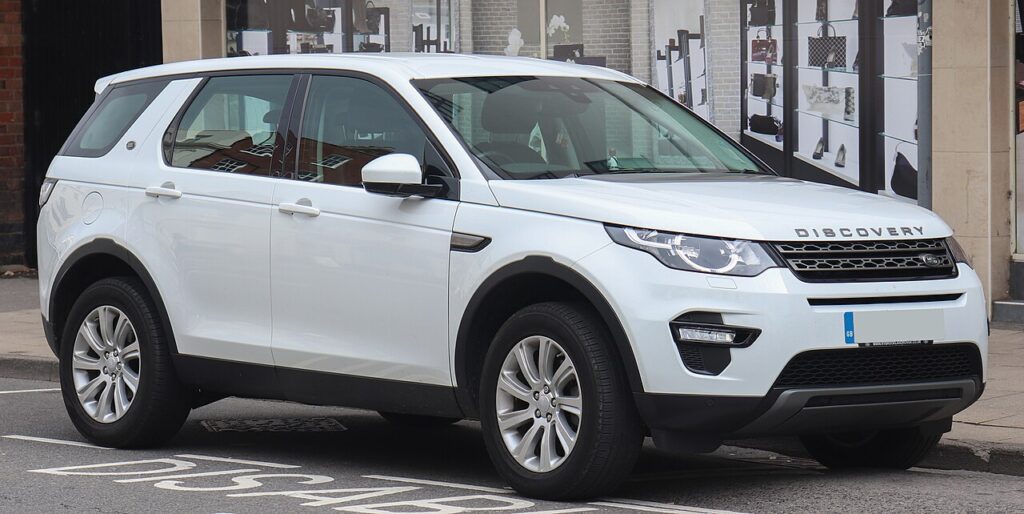
When we talk about SUVs that are truly built for adventure, a few names instantly rise to the surface—like rugged islands in a sea of ordinary crossovers. Among them, the Land Rover Discovery Sport stands tall. But one feature that sparks curiosity among drivers and off-road enthusiasts alike is its wading depth.
How deep can it really go through water? Is it just marketing hype, or does the Discovery Sport genuinely deliver when the trail turns into a river crossing?
In this guide, we’ll explore everything about the Land Rover Discovery Sport wading depth, from official figures to real-world usage, tips for safe water crossings, and how the technology behind the vehicle helps keep you moving even when the road disappears beneath muddy water.
So buckle up. We’re about to wade into the details.
Content in this publication
- Understanding Wading Depth in SUVs
- Official Land Rover Discovery Sport Wading Depth
- How the Discovery Sport Achieves 600 mm Wading Depth
- Terrain Response System
- Wade Sensing Technology
- High Air Intake Placement
- Sealed Electrical Components
- Optimized Body and Chassis Design
- Real-World Water Crossing Scenarios
- How to Safely Wade Through Water
- Common Mistakes Drivers Make in Water Crossings
- Factors That Affect Wading Depth
- Discovery Sport vs Larger Land Rover Models
- Preparing Your Discovery Sport for Water Crossings
- Maintenance After Driving Through Water
- Is the Discovery Sport Good for Off-Road Water Crossings?
- Who Benefits Most from This Capability?
- Closing Thoughts: Confidence When the Road Turns to Water
- Frequently Asked Questions
Understanding Wading Depth in SUVs
Before we dive specifically into the Discovery Sport, it helps to understand what wading depth actually means.
What Is Wading Depth?
Wading depth refers to the maximum depth of water a vehicle can safely drive through without causing damage to critical components.
Manufacturers determine this figure through controlled testing, ensuring:
- The engine intake remains above water
- Electrical components stay protected
- Cabin sealing prevents water ingress
- Drivetrain components continue operating safely
Think of it like a submarine’s safe diving limit—except your SUV doesn’t come with a periscope.
Why Wading Depth Matters
Many drivers assume SUVs are naturally capable in water. That’s not always the case.
Typical vehicles may struggle with even 20–30 cm of water, while proper off-roaders handle much more.
A higher wading depth means:
- Greater confidence on flooded roads
- Safer river crossings on trails
- Improved off-road versatility
- Better protection for vital components
And this is exactly where the Discovery Sport shines.
Official Land Rover Discovery Sport Wading Depth
Maximum Wading Depth Specification
The Land Rover Discovery Sport has an official wading depth of:
600 mm (60 cm)
That’s roughly:
- 23.6 inches
- About the height of a standard dining chair seat
This places it among the best in the compact luxury SUV class.
Comparison with Other SUVs
Let’s put that number into perspective.
| Vehicle | Wading Depth |
|---|---|
| Discovery Sport | 600 mm |
| Audi Q5 | ~500 mm |
| BMW X3 | ~500 mm |
| Volvo XC60 | ~450 mm |
| Toyota RAV4 | ~500 mm |
Right away, we can see that the Discovery Sport sits comfortably ahead of most premium rivals when it comes to water-crossing capability.
How the Discovery Sport Achieves 600 mm Wading Depth
The impressive wading depth doesn’t happen by accident. Land Rover engineered several systems specifically to support water crossings.
Let’s unpack them.
Terrain Response System
What Terrain Response Does
The Terrain Response system is one of Land Rover’s signature technologies.
It automatically adjusts:
- Throttle response
- Gear shifting
- Differential settings
- Traction control
When you approach water, selecting the correct mode ensures the vehicle maintains steady traction and controlled momentum.
Driving Modes That Help in Water
Relevant modes include:
- Mud & Ruts
- Grass / Gravel / Snow
Both modes manage wheel slip and power delivery so the vehicle keeps moving even when submerged tires lose grip.
Wade Sensing Technology
How Wade Sensing Works
One of the most fascinating features in the Discovery Sport is Wade Sensing.
It acts like a digital spotter.
Sensors mounted in the side mirrors monitor the water level around the vehicle and display it on the infotainment screen.
Drivers can see:
- Current water depth
- Maximum safe level
- Warning alerts if depth increases
In other words, the car literally tells you when you're pushing the limit.
Visual Feedback for Drivers
The display uses a graphical interface showing the vehicle and surrounding water level.
As the depth rises:
- Blue bars increase
- Alerts appear
- Warnings trigger if nearing the 600 mm limit
This gives drivers a huge confidence boost during crossings.
High Air Intake Placement
One major factor determining wading depth is the engine air intake.
If water enters the intake, the engine could suffer hydrolock, a catastrophic failure.
Discovery Sport Air Intake Design
Land Rover positioned the intake higher within the engine bay, helping keep it above the waterline during deep crossings.
For extreme off-roading, some drivers install:
- Snorkels
- Raised air intakes
But for most situations, the factory setup works perfectly.
Sealed Electrical Components
Modern vehicles rely heavily on electronics.
Without protection, water could quickly cause failures.
Protection Systems in the Discovery Sport
The Discovery Sport includes:
- Waterproof connectors
- Sealed wiring harnesses
- Protected ECUs
- Elevated control modules
These measures help ensure that crossing water doesn’t lead to dashboard warning lights afterward.
Optimized Body and Chassis Design
Another reason the Discovery Sport performs well in water is its body architecture.
Key Design Elements
- Raised ride height
- Elevated drivetrain components
- Strong underbody protection
- Carefully sealed door structures
Together, these features reduce the chance of water entering the cabin or damaging mechanical parts.
Real-World Water Crossing Scenarios
Let’s move beyond the specs.
Where might drivers actually use the Discovery Sport’s wading ability?
Common Situations
- Flooded country roads
- Off-road trails with river crossings
- Heavy rain causing water accumulation
- Muddy tracks with standing water
- Beach driving near tidal areas
In many rural environments, water crossings are unavoidable, making the Discovery Sport’s capability genuinely useful.
How to Safely Wade Through Water
Even with a capable vehicle, technique matters.
Driving through water requires skill and caution.
Step-by-Step Water Crossing Technique
- Stop and assess the water depth
- Check for strong currents
- Select the appropriate Terrain Response mode
- Enter the water slowly
- Maintain steady momentum
- Avoid sudden acceleration
- Keep revs consistent
- Exit gradually
Think of it like gliding through a lake with a canoe—smooth and controlled, not frantic.
Common Mistakes Drivers Make in Water Crossings
Even experienced drivers sometimes misjudge conditions.
Here are the most common mistakes.
Entering Water Too Fast
Speed creates a bow wave, which can push water into the engine bay.
Stopping Mid-Crossing
Stopping allows water to rise around the vehicle.
Momentum is key.
Rocks, debris, or deep ruts may hide beneath the surface.
Always check if possible.
Factors That Affect Wading Depth
The official 600 mm figure assumes ideal conditions.
Several real-world factors can reduce safe depth.
Water Current
Strong flowing water can destabilize the vehicle.
Riverbed Surface
Loose gravel or mud may cause wheels to sink deeper.
Vehicle Load
Heavily loaded vehicles sit lower, reducing clearance.
Wave Action
On beaches, waves may briefly exceed the wading depth.
Discovery Sport vs Larger Land Rover Models
Many buyers wonder how the Discovery Sport compares to larger Land Rover models.
Wading Depth Comparison
| Model | Wading Depth |
|---|---|
| Discovery Sport | 600 mm |
| Range Rover Evoque | 600 mm |
| Defender | 900 mm |
| Discovery | 900 mm |
| Range Rover | 900 mm |
While not as extreme as the Defender, the Discovery Sport still offers serious capability for its size.
Preparing Your Discovery Sport for Water Crossings
If you regularly drive in wet or flooded areas, preparation helps.
Pre-Crossing Checklist
- Inspect tire tread
- Check underbody protection
- Confirm Wade Sensing is active
- Remove loose items from the cabin
- Ensure doors and windows are fully sealed
Small steps can make a huge difference.
Maintenance After Driving Through Water
After crossing water, a quick inspection keeps the vehicle in good condition.
Post-Wading Checks
- Inspect brakes
- Check engine bay for debris
- Look for water accumulation
- Clean mud from underbody
- Monitor warning lights
Driving slowly while braking gently helps dry the brake discs.
Is the Discovery Sport Good for Off-Road Water Crossings?
Short answer: yes.
For a compact luxury SUV, the Discovery Sport delivers exceptional versatility.
Key Strengths
- 600 mm wading depth
- Wade Sensing technology
- Terrain Response system
- Intelligent traction management
- Strong off-road geometry
It’s not just a city SUV pretending to be adventurous—it’s genuinely capable when conditions get messy.
Who Benefits Most from This Capability?
The Discovery Sport’s water-crossing ability suits a wide range of drivers.
Ideal Owners
- Off-road enthusiasts
- Rural drivers
- Adventure travelers
- Outdoor explorers
- Drivers in flood-prone regions
For them, the vehicle becomes more than transportation—it becomes a tool for exploration.
Closing Thoughts: Confidence When the Road Turns to Water
The Land Rover Discovery Sport wading depth of 600 mm isn’t just a number on a spec sheet. It represents a design philosophy that Land Rover has refined for decades: go anywhere, regardless of terrain.
Whether you're crossing a shallow river, navigating flooded roads, or exploring muddy trails, the Discovery Sport offers a reassuring sense of capability.
It’s like having hiking boots instead of dress shoes—you might not always need them, but when the terrain gets rough, you’re glad they’re there.
Frequently Asked Questions
1. What is the maximum wading depth of the Land Rover Discovery Sport?
The Discovery Sport can safely drive through 600 mm (60 cm) of water under ideal conditions.
2. Does the Discovery Sport have Wade Sensing?
Yes. Many models include Wade Sensing, which uses sensors to measure water depth and display it on the infotainment screen.
3. Can the Discovery Sport cross rivers?
Yes, provided the water depth is within the 600 mm limit, the current is weak, and the driver uses proper technique.
4. Is the Discovery Sport better than rivals for water crossings?
Generally yes. Its 600 mm wading depth exceeds many competitors like the BMW X3, Audi Q5, and Volvo XC60.
5. What happens if you exceed the wading depth?
Water may enter the engine intake or electrical systems, potentially causing severe mechanical damage.
If you want to know other articles similar to Land Rover Discovery Sport Wading Depth: The Ultimate Guide to Water Fording Capability you can visit the category Service and Parts.
Land Rover Defender 90 Tyre Pressure: Complete Guide
Land Rover Defender 90 Weight: Kerb Weight, GVW and Payload Explained
Land Rover Defender 90 Towing Capacity: Complete Guide
Land Rover Defender 90 Boot Space: Size, Dimensions and Practicality
Toyota Hilux Key Battery Replacement: Complete DIY Guide
Toyota Hilux Windscreen Replacement Cost: Prices, Factors, and Money-Saving Tips
Leave a Reply
More content of your interest