
BMW X1 Engine Size: Complete Guide to BMW X1 Engine Capacity, Performance, and Options

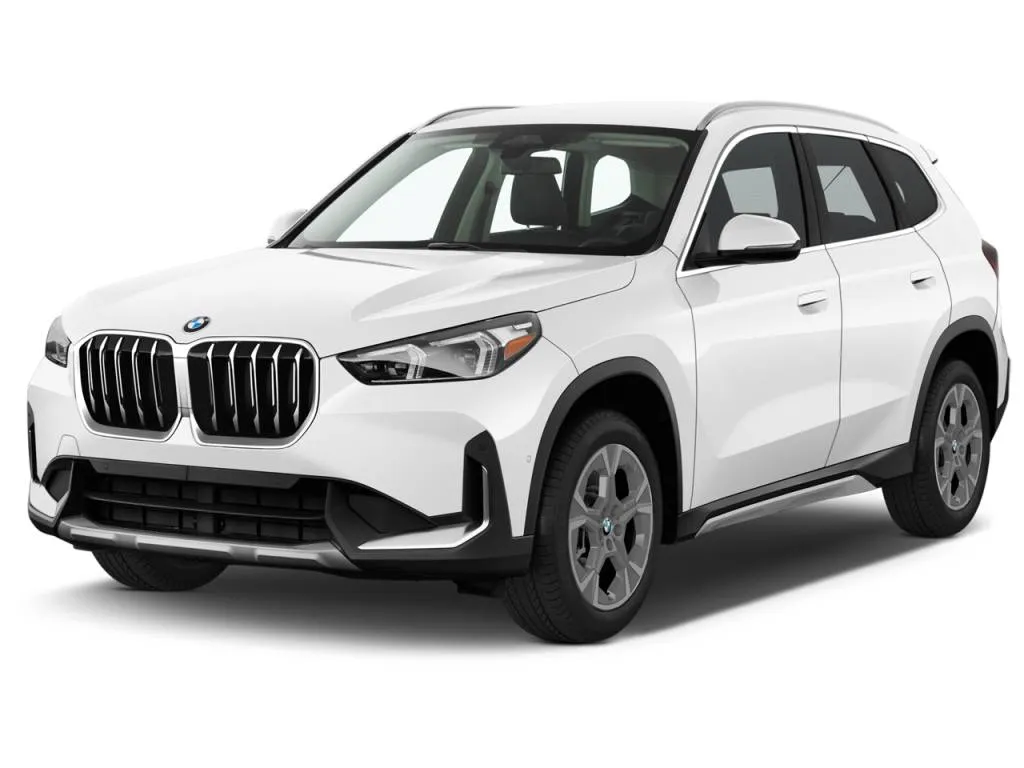
The BMW X1 sits at an interesting crossroads in the SUV world. It’s compact enough to feel nimble in tight city streets, yet powerful enough to deliver the kind of driving pleasure we expect from BMW. But one question many buyers ask before committing is simple:
What engine size does the BMW X1 have?
At first glance, the answer seems straightforward. But once we peel back the layers—generations, petrol vs diesel engines, hybrid options, and performance variants—we realize the BMW X1 engine size story is richer and more nuanced than it appears.
In this guide, we’ll explore everything you need to know about BMW X1 engine sizes, including:
- Engine capacities across generations
- Petrol vs diesel engine options
- Plug-in hybrid engines
- Performance differences
- Which engine size is best for different drivers
Think of the engine as the heart of the vehicle. And in the BMW X1, that heart has evolved significantly over the years.
Let’s dive in.
Content in this publication
- Understanding BMW X1 Engine Size
- BMW X1 Generations and Their Engine Sizes
- 2.0L Four-Cylinder Engines
- 3.0L Inline-Six Engine
- 1.5L Three-Cylinder Engine
- 2.0L Four-Cylinder Engines
- Plug-In Hybrid Engine (xDrive25e)
- 1.5L Petrol Engine
- 2.0L Petrol Engines
- 2.0L Diesel Engines
- Plug-In Hybrid Engines
- Acceleration
- Fuel Efficiency
- Towing Capability
- Are BMW X1 Engines Turbocharged?
- Are BMW X1 Engines Reliable?
- TwinPower Turbo
- Valvetronic Technology
- Direct Fuel Injection
Understanding BMW X1 Engine Size
Before we look at specific engines, it helps to understand what engine size actually means.
What Does Engine Size Mean?
Engine size refers to the total volume of all cylinders in an engine, usually measured in:
- Litres (L)
- Cubic centimetres (cc)
For example:
- 1.5L engine = 1499cc
- 2.0L engine = around 1998cc
In simple terms:
- Smaller engines → better fuel economy
- Larger engines → more power
But modern engineering blurs that line thanks to turbocharging and hybrid technology.
BMW has mastered this balance.
BMW X1 Generations and Their Engine Sizes
The BMW X1 has gone through three major generations, and each generation introduced new engine options.
BMW X1 Generations Overview
| Generation | Years | Typical Engine Sizes |
|---|---|---|
| E84 | 2009–2015 | 2.0L – 3.0L |
| F48 | 2015–2022 | 1.5L – 2.0L |
| U11 | 2022–Present | 1.5L – 2.0L + Hybrid |
Notice something interesting?
BMW gradually downsized engines while maintaining performance through turbocharging.
First Generation BMW X1 (E84) Engine Sizes
The E84 BMW X1 launched in 2009 and introduced the brand’s first compact SUV.
Engine Size Range
Most models came with:
- 2.0-litre 4-cylinder engines
- 3.0-litre inline-six engine
These engines were borrowed from BMW’s sedan lineup.
2.0L Four-Cylinder Engines
These engines powered the majority of X1 models.
Typical variants included:
- sDrive18i – 2.0L petrol
- xDrive20i – 2.0L turbo petrol
- sDrive18d – 2.0L diesel
- xDrive20d – 2.0L diesel
Power Range
- 143 hp – 184 hp
Despite modest displacement, BMW engineered these engines for strong torque and efficiency.
3.0L Inline-Six Engine
At the top of the lineup sat the BMW X1 xDrive35i.
Engine Specs
- Engine size: 3.0L (2979cc)
- Configuration: Inline-6 turbo
- Power: ~302 hp
This engine transformed the compact SUV into a surprisingly quick performance machine.
Imagine a family SUV that could sprint like a sports sedan.
That was the magic of the 3.0L BMW engine.
Second Generation BMW X1 (F48) Engine Sizes
In 2015, BMW redesigned the X1 entirely.
The biggest change?
Front-wheel-drive architecture and smaller engines.
You may be interested in reading BMW X1 Battery Replacement: The Complete Owner’s Guide
1.5L Three-Cylinder Engine
BMW introduced its 1.5-litre turbocharged 3-cylinder engine.
Typical Models
- BMW X1 sDrive18i
- BMW X1 sDrive16d
Engine Specs
- Engine size: 1.5L (1499cc)
- Power: 114 – 138 hp
This engine prioritized fuel economy and urban usability.
It’s small, efficient, and surprisingly punchy thanks to turbocharging.
2.0L Four-Cylinder Engines
The 2.0L engine remained the backbone of the X1 lineup.
Common Variants
- sDrive20i
- xDrive20i
- xDrive25i
- xDrive20d
- xDrive25d
Typical Specs
- Engine size: 1998cc
- Power range: 178 – 231 hp
This engine strikes a sweet spot between power and efficiency.
Many reviewers consider it the best engine choice in the X1 lineup.
Plug-In Hybrid Engine (xDrive25e)
BMW also introduced a hybrid powertrain.
Hybrid Engine Setup
- 1.5L petrol engine
- Electric motor
- Battery pack
Combined Output
- 220 hp
Electric range is roughly 30–50 km depending on conditions.
This combination offers:
- Lower emissions
- Better city efficiency
- Instant electric torque
Third Generation BMW X1 (U11) Engine Sizes
The latest generation arrived in 2022.
And it reflects modern trends perfectly.
Smaller engines.
More electrification.
Better efficiency.
1.5L Petrol Engine
Entry-level versions use a 1.5-litre turbocharged engine.
Example Model
BMW X1 sDrive18i
Engine Specs
- Engine size: 1499cc
- Power: ~136 hp
Ideal for:
- City driving
- Daily commuting
- Lower insurance costs
2.0L Petrol Engines
Higher trims use the 2.0-litre turbocharged engine.
Example Models
- xDrive23i
- M35i (performance variant)
Power Range
- 218 hp – 300 hp
The M35i in particular turns the X1 into a compact performance SUV.
2.0L Diesel Engines
Diesel remains popular in Europe.
Typical models include:
- sDrive18d
- xDrive23d
Engine Size
1995cc
Diesel engines provide:
- Strong torque
- Excellent motorway fuel economy
- Long driving range
Plug-In Hybrid Engines
Hybrid versions combine a 1.5L petrol engine with electric motors.
Hybrid Models
- X1 xDrive25e
- X1 xDrive30e
Combined Power
- 245 hp – 326 hp
Electric-only driving range can exceed 80 km in newer models.
BMW X1 Engine Size Comparison
Here’s a quick summary of engine sizes across versions.
| Engine | Size | Cylinders | Power |
|---|---|---|---|
| 1.5L Petrol | 1499cc | 3 | 136 hp |
| 2.0L Petrol | 1998cc | 4 | 178–300 hp |
| 2.0L Diesel | 1995cc | 4 | 150–230 hp |
| 3.0L Petrol | 2979cc | 6 | 302 hp |
How Engine Size Affects BMW X1 Performance
Engine size directly influences several driving characteristics.
Let’s break it down.
You may be interested in readingBMW X1 Battery Replacement: The Complete Owner’s GuideYou may be interested in reading
 BMW X1 Boot Capacity: A Complete Guide to Space, Practicality, and Real-World Usability
Acceleration
Generally:
- 1.5L engines: 0–60 mph in ~9 seconds
- 2.0L engines: 0–60 mph in ~6–7 seconds
- 3.0L engines: 0–60 mph in ~5 seconds
Fuel Efficiency
Smaller engines typically consume less fuel.
Average economy:
- 1.5L petrol: ~45 mpg
- 2.0L petrol: ~38 mpg
- 2.0L diesel: ~55 mpg
Towing Capability
Larger engines provide stronger towing capacity.
Typical ranges:
- 1.5L engines: ~1500 kg
- 2.0L engines: ~2000 kg
Which BMW X1 Engine Size Is Best?
The answer depends on your driving style.
Choose the 1.5L Engine If You Want:
- Lower running costs
- Urban driving comfort
- Better fuel economy
Choose the 2.0L Engine If You Want:
- Balanced performance
- Better motorway driving
- Stronger acceleration
Choose the Hybrid If You Want:
- Lower emissions
- Electric commuting
- Future-proof technology
Common Questions About BMW X1 Engine Size
Drivers often wonder about reliability and maintenance.
Let’s clear up a few points.
Are BMW X1 Engines Turbocharged?
Yes.
Almost every modern BMW X1 engine uses turbocharging.
This allows:
- Smaller engines
- Higher efficiency
- Stronger performance
Are BMW X1 Engines Reliable?
Generally, yes—especially when properly maintained.
However, like any premium car:
- Oil changes are essential
- High-quality fuel is recommended
- Regular servicing helps longevity
BMW X1 Engine Technology
BMW uses several technologies to maximize performance.
TwinPower Turbo
BMW’s TwinPower Turbo system improves:
- Power delivery
- Efficiency
- Throttle response
Valvetronic Technology
Valvetronic adjusts valve lift to optimize airflow.
Benefits include:
- Better fuel economy
- Smoother acceleration
Direct Fuel Injection
Direct injection improves:
- Combustion efficiency
- Power output
- Emissions control
Closing Thoughts
The BMW X1 engine size lineup tells a fascinating story about automotive evolution.
From 3.0-litre inline-six engines to turbocharged 1.5-litre hybrids, BMW has refined the formula for balancing performance and efficiency.
If we had to summarize the lineup:
- 1.5L engines → efficiency champions
- 2.0L engines → perfect all-rounders
- 3.0L engines → performance beasts
- Hybrid engines → the future
Ultimately, the best engine depends on how and where you drive.
But one thing remains constant:
The BMW X1 continues to deliver driving enjoyment wrapped in a compact SUV package.
Frequently Asked Questions
1. What engine size does the BMW X1 have?
The BMW X1 typically uses 1.5-litre or 2.0-litre engines, depending on the model and trim.
2. Does the BMW X1 have a 3.0L engine?
Yes, early models like the X1 xDrive35i used a 3.0-litre inline-six engine.
3. Is the BMW X1 engine turbocharged?
Yes. Modern BMW X1 engines use turbocharging to improve power and efficiency.
4. Which BMW X1 engine is most powerful?
The BMW X1 M35i, using a 2.0-litre turbo engine, produces around 300 horsepower.
You may be interested in readingBMW X1 Battery Replacement: The Complete Owner’s GuideYou may be interested in reading
BMW X1 Boot Capacity: A Complete Guide to Space, Practicality, and Real-World UsabilityYou may be interested in reading
 Dacia Duster Service Light Reset: Complete Step-by-Step Guide
5. Is the BMW X1 available as a hybrid?
Yes. Plug-in hybrid models like xDrive25e combine a 1.5-litre petrol engine with electric motors.
If you want to know other articles similar to BMW X1 Engine Size: Complete Guide to BMW X1 Engine Capacity, Performance, and Options you can visit the category Service and Parts.
Dacia Duster Warning Lights: Complete Dashboard Symbol Guide
Dacia Duster Tyre Pressure Reset: Complete Guide for Every Model
Dacia Duster Service Light Reset: Complete Step-by-Step Guide
BMW X1 Boot Capacity: A Complete Guide to Space, Practicality, and Real-World Usability
BMW X1 Battery Replacement: The Complete Owner’s Guide
BMW X1 Warning Lights: Meaning, Causes, and What to Do
Leave a Reply
More content of your interest