

Nissan Leaf Service Schedule: The Complete Maintenance Guide for Long-Term Reliability

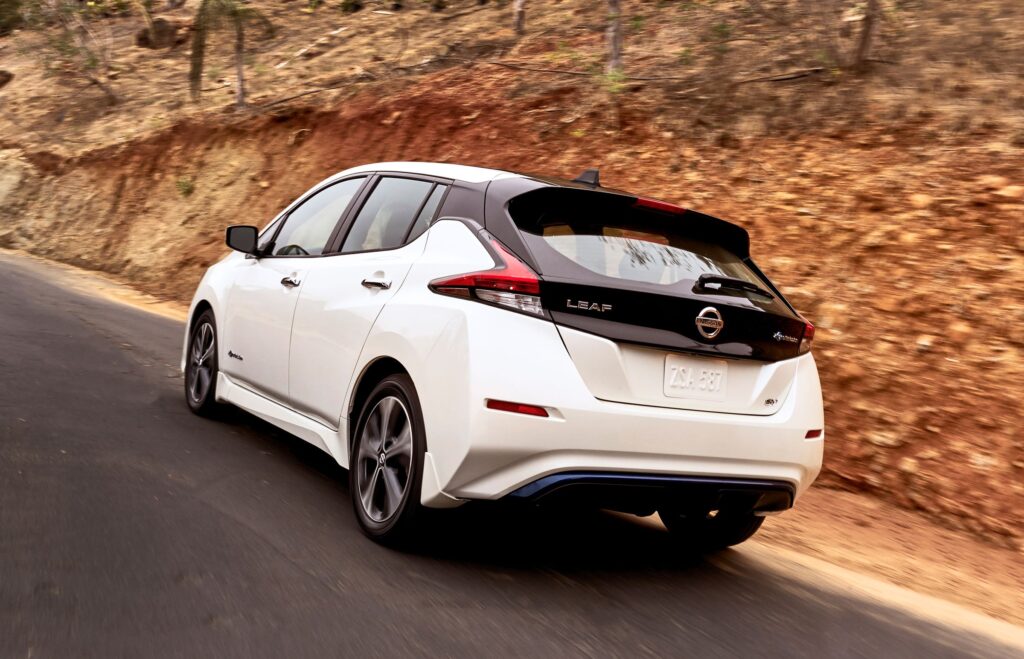
Electric vehicles have quietly rewritten the rules of car ownership. With no oil changes, fewer moving parts, and whisper-quiet motors, EVs like the Nissan Leaf feel refreshingly simple compared to traditional petrol or diesel cars. But here’s the question many owners eventually ask: If an EV has fewer parts, does it even need servicing?
The answer is yes—just in a different way.
While the Nissan Leaf service schedule is simpler than that of internal combustion vehicles, regular maintenance still plays a crucial role in protecting battery health, ensuring safety systems work correctly, and keeping the car performing smoothly for years.
In this guide, we’ll walk through the full service schedule, explain what actually gets checked during maintenance visits, and share practical tips to extend the lifespan of your Leaf.
Content in this publication
- Understanding the Nissan Leaf Maintenance Philosophy
- Why Electric Cars Still Need Regular Servicing
- Typical Nissan Leaf Service Intervals
- First Service: 12 Months or 12,000 Miles
- Two-Year Service: What Changes?
- Three-Year Service: Brake Fluid Replacement
- Five-Year Service: Coolant System Maintenance
- Battery Health Checks Explained
- How Regenerative Braking Affects Maintenance
- Tire Maintenance: The Most Frequent Service Need
- Cabin Air Filter Replacement
- Software Updates: The Hidden Maintenance
- Suspension and Steering Inspections
- Nissan Leaf Brake Maintenance
- Long-Term Maintenance Milestones
- Cost of Servicing a Nissan Leaf
- DIY Maintenance Tips for Leaf Owners
- Tips to Extend Nissan Leaf Battery Life
- Signs Your Nissan Leaf Needs Immediate Service
- Is the Nissan Leaf Cheap to Maintain?
- Final Thoughts: Keeping Your Nissan Leaf Running Smoothly
- Frequently Asked Questions
Understanding the Nissan Leaf Maintenance Philosophy
The first thing we notice when looking at the Nissan Leaf maintenance plan is how streamlined it is. Traditional cars revolve around oil changes, timing belts, spark plugs, and fuel filters. The Leaf? None of that.
Instead, servicing focuses on:
- Battery health
- Brake system condition
- Cooling systems
- Cabin comfort components
- Electrical diagnostics
In many ways, maintaining a Leaf feels less like mechanical upkeep and more like keeping a sophisticated piece of technology in optimal condition.
Why Electric Cars Still Need Regular Servicing
Even though EVs have fewer moving components, they still rely on systems that experience wear over time.
Key components that require monitoring
- Brake pads and discs
- Suspension components
- Cabin air filters
- Tires and wheel alignment
- Cooling system fluids
- Software updates
Think of servicing an EV like maintaining a laptop or smartphone—hardware might last years, but updates, cleaning, and system checks keep everything running efficiently.
Typical Nissan Leaf Service Intervals
Most Nissan Leaf models follow a 12-month or 12,000-mile (20,000 km) service interval, whichever comes first.
Standard Maintenance Timeline
| Interval | Main Service Items |
|---|---|
| Every 12 months | Battery inspection, brakes, tires |
| Every 24 months | Cabin filter replacement |
| Every 36 months | Brake fluid replacement |
| Every 5 years | Coolant replacement |
| Every 6 years | EV system comprehensive inspection |
This schedule may vary slightly depending on model year and driving conditions.
First Service: 12 Months or 12,000 Miles
The first service is usually quick but important. It ensures that the vehicle’s systems are functioning correctly after its initial year of use.
Typical checks include
- Battery health inspection
- Brake system inspection
- Tire rotation and tread check
- Steering and suspension check
- Software diagnostics
- Cabin air filter check
- Cooling system inspection
Although nothing major is typically replaced, this service establishes a baseline for future maintenance.
Two-Year Service: What Changes?
By the second year, some wear items begin to show signs of aging.
Additional maintenance tasks
- Cabin air filter replacement
- Brake inspection
- High-voltage battery health report
- Charging port inspection
- Suspension and steering check
Cabin filters are particularly important in EVs because they help maintain air quality inside the vehicle.
Three-Year Service: Brake Fluid Replacement
One key maintenance item often overlooked is brake fluid.
Even though regenerative braking reduces brake wear, brake fluid still absorbs moisture over time.
Why brake fluid replacement matters
- Maintains braking efficiency
- Prevents corrosion in brake lines
- Ensures safety systems function correctly
Replacing brake fluid every 3 years keeps braking performance predictable and safe.
Five-Year Service: Coolant System Maintenance
The Leaf uses coolant to regulate the temperature of key components.
Systems using coolant
- Inverter
- Electric motor
- Power electronics
Over time, coolant degrades and loses effectiveness.
Five-year maintenance includes
- Coolant replacement
- Cooling system inspection
- Electric drive system checks
This helps prevent overheating and extends the life of electronic components.
Battery Health Checks Explained
The high-voltage battery is the heart of the Nissan Leaf.
Each service visit typically includes a battery health report that evaluates:
- Charge capacity
- Temperature balance
- Charging efficiency
- Internal resistance
These reports help owners monitor long-term battery degradation.
How Regenerative Braking Affects Maintenance
One fascinating aspect of EV ownership is how regenerative braking reduces wear.
Benefits
- Brake pads last longer
- Less brake dust buildup
- Lower maintenance costs
Some Leaf owners report brake pads lasting 80,000 miles or more thanks to regenerative braking.
Tire Maintenance: The Most Frequent Service Need
Ironically, the most common maintenance item on EVs isn’t mechanical—it’s tires.
Why EV tires wear faster
- Instant torque from electric motors
- Heavier vehicle weight due to batteries
Recommended tire maintenance
- Rotate tires every 10,000–12,000 miles
- Check pressure monthly
- Align wheels annually
Proper tire care improves range and safety.
Cabin Air Filter Replacement
Because EVs operate quietly, airflow systems become more noticeable.
A clogged cabin filter can lead to:
- Reduced airflow
- Poor air quality
- Increased HVAC workload
Replacing it every 2 years keeps the interior environment fresh.
Modern EVs rely heavily on software.
During service visits, technicians often install updates that improve:
- Battery management
- Charging efficiency
- Infotainment features
- Driver assistance systems
Think of these updates like firmware upgrades on your smartphone.
Suspension and Steering Inspections
Even though EV drivetrains require less maintenance, traditional components still wear out.
Components checked
- Control arms
- Ball joints
- Shock absorbers
- Steering rack
These inspections ensure the car continues to handle safely and comfortably.
Nissan Leaf Brake Maintenance
Despite regenerative braking, conventional brakes remain essential.
Typical brake service
- Brake pad inspection
- Disc condition check
- Brake fluid replacement
- Parking brake inspection
Brake components usually last significantly longer compared to petrol vehicles.
Long-Term Maintenance Milestones
Here’s a simplified long-term maintenance overview.
Major maintenance timeline
1 year
- Inspection service
2 years
- Cabin filter replacement
3 years
- Brake fluid replacement
5 years
- Coolant replacement
10 years
- Comprehensive EV system inspection
Compared with traditional cars, this schedule is remarkably light.
Cost of Servicing a Nissan Leaf
EV servicing costs are generally lower than those of combustion cars.
Estimated annual maintenance cost
- Basic service: $100 – $200
- Major service: $250 – $400
Because there are no oil changes or engine components to maintain, long-term costs remain predictable.
DIY Maintenance Tips for Leaf Owners
Owners can handle some simple tasks at home.
Easy maintenance checks
- Tire pressure monitoring
- Cleaning charging port
- Windshield washer refill
- Cabin filter replacement
These small habits can reduce service visits.
Tips to Extend Nissan Leaf Battery Life
Battery longevity depends heavily on driving and charging habits.
Best practices
- Avoid frequent fast charging
- Keep battery between 20–80% when possible
- Park in shade during hot weather
- Avoid long periods at 100% charge
Treat the battery like a marathon runner—steady pacing leads to longer endurance.
Signs Your Nissan Leaf Needs Immediate Service
Sometimes your car tells you something isn’t right.
Watch for these warning signs
- Reduced driving range
- Warning lights on dashboard
- Charging issues
- Unusual noises from suspension
- Poor braking response
Early diagnosis often prevents bigger problems.
Is the Nissan Leaf Cheap to Maintain?
In short—yes.
Compared to petrol cars, the Leaf eliminates:
- Oil changes
- Fuel system maintenance
- Exhaust repairs
- Engine belt replacements
Over time, these savings add up significantly.
Final Thoughts: Keeping Your Nissan Leaf Running Smoothly
The Nissan Leaf service schedule proves that electric vehicles are dramatically simpler to maintain than traditional cars. Instead of worrying about engines, spark plugs, or fuel injectors, owners focus on batteries, brakes, and routine inspections.
By following the recommended maintenance intervals and adopting smart charging habits, a Leaf can deliver reliable performance for well over a decade.
Think of it this way: owning a Leaf isn’t about constant mechanical upkeep—it’s about maintaining a sophisticated electric system designed for efficiency and longevity.
Frequently Asked Questions
1. How often should a Nissan Leaf be serviced?
Most Nissan Leaf models require servicing every 12 months or 12,000 miles, whichever comes first.
2. Does a Nissan Leaf need oil changes?
No. Because the Leaf is fully electric, it has no engine oil or oil filter.
3. How long do Nissan Leaf brakes last?
Thanks to regenerative braking, brake pads can last 60,000–100,000 miles depending on driving style.
4. How often should the coolant be replaced in a Nissan Leaf?
Coolant typically needs replacement every 5 years.
5. Is maintaining an EV cheaper than a petrol car?
Yes. EVs generally require 30–50% less maintenance because they have fewer moving parts.
If you want to know other articles similar to Nissan Leaf Service Schedule: The Complete Maintenance Guide for Long-Term Reliability you can visit the category Maintenance.
Kia Sorento Service Schedule: Complete Maintenance Guide
Haval Jolion Service Cost: Australia Maintenance Guide

Nissan Rogue Maintenance Schedule: Complete Service Guide

Honda Passport Maintenance Codes: Complete Maintenance Minder Guide
Honda Passport Maintenance Schedule: Complete Service Guide
Nissan Rogue Maintenance Schedule: Complete Service Guide
Leave a Reply
More content of your interest