

Peugeot 308 Years to Avoid: The Honest Buyer’s Guide to Problem Models

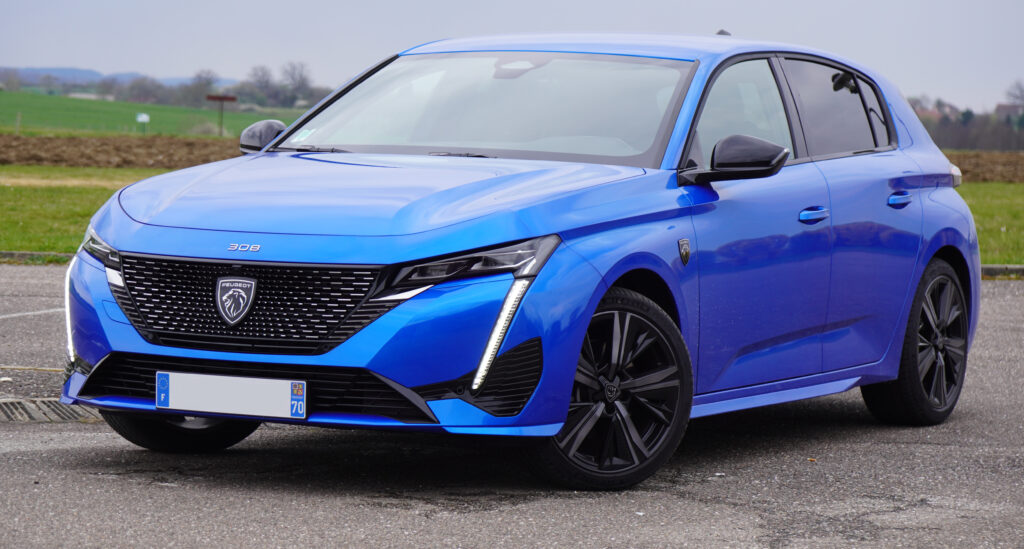
The Peugeot 308 has quietly become one of Europe’s most popular hatchbacks. It’s stylish, comfortable, and often more affordable than rivals like the Volkswagen Golf or Ford Focus. But like any car with a long production history, not every model year is equally dependable.
Some versions of the 308 have earned praise for reliability and efficiency, while others… well, they’ve left owners scratching their heads in the driveway with a warning light blinking like a stubborn alarm clock.
So if you're thinking about buying one, the big question is:
Which Peugeot 308 years should you avoid?
In this guide, we’ll break it all down—generation by generation—looking at the problematic years, common faults, engine issues, and the safest models to buy instead. Think of it as a map through the minefield so you don’t accidentally step on one.
Content in this publication
- Understanding the Peugeot 308 Generations
- Why Some Peugeot 308 Years Are Worse Than Others
- 1. Peugeot 308 (2008–2009)
- 2. Peugeot 308 (2010–2011)
- 3. Peugeot 308 (2014)
- 4. Peugeot 308 (2015 Diesel Models)
- First Generation Peugeot 308 (2007–2013) Problems
- Second Generation Peugeot 308 (2013–2021) Problems
- Third Generation Peugeot 308 (2021–Present)
- 1.6 THP Petrol Engine
- 1.6 HDi Diesel
- BlueHDi Diesel Engines
- Which Peugeot 308 year is the most unreliable?
- Is the Peugeot 308 a reliable car overall?
- Which Peugeot 308 engine should I avoid?
- Do Peugeot 308 diesels have problems?
- How long can a Peugeot 308 last?
Understanding the Peugeot 308 Generations
Before we dive into specific problem years, it helps to understand how the 308 evolved.
The Peugeot 308 has three main generations:
- First Generation (T7): 2007–2013
- Second Generation (T9): 2013–2021
- Third Generation (P5): 2021–Present
Each generation brought improvements—but also a few new headaches.
Why Some Peugeot 308 Years Are Worse Than Others
Cars evolve every year. Manufacturers fix bugs, update components, and refine designs.
However, early versions of new models often suffer from:
- Unresolved engineering issues
- Unreliable new engines
- Software glitches
- Electrical problems
- Premature component wear
It’s the automotive version of buying the first batch of a new smartphone—you might end up testing it for the manufacturer.
Peugeot 308 Years to Avoid
If reliability is your priority, there are a few years that deserve extra caution.
1. Peugeot 308 (2008–2009)
These early first-generation models are widely considered the most problematic.
Common problems
- Faulty electrical systems
- DPF clogging in diesel models
- Timing chain issues in petrol engines
- Frequent warning lights
- Premature clutch wear
Owners often reported dashboard warning lights appearing randomly, sometimes without an actual fault. Imagine driving peacefully when suddenly the car decides it wants to pretend something is wrong.
Engines most affected
- 1.6 THP petrol
- 1.6 HDi diesel
The 1.6 THP engine in particular developed a reputation for timing chain stretching, which could lead to rough running or expensive repairs.
2. Peugeot 308 (2010–2011)
These years improved slightly but still carried several inherited problems from the early T7 generation.
Typical issues
- Turbocharger failures
- EGR valve faults
- Electrical gremlins
- Gearbox sensor failures
Some owners also reported rough idle and power loss, especially in diesel variants.
Why buyers should be cautious
Many of these cars are now over a decade old, which means wear and tear can amplify existing design weaknesses.
3. Peugeot 308 (2014)
The second-generation 308 (T9) launched in 2013, but 2014 models often appear on reliability watchlists.
New platforms are exciting—but they can also come with teething problems.
Frequent complaints
- Infotainment system glitches
- Touchscreen failures
- Electrical software bugs
- Faulty parking sensors
The new i-Cockpit interface was revolutionary at the time, but early systems sometimes froze or restarted unexpectedly.
You may be interested in reading Pros and Cons Mazda CX-30: The Complete Real-World Ownership Guide
Think of it like using a brand-new laptop with unfinished software updates.
4. Peugeot 308 (2015 Diesel Models)
Not all 2015 models were problematic—but certain BlueHDi diesel versions experienced issues with emissions systems.
Reported issues
- AdBlue system failures
- SCR system faults
- Warning lights for emissions
These problems could sometimes trigger limp mode, limiting engine performance until the issue was resolved.
Repairs involving SCR systems can become expensive quickly.
Peugeot 308 Problems by Generation
Understanding common faults across generations helps explain why certain years should be avoided.
First Generation Peugeot 308 (2007–2013) Problems
Electrical faults
One of the most common complaints involved electrical components:
- Central locking failures
- Dashboard warning lights
- Faulty sensors
Many of these issues stemmed from the BSI module (Body Systems Interface).
Timing chain problems
The 1.6 THP petrol engine, developed with BMW, suffered from timing chain stretching.
Symptoms included:
- Rattling noise at startup
- Engine misfires
- Check engine lights
Ignoring the problem could lead to severe engine damage.
DPF issues
Diesel engines frequently experienced DPF blockages, especially in vehicles used mainly for short trips.
Second Generation Peugeot 308 (2013–2021) Problems
The second generation was generally more reliable—but not perfect.
Infotainment system glitches
Early touchscreen units sometimes:
- Froze completely
- Restarted randomly
- Failed to connect to Bluetooth
AdBlue system faults
BlueHDi diesel models occasionally suffered from:
- AdBlue injector failures
- Sensor faults
- Warning messages requiring expensive repairs
Clutch wear
Manual transmission versions sometimes experienced premature clutch wear, particularly in city driving.
Third Generation Peugeot 308 (2021–Present)
The newest generation is far too recent to fully judge long-term reliability.
However, early reports highlight:
- Minor software bugs
- Infotainment lag
- Hybrid system updates
Fortunately, serious mechanical faults haven’t become widespread.
Peugeot 308 Engines That Caused the Most Trouble
Some of the 308’s issues are tied directly to certain engines.
1.6 THP Petrol Engine
Known problems
- Timing chain stretch
- Carbon buildup
- Oil consumption
This engine delivers strong performance—but it needs strict maintenance.
1.6 HDi Diesel
Common issues
- Turbo failure
- DPF clogging
- Injector faults
These problems often occur if the car hasn’t been serviced regularly.
You may be interested in readingPros and Cons Mazda CX-30: The Complete Real-World Ownership GuideYou may be interested in reading
 Which Ford Kuga Engine Is Best? The Complete Real-World Guide
BlueHDi Diesel Engines
These engines are efficient but rely heavily on emissions technology.
Potential faults
- AdBlue pump failures
- SCR system warnings
- Sensor errors
Peugeot 308 Years That Are Generally Reliable
Now for the good news.
Not every Peugeot 308 is a risk.
Recommended years
- 2016
- 2017
- 2018
- 2019
- 2020
These models benefited from:
- Improved electronics
- Updated engines
- Software refinements
By this point, Peugeot had ironed out many early issues.
Signs a Used Peugeot 308 Might Have Problems
When inspecting a used 308, keep your eyes open for warning signs.
Watch for
- Engine rattling at startup
- Dashboard warning lights
- Rough idle
- Blue smoke from exhaust
- Slow infotainment response
A short test drive can reveal a lot.
Maintenance Tips to Avoid Peugeot 308 Problems
Even the best car can become unreliable without proper care.
Key maintenance steps
- Change oil every 8,000–10,000 miles
- Use high-quality engine oil
- Drive diesel models on long motorway trips occasionally
- Replace timing chain components early if needed
Preventive maintenance is like brushing your teeth—it’s boring but saves you a fortune later.
Peugeot 308 vs Rivals for Reliability
How does the 308 compare with its competitors?
Compared with Volkswagen Golf
- Golf has slightly better reliability
- Peugeot often costs less to buy
Compared with Ford Focus
- Focus has better steering
- Peugeot has better interior design
Compared with Vauxhall Astra
- Reliability is similar
- Peugeot offers better fuel economy
Should You Avoid the Peugeot 308 Entirely?
Absolutely not.
Despite a few problematic years, the Peugeot 308 remains a solid family hatchback.
When maintained properly, many examples exceed 150,000 miles without major issues.
The key is simply choosing the right model year and engine.
Final Thoughts
Buying a used car can feel like navigating a maze blindfolded. But when it comes to the Peugeot 308, the path becomes clearer once you know which years to avoid.
Years to approach carefully
- 2008
- 2009
- 2010
- 2011
- 2014
- Some 2015 diesel models
Safer choices
- 2016–2020 models
- Well-maintained petrol versions
- Cars with full service history
In the end, the Peugeot 308 can be a fantastic hatchback—comfortable, stylish, and efficient.
Just make sure you pick the right one.
Frequently Asked Questions
Which Peugeot 308 year is the most unreliable?
The 2008 and 2009 models are generally considered the most problematic due to electrical faults and timing chain issues.
Is the Peugeot 308 a reliable car overall?
Yes. Later models, especially 2016–2020, have good reliability ratings and fewer reported issues.
Which Peugeot 308 engine should I avoid?
The early 1.6 THP petrol engines are known for timing chain problems if not maintained carefully.
Do Peugeot 308 diesels have problems?
Some BlueHDi diesel models can experience AdBlue system faults, but many run reliably with proper servicing.
You may be interested in readingPros and Cons Mazda CX-30: The Complete Real-World Ownership GuideYou may be interested in reading
Which Ford Kuga Engine Is Best? The Complete Real-World GuideYou may be interested in reading
 BMW X1 Life Expectancy: How Long Does a BMW X1 Really Last?
How long can a Peugeot 308 last?
With good maintenance, a Peugeot 308 can last 150,000 to 200,000 miles or more.
If you want to know other articles similar to Peugeot 308 Years to Avoid: The Honest Buyer’s Guide to Problem Models you can visit the category Blog.
BMW X1 Life Expectancy: How Long Does a BMW X1 Really Last?
Which Ford Kuga Engine Is Best? The Complete Real-World Guide

Pros and Cons Mazda CX-30: The Complete Real-World Ownership Guide
Dacia Duster Years to Avoid: Common Problems and the Best Alternatives

BMW X1 Insurance Group: Complete UK Guide to Costs, Ratings, and Saving Money

BMW X1 Reliability: Is the Compact Luxury SUV Built to Last?
Leave a Reply
More content of your interest