
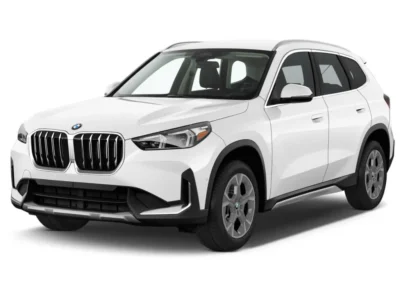
BMW X1 Generations: A Complete Guide to Every Model Evolution

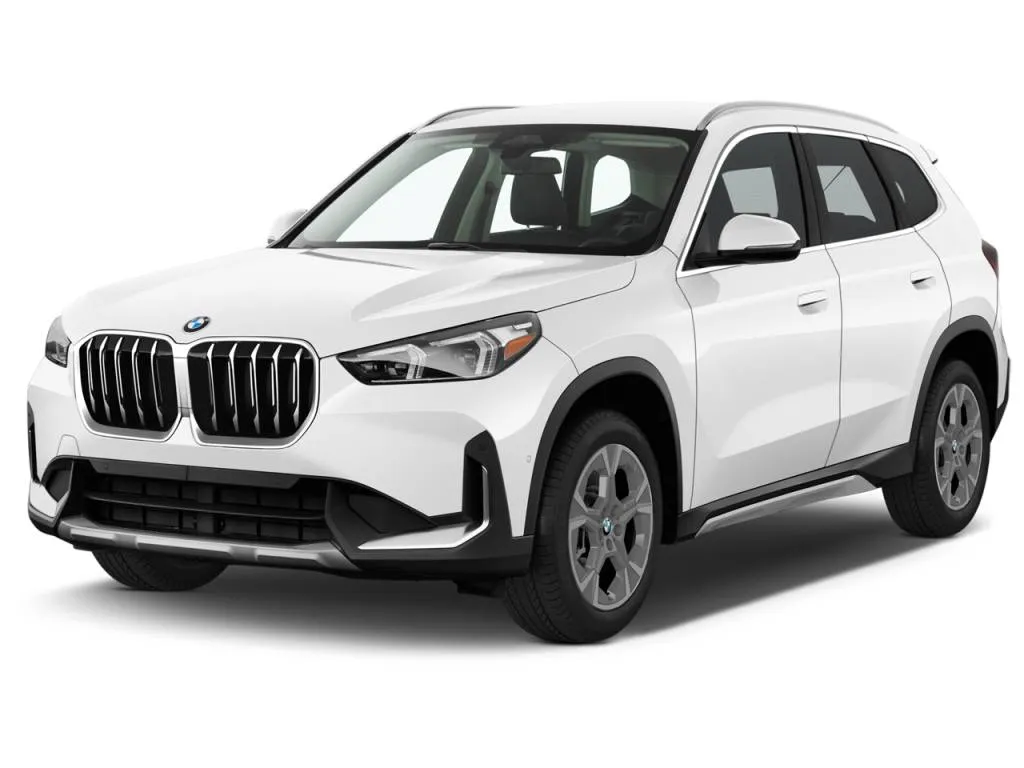
When BMW launched the BMW X1, it changed how many drivers perceived compact luxury SUVs. Suddenly, you didn’t need a huge vehicle to enjoy premium comfort, sporty handling, and everyday practicality. The X1 became the brand’s gateway SUV — small enough for city streets but sophisticated enough to wear the BMW badge proudly.
Over the years, the BMW X1 generations have evolved dramatically. From its early days as a sporty compact crossover to the modern tech-packed luxury SUV we see today, the X1 has grown in size, technology, and appeal.
In this guide, we’ll walk through every BMW X1 generation, exploring design changes, engines, technology, and how each version reshaped the compact luxury SUV segment.
Content in this publication
- The Story Behind the BMW X1
- Overview of BMW X1 Generations
- The Birth of the Compact BMW SUV
- Interior and Cabin Experience
- Engine Options in the E84
- Pros of the First Generation X1
- Cons
- A Major Platform Transformation
- Why BMW Changed the Platform
- Exterior Design Evolution
- Interior Improvements
- Engine Options for the F48
- Plug-In Hybrid: BMW X1 xDrive25e
- Technology and Safety
- A Fully Modern Luxury Compact SUV
- Exterior Design – Bold and Modern
- Interior Revolution
- Electric BMW iX1
- Modern Engine Options
- Technology Highlights
- How the BMW X1 Has Evolved
- Which BMW X1 Generation Is Best?
- Common BMW X1 Buyer Profiles
The Story Behind the BMW X1
Before diving into the generations, it helps to understand why BMW created the X1.
BMW’s Entry-Level SUV Strategy
When BMW expanded its SUV lineup, it already had:
- BMW X5
- BMW X3
- BMW X6
But these models targeted higher price brackets. BMW needed something more accessible — a luxury SUV for younger buyers or first-time BMW owners.
The result?
The BMW X1, introduced in 2009, positioned as the smallest member of the BMW X family.
Why the X1 Became So Popular
The X1 quickly gained traction because it offered:
- Premium BMW driving dynamics
- Compact city-friendly dimensions
- SUV practicality
- Lower entry price than larger BMW SUVs
It became a gateway model to the BMW brand, attracting new drivers worldwide.
Overview of BMW X1 Generations
Before exploring each generation in detail, here’s a quick overview.
| Generation | Code | Production Years |
|---|---|---|
| First Generation | E84 | 2009–2015 |
| Second Generation | F48 | 2015–2022 |
| Third Generation | U11 | 2022–Present |
Each generation introduced major technological and design changes, reflecting how the automotive market evolved.
First Generation BMW X1 (E84) – 2009 to 2015
The Birth of the Compact BMW SUV
The E84 BMW X1 marked BMW’s first attempt at building a compact luxury crossover.
Interestingly, the first X1 was heavily based on the BMW 3 Series Touring platform. That meant it behaved more like a sporty wagon than a traditional SUV.
And honestly? That was part of its charm.
Design and Exterior Styling
The first generation X1 looked like a miniature BMW X5.
Key design features included:
- Classic BMW kidney grille
- Aggressive front bumper styling
- Short overhangs
- Sporty wagon-like profile
Unlike modern SUVs, the E84 had a long hood and rear-wheel-drive proportions, giving it a more athletic stance.
Interior and Cabin Experience
Inside, the E84 reflected BMW’s typical driver-focused cockpit.
Interior Highlights
- Angled center console toward the driver
- High-quality materials
- Simple but premium dashboard layout
- Optional iDrive infotainment system
Compared to modern SUVs, the interior now feels somewhat basic — but at the time, it was perfectly competitive.
Engine Options in the E84
The first generation offered a wide variety of engines, especially in European markets.
Petrol Engines
- sDrive18i
- sDrive20i
- xDrive25i
- xDrive28i
Diesel Engines
- sDrive16d
- sDrive18d
- sDrive20d
- xDrive23d
- xDrive25d
Diesel variants were particularly popular in Europe thanks to their excellent fuel efficiency.
Driving Experience
One thing the E84 did exceptionally well was handling.
Unlike many SUVs, it offered:
- Rear-wheel drive layout (sDrive models)
- Optional xDrive AWD
- Balanced weight distribution
The result? The X1 felt closer to a sporty estate car than a bulky SUV.
Pros of the First Generation X1
- Sporty driving dynamics
- Excellent diesel engine options
- Premium build quality
- Rear-wheel-drive feel
Cons
- Smaller rear seats
- Firm ride on some models
- Limited infotainment compared to modern vehicles
Second Generation BMW X1 (F48) – 2015 to 2022
A Major Platform Transformation
In 2015, BMW launched a completely redesigned X1.
The F48 generation represented a radical shift.
Instead of rear-wheel drive, the new X1 switched to BMW’s UKL front-wheel-drive platform — shared with MINI.
You may be interested in reading BMW X1 Trim Levels: Complete Guide to Every Model and Feature
This move dramatically improved practicality.
Why BMW Changed the Platform
BMW made the switch for several reasons:
- More interior space
- Lower production costs
- Better fuel efficiency
- Greater packaging flexibility
While purists missed the RWD layout, everyday drivers appreciated the extra space and comfort.
Exterior Design Evolution
The F48 looked noticeably more like a traditional SUV.
Changes included:
- Taller body
- More upright stance
- Larger kidney grille
- Sharper headlights
It looked more rugged and mature compared to the wagon-like E84.
Interior Improvements
Inside, BMW made massive improvements.
New Interior Features
- Larger infotainment display
- Digital driver display options
- Higher-quality materials
- Improved rear passenger space
- Larger boot capacity
The F48 felt significantly more practical and family-friendly.
Boot Space Increase
One major improvement was cargo capacity.
| Model | Boot Space |
|---|---|
| E84 | ~420 L |
| F48 | ~505 L |
That extra space made the X1 far more competitive.
Engine Options for the F48
The second generation introduced more efficient turbocharged engines.
Petrol Options
- sDrive18i
- sDrive20i
- xDrive25i
Diesel Options
- sDrive16d
- sDrive18d
- sDrive20d
- xDrive25d
These engines delivered strong performance while improving fuel economy and emissions.
Plug-In Hybrid: BMW X1 xDrive25e
Later in its lifecycle, BMW introduced the X1 plug-in hybrid.
This model combined:
- 1.5L turbo petrol engine
- Electric motor
- Electric-only driving capability
It offered up to around 50 km of electric range, appealing to eco-conscious drivers.
Technology and Safety
The F48 also introduced modern driver-assistance systems:
- Adaptive cruise control
- Lane departure warning
- Parking assistant
- Head-up display
BMW finally pushed the X1 into the modern tech era.
Third Generation BMW X1 (U11) – 2022 to Present
A Fully Modern Luxury Compact SUV
The newest BMW X1 generation (U11) represents the biggest leap yet.
BMW redesigned the X1 to align with the brand’s latest design language and electrification strategy.
The result is a larger, more luxurious, and more technologically advanced SUV.
Exterior Design – Bold and Modern
The latest X1 looks dramatically different from earlier models.
Design changes include:
- Massive kidney grille
- Slim LED headlights
- Strong shoulder lines
- Larger proportions
It now feels closer to the BMW X3 in presence.
Interior Revolution
The interior of the U11 generation feels almost futuristic.
BMW Curved Display
One of the biggest highlights is the BMW Curved Display, combining:
- Digital instrument cluster
- Large infotainment screen
Both screens run BMW iDrive 8 software.
Minimalist Dashboard
The cabin design now features:
- Floating center console
- Fewer physical buttons
- Ambient lighting
- Premium materials
It feels like a high-tech lounge on wheels.
You may be interested in readingBMW X1 Trim Levels: Complete Guide to Every Model and FeatureYou may be interested in reading
 Test Drive Review: The Fiat 500 Abarth 0-60 Acceleration
Electric BMW iX1
For the first time, BMW introduced a fully electric X1.
The BMW iX1 offers:
- Dual-motor all-wheel drive
- Around 270–300 miles range (WLTP)
- Instant electric acceleration
This move reflects BMW’s long-term electrification strategy.
Modern Engine Options
The U11 generation includes:
Petrol Engines
- sDrive18i
- xDrive23i
Diesel Engines
- sDrive18d
- xDrive23d
Hybrid Options
- xDrive25e
- xDrive30e
Fully Electric
- iX1 xDrive30
The lineup now covers every powertrain type.
Technology Highlights
The newest X1 comes packed with cutting-edge features.
Driver Assistance Systems
- Adaptive cruise control
- Traffic jam assistant
- Lane keeping assist
- 360° cameras
Connectivity
- Wireless Apple CarPlay
- Android Auto
- Over-the-air software updates
BMW X1 Generations Compared
Let’s quickly compare the key characteristics.
| Generation | Character |
|---|---|
| E84 | Sporty crossover with RWD feel |
| F48 | Practical family SUV |
| U11 | High-tech luxury SUV |
Each generation reflects the changing priorities of SUV buyers.
How the BMW X1 Has Evolved
Across its generations, the X1 has grown in:
- Size
- Interior technology
- Electrification
- Comfort
What began as a sporty compact crossover has become a premium technology-driven SUV.
Which BMW X1 Generation Is Best?
That depends on what you value.
Best for Driving Enthusiasts
The E84 generation stands out thanks to its rear-wheel-drive roots.
Best Value Used SUV
The F48 generation offers the best mix of:
- Modern technology
- Practical interior
- Affordable used prices
Best Overall Modern SUV
The U11 generation wins for:
- Technology
- Efficiency
- Electrification options
Common BMW X1 Buyer Profiles
Typical X1 buyers include:
- Young professionals
- Small families
- First-time luxury SUV owners
- Urban drivers
The X1 delivers premium experience without the size of larger SUVs.
Future of the BMW X1
Looking ahead, the X1 will likely continue evolving toward full electrification.
BMW has already hinted that future models will emphasize:
- EV technology
- Autonomous driving
- Connected digital ecosystems
The iX1 is just the beginning.
Conclusion
The journey through BMW X1 generations shows how dramatically the compact luxury SUV segment has evolved.
What started as a sporty, wagon-like crossover has transformed into a technology-packed luxury SUV with electric options.
Each generation reflects its era:
- E84: Driving-focused crossover
- F48: Practical family SUV
- U11: High-tech electrified compact SUV
And if history tells us anything, the next generation of the X1 will likely push even further into the world of smart, electric mobility.
FAQs
1. How many BMW X1 generations are there?
There are three main BMW X1 generations: E84 (2009–2015), F48 (2015–2022), and U11 (2022–present).
2. Which BMW X1 generation is most reliable?
The F48 generation (2015–2022) is generally considered the most reliable thanks to improved engines and refined technology.
3. When did the electric BMW X1 appear?
The fully electric BMW iX1 was introduced with the third generation (U11) in 2022.
4. Was the first BMW X1 rear-wheel drive?
Yes. The E84 generation used a rear-wheel-drive platform derived from the BMW 3 Series.
5. Is the latest BMW X1 bigger than previous models?
Yes. The U11 generation is larger, offering more interior space, technology, and improved comfort.
You may be interested in readingBMW X1 Trim Levels: Complete Guide to Every Model and FeatureYou may be interested in reading
Test Drive Review: The Fiat 500 Abarth 0-60 AccelerationYou may be interested in reading
 Customizing Your Ride: A Comprehensive Guide to the Fiat 500 Body Kit
If you want to know other articles similar to BMW X1 Generations: A Complete Guide to Every Model Evolution you can visit the category Models.
BMW X1 Trim Levels: Complete Guide to Every Model and Feature
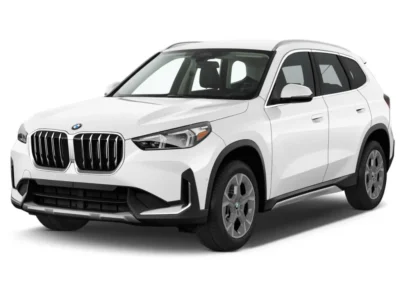
BMW X1 Competitors: The Best Luxury SUV Alternatives to Consider
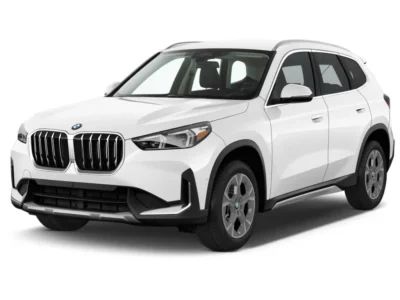
BMW X1 Alternatives: Best Compact Luxury SUVs to Consider
Toyota Corolla Cross Variants: Complete Guide to Every Trim and Model
Peugeot 308 Trim Levels: The Complete Guide to Every Model and Specification
Mazda CX-30 vs CX-3 Dimensions: A Complete Size Comparison Guide
Leave a Reply
More content of your interest