

Audi Q3 Reliability: The Honest Owner’s Guide to What Really Matters

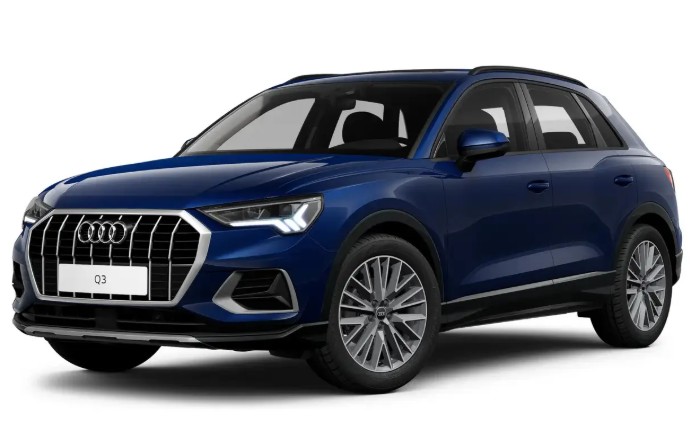
When we talk about the Audi Q3, we’re not just talking about a compact premium SUV—we’re talking about a car that promises sophistication, comfort, and that unmistakable German engineering flair. But here’s the real question: is it reliable enough to live with every day without headaches?
Let’s dive deep. No fluff. No recycled facts. Just real insights, ownership truths, and what you genuinely need to know.
Content in this publication
- What Does “Reliability” Really Mean for the Audi Q3?
- Audi Q3 Generations: Reliability Differences Explained
- Audi Q3 Engine Reliability: Petrol vs Diesel vs Hybrid
- Transmission Reliability: DSG vs Manual
- Electrical Reliability: The Hidden Weak Spot
- Real Owner Feedback: What People Actually Say
- Maintenance Costs: What You’ll Actually Pay
- Most Common Audi Q3 Problems
- How Reliable Is the Audi Q3 Compared to Rivals?
- Is the Audi Q3 Expensive to Fix?
- Reliability by Mileage: What to Expect Over Time
- How to Make an Audi Q3 More Reliable
- Best Audi Q3 Models for Reliability
- Worst Audi Q3 Years to Avoid
- Is the Audi Q3 Reliable for Daily Use?
- Long-Term Reliability: 5+ Years Ownership
- Pros and Cons of Audi Q3 Reliability
- Final Verdict: Should You Trust the Audi Q3?
- Conclusion: Reliability Is What You Make It
- FAQs
What Does “Reliability” Really Mean for the Audi Q3?
Reliability isn’t just about whether a car breaks down. It’s about consistency, cost, and confidence.
We’re looking at:
- Mechanical durability
- Electrical stability
- Maintenance frequency
- Long-term ownership costs
- Real-world owner experiences
Think of it like a relationship. It’s not just about how exciting things are at the start—it’s about how things hold up over time.
Audi Q3 Generations: Reliability Differences Explained
First Generation (2011–2018): Solid but Not Perfect
The first-gen Q3 was built on the VW Group platform and shares DNA with cars like the Tiguan.
Strengths
- Proven engines (especially 2.0 TDI)
- Strong build quality
- Comfortable ride
Weak Points
- DSG gearbox issues in early models
- Electrical gremlins (infotainment, sensors)
- EGR valve failures in diesel variants
👉 If you’re buying used, late models (2016–2018) are noticeably more refined.
Second Generation (2018–Present): Big Step Forward
This is where Audi really stepped up.
Improvements
- More advanced tech (Virtual Cockpit)
- Better suspension tuning
- Improved reliability scores overall
But Still Watch For
- Software glitches
- Mild hybrid system quirks
- Costly repairs outside warranty
Audi Q3 Engine Reliability: Petrol vs Diesel vs Hybrid
Petrol Engines (1.5 TFSI & 2.0 TFSI)
Pros
- Smooth and quiet
- Fewer emissions-related failures
- Generally more reliable for short trips
Cons
- Timing chain stretch (rare but possible)
- Carbon build-up over time
👉 Best for city drivers and low mileage users.
Diesel Engines (2.0 TDI)
Pros
- Extremely durable for long-distance driving
- Better fuel economy
- Proven VW Group engine
Cons
- DPF clogging if used in short trips
- EGR valve failures
- AdBlue system issues
👉 Ideal for motorway drivers.
Hybrid Variants (Plug-in Models)
Pros
- Lower running costs
- Tax benefits (in some regions)
Cons
- Complex systems = more potential failure points
- Battery degradation over time
👉 Great on paper, but long-term reliability is still evolving.
Transmission Reliability: DSG vs Manual
DSG Automatic Gearbox
This is where opinions get spicy.
Common Issues
- Jerky shifting at low speeds
- Mechatronic unit failures
- Expensive repairs (£1,000+ easily)
👉 Newer DSG systems are better, but still require regular servicing.
Manual Gearbox
- More reliable overall
- Cheaper to maintain
- Less tech = fewer problems
👉 If reliability is your top priority, manual wins.
Modern Audis are packed with tech—and that’s both a blessing and a curse.
You may be interested in reading BMW X3 Years to Avoid: The Ultimate Buyer’s Guide to Smart Ownership
Common Electrical Issues
- Infotainment freezing
- Parking sensors malfunctioning
- Dashboard warning lights
These aren’t catastrophic, but they can be annoying—like a phone that glitches just when you need it.
Real Owner Feedback: What People Actually Say
Let’s cut through the marketing.
Positive Feedback
- “Feels premium even after years”
- “Solid on long drives”
- “Comfortable and quiet”
Negative Feedback
- “Repairs are expensive”
- “Too many electronics”
- “DSG can be unpredictable”
👉 In short: great car, but not cheap to own.
Maintenance Costs: What You’ll Actually Pay
Owning a Q3 isn’t like owning a budget SUV.
Typical Costs
- Annual service: £200–£400
- Major service: £500–£800
- Brake replacement: £300–£600
- DSG service: ~£250 every 40k miles
👉 Skip maintenance, and reliability drops fast.
Most Common Audi Q3 Problems
Let’s get brutally honest.
Top Issues to Watch
- DSG gearbox faults
- Suspension wear (especially on rough roads)
- Oil consumption (some petrol engines)
- Electrical glitches
- DPF clogging (diesels)
How Reliable Is the Audi Q3 Compared to Rivals?
Audi Q3 vs BMW X1
- Q3: More comfortable
- X1: Slightly more reliable
Audi Q3 vs Mercedes GLA
- Q3: Better interior quality
- GLA: Similar reliability
Audi Q3 vs Volkswagen Tiguan
- Tiguan: Cheaper to maintain
- Q3: More premium feel
👉 Under the skin, they’re surprisingly similar.
Is the Audi Q3 Expensive to Fix?
Short answer: yes.
Long answer: it depends on what breaks.
Why Repairs Cost More
- Premium parts
- Complex electronics
- Labour costs (Audi specialists)
👉 A small issue can turn into a big bill quickly.
Reliability by Mileage: What to Expect Over Time
0–50,000 miles
- Very reliable
- Minimal issues
50,000–100,000 miles
- Wear and tear begins
- DSG and suspension may need attention
100,000+ miles
- More frequent repairs
- Higher maintenance costs
👉 Like most premium cars, reliability drops as costs rise.
How to Make an Audi Q3 More Reliable
Want to avoid headaches? Here’s how we do it:
Golden Rules
- Service it on time—every time
- Use high-quality oil and parts
- Avoid short trips (especially diesels)
- Warm up engine before pushing it
- Keep software updated
👉 Treat it well, and it’ll return the favor.
Best Audi Q3 Models for Reliability
Top Picks
- 2016–2018 (late first-gen)
- 2019–2022 (early second-gen, post-launch fixes)
- 2.0 TDI engines for long-distance drivers
Worst Audi Q3 Years to Avoid
Be Careful With
- Early 2011–2013 models
- First-year redesign models
- High-mileage DSG-equipped cars without service history
Is the Audi Q3 Reliable for Daily Use?
Yes—but with a caveat.
It’s like owning a luxury watch. It works beautifully, but it needs care.
You may be interested in readingBMW X3 Years to Avoid: The Ultimate Buyer’s Guide to Smart OwnershipYou may be interested in reading
BMW X3 Reliability: Is It Built to Last or Just Looks the Part?👉 If you:
- Maintain it properly
- Drive it sensibly
- Budget for repairs
Then yes, it’s a dependable daily driver.
Long-Term Reliability: 5+ Years Ownership
Over time, the Q3:
- Holds up well structurally
- Maintains interior quality
- Becomes more expensive to maintain
👉 It’s reliable—but not cheap.
Pros and Cons of Audi Q3 Reliability
Pros
- Strong engines
- Premium build quality
- Comfortable driving experience
Cons
- Expensive repairs
- DSG concerns
- Electrical issues
Final Verdict: Should You Trust the Audi Q3?
Let’s keep it real.
The Audi Q3 is reliable enough—but not bulletproof.
It’s not a Toyota. It’s not meant to be. It’s a premium SUV that trades a bit of reliability for comfort, performance, and style.
👉 If you want:
- A worry-free car → look elsewhere
- A premium experience with manageable risks → Q3 is a great choice
Conclusion: Reliability Is What You Make It
At the end of the day, the Audi Q3 is like a well-tailored suit. It looks amazing, feels great—but you need to take care of it.
Treat it right, and it will reward you with years of enjoyable driving.
Ignore it, and it’ll remind you… with your wallet.
FAQs
1. Is the Audi Q3 a reliable SUV?
Yes, it’s generally reliable, especially newer models, but maintenance costs are higher than average.
2. What is the most reliable Audi Q3 engine?
The 2.0 TDI diesel is widely considered the most durable, especially for long-distance driving.
3. Does the Audi Q3 have gearbox problems?
Some models with DSG gearboxes can experience issues, particularly if not serviced regularly.
4. How long does an Audi Q3 last?
With proper maintenance, it can easily exceed 150,000 miles.
You may be interested in readingBMW X3 Years to Avoid: The Ultimate Buyer’s Guide to Smart OwnershipYou may be interested in reading
BMW X3 Reliability: Is It Built to Last or Just Looks the Part?You may be interested in reading
BMW X3 Insurance Group: The Ultimate UK Cost & Risk Guide5. Is the Audi Q3 expensive to maintain?
Yes, it’s more expensive than non-premium SUVs due to parts and labour costs.
If you want to know other articles similar to Audi Q3 Reliability: The Honest Owner’s Guide to What Really Matters you can visit the category Blog.
Land Rover Defender 90 Reliability: How Dependable Is It Really?

How Long Will a Subaru XV Last? Mileage, Lifespan, and Reliability Explained
Is Subaru XV a Good Car? An Honest Look at Reliability, Comfort, AWD and Ownership
Is Mazda CX-9 a Luxury Car? A Surprisingly Complicated Answer
How to Charge Leapmotor C10: Complete Charging Guide
Is Leapmotor C10 a Good Car? Full Review and Buyer’s Guide
Leave a Reply
More content of your interest