
Volvo XC60 Tyre Pressure: The Complete Guide for Optimal Performance

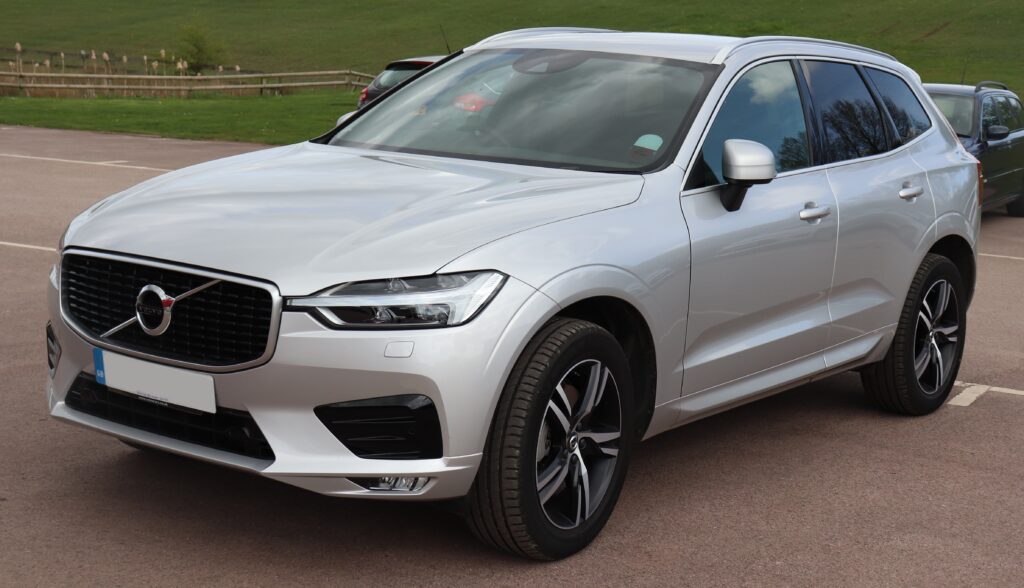
When it comes to driving the Volvo XC60, tyre pressure isn’t just a small detail—it’s the silent guardian of your safety, fuel efficiency, and driving comfort. Think of it like the air in your lungs: invisible, often ignored, but absolutely essential.
We’ve all been there—standing at a petrol station, staring at the air pump, wondering: “Am I doing this right?” Today, we’ll break it all down in a simple, engaging way so you never second-guess your tyre pressure again.
Content in this publication
- Why Tyre Pressure Matters More Than You Think
- Recommended Tyre Pressure for Volvo XC60
- Understanding PSI, Bar, and kPa
- How to Check Tyre Pressure Properly
- Volvo XC60 Tyre Pressure Monitoring System (TPMS)
- How to Reset Tyre Pressure on Volvo XC60
- Effects of Incorrect Tyre Pressure
- Seasonal Changes and Tyre Pressure
- Tyre Pressure for Different Loads
- How Often Should You Check Tyre Pressure?
- Best Tools for Checking Tyre Pressure
- Common Mistakes to Avoid
- Tyre Pressure and Fuel Efficiency
- Tyre Pressure and Safety
- Does Wheel Size Affect Tyre Pressure?
- Run-Flat vs Standard Tyres
- Signs Your Tyre Pressure Is Wrong
- Final Thoughts: Keep It Simple, Stay Safe
- FAQs About Volvo XC60 Tyre Pressure
- Conclusion
Why Tyre Pressure Matters More Than You Think
Tyre pressure directly affects how your XC60 grips the road. Too low, and it feels sluggish. Too high, and it’s like riding on marbles.
Here’s what proper pressure does:
- Improves fuel efficiency
- Enhances braking performance
- Extends tyre lifespan
- Boosts overall safety
Ignore it, and your tyres will silently punish you—uneven wear, poor handling, and even blowouts.
Recommended Tyre Pressure for Volvo XC60

Standard PSI Guidelines
For most versions of the Volvo XC60, the recommended tyre pressure typically falls within:
- Front tyres: 35–38 PSI
- Rear tyres: 35–42 PSI
But—and this is crucial—these numbers can vary depending on:
- Engine type (diesel, petrol, hybrid)
- Wheel size (18", 19", 20", 21")
- Load (passengers or cargo)
Where to Find the Exact Numbers
Don’t guess. Volvo already gave you the answer:
- Driver’s door frame sticker
- Fuel cap area (on some models)
- Owner’s manual
It’s like having a cheat sheet built into your car.
Understanding PSI, Bar, and kPa
Why So Many Units?
Tyre pressure is measured in different units worldwide:
- PSI (pounds per square inch) – common in the US
- Bar – widely used in Europe
- kPa (kilopascals) – standard metric
Quick Conversion Guide
- 1 bar = 14.5 PSI
- 1 PSI = 6.89 kPa
So if your XC60 needs 36 PSI, that’s roughly:
- 2.5 bar
- 248 kPa
Simple once you see it, right?
How to Check Tyre Pressure Properly
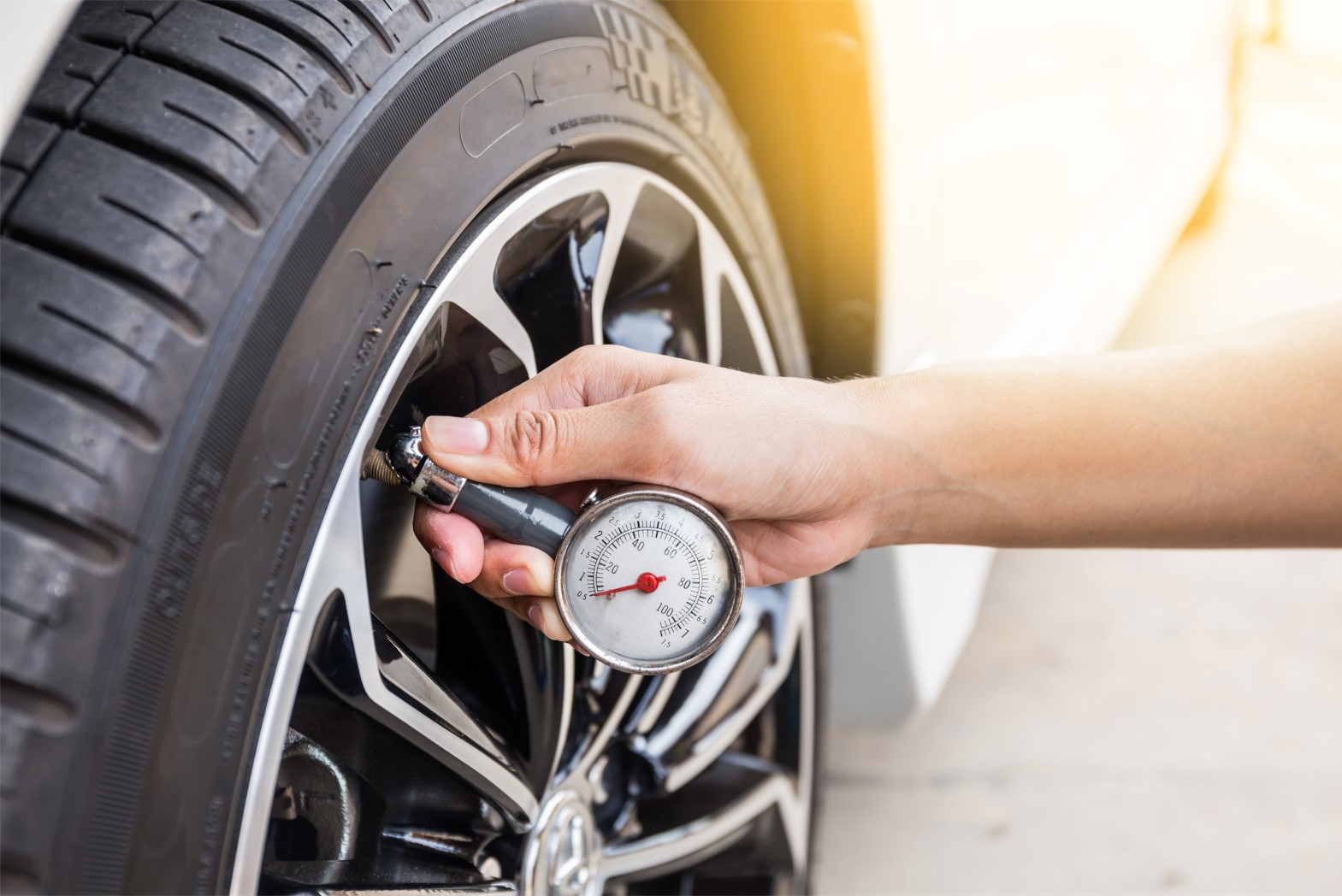
Step-by-Step Process
Let’s keep it practical:
- Check tyres when cold (before driving)
- Remove valve cap
- Press gauge onto valve
- Read the pressure
- Inflate or deflate as needed
- Replace cap
Pro Tip
Tyres heat up as you drive, increasing pressure artificially. Checking them hot is like weighing yourself after a big meal—not accurate.
Volvo XC60 Tyre Pressure Monitoring System (TPMS)
What Is TPMS?
Your Volvo XC60 comes with a Tyre Pressure Monitoring System (TPMS). It’s like a digital watchdog constantly checking your tyres.
You may be interested in reading Volvo XC60 Service Reset: The Complete DIY Guide You’ll Actually Use
How It Works
- Detects pressure loss
- Alerts you via dashboard warning
- Helps prevent dangerous situations
Important Reminder
TPMS doesn’t replace manual checks—it just warns you when things are already wrong.
How to Reset Tyre Pressure on Volvo XC60
Reset Procedure
After adjusting pressure:
- Turn on ignition
- Go to settings on infotainment
- Select “Tyre Pressure Monitoring”
- Store current pressure
That’s it. Your XC60 now recalibrates to the new baseline.
Effects of Incorrect Tyre Pressure
Underinflated Tyres
- Poor fuel economy
- Increased wear on edges
- Risk of overheating
Overinflated Tyres
- Harsh ride
- Reduced grip
- Uneven wear in the center
It’s like walking in shoes that are too tight or too loose—either way, you’ll feel it.
Seasonal Changes and Tyre Pressure
Cold Weather Impact
Temperature drops reduce tyre pressure:
- Roughly 1 PSI lost for every 10°F decrease
Hot Weather Impact
Heat increases pressure, but not always safely.
What Should We Do?
- Check more often in winter
- Adjust as seasons change
Your tyres react to weather like your skin—sensitive and responsive.
Tyre Pressure for Different Loads
Normal Driving vs Fully Loaded
When carrying passengers or cargo:
- Increase rear tyre pressure slightly
- Follow manufacturer guidelines
Why It Matters
More weight = more stress on tyres. Proper inflation distributes that load safely.
How Often Should You Check Tyre Pressure?
Recommended Frequency
- At least once a month
- Before long trips
- After major temperature changes
Reality Check
Most drivers check only when there’s a problem. Be smarter than that.
Best Tools for Checking Tyre Pressure
Essential Equipment
- Digital tyre pressure gauge
- Portable air compressor
- Valve caps (don’t underestimate these!)
Why Digital Gauges Win
They’re accurate, easy to read, and remove guesswork.
Common Mistakes to Avoid
What Drivers Often Get Wrong
- Checking tyres when hot
- Ignoring TPMS warnings
- Using incorrect PSI for load
- Forgetting the spare tyre
Yes—the spare tyre needs love too.
Tyre Pressure and Fuel Efficiency
The Direct Connection
Low tyre pressure increases rolling resistance, meaning your engine works harder.
Result?
- Higher fuel consumption
- More money spent
Quick Insight
Even slightly underinflated tyres can reduce efficiency by up to 3%.
You may be interested in readingVolvo XC60 Service Reset: The Complete DIY Guide You’ll Actually UseYou may be interested in reading
Volvo XC60 Key Battery Replacement: The Ultimate Guide We Wish We Had EarlierTyre Pressure and Safety
Stopping Distance Matters
Incorrect pressure affects braking:
- Underinflated = longer stopping distance
- Overinflated = reduced traction
In emergencies, this difference can be critical.
Does Wheel Size Affect Tyre Pressure?
Yes—And Here’s Why
Larger wheels often require different pressures due to:
- Lower profile tyres
- Different load ratings
Always match pressure to your specific setup.
Run-Flat vs Standard Tyres
Are They Different?
Some XC60 models may use run-flat tyres.
- Can drive short distances after puncture
- Often require slightly different pressures
Check your tyre type before adjusting.
Signs Your Tyre Pressure Is Wrong
Watch for These Clues
- Steering feels heavy
- Car pulls to one side
- Uneven tyre wear
- Dashboard warning light
Your car talks—you just need to listen.
Final Thoughts: Keep It Simple, Stay Safe
Tyre pressure might seem like a minor detail, but it’s one of those small habits that pays massive dividends. Think of it as a 5-minute investment that protects your wallet, your tyres, and your safety.
With the Volvo XC60, everything is engineered for precision—so your tyre pressure should be too.
FAQs About Volvo XC60 Tyre Pressure
1. What is the ideal tyre pressure for Volvo XC60?
Typically between 35–42 PSI, depending on load and wheel size.
2. Can I drive with low tyre pressure?
You can—but you shouldn’t. It increases wear and safety risks.
3. Does TPMS show exact pressure?
No, it usually alerts you when pressure is too low.
4. Should tyre pressure be higher for highway driving?
Follow manufacturer recommendations—don’t overinflate unnecessarily.
5. How do I know if my tyres are cold?
If the car hasn’t been driven for at least 2–3 hours.
Conclusion
We often overlook tyre pressure because we can’t see it—but that’s exactly why it matters. It’s the invisible factor that shapes every drive. Treat it right, and your Volvo XC60 will reward you with comfort, efficiency, and safety.
You may be interested in readingVolvo XC60 Service Reset: The Complete DIY Guide You’ll Actually UseYou may be interested in reading
Volvo XC60 Key Battery Replacement: The Ultimate Guide We Wish We Had EarlierYou may be interested in reading
Volvo XC60 Boot Dimensions in cm: The Complete Space GuideSo next time you pass an air pump, don’t ignore it—embrace it.
If you want to know other articles similar to Volvo XC60 Tyre Pressure: The Complete Guide for Optimal Performance you can visit the category Service and Parts.
Vauxhall Meriva Head Gasket Replacement Cost UK: Complete Price Guide
Vauxhall Meriva Tyre Pressure PSI: Complete Guide
Vauxhall Meriva Fault Codes: Meanings, Causes, and Fixes
Vauxhall Meriva Door With Key Symbol: Meaning, Causes, and Fixes
Vauxhall Meriva Code 59 and 60: Causes, Reset Steps, and Solutions
Vauxhall Meriva Immobiliser Reset: Complete Troubleshooting Guide
Leave a Reply
More content of your interest