

Toyota Prius Common Problems: The Real Truth Behind the Hybrid Icon

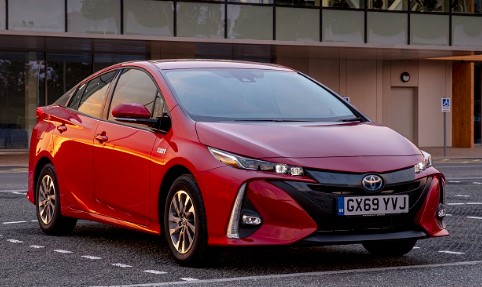
Let’s be honest—when we think of hybrid cars, the Toyota Prius instantly pops into mind. It’s the quiet overachiever, the eco-conscious pioneer, the car that made fuel efficiency cool before it was trendy.
But here’s the thing: no car is perfect. Not even the Prius.
So today, we’re pulling back the curtain. Not with fear-mongering or recycled myths—but with a grounded, real-world look at the most common Toyota Prius problems. Think of this as a friendly chat over coffee where we unpack what really goes wrong… and what you should actually worry about.
Content in this publication
- Why the Toyota Prius Is Still Worth Talking About
- Understanding Hybrid Complexity: A Double-Edged Sword
- Most Common Toyota Prius Problems (Overview)
- Hybrid Battery Failure: The Big One Everyone Talks About
- Brake Actuator Issues: The Silent Troublemaker
- Excessive Oil Consumption: A Sneaky Problem
- Inverter Failure: When Electronics Go Rogue
- Water Pump Failure: Small Part, Big Impact
- 12V Battery Problems: The Overlooked Culprit
- Dashboard Warning Lights: The Prius Loves to Talk
- EGR Valve Clogging: The Hidden Engine Killer
- Head Gasket Failure: The Expensive Nightmare
- Suspension Wear: Not Just a Hybrid Problem
- Is the Toyota Prius Reliable Overall?
- How to Prevent Common Prius Problems
- Best and Worst Prius Model Years
- Should You Buy a Used Toyota Prius?
- Cost of Ownership: Is It Still Cheap?
- The Prius Paradox: Reliable Yet Misunderstood
- Closing Thoughts: Should You Be Worried?
- FAQs About Toyota Prius Common Problems
Why the Toyota Prius Is Still Worth Talking About
Before we dive into the problems, let’s set the stage.
The Prius isn’t just a car—it’s a statement. It combines a gasoline engine with an electric motor to deliver impressive fuel efficiency. But that same innovation also introduces complexity.
And complexity? Well, that’s where problems tend to sneak in.
Understanding Hybrid Complexity: A Double-Edged Sword
How Hybrid Systems Work (In Simple Terms)
At its core, the Prius blends:
- A gasoline engine
- An electric motor
- A high-voltage battery
- A control system that orchestrates everything
It’s like a symphony—when everything is in sync, it’s beautiful. But when one instrument goes off? You notice immediately.
Most Common Toyota Prius Problems (Overview)
Let’s start with a quick snapshot of what Prius owners frequently report:
- Hybrid battery degradation
- Brake actuator failure
- Oil consumption (especially older models)
- Inverter issues
- Dashboard warning lights
- Water pump failure
- 12V battery problems
Now let’s break these down one by one.
Hybrid Battery Failure: The Big One Everyone Talks About
Is It Inevitable?
Not exactly—but it is the most discussed issue.
The hybrid battery typically lasts:
- 8–15 years, or
- 100,000–200,000 miles
That’s solid. But eventually, like any battery, it wears out.
Symptoms of a Failing Hybrid Battery
- Reduced fuel economy
- Rapid battery charge fluctuations
- Warning lights on the dashboard
- Sluggish acceleration
Reality Check
Here’s the twist: battery failure isn’t as common as people think. Many Prius owners drive well past 200,000 miles without replacing it.
Still, when it does fail, replacement costs can sting.
You may be interested in reading Toyota Prius Not Starting: The Complete Troubleshooting Guide We Wish We Had Sooner
Brake Actuator Issues: The Silent Troublemaker
What’s the Problem?
The brake actuator controls braking pressure electronically. When it fails, you might hear:
- A buzzing or clicking noise
- Increased brake pedal resistance
- Warning lights (ABS, brake system)
Why It Matters
This isn’t just annoying—it’s a safety concern.
Common in Which Models?
- Especially reported in 2010–2015 Prius models
Excessive Oil Consumption: A Sneaky Problem
What Happens?
Some Prius engines—particularly older ones—start burning oil faster than expected.
Signs to Watch
- Frequent need to top off oil
- Blue smoke from exhaust (rare but possible)
- Engine knocking (in severe cases)
Why It Happens
Worn piston rings are usually the culprit.
Inverter Failure: When Electronics Go Rogue
What Is the Inverter?
Think of it as the brain that converts DC power from the battery into AC power for the motor.
Symptoms of Inverter Issues
- Sudden loss of power
- Warning messages like “Check Hybrid System”
- Car entering limp mode
Good News
Toyota issued recalls for some models, so many vehicles have already been fixed.
Water Pump Failure: Small Part, Big Impact
Why It Matters
The water pump keeps the engine cool. If it fails:
- Engine overheating can occur
- Long-term damage becomes likely
Symptoms
- High engine temperature
- Coolant leaks
- Strange whining noise
12V Battery Problems: The Overlooked Culprit
What Makes It Different?
Unlike traditional cars, the Prius uses a smaller 12V battery.
Common Issues
- Car won’t start
- Electrical glitches
- Dashboard lights flickering
Quick Tip
This battery typically lasts 3–5 years—shorter than most people expect.
Dashboard Warning Lights: The Prius Loves to Talk
Common Warnings You’ll See
- “Check Hybrid System”
- ABS warning
- Brake warning light
What It Means
These lights can indicate anything from minor issues to serious faults.
Think of them as your car whispering—or sometimes shouting—for attention.
What Is the EGR System?
The Exhaust Gas Recirculation (EGR) system reduces emissions.
The Problem
Over time, carbon buildup can clog the system.
Consequences
- Engine knocking
- Reduced efficiency
- Head gasket failure (in extreme cases)
Head Gasket Failure: The Expensive Nightmare
Why It Happens
Often linked to:
- EGR clogging
- Overheating
- High mileage
Symptoms
- White smoke from exhaust
- Coolant loss
- Rough engine performance
Cost Factor
This is one of the most expensive repairs a Prius owner can face.
You may be interested in readingToyota Prius Not Starting: The Complete Troubleshooting Guide We Wish We Had SoonerYou may be interested in reading
 EBD Failure Fiat 500: Causes, Fixes, Costs & Driving Safety Explained
Suspension Wear: Not Just a Hybrid Problem
What Wears Out?
- Struts
- Shock absorbers
- Bushings
Signs
- Rough ride
- Clunking noises
- Uneven tire wear
Is the Toyota Prius Reliable Overall?
Let’s Be Honest
Despite these issues, the Prius is still:
- One of the most reliable hybrid cars
- Known for longevity
- Affordable to maintain compared to competitors
The Bigger Picture
Every car has weak points. The Prius just happens to have well-documented ones.
How to Prevent Common Prius Problems
Maintenance Tips That Actually Work
- Change oil regularly (don’t skip this!)
- Clean the EGR system periodically
- Monitor battery health
- Replace coolant on schedule
- Pay attention to warning lights
Think of It Like This
Owning a Prius is like owning a high-tech gadget. Treat it well, and it rewards you.
Best and Worst Prius Model Years
Best Years (Generally Speaking)
- 2015
- 2018
- 2020+
Years to Be More Cautious With
- 2010–2012 (EGR + head gasket issues)
- Early 2000s models (battery aging)
Should You Buy a Used Toyota Prius?
Yes—But With Eyes Open
Ask yourself:
- Has the hybrid battery been replaced?
- Is there maintenance history?
- Any warning lights currently on?
Pro Tip
Always get a pre-purchase inspection. It’s like a lie detector test for cars.
Cost of Ownership: Is It Still Cheap?
Where You Save
- Fuel efficiency
- Fewer brake replacements
- Lower emissions-related costs
Where You Spend
- Hybrid battery (eventually)
- Specialized repairs
The Prius Paradox: Reliable Yet Misunderstood
Here’s the irony.
The Prius is both:
- One of the most reliable cars
- One of the most misunderstood
Why? Because hybrid tech scares people.
But once you understand it, it’s not so intimidating.
Closing Thoughts: Should You Be Worried?
Not really.
Every car has flaws. The Prius just happens to wear its story on its sleeve. If you maintain it properly, it can easily outlast most conventional vehicles.
Think of it like a marathon runner—steady, efficient, and built for the long haul… as long as you give it water along the way.
FAQs About Toyota Prius Common Problems
1. How long does a Toyota Prius battery last?
Typically between 8 to 15 years or up to 200,000 miles, depending on usage and maintenance.
2. Is it expensive to repair a Prius?
Most repairs are affordable, but hybrid battery or head gasket repairs can be costly.
3. What is the most common Prius problem?
Hybrid battery degradation is the most talked-about issue, though not always the most frequent.
You may be interested in readingToyota Prius Not Starting: The Complete Troubleshooting Guide We Wish We Had SoonerYou may be interested in reading
EBD Failure Fiat 500: Causes, Fixes, Costs & Driving Safety ExplainedYou may be interested in reading
Toyota Prius 3rd Generation Problems: The Complete Owner’s Guide4. Can a Prius last over 300,000 miles?
Yes—many well-maintained Prius models reach or exceed this mileage.
5. Are newer Prius models more reliable?
Yes, newer models have improved reliability and fewer common issues.
If you want to know other articles similar to Toyota Prius Common Problems: The Real Truth Behind the Hybrid Icon you can visit the category Common Problems.
Audi A4 Issues: Common Problems, Symptoms, and What Owners Should Know
Audi A4 Glow Plug Light Flashing: Causes, Diagnosis, and Fixes
Audi A4 1.4 TFSI Problems: Reliability, Symptoms, and Fixes

Ram 1500 Smells Like Coolant: Causes, Diagnosis, and Fixes

Problems With Hyundai Veloster: Common Issues, Warning Signs, and What Owners Should Know

Mazda 6 No Sound From Radio: Causes, Diagnosis, and Fixes
Leave a Reply
More content of your interest