
Are Dacia Dusters Any Good? Honest Real-World Ownership Review

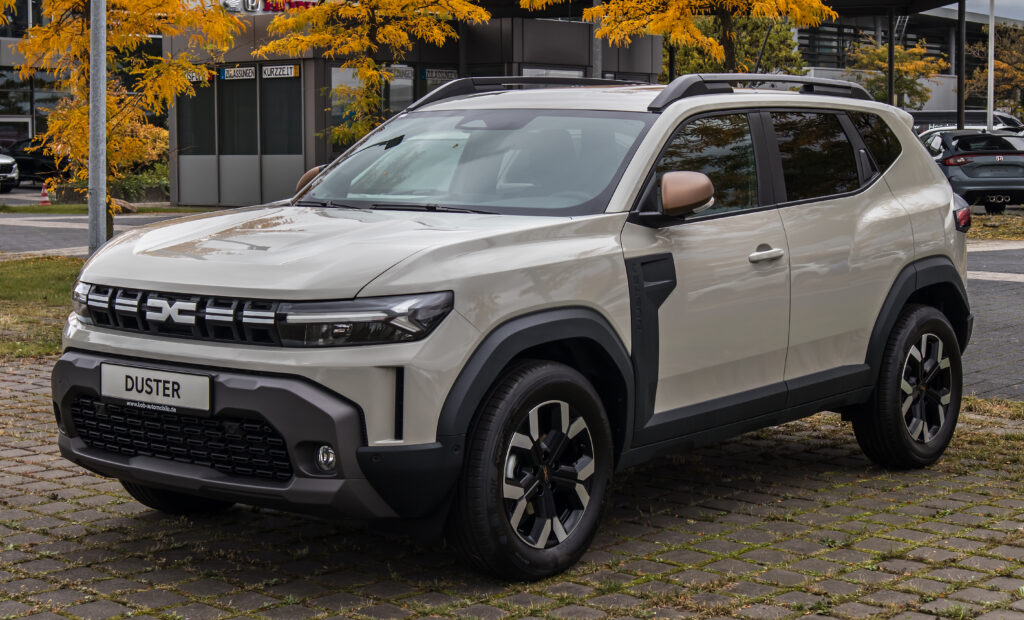
We’ve all seen one. Mud splashed up the doors, roof bars loaded with camping gear, probably parked next to a luxury SUV that costs three times more. And yet… people still walk toward the Duster.
That raises a very fair question:
Is the Dacia Duster actually good — or just cheap?
Because those are not the same thing.
In this deep dive, we’ll explore what living with a Duster is really like: performance, reliability, comfort, ownership costs, off-road ability, and long-term value. Not brochure talk — real-world practicality.
Content in this publication
- Why The Duster Became So Popular So Fast
- Build Quality: Cheap Or Cleverly Engineered?
- Interior Comfort: Better Than You Expect
- Technology: Basic But Smart
- Driving Experience: Surprisingly Relaxing
- Engine Performance: Not Fast, But Honest
- Fuel Economy: A Budget Owner’s Dream
- Off-Road Capability: The Secret Weapon
- Reliability: Does Cheap Mean Fragile?
- Common Problems Owners Report
- Maintenance Costs: One Of The Cheapest SUVs To Run
- Safety: Is It Safe Enough?
- Resale Value: Surprisingly Strong
- Who The Duster Is Perfect For
- The Emotional Factor: Why Owners Love Them
- Ownership Experience After Years
- Pros And Cons Overview
- Final Verdict: Are Dacia Dusters Any Good?
- FAQs
Why The Duster Became So Popular So Fast
The Anti-SUV SUV
The Duster didn’t win buyers with prestige — it won them with honesty.
Instead of pretending to be premium, it basically said:
“Here’s everything you actually need. None of the stuff you don’t.”
That simple philosophy hit a sweet spot in the market:
- Affordable family car
- Capable countryside vehicle
- Cheap commuter
- Weekend adventure tool
All in one box.
Build Quality: Cheap Or Cleverly Engineered?
The Plastics Debate
Let’s address the elephant in the cabin: hard plastics.
Yes — they’re everywhere.
But here’s the twist: they’re intentional.
Hard plastics:
- Don’t scratch easily
- Don’t crack under temperature changes
- Don’t age badly
- Are easier to clean after muddy trips
So instead of fragile “soft-touch luxury,” you get durability.
How It Feels Over Time
After years of use, most owners notice:
- No rattles
- Switches still work
- Seats hold shape
- Steering wheel survives heavy use
It’s not fancy — but it ages surprisingly well.
Interior Comfort: Better Than You Expect
Seat Comfort
The seats are one of the Duster’s hidden strengths.
They’re:
- Wide
- Soft
- Upright
- Supportive on long drives
Not sporty — but incredibly fatigue-free.
Cabin Space
You get genuine family practicality:
- Adults fit in the back
- Boot fits holiday luggage
- Tall roof improves headroom
- Easy entry for older passengers
The Duster feels bigger inside than outside — always a good sign.
Technology: Basic But Smart
Infotainment System
It’s not cutting edge — but it works.
You typically get:
- Android Auto / Apple CarPlay
- Reverse camera
- Navigation
- Bluetooth
- Steering wheel controls
No complicated menus. No laggy gimmicks.
Just usable.
Driver Assistance
Depending on version:
You may be interested in reading Which Dacia Duster Is Best? The Real-World Buyer’s Guide
- Blind spot warning
- Hill descent control
- Parking sensors
- Cruise control
Enough to help — not enough to annoy.
Driving Experience: Surprisingly Relaxing
City Driving
The Duster excels in urban life.
Why?
- Light steering
- High seating position
- Excellent visibility
- Short overhangs for parking
It feels stress-free, not sharp.
Highway Driving
At motorway speeds:
- Stable
- Quiet enough
- Comfortable suspension
- Not sporty but calm
You won’t rush — but you won’t suffer either.
Engine Performance: Not Fast, But Honest
Petrol Engines
Small turbo petrol engines provide:
- Smooth acceleration
- Quiet operation
- Good daily usability
They’re built for everyday driving, not racing.
Diesel Engines
This is where the Duster shines.
The diesel offers:
- Strong low-end torque
- Excellent fuel economy
- Relaxed long-distance cruising
It suits the car’s character perfectly.
Fuel Economy: A Budget Owner’s Dream
Real-world consumption is one of the Duster’s biggest strengths.
Typical results:
- Petrol: ~45 mpg (5.2–6.5 L/100km)
- Diesel: ~60 mpg (4.0–5.0 L/100km)
That’s closer to a hatchback than an SUV.
Off-Road Capability: The Secret Weapon
Why It’s Shockingly Capable
This is where the Duster stops being a budget car — and becomes a specialist tool.
Key features:
- Light weight
- Short overhangs
- Real AWD system
- Hill descent control
- High ground clearance
It goes places expensive SUVs won’t even attempt.
Terrain Performance
It handles:
- Mud tracks
- Snow roads
- Gravel hills
- Farm paths
- Rural trails
And it does it confidently.
Reliability: Does Cheap Mean Fragile?
Mechanical Simplicity Helps
The Duster uses proven Renault mechanical parts.
That matters.
Less complexity = fewer failures.
Common ownership experience:
- Rare engine failures
- Few gearbox issues
- Electronics generally stable
Not perfect — but consistently dependable.
Common Problems Owners Report
No car is flawless. Here’s the honest list:
Minor Issues
- Interior trim wear
- Noisy window seals
- Infotainment glitches
- Weak factory tyres
Occasional Issues
- EGR valve on diesel (high mileage)
- Suspension bush wear on rough roads
- Clutch wear if used off-road heavily
Nothing catastrophic — mostly wear-and-tear.
Maintenance Costs: One Of The Cheapest SUVs To Run
Service pricing is closer to a small hatchback than a crossover.
You may be interested in readingWhich Dacia Duster Is Best? The Real-World Buyer’s GuideYou may be interested in reading
 Toyota Corolla Cross Reliability: The Real Story Behind the Reputation
Typical annual costs:
- Oil service: Low
- Brake parts: Cheap
- Tyres: Affordable sizes
- Insurance: Low group rating
You own it — it doesn’t own you.
Safety: Is It Safe Enough?
The Duster isn’t a safety tech showcase — but it’s adequate.
You still get:
- Multiple airbags
- Stability control
- Emergency braking
- Strong body structure
Not class-leading — but responsibly engineered.
Resale Value: Surprisingly Strong
Because demand stays high.
People trust:
- Low running costs
- Simplicity
- Practicality
So depreciation is slower than expected for a budget car.
Who The Duster Is Perfect For
Ideal Owners
The Duster makes sense if you:
- Want a practical family car
- Drive rural roads
- Value reliability over luxury
- Need real off-road ability
- Prefer low ownership costs
Not Ideal For
You may want something else if you:
- Want prestige badge status
- Demand premium interior feel
- Prioritize sporty driving
- Love cutting-edge tech
The Emotional Factor: Why Owners Love Them
Here’s something fascinating.
People rarely like a Duster at first.
But they almost always grow attached.
Why?
Because it never tries to impress you.
It just keeps working.
Like a good pair of boots — not stylish, but always dependable.
Ownership Experience After Years
Long-term owners consistently report:
- Low stress ownership
- Predictable maintenance
- Practical usefulness
- Trust in bad weather
The Duster becomes part of life, not a financial burden.
Pros And Cons Overview
Pros
- Extremely affordable to buy
- Very cheap to run
- Real off-road capability
- Comfortable ride
- Reliable mechanics
- Spacious interior
Cons
- Basic interior materials
- Not fast
- Average sound insulation
- Limited prestige factor
Final Verdict: Are Dacia Dusters Any Good?
Yes — but not for the reason you think.
The Duster isn’t good for the money.
It’s good, period… and happens to be cheap.
It redefines value by focusing on usefulness instead of luxury. If cars were tools, this would be a Swiss Army knife — versatile, dependable, and always ready.
If you want a car to impress strangers, look elsewhere.
If you want a car that improves your daily life, the Duster quietly excels.
FAQs
1. Is the Dacia Duster reliable long term?
Yes. Its simple mechanical design and proven Renault components make it consistently dependable over high mileage.
2. Is the Duster good for motorway driving?
It’s comfortable and stable, though not sporty. Ideal for relaxed cruising rather than fast driving.
3. Can a Dacia Duster really go off road?
Absolutely. It’s one of the most capable affordable off-roaders thanks to light weight and AWD system.
You may be interested in readingWhich Dacia Duster Is Best? The Real-World Buyer’s GuideYou may be interested in reading
Toyota Corolla Cross Reliability: The Real Story Behind the ReputationYou may be interested in reading
 Is Toyota Corolla Cross All Wheel Drive? A Real-World Owner’s Guide
4. Are parts expensive?
No — parts and servicing are among the cheapest in the SUV segment.
5. Does it feel cheap inside?
It feels basic rather than cheap. Materials are durable and age well even if they aren’t luxurious.
If you want to know other articles similar to Are Dacia Dusters Any Good? Honest Real-World Ownership Review you can visit the category Blog.
Jaguar F-Pace Quality: Build, Reliability, and Luxury SUV Craftsmanship
Jaguar F-Pace Owner Reviews: Real Drivers Share the Truth About Jaguar’s Luxury SUV
Jaguar F-Pace Recalls: Complete Guide to Known Issues, Fixes, and What Owners Should Know
Jaguar F-Pace Reliability UK: Real Ownership Insights, Problems, and Long-Term Dependability
Jaguar F-Pace Insurance Group: Costs, Factors, and Ways to Save
Jaguar F-Pace Years to Avoid: A Complete Buyer’s Guide
Leave a Reply
More content of your interest