

Are Honda CR-V Good in Snow? A Real-World Winter Driving Breakdown

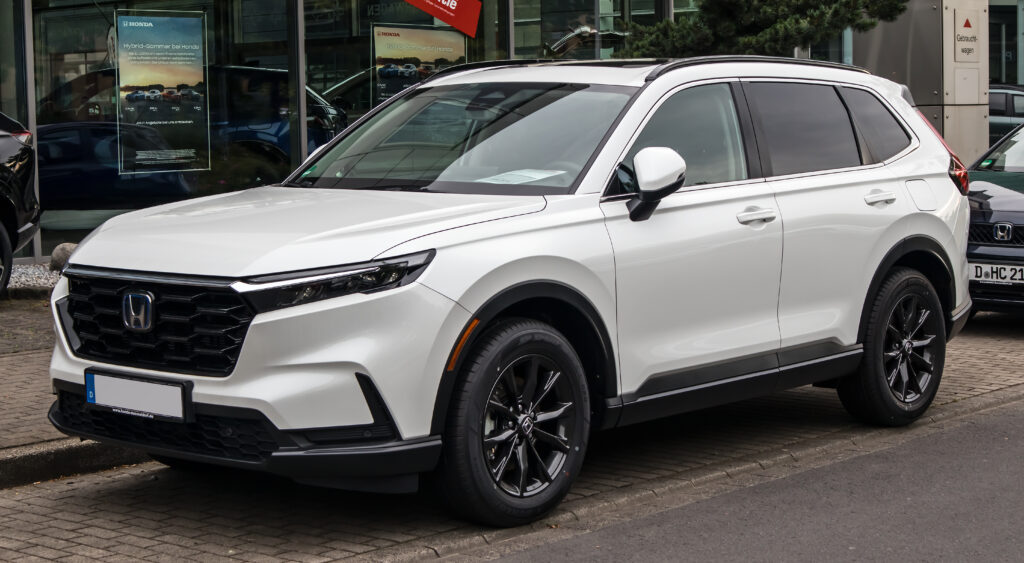
Winter has a way of exposing the truth about a vehicle. Snow, ice, slush, black ice at dawn—it’s the great equalizer. So the big question we hear every year is simple: are Honda CR-V good in snow?
Short answer? Yes—but with context.
Long answer? Buckle up, because we’re about to unpack this like a winter survival kit.
We’ve driven CR-Vs through light dustings, full-blown blizzards, mountain passes, icy suburbs, and slushy city streets. In this guide, we’ll cut through marketing fluff and internet myths and talk honestly about how the Honda CR-V performs when winter shows its teeth.
Content in this publication
- Why Snow Performance Matters More Than Ever
- The Honda CR-V at a Glance
- Front-Wheel Drive vs AWD CR-V in Snow
- Ground Clearance: Is the CR-V High Enough for Snow?
- The Real Hero: Tires (Yes, Always Tires)
- How the CR-V Handles on Ice
- Braking Performance in Snowy Conditions
- Steering Feel in Winter Roads
- Driving Uphill in Snow: Can the CR-V Handle Hills?
- City Snow vs Highway Snow
- Snow Mode: Does the CR-V Have One?
- Cold Weather Starting Reliability
- Visibility Matters in Snowstorms
- Fuel Economy in Winter Conditions
- Common Winter Mistakes CR-V Owners Make
- How the CR-V Compares to Rivals in Snow
- Who Should Choose a CR-V for Snowy Climates?
- So… Are Honda CR-V Good in Snow?
- Final Thoughts: Confidence Over Chaos
- Frequently Asked Questions
Why Snow Performance Matters More Than Ever
Snow driving isn’t just about power—it’s about control, predictability, and confidence.
Modern Winters Are Unpredictable
- Wet snow that turns to ice
- Rapid freeze-thaw cycles
- Slush hiding potholes
- Black ice in shaded areas
A good snow vehicle doesn’t just move forward—it keeps you upright and calm when things get sketchy.
The Honda CR-V at a Glance
Before we talk snow, let’s ground ourselves in what the CR-V actually is.
What Kind of Vehicle Is the CR-V?
- Compact crossover SUV
- Car-like driving dynamics
- Available AWD (not full-time)
- Moderate ground clearance
It’s not a hardcore off-roader—but it’s also not a low-slung sedan.
Front-Wheel Drive vs AWD CR-V in Snow
This is where many debates start—and where most misunderstandings live.
Front-Wheel Drive CR-V in Winter
A FWD CR-V can absolutely handle snow with proper tires.
Strengths:
- Engine weight over drive wheels
- Predictable handling
- Lower cost and fuel use
Limitations:
- Struggles on steep icy hills
- Can spin when starting from a stop
- Less forgiving in deep snow
For flat cities with occasional snow? Totally workable.
AWD CR-V in Snow: The Game Changer
Honda’s Real Time AWD system isn’t flashy—but it’s smart.
How Honda Real Time AWD Works
- Normally runs in FWD
- Automatically sends power rearward when slip is detected
- Reacts quickly but smoothly
This means:
- Better traction pulling away
- More confidence climbing hills
- Less wheel spin on ice
It’s not meant for rock crawling—but for snow? It’s exactly what you want.
Ground Clearance: Is the CR-V High Enough for Snow?
Let’s talk inches—because winter doesn’t care about hype.
Honda CR-V Ground Clearance
- Roughly 8.2 inches (varies by generation)
That’s enough for:
- Unplowed residential roads
- Snow-covered highways
- Moderate drifts
But no, it’s not designed to plow through knee-deep snowbanks. Think practical, not heroic.
The Real Hero: Tires (Yes, Always Tires)
We’ll say it louder for the folks in the back.
You may be interested in reading MPG for Honda CR-V Hybrid: Real-World Fuel Economy Explained
Winter Tires Change Everything
A CR-V with winter tires can outperform:
- AWD SUVs on all-seasons
- Trucks with worn rubber
Winter tires improve:
- Braking distance
- Steering response
- Traction on ice
If you remember one thing from this article, let it be this:
Tires matter more than drivetrain.
How the CR-V Handles on Ice
Ice is where bad cars panic—and good ones stay composed.
Stability Control and Traction Systems
Honda equips the CR-V with:
- Vehicle Stability Assist (VSA)
- Traction Control
- Anti-lock Braking System (ABS)
These systems:
- Reduce fishtailing
- Manage wheel spin
- Help keep steering responsive
It won’t defy physics—but it will buy you time, and time is everything on ice.
Braking Performance in Snowy Conditions
Acceleration gets attention—but stopping is survival.
What to Expect When Braking
- Predictable pedal feel
- ABS kicks in early (by design)
- Stable straight-line stops
With winter tires, braking confidence improves dramatically. Without them, you’ll still stop—but with longer distances.
Steering Feel in Winter Roads
Some SUVs feel numb in snow. The CR-V doesn’t.
Why Steering Matters in Snow
- Helps you correct slides early
- Makes the car feel “talkative”
- Builds confidence
The CR-V’s car-like steering gives clear feedback, which is surprisingly comforting when roads turn white.
Driving Uphill in Snow: Can the CR-V Handle Hills?
Hills separate “okay” cars from good winter cars.
CR-V on Snowy Inclines
- AWD models climb steadily
- FWD models may need momentum
- Traction control prevents wheel spin
With winter tires, even steep hills become manageable—without drama.
City Snow vs Highway Snow
Not all snow is created equal.
In the City
- Slush
- Ice at intersections
- Frequent stops
The CR-V shines here with:
- Good visibility
- Tight turning radius
- Smooth throttle response
On the Highway
- Snow drifts
- Crosswinds
- Packed snow lanes
AWD CR-Vs feel planted and calm, especially at steady speeds.
Snow Mode: Does the CR-V Have One?
Some newer models include drive modes—but they’re subtle.
What Snow Mode Actually Does
- Softens throttle response
- Reduces wheel spin
- Adjusts transmission behavior
It won’t magically create traction—but it smooths driver inputs, which helps more than people realize.
Cold Weather Starting Reliability
Snow driving starts before you move an inch.
You may be interested in readingMPG for Honda CR-V Hybrid: Real-World Fuel Economy ExplainedYou may be interested in reading
 Jeep Wrangler 0 to 60: Real Acceleration, Real Character
How the CR-V Handles Cold Starts
- Reliable ignition in freezing temps
- Modern batteries perform well
- Cabin warms quickly
Honda’s reputation for cold reliability is well earned—and the CR-V benefits from that legacy.
Visibility Matters in Snowstorms
You can’t avoid what you can’t see.
CR-V Visibility Strengths
- Upright seating position
- Large windows
- Effective defrosters
Add good wiper blades and you’ve got a solid winter command center.
Fuel Economy in Winter Conditions
Snow always costs MPG—but the CR-V handles it gracefully.
What Happens to MPG in Snow
- Expect a 10–20% drop
- AWD uses more fuel
- Cold starts burn extra gas
Still, the CR-V remains one of the more efficient winter-capable SUVs.
Common Winter Mistakes CR-V Owners Make
Let’s avoid learning the hard way.
Mistakes to Avoid
- Relying on AWD without winter tires
- Overconfidence in deep snow
- Ignoring tire pressure drops in cold
- Turning off traction control unnecessarily
Winter rewards humility.
How the CR-V Compares to Rivals in Snow
Context matters.
Against Subaru Forester
- Subaru has superior AWD
- CR-V feels more refined on roads
Against Toyota RAV4
- Very similar winter performance
- CR-V steering feels more natural
Against Sedans
No contest—the CR-V wins for clearance and traction.
Who Should Choose a CR-V for Snowy Climates?
The CR-V isn’t for everyone—but it fits many.
Ideal CR-V Winter Drivers
- Daily commuters
- Families in snowy suburbs
- Ski weekend travelers
- Drivers who want confidence, not complexity
So… Are Honda CR-V Good in Snow?
Let’s bring it home.
The Honest Verdict
Yes—Honda CR-Vs are genuinely good in snow, especially when:
- Equipped with AWD
- Paired with proper winter tires
- Driven with realistic expectations
They won’t conquer glaciers—but they’ll get you through winter with calm confidence, like a good pair of boots instead of flashy snowshoes.
Final Thoughts: Confidence Over Chaos
Snow driving is as much mental as mechanical. The Honda CR-V doesn’t intimidate, doesn’t surprise, and doesn’t panic. It just does its job—quietly, predictably, and reliably.
And in winter? That’s exactly what we want.
Frequently Asked Questions
1. Is AWD necessary on a Honda CR-V for snow?
Not always, but AWD adds confidence—especially on hills and icy starts.
2. Can a FWD CR-V handle winter driving?
Yes, particularly with winter tires and cautious driving.
3. Are all-season tires enough for snow?
They work in light snow, but winter tires are far superior.
4. Does the CR-V have enough clearance for deep snow?
For moderate snow, yes. For deep drifts, no.
You may be interested in readingMPG for Honda CR-V Hybrid: Real-World Fuel Economy ExplainedYou may be interested in reading
Jeep Wrangler 0 to 60: Real Acceleration, Real CharacterYou may be interested in reading
 Jeep Wrangler Hybrid MPG: Real-World Efficiency Explained
5. Is the Honda CR-V better than a sedan in snow?
Absolutely—thanks to clearance, traction, and stability systems.
If you want to know other articles similar to Are Honda CR-V Good in Snow? A Real-World Winter Driving Breakdown you can visit the category Driving.
Volvo XC60 Wading Depth: How Deep Can It Really Go?

Volkswagen Tiguan Driving Modes: The Complete Guide to Smarter, Smoother, and More Dynamic Driving
Volvo XC60 Fuel Consumption: Real MPG, Efficiency & Tips
Volvo XC60 MPG: Real-World Fuel Economy, Costs & What to Expect
Audi Q5 MPG: Real-World Fuel Economy, Tips, and Performance Insights
Can BMW X3 Go Off Road? The Real Truth About Its Capabilities
Leave a Reply
More content of your interest