

Are Volkswagen Passat Parts Expensive? – The Real Cost of Keeping a Passat on the Road

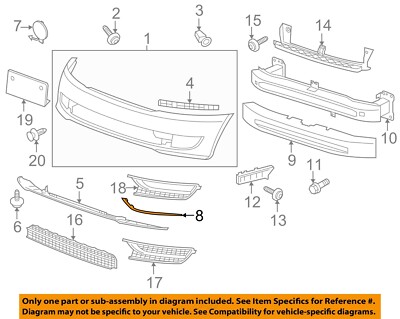
We’ve all stood in that uneasy place at the garage counter, staring at a quote that feels heavier than the car key in our hand. If you drive a Passat—or you’re thinking about buying one—you’ve probably asked the same question we hear again and again: are Volkswagen Passat parts expensive?
Today we’re going to talk about this like friends leaning over the hood of a car, not like a stiff repair manual. We’ll explore what actually makes parts pricey, which components bite the hardest, and how we can keep ownership costs from sneaking up like a pothole on a dark road.
Content in this publication
- Understanding the Reputation of Volkswagen Parts
- What Actually Determines Parts Prices?
- Genuine vs OEM vs Aftermarket – The Price Triangle
- Common Passat Parts and Their Typical Costs
- Which Passat Generations Are Cheaper to Maintain?
- Engines and Gearboxes – The Big Ticket Items
- Dealer Prices vs Independent Garages
- How Passat Costs Compare to Rivals
- Parts That Surprise Owners
- Maintenance Items That Stay Affordable
- Do Import Costs Affect Prices?
- Smart Ways to Reduce Passat Parts Costs
- Are Newer Passats More Expensive Than Older Ones?
- The Role of Preventive Maintenance
- Real Ownership Stories
- So… Are Volkswagen Passat Parts Expensive?
- FAQs
Understanding the Reputation of Volkswagen Parts
Volkswagen has always sat in that interesting middle ground—more premium than budget brands, but not quite luxury territory. Because of that, many of us assume the parts carry a “European tax.” Sometimes that’s true, sometimes it’s just a myth passed around at car meets like an old ghost story.
The Passat in particular is a global car. It’s built in several countries and shares components with Audi, Skoda, and Seat models. That shared DNA can be a blessing or a curse depending on which part we’re talking about.
What Actually Determines Parts Prices?
Parts prices aren’t pulled out of a magician’s hat. They’re shaped by real factors:
- Origin of the part – Genuine VW, OEM, or aftermarket
- Complexity – A simple filter vs. an electronic module
- Availability – Common components vs. rare trims
- Labor time – Some cheap parts live in very expensive places
- Generation of the car – Newer tech usually means higher cost
Think of it like buying shoes. Sneakers from the same brand can range from bargain-bin to designer level depending on materials and design.
Genuine vs OEM vs Aftermarket – The Price Triangle
Genuine Volkswagen Parts
These come in boxes with the VW logo and dealership confidence. They fit perfectly, but they can feel like buying coffee at the airport—reassuring yet overpriced.
OEM Parts
Made by the same manufacturer without the VW stamp. Often the sweet spot for value.
Aftermarket
The wild west. Prices are lower, quality ranges from “hidden gem” to “never again.”
We’ve learned that smart ownership is about choosing the right category for the right repair.
Common Passat Parts and Their Typical Costs
Let’s get our hands dirty with real examples.
Brakes
- Front pads: moderate price
- Discs: slightly higher than economy brands
- Sensors and hardware: small but sneaky extras
Suspension
- Control arms
- Bushings
- Shocks and struts
These aren’t outrageously expensive, but they’re not bargain-basement either.
Electrical Components
Here’s where the Passat can act like a moody teenager. Sensors, modules, and wiring can climb quickly in price.
You may be interested in reading Volkswagen Passat Towing Capacity: A Practical Guide for Real-World Drivers
Which Passat Generations Are Cheaper to Maintain?
Older B6 and B7 models tend to be friendlier on the wallet. Newer B8 cars, packed with tech like:
- Adaptive cruise
- Electronic parking brakes
- Digital dashboards
…can feel more like repairing a laptop than a car.
Engines and Gearboxes – The Big Ticket Items
TDI Diesel Parts
Generally robust, but:
- Injectors
- EGR systems
- DPF components
…can be pricey.
Petrol TSI
Timing chains and turbos sometimes demand deep pockets.
DSG Gearbox
Fantastic to drive, expensive to fix—like dating someone high-maintenance but charming.
Dealer Prices vs Independent Garages
We’ve noticed dealership quotes often look like they were written with a golden pen. Independent specialists usually offer:
- Lower labor rates
- Access to OEM parts
- More honest conversations
How Passat Costs Compare to Rivals
Against competitors:
- Cheaper than Audi A4
- Similar to Ford Mondeo
- Slightly above Toyota Camry
- More than Hyundai Sonata
So the Passat sits in the sensible middle, like a well-behaved middle child.
Parts That Surprise Owners
Some items catch people off guard:
- Key fobs
- LED headlamps
- Parking sensors
- Electronic handbrake motors
They’re small parts with big attitudes.
Maintenance Items That Stay Affordable
Thankfully not everything is scary:
- Oil filters
- Air filters
- Spark plugs
- Wiper blades
- Standard bulbs
These are as friendly as a neighborhood mechanic’s dog.
You may be interested in readingVolkswagen Passat Towing Capacity: A Practical Guide for Real-World DriversYou may be interested in reading
 Nissan Micra Tire Pressure – The Complete Guide to Safety, Comfort, and Savings
Do Import Costs Affect Prices?
In many countries Passat parts travel long distances. Shipping, taxes, and exchange rates play tug-of-war with the final price tag.
Smart Ways to Reduce Passat Parts Costs
We’ve learned a few tricks along the journey:
- Compare part numbers online
- Use OEM instead of genuine when possible
- Buy service kits
- Avoid the dealership for routine jobs
- Keep service records to prevent guesswork
Are Newer Passats More Expensive Than Older Ones?
Yes—mostly because modern cars are rolling computers. A 2010 Passat is like a flip phone; a 2024 model is a smartphone with wheels.
The Role of Preventive Maintenance
Neglect is the silent thief of wallets. Regular servicing is cheaper than heroic repairs. Oil changes are like brushing teeth—boring but necessary.
Real Ownership Stories
We’ve heard from owners who swear their Passat is cheaper than their previous Honda, and others who faced one expensive year that felt like a storm season. The truth sits somewhere in between.
So… Are Volkswagen Passat Parts Expensive?
Here’s our honest, garage-floor answer:
They can be—but they don’t have to be.
The Passat isn’t a budget beater, yet it’s far from a money pit if we shop wisely and maintain carefully. Think of it like a good pair of leather boots: costlier than sneakers, but worth it if you look after them.
Closing Thoughts
Owning a Passat is a bit like hosting a well-mannered guest. Treat it with respect, feed it good parts, and it behaves beautifully. Ignore it, and it’ll start making expensive noises at awkward times.
We believe the car rewards informed owners. With the right choices, parts costs stay reasonable and the driving pleasure remains high.
FAQs
1. Are Passat parts more expensive than Toyota parts?
Generally yes, but not dramatically. Routine items are close in price; complex electronics cost more.
2. Is it safe to use aftermarket parts on a Passat?
For brakes, filters, and suspension—absolutely. For sensors and electronics, we prefer OEM.
3. Which Passat model is cheapest to maintain?
Petrol manual models from 2012–2016 usually hit the sweet spot.
You may be interested in readingVolkswagen Passat Towing Capacity: A Practical Guide for Real-World DriversYou may be interested in reading
Nissan Micra Tire Pressure – The Complete Guide to Safety, Comfort, and SavingsYou may be interested in reading
 Nissan Micra Engine Oil Guide – Complete Specifications, Maintenance & Model Insights
4. Are diesel Passats more expensive to repair?
Potentially, due to DPF and injector systems.
5. Do dealerships overcharge for parts?
Often they charge more than independents, especially for labor.
If you want to know other articles similar to Are Volkswagen Passat Parts Expensive? – The Real Cost of Keeping a Passat on the Road you can visit the category Service and Parts.
SEAT Leon Warning Lights: Complete Guide to Dashboard Symbols and Meanings
SEAT Leon Key Battery Replacement: The Complete Expert Guide
SEAT Leon Insurance Group: Costs, Ratings, and How to Save Big
SEAT Leon Boot Space: The Ultimate Practicality Guide We Didn’t Know We Needed
SEAT Leon Tyre Pressure: The Complete Expert Guide for Optimal Performance

Ford Mondeo Key Fob Not Working: Complete Troubleshooting & Fix Guide
Leave a Reply
More content of your interest