

Audi A3 Engine Size Explained: Choosing the Right Power for You

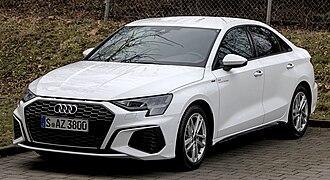
When we talk about the Audi A3, we’re talking about one of those cars that quietly does everything right. It’s refined without being boring, sporty without trying too hard, and—most importantly—it offers a huge variety of engine sizes that fit wildly different driving styles.
So the real question isn’t “What engine does the Audi A3 have?”
It’s “Which Audi A3 engine size actually makes sense for us?”
Let’s break it all down, calmly, clearly, and without the usual brochure fluff.
Content in this publication
- Why Audi A3 Engine Size Actually Matters
- Understanding Engine Size: The Basics (Without the Boring Part)
- Audi A3 Engine Sizes by Generation
- Petrol Audi A3 Engine Sizes Explained
- Diesel Audi A3 Engine Sizes Explained
- Hybrid Audi A3 Engine Size: The 1.4L e-Hybrid
- Audi A3 Engine Sizes vs Driving Style
- Fuel Economy by Engine Size (Real-World Expectations)
- Insurance and Tax Considerations
- Maintenance and Reliability by Engine Size
- Manual vs Automatic with Different Engine Sizes
- Common Misconceptions About Audi A3 Engine Size
- Choosing the Best Audi A3 Engine Size for You
- Final Thoughts: Engine Size Is About Lifestyle, Not Ego
- Frequently Asked Questions
Why Audi A3 Engine Size Actually Matters
Engine size isn’t just a number on paper. It shapes:
- How quick the car feels off the line
- How much fuel we burn every week
- How much we pay in tax and insurance
- Whether the car feels relaxed or strained on the motorway
The Audi A3 is clever because it doesn’t force one personality on us. Instead, it gives options—from efficient city engines to genuinely punchy performance units.
Understanding Engine Size: The Basics (Without the Boring Part)
Engine size is measured in litres (L) and represents the total volume of all cylinders.
In simple terms:
- Smaller engines = better efficiency, lower running costs
- Larger engines = more power, stronger acceleration
But modern Audi engines complicate things—in a good way. Turbocharging means a 1.5L engine today can outperform a 2.0L engine from 15 years ago.
Audi A3 Engine Sizes by Generation
First Generation Audi A3 (1996–2003)
Back when hatchbacks were simpler and CD players were peak technology.
Engine sizes available:
- 1.6L petrol
- 1.8L petrol (naturally aspirated & turbo)
- 1.9L diesel
These engines were mechanical, robust, and uncomplicated. Not fast by modern standards, but dependable like a loyal old watch.
Second Generation Audi A3 (2003–2012)
This is where the A3 really found its rhythm.
Petrol Engine Sizes
- 1.6L
- 1.8L TFSI
- 2.0L TFSI
Diesel Engine Sizes
- 1.9L TDI
- 2.0L TDI
This generation introduced turbocharging properly—and with it, real choice.
Third Generation Audi A3 (2012–2020)
Now things get modern. Lighter platforms, smarter engines, lower emissions.
Petrol Options
- 1.0L TFSI (yes, really)
- 1.4L TFSI
- 1.5L TFSI
- 2.0L TFSI
Diesel Options
- 1.6L TDI
- 2.0L TDI
This is the generation where engine size stopped telling the full story. A 1.0L engine could cruise happily at motorway speeds without drama.
Fourth Generation Audi A3 (2020–Present)
Sharper looks, digital everything, and even smarter engines.
Current Engine Sizes
- 1.0L TFSI
- 1.5L TFSI
- 2.0L TFSI
- 2.0L TDI
- 1.4L Plug-in Hybrid (combined system)
Efficiency and performance now live in harmony instead of fighting each other.
You may be interested in reading Audi A3 Key Battery Replacement: The Simple Fix That Saves Your Day
Petrol Audi A3 Engine Sizes Explained
1.0L TFSI – The Urban Minimalist
This engine surprises almost everyone.
Best for:
- City driving
- Short commutes
- New drivers
Why it works:
- Turbocharged
- Lightweight
- Surprisingly smooth
It’s like a small espresso—tiny cup, strong kick.
1.5L TFSI – The Sweet Spot
If there’s a golden middle, this is it.
Why we love it:
- Excellent balance of power and economy
- Cylinder-on-demand tech for efficiency
- Relaxed motorway cruising
This engine feels like it was designed after Audi listened to real drivers.
2.0L TFSI – The Enthusiast’s Choice
Now we’re talking.
What it delivers:
- Strong acceleration
- Confident overtaking
- A genuinely sporty feel
Perfect if we want our daily drive to feel a bit special.
Diesel Audi A3 Engine Sizes Explained
1.6L TDI – The Mileage King
Built for drivers who rack up miles without wanting to feel exhausted.
Ideal for:
- Long commutes
- Company cars
- Motorway driving
Quiet, efficient, and incredibly economical.
2.0L TDI – Torque on Tap
This is the diesel that doesn’t feel like a compromise.
Why it stands out:
- Strong low-end torque
- Effortless cruising
- Great for towing or loaded driving
It pulls like a train but sips fuel like a monk.
Hybrid Audi A3 Engine Size: The 1.4L e-Hybrid
Audi blends a 1.4L petrol engine with an electric motor for the best of both worlds.
You may be interested in readingAudi A3 Key Battery Replacement: The Simple Fix That Saves Your DayYou may be interested in reading
 Audi A3 Battery Replacement: Everything We Need to Know Before Turning the Spanner
Benefits include:
- Electric-only city driving
- Strong combined performance
- Lower emissions and tax advantages
This setup feels like cheating—in a very legal, very satisfying way.
Audi A3 Engine Sizes vs Driving Style
City Drivers
- 1.0L TFSI
- 1.4L Hybrid
Balanced Everyday Use
- 1.5L TFSI
- 1.6L TDI
Performance Seekers
- 2.0L TFSI
High-Mileage Drivers
- 2.0L TDI
Choosing wrong doesn’t ruin the A3—but choosing right makes it shine.
Fuel Economy by Engine Size (Real-World Expectations)
- 1.0L TFSI: Excellent in town, decent on motorway
- 1.5L TFSI: Strong all-rounder
- 2.0L TFSI: Drinks more when pushed
- Diesels: Consistently efficient at speed
- Hybrid: Best for mixed urban driving
Insurance and Tax Considerations
Smaller engines generally mean:
- Lower insurance groups
- Reduced road tax
- Fewer surprises at renewal time
But modern safety tech sometimes matters more than engine size alone.
Maintenance and Reliability by Engine Size
Smaller turbo engines need:
- Regular oil changes
- Quality fuel
- Proper warm-up habits
Larger engines are more forgiving—but cost more when things go wrong.
Manual vs Automatic with Different Engine Sizes
- Small engines = smoother with automatic
- Larger engines = more engaging with manual
Audi’s S tronic gearbox pairs beautifully with mid-range engines like the 1.5L TFSI.
Common Misconceptions About Audi A3 Engine Size
- Bigger engine ≠ always faster
- Smaller engine ≠ weak
- Diesel ≠ outdated
- Hybrid ≠ boring
Modern engine tech rewrites old rules.
Choosing the Best Audi A3 Engine Size for You
Ask yourself:
- How far do we drive weekly?
- City or motorway?
- Calm cruising or spirited driving?
The Audi A3 adapts—but only if we pick the right heart under the bonnet.
Final Thoughts: Engine Size Is About Lifestyle, Not Ego
The beauty of the Audi A3 is choice. From frugal 1.0L engines to muscular 2.0L powerplants, there’s no wrong option—only better matches.
Pick the engine that fits your life, not someone else’s opinion.
That’s how the A3 becomes more than just a car—it becomes our car.
Frequently Asked Questions
1. What is the smallest engine size in the Audi A3?
The smallest engine is the 1.0L TFSI petrol, designed for efficiency and city driving.
2. Is a 1.5L Audi A3 engine powerful enough?
Absolutely. It offers excellent balance between performance and fuel economy.
3. Which Audi A3 engine size is best for motorway driving?
The 2.0L TDI is ideal for long motorway journeys.
You may be interested in readingAudi A3 Key Battery Replacement: The Simple Fix That Saves Your DayYou may be interested in reading
Audi A3 Battery Replacement: Everything We Need to Know Before Turning the SpannerYou may be interested in reading
 Audi A3 Tyre Size: The Complete Guide We All Wish Existed
4. Does engine size affect Audi A3 reliability?
Maintenance matters more than size, but smaller turbo engines need careful servicing.
5. Is the Audi A3 hybrid engine worth it?
Yes, especially for mixed city and suburban driving with access to charging.
If you want to know other articles similar to Audi A3 Engine Size Explained: Choosing the Right Power for You you can visit the category Service and Parts.
How to Reset Volvo XC60 Infotainment System: The Complete Practical Guide
Volvo XC60 Gearbox Oil Change: The Complete Expert Guide
Volvo XC60 Engine Management Light: Causes, Fixes, and What It Really Means
Skoda Kamiq Size Comparison: Dimensions, Space & Real-World Practicality
Volvo XC60 Headlight Adjustment for Europe: The Complete Practical Guide
Volvo XC60 City Safety Service Required: What It Means, Causes, and Fixes
Leave a Reply
More content of your interest