

Audi A3 Reliability: Can This Premium Hatchback Go the Distance?

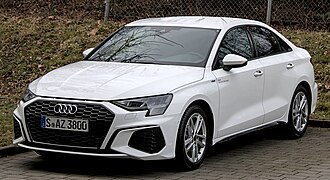
When we talk about premium hatchbacks, Audi A3 is usually one of the first names that rolls off the tongue. It’s sharp to look at, refined to drive, and carries that unmistakable four-ring badge. But once the honeymoon phase fades, one question really matters: how reliable is the Audi A3, actually?
We’re not here to sugarcoat things or recycle tired spec sheets. Instead, we’re digging into real-world ownership patterns, common faults, strong years, weak spots, and what it truly feels like to live with an A3 long term. Think of this guide as a coffee-shop conversation with someone who’s owned, driven, and fixed more than a few of them.
Let’s get into it.
Content in this publication
- Why Reliability Matters More Than Ever
- Audi A3 Generations at a Glance
- Overall Audi A3 Reliability Score: The Big Picture
- Engine Reliability: Petrol vs Diesel
- Gearbox Reliability: Manual vs Automatic
- Electrical Systems: Brain vs Brawn
- Suspension and Steering Reliability
- Interior Durability: Does Premium Age Well?
- Real-World Ownership Experience
- Best Audi A3 Years for Reliability
- Audi A3 Years to Approach Carefully
- Maintenance Costs: The Reliability Multiplier
- How Audi A3 Reliability Compares to Rivals
- Long-Term Ownership: 100,000 Miles and Beyond
- Is Audi A3 Reliability Improving Over Time?
- Who Should Buy an Audi A3 for Reliability?
- Closing Thoughts: Is the Audi A3 Reliable Enough?
- Frequently Asked Questions
Why Reliability Matters More Than Ever
Modern cars are rolling computers. They’re smarter, safer, and faster—but also more complex. Reliability today isn’t just about whether an engine starts; it’s about sensors, software, gearboxes, electronics, and how gracefully everything ages together.
With the Audi A3, reliability sits at the intersection of premium engineering and mass production. That balance can be brilliant… or occasionally frustrating.
Audi A3 Generations at a Glance
Before judging reliability, we need context. Not all A3s are created equal.
First Generation (8L: 1996–2003)
- Simpler electronics
- Solid engines
- Aging interiors now show wear
Second Generation (8P: 2003–2012)
- Huge leap in refinement
- Strong diesel reputation
- Early DSG issues begin to appear
Third Generation (8V: 2012–2020)
- Lighter MQB platform
- Better efficiency
- Electronics become more complex
Fourth Generation (8Y: 2020–Present)
- High-tech interiors
- Mild-hybrid systems
- Still too new for long-term reliability verdicts
Each generation has its own personality—and its own reliability story.
Overall Audi A3 Reliability Score: The Big Picture
If we had to summarize Audi A3 reliability in one sentence, it would be this:
Generally dependable when well maintained, but not forgiving of neglect.
The A3 isn’t fragile, but it does demand respect. Skip services, ignore warning lights, or cheap out on maintenance, and it will remind you—often with an invoice attached.
Engine Reliability: Petrol vs Diesel
Petrol Engines: Smooth but Sensitive
Audi’s petrol engines are refined and fun, especially the turbocharged TFSI units. Reliability-wise:
Strengths
- Smooth power delivery
- Quiet operation
- Strong performance for size
Common Issues
- Timing chain stretch on older TFSI engines
- Carbon buildup on direct-injection models
- Higher oil consumption on some years
Early detection is key here. Ignore early symptoms, and small issues can snowball.
Diesel Engines: The Long-Distance Kings
If reliability were a marathon, Audi diesels would still be jogging comfortably while others are gasping for air.
Why they shine
- Excellent longevity
- Strong torque at low RPM
- Often exceed 200,000 miles with care
Known concerns
- EGR valve clogging
- DPF issues with short city driving
- Dual-mass flywheel wear
For motorway drivers, diesel A3s remain one of the safest reliability bets.
Gearbox Reliability: Manual vs Automatic
Manual Transmissions
Simple. Honest. Durable.
- Fewer failures
- Lower repair costs
- Clutch wear predictable
Manual A3s are usually the most reliable choice overall.
DSG Automatic Gearboxes
This is where opinions split.
You may be interested in reading Audi A3 Years to Avoid: The Smart Buyer’s Survival Guide
The good
- Lightning-fast shifts
- Excellent fuel efficiency
- Engaging to drive
The bad
- Mechatronic unit failures (especially early DSGs)
- Expensive repairs if ignored
- Sensitive to service intervals
Later DSG units are much improved, but regular fluid changes are non-negotiable.
Electrical Systems: Brain vs Brawn
Audi packs the A3 with tech—sometimes a little too enthusiastically.
Common Electrical Gremlins
- Faulty sensors triggering warning lights
- Infotainment glitches
- Electronic parking brake issues
Most problems are annoying rather than catastrophic, but diagnosing them can be costly.
Suspension and Steering Reliability
The A3 walks a fine line between comfort and sportiness.
What holds up well
- Steering racks
- Shock absorbers on standard suspension
What wears faster
- Control arm bushings
- Wheel bearings on larger alloy setups
Road quality plays a big role here. Bad roads age A3 suspension faster than you’d expect.
Audi interiors are lovely… when new.
Strengths
- Solid dashboard materials
- Good seat comfort
- Tight panel gaps
Weaknesses
- Peeling soft-touch plastics
- Fading buttons on older models
- Sagging headliners in hot climates
It’s not catastrophic, but it does chip away at that premium feel over time.
Real-World Ownership Experience
This is where reliability becomes personal.
Owners who:
- Service on time
- Use quality parts
- Warm up engines properly
…tend to love their A3s for years.
Owners who:
- Skip maintenance
- Ignore warning lights
- Drive hard when cold
…often call the A3 “unreliable.”
Same car. Very different outcomes.
Best Audi A3 Years for Reliability
Based on long-term patterns:
Generally safer bets
- 2009–2012 (late 8P models)
- 2015–2018 (mid-cycle 8V refresh)
These years benefit from refined engines and fewer early-generation issues.
Audi A3 Years to Approach Carefully
Not bad cars—but do your homework.
You may be interested in readingAudi A3 Years to Avoid: The Smart Buyer’s Survival GuideYou may be interested in reading
 Are Audi A3 Good Cars? A Real-World Look at the Premium Hatch That Refuses to Age
- Early 2000s TFSI petrols
- Early DSG automatics (pre-2010)
- First-year redesign models
A good service history can still make these worthwhile, but inspection is critical.
Maintenance Costs: The Reliability Multiplier
Reliability and maintenance are inseparable.
Typical Annual Maintenance Includes
- Oil and filter changes
- Brake servicing
- DSG fluid service (if applicable)
- Diagnostic scans
Yes, it costs more than a basic hatchback—but less than full luxury brands.
How Audi A3 Reliability Compares to Rivals
Against similar premium hatchbacks, the A3 sits comfortably in the middle:
- More reliable than many high-performance variants
- Slightly more complex than Japanese rivals
- Better build quality than most mainstream competitors
It’s not bulletproof—but it’s far from fragile.
Long-Term Ownership: 100,000 Miles and Beyond
Can an Audi A3 last past 100,000 miles? Absolutely.
The real question is:
How well was it treated in the first 50,000?
A well-maintained A3 often feels tight and composed even deep into six-figure mileage territory.
Is Audi A3 Reliability Improving Over Time?
Short answer: yes.
Audi has:
- Improved DSG reliability
- Reduced oil consumption issues
- Enhanced corrosion protection
The newest A3 models look promising—but time will be the final judge.
Who Should Buy an Audi A3 for Reliability?
The A3 suits drivers who:
- Appreciate maintenance discipline
- Want premium feel without full luxury costs
- Drive regularly rather than leaving cars idle
If you want an appliance-like car you can ignore, this may not be your match.
Closing Thoughts: Is the Audi A3 Reliable Enough?
The Audi A3 is like a well-trained athlete. Treat it right, and it performs beautifully for years. Neglect it, and it won’t hesitate to complain.
Reliability isn’t just baked into the car—it’s built through ownership habits. For drivers willing to meet it halfway, the A3 rewards with comfort, confidence, and long-term satisfaction.
Frequently Asked Questions
1. Is the Audi A3 expensive to maintain?
More than a basic hatchback, less than a full luxury sedan. Predictable if serviced properly.
2. Are Audi A3 automatic gearboxes unreliable?
Early DSG units had issues, but newer versions are significantly more dependable with regular servicing.
3. Can an Audi A3 last over 200,000 miles?
Yes, especially diesel models with consistent maintenance and sensible driving.
4. Is Audi A3 reliability better than BMW 1 Series?
They’re comparable. Audi often wins on interior durability; BMW can edge out on drivetrain simplicity.
5. Should I buy a high-mileage Audi A3?
If service history is strong and inspections check out, a high-mileage A3 can still be a solid buy.
You may be interested in readingAudi A3 Years to Avoid: The Smart Buyer’s Survival GuideYou may be interested in reading
Are Audi A3 Good Cars? A Real-World Look at the Premium Hatch That Refuses to AgeYou may be interested in reading
 Are Audi A3 Expensive to Insure? A Real-World Cost Breakdown
If you want to know other articles similar to Audi A3 Reliability: Can This Premium Hatchback Go the Distance? you can visit the category Blog.
Volvo XC60 Quality: A Deep Dive Into Premium Craftsmanship and Everyday Excellence
Volvo XC60 Reliability by Year: The Complete Owner’s Guide

Which Ford Kuga Engine Is Best? The Ultimate Buyer’s Guide

Pros and Cons Mazda CX-30: The Real-World Ownership Breakdown
Peugeot 308 Years to Avoid: The Ultimate Buyer’s Guide

Dacia Duster Reliability: The Real Story Behind This Budget SUV
Leave a Reply
More content of your interest