
Audi Q3 Engine Size: Complete Guide to Every Engine Option

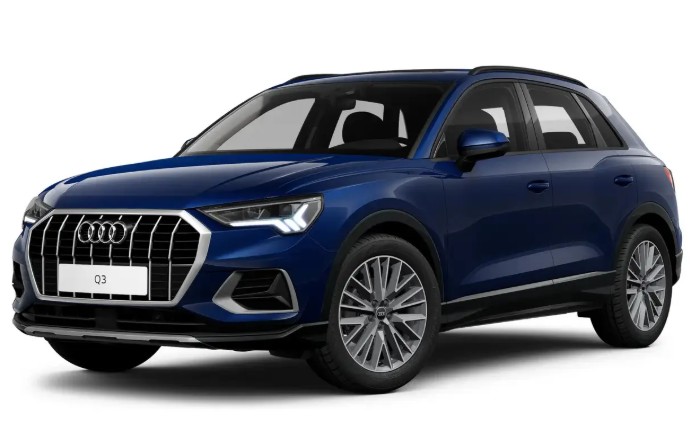
When we talk about the Audi Q3, engine size isn’t just a number—it’s the heartbeat of the entire driving experience. It’s what determines how the car feels when you press the accelerator, how much fuel you burn, and even how confident you feel overtaking on a busy motorway.
So let’s break it down together. We’re not just listing specs—we’re understanding what they mean in the real world.
Content in this publication
- What Does “Engine Size” Actually Mean?
- Audi Q3 Engine Size Overview
- 1.4L and 1.5L TFSI Engines (Entry-Level Power)
- 2.0L TFSI Petrol Engines (The Sweet Spot)
- 2.0L TDI Diesel Engines (Long-Distance Kings)
- 2.5L TFSI Engine (RS Q3 Beast Mode)
- Audi Q3 Engine Size by Generation
- How Engine Size Affects Performance
- Fuel Economy vs Engine Size
- Turbocharging: The Game Changer
- Quattro AWD and Engine Pairing
- Which Audi Q3 Engine Size Should You Choose?
- Common Questions About Audi Q3 Engines
- Reliability and Engine Size
- Maintenance Costs by Engine Size
- Audi Q3 Engine Sizes vs Competitors
- Future of Audi Q3 Engine Sizes
- Final Thoughts: Choosing the Right Engine Size
- FAQs
What Does “Engine Size” Actually Mean?
Before we dive into the Audi Q3 specifically, let’s quickly ground ourselves.
Engine size (or displacement) is measured in litres (L) and refers to the total volume of all cylinders in the engine. Think of it like lung capacity:
- Bigger engine = more air + fuel = more power
- Smaller engine = more efficiency, less fuel consumption
But here’s the twist—modern turbocharged engines make things a lot more interesting.
Audi Q3 Engine Size Overview
Across generations, the Audi Q3 offers a range of engine sizes, typically between:
- 1.4L – 1.5L (petrol entry-level)
- 2.0L (petrol and diesel mainstream)
- 2.5L (high-performance RS Q3)
Let’s unpack each one.
1.4L and 1.5L TFSI Engines (Entry-Level Power)
Why Audi Downsized the Engine
Audi transitioned from a 1.4L TFSI to a 1.5L TFSI engine in newer models. At first glance, that seems minor—but it’s actually a big deal.
Key Features
- Turbocharged 4-cylinder
- Around 148 hp (150 PS)
- Cylinder-on-demand technology (shuts down cylinders when cruising)
Real-World Feel
This engine feels like a lightweight runner—quick off the line in city traffic, smooth, and surprisingly punchy for its size.
Best For:
- Urban drivers
- Fuel-conscious buyers
- First-time premium SUV owners
2.0L TFSI Petrol Engines (The Sweet Spot)
Balanced Performance Meets Efficiency
This is where the Audi Q3 really starts to flex.
Variants Typically Include:
- 190 PS version
- 230 PS (quattro models)
Why It Matters
The 2.0L engine delivers:
You may be interested in reading Audi Q3 Engine Oil: The Complete Guide to Choosing, Changing, and Maintaining Peak Performance
- Strong acceleration
- Better motorway confidence
- Available quattro all-wheel drive
Driving Impression
Imagine switching from a jog to a sprint—this engine transforms the Q3 into a genuinely sporty SUV.
2.0L TDI Diesel Engines (Long-Distance Kings)
Why Diesel Still Matters
Even in a petrol-dominated world, diesel engines still shine for:
- High torque
- Long-range efficiency
- Lower fuel costs on highways
Typical Specs
- 150 PS or 200 PS
- Strong torque (up to ~400 Nm)
Best For:
- Frequent motorway drivers
- High-mileage users
- Towing light trailers
2.5L TFSI Engine (RS Q3 Beast Mode)
This Is Where Things Get Wild
The RS Q3 uses a 2.5L 5-cylinder turbo engine—a rare configuration in today’s market.
Why It’s Special
- Around 400 hp
- 0–60 mph in ~4.5 seconds
- Unique engine sound (thanks to 5 cylinders)
Driving Experience
It’s like strapping a rocket to your daily commute. The engine roars, pulls hard, and turns a practical SUV into a performance machine.
Audi Q3 Engine Size by Generation
First Generation (2011–2018)
- 1.4L TFSI
- 2.0L TFSI
- 2.0L TDI
Second Generation (2018–Present)
- 1.5L TFSI (replacing 1.4L)
- 2.0L TFSI
- 2.0L TDI
- 2.5L TFSI (RS Q3)
How Engine Size Affects Performance
Acceleration
- 1.5L → 0–60 mph in ~9 seconds
- 2.0L → ~6–7 seconds
- 2.5L → ~4.5 seconds
Top Speed
- Smaller engines: ~125 mph
- Larger engines: up to ~155 mph (limited)
Fuel Economy vs Engine Size
General Rule
- Smaller engine = better MPG
- Larger engine = more power, more fuel use
Typical MPG (UK Figures)
- 1.5L → 40–45 mpg
- 2.0L petrol → 30–38 mpg
- 2.0L diesel → 45–55 mpg
Turbocharging: The Game Changer
Here’s the thing—engine size alone doesn’t tell the full story.
All Audi Q3 engines are turbocharged, meaning:
- Smaller engines can produce big power
- Better fuel efficiency
- Reduced emissions
Think of it like a small engine with a built-in “boost button.”
Quattro AWD and Engine Pairing
Which Engines Get Quattro?
- 2.0L TFSI → Yes
- 2.0L TDI → Yes
- 1.5L → Typically FWD only
Why It Matters
Quattro improves:
- Grip in wet conditions
- Stability at speed
- Off-road capability (light use)
Which Audi Q3 Engine Size Should You Choose?
City Driving
Go for:
- 1.5L TFSI
Mixed Driving (Best Overall)
Choose:
- 2.0L TFSI
High Mileage / Motorway
Best pick:
You may be interested in readingAudi Q3 Engine Oil: The Complete Guide to Choosing, Changing, and Maintaining Peak PerformanceYou may be interested in reading
Audi Q3 Warning Lights: Complete Dashboard Guide for Drivers- 2.0L TDI
Performance Enthusiast
No question:
- 2.5L RS Q3
Common Questions About Audi Q3 Engines
Is Bigger Always Better?
Not really. A 2.0L engine may feel faster, but a 1.5L can be more practical daily.
Is the 1.5L Engine Underpowered?
Surprisingly, no. Thanks to turbocharging, it feels more capable than expected.
Reliability and Engine Size
General Observations
- 1.5L → fewer stress loads, generally reliable
- 2.0L → solid, widely used across VW Group
- 2.5L → high-performance, requires careful maintenance
Maintenance Costs by Engine Size
What to Expect
- Smaller engines → cheaper servicing
- Larger engines → higher fuel + maintenance costs
Typical Costs
- Oil changes
- Turbo maintenance
- Timing components
Audi Q3 Engine Sizes vs Competitors
Compared to BMW X1
- Similar 1.5L and 2.0L options
Compared to Mercedes-Benz GLA
- Comparable engine sizes
- Audi slightly more performance-focused
Future of Audi Q3 Engine Sizes
With electrification on the rise, future Q3 models may include:
- Hybrid engines
- Smaller turbo engines
- Fully electric variants
But for now, internal combustion engines still dominate.
Final Thoughts: Choosing the Right Engine Size
Choosing the right Audi Q3 engine size is like picking the right pair of shoes—it depends on where you’re going.
- Need efficiency? → 1.5L
- Want balance? → 2.0L
- Crave thrills? → 2.5L
There’s no one-size-fits-all—but there is a perfect fit for you.
FAQs
1. What is the most common Audi Q3 engine size?
The 2.0L engine is the most common, offering a balance of performance and efficiency.
2. Is the 1.5L Audi Q3 engine good enough?
Yes, especially for city driving and daily commuting.
3. Does engine size affect insurance?
Yes. Larger engines typically mean higher insurance premiums.
4. Which Audi Q3 engine is most fuel-efficient?
The 2.0L diesel (TDI) offers the best fuel economy.
You may be interested in readingAudi Q3 Engine Oil: The Complete Guide to Choosing, Changing, and Maintaining Peak PerformanceYou may be interested in reading
Audi Q3 Warning Lights: Complete Dashboard Guide for DriversYou may be interested in reading
Audi Q3 Tyre Size: The Complete Guide to Specs, Fitment & Smart Choices5. What is the fastest Audi Q3 engine?
The 2.5L TFSI in the RS Q3 is the fastest, delivering around 400 hp.
If you want to know other articles similar to Audi Q3 Engine Size: Complete Guide to Every Engine Option you can visit the category Service and Parts.
Toyota Prius Battery Replacement Cost: The Real Price Behind Hybrid Ownership
Toyota Prius Reliability: The Truth Behind the Hybrid Legend
Toyota Prius Hybrid Battery Price: The Real Cost Breakdown You Need to Know
Toyota Prius Wiper Blades: The Ultimate Guide to Clear Vision and Smart Maintenance
Toyota Prius Tyre Pressure: The Complete Guide for Performance, Safety, and Efficiency
Toyota Prius Engine Oil: The Complete Guide to Performance, Longevity, and Smart Maintenance
Leave a Reply
More content of your interest