

Audi Q3 Parking Brake System Fault: Causes, Fixes, and Real-World Solutions

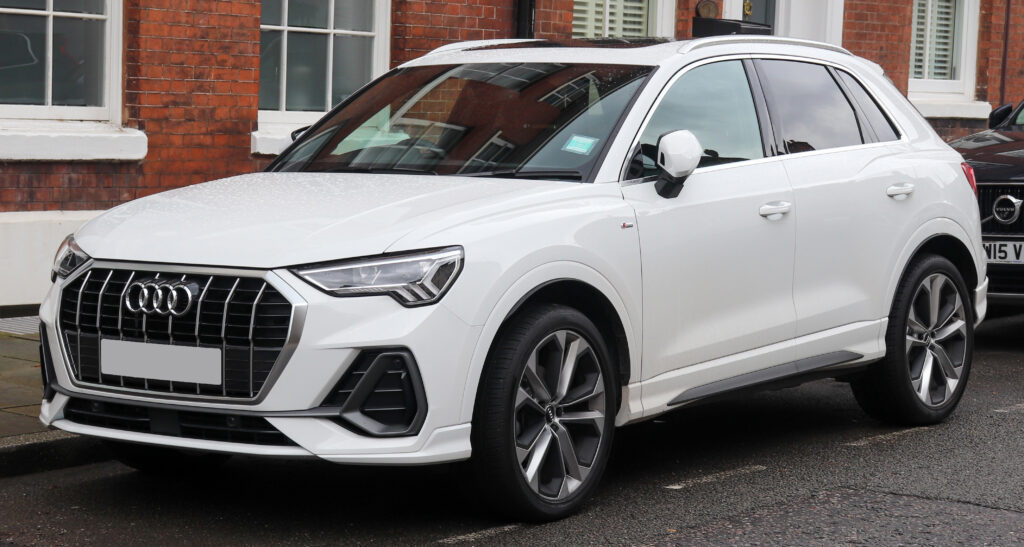
When that dreaded “Parking Brake System Fault” message pops up on your Audi Q3 dashboard, it can feel like your car just whispered, “Something’s not right…”—and it’s not wrong. But here’s the thing: not every fault means disaster. Sometimes it’s a minor hiccup. Other times, it’s your car asking for attention before a bigger issue unfolds.
Let’s break it all down together—like we’re troubleshooting it side by side in the driveway.
Content in this publication
- What Does “Parking Brake System Fault” Mean on an Audi Q3?
- How the Audi Q3 Electronic Parking Brake Works
- Common Causes of Audi Q3 Parking Brake System Fault
- Warning Signs You Should Never Ignore
- Can You Still Drive With This Fault?
- Step-by-Step: How to Reset Audi Q3 Parking Brake Fault
- Using an OBD Scanner for Diagnosis
- DIY Fixes vs Professional Repair
- Cost of Fixing Audi Q3 Parking Brake Fault
- How to Prevent Parking Brake System Faults
- Audi Q3 Model Years Most Affected
- Real-World Scenario: What It Feels Like
- Is It Safe to Ignore the Warning Temporarily?
- Dealer vs Independent Garage: Where to Fix It?
- Final Thoughts: Don’t Let a Small Fault Become a Big Problem
- FAQs
What Does “Parking Brake System Fault” Mean on an Audi Q3?
The parking brake system in modern Audi Q3 models is electronic (EPB – Electronic Parking Brake), not the traditional handbrake.
So when you see this warning, your car is telling you:
- The electronic parking brake system isn’t working properly
- A sensor, motor, or module may be malfunctioning
- Or the system detected abnormal operation
Think of it like your phone glitching—it’s not always broken, but something isn’t communicating properly.
How the Audi Q3 Electronic Parking Brake Works
A Smart System, Not Just a Brake
Unlike older cars, the Audi Q3 uses:
- Electric motors on rear brake calipers
- Control modules (ECU)
- Sensors that monitor position, pressure, and engagement
What Happens When You Activate It
When you pull the switch:
- Signal is sent to the control module
- Module activates electric motors
- Motors clamp the rear brakes
- System confirms engagement
If any step fails → you get the fault warning.
Common Causes of Audi Q3 Parking Brake System Fault
Let’s get practical. These are the real-world reasons we see most often:
1. Faulty Parking Brake Motor
Each rear caliper has a small electric motor.
Symptoms:
- Clicking noise
- Brake not engaging or releasing
- One wheel stuck
2. Low Battery Voltage
Here’s a sneaky one.
If your battery is weak, the EPB system may fail because it relies heavily on electrical power.
Signs:
- Fault appears during cold starts
- Multiple warning lights
- Slow engine crank
3. Wiring or Connector Issues
Moisture, corrosion, or wear can damage wiring.
Typical clues:
You may be interested in reading BMW X3 Problems: The Honest Guide Every Owner Should Read
- Intermittent faults
- Works sometimes, fails randomly
4. Faulty Parking Brake Switch
That little button? Yeah, it can fail too.
What happens:
- No response when pressed
- Brake engages inconsistently
5. Control Module (ECU) Malfunction
This is the brain of the system.
Symptoms:
- Persistent fault codes
- System completely unresponsive
6. Sticking Brake Calipers
If the mechanical part fails, the electronic system can’t compensate.
Watch for:
- Dragging wheel
- Burning smell
- Uneven braking
Warning Signs You Should Never Ignore
Sometimes the warning appears briefly and disappears—but don’t ignore these:
- Red parking brake warning light
- Brake won’t release
- Car rolls slightly when parked
- Grinding or clicking noises
These are your car’s way of saying: “Fix me now, not later.”
Can You Still Drive With This Fault?
Short Answer: Yes… but carefully
Driving is possible if:
- The brake is not stuck
- The car moves freely
- No severe noises
But Be Cautious
Avoid:
- Parking on steep hills
- Long drives without checking
- Ignoring repeated warnings
Because if the system fails completely, you could lose parking stability.
Step-by-Step: How to Reset Audi Q3 Parking Brake Fault
Sometimes, the issue is temporary. Try this:
Basic Reset Procedure
- Turn ignition OFF
- Wait 2–3 minutes
- Restart the car
- Engage and release parking brake 3–5 times
Battery Reset Method
- Disconnect battery for 10–15 minutes
- Reconnect
- Start engine
⚠️ Note: You may lose radio presets and settings.
Using an OBD Scanner for Diagnosis
This is where things get serious (and accurate).
What You’ll Need
- OBD2 scanner (preferably VCDS or OBDeleven)
Common Fault Codes
- C100D – Parking brake motor fault
- C1018 – Control module error
- U0128 – Communication failure
Why Scanning Matters
Because guessing = wasting money.
A scan tells you exactly:
You may be interested in readingBMW X3 Problems: The Honest Guide Every Owner Should ReadYou may be interested in reading
BMW X3 Drivetrain Malfunction: Causes, Fixes, Costs, and Expert Insights- Which component failed
- Whether it’s electrical or mechanical
DIY Fixes vs Professional Repair
DIY Repairs You Can Try
- Battery replacement
- Cleaning connectors
- Resetting system
- Replacing switch
When to Call a Mechanic
- Motor replacement
- ECU issues
- Brake caliper problems
- Persistent fault codes
Cost of Fixing Audi Q3 Parking Brake Fault
Let’s talk numbers (approximate UK/EU pricing):
Common Repair Costs
- Battery replacement: £100–£250
- Parking brake motor: £200–£400 per side
- Brake caliper with motor: £300–£600
- Control module: £400–£900
Labor Costs
- £50–£120 per hour depending on location
How to Prevent Parking Brake System Faults
Prevention is cheaper than repair. Always.
Simple Habits That Help
- Keep battery healthy
- Avoid frequent short trips
- Use parking brake regularly
- Don’t ignore early warnings
Maintenance Checklist
- Inspect rear brakes annually
- Check wiring for corrosion
- Scan for hidden fault codes
Audi Q3 Model Years Most Affected
From experience, these models report more issues:
- 2012–2015 (early EPB systems)
- 2016–2018 (electrical quirks)
Newer models are better—but not immune.
Real-World Scenario: What It Feels Like
Imagine this:
You park, pull the brake switch, and instead of the usual firm hold… nothing. Just a warning light blinking like a warning beacon.
That’s the moment you realize—this isn’t just a button anymore. It’s a system. And systems fail.
Is It Safe to Ignore the Warning Temporarily?
Let’s be honest—we’ve all ignored a warning light at some point.
But here’s the truth:
- Short term → usually okay
- Long term → risky
Because if the brake fails completely, your car could roll. And that’s not a risk worth taking.
Dealer vs Independent Garage: Where to Fix It?
Dealer Pros
- Specialized tools
- OEM parts
- Software updates
Independent Garage Pros
- Lower cost
- Faster turnaround
- Flexible repairs
Final Thoughts: Don’t Let a Small Fault Become a Big Problem
The Audi Q3 parking brake system fault is one of those issues that starts small—but can snowball quickly.
The good news?
- Many fixes are simple
- Diagnosis is straightforward with tools
- You can often prevent it altogether
Treat it like a warning whisper, not a shout—and you’ll stay ahead of the problem.
FAQs
1. What causes parking brake system fault on Audi Q3?
Most commonly: faulty motor, weak battery, wiring issues, or control module errors.
2. Can I reset the parking brake fault myself?
Yes, sometimes. Try ignition reset or battery disconnect, but persistent issues need scanning.
3. Is it expensive to fix?
Costs range from £100 (battery) to £900 (control module), depending on the issue.
You may be interested in readingBMW X3 Problems: The Honest Guide Every Owner Should ReadYou may be interested in reading
BMW X3 Drivetrain Malfunction: Causes, Fixes, Costs, and Expert InsightsYou may be interested in reading
BMW X3 Juddering at Low Speed: Causes, Fixes, and What It Really Means4. Can the car fail MOT due to this fault?
Yes. If the parking brake doesn’t function properly, it will fail.
5. Why does the fault appear intermittently?
Usually due to wiring issues, low voltage, or early component failure.
If you want to know other articles similar to Audi Q3 Parking Brake System Fault: Causes, Fixes, and Real-World Solutions you can visit the category Common Problems.
Bluetooth Greyed Out on Vauxhall Mokka: Causes, Fixes & Expert Solutions
VW Touareg Not Recognizing Key: Complete Fix & Troubleshooting Guide

SEAT Leon Navigation Database Not Available: Complete Fix Guide
SEAT Leon No Heat in Car: Causes, Fixes, and Hidden Solutions We Often Overlook
SEAT Leon Infotainment System Not Working: Causes, Fixes, and Expert Solutions
SEAT Leon Key Not Detected: Causes, Fixes, and Expert Troubleshooting Guide
Leave a Reply
More content of your interest