

Audi Q3 Years to Avoid: The Honest Buyer’s Guide We Wish We Had

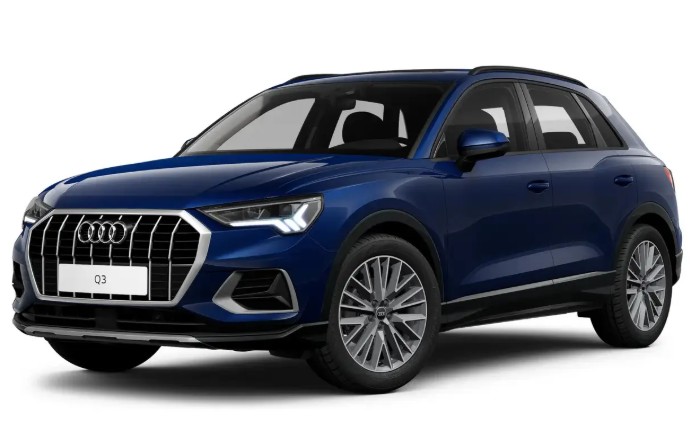
Let’s be real for a second—buying a used Audi Q3 can feel like walking through a luxury showroom… blindfolded. Everything looks polished, premium, and promising—but what’s lurking underneath?
That’s exactly why we’re here.
In this deep-dive guide, we’re going to unpack Audi Q3 years to avoid, highlight the most common issues, and help you confidently pick a model that won’t drain your wallet faster than it accelerates.
Content in this publication
- Why Knowing Audi Q3 Years to Avoid Matters
- Quick Overview of Audi Q3 Generations
- Audi Q3 Years to Avoid (The Red Flags)
- Audi Q3 Years That Are Generally Reliable
- What Makes Certain Audi Q3 Years Problematic?
- Common Audi Q3 Problems Across Multiple Years
- Mileage vs Model Year: Which Matters More?
- How to Spot a Bad Audi Q3 Before Buying
- Cost of Owning a Problematic Audi Q3
- Is the Audi Q3 Expensive to Maintain?
- Audi Q3 vs Competitors: Reliability Comparison
- Should You Avoid the Audi Q3 Entirely?
- Pro Tips for Buying a Used Audi Q3
- The Hidden Truth About Luxury SUVs
- Final Thoughts: Choosing the Right Audi Q3
- FAQs About Audi Q3 Years to Avoid
Why Knowing Audi Q3 Years to Avoid Matters
Buying used isn’t just about saving money—it’s about avoiding regret.
Some Audi Q3 model years are absolute gems. Others? Let’s just say they come with “surprises” that no one mentions in the dealership brochure.
What Can Go Wrong If You Choose the Wrong Year?
- Unexpected engine failures
- Costly transmission repairs
- Electrical gremlins that never go away
- Poor resale value
- Frequent trips to the mechanic
Think of it like dating—choosing the wrong one can cost you emotionally and financially.
Quick Overview of Audi Q3 Generations
Before we pinpoint the problematic years, let’s get our bearings.
First Generation (2011–2018)
- Built on VW Group platform
- Compact, premium feel
- Early tech systems (less refined)
Second Generation (2019–Present)
- Bigger, more modern
- Improved infotainment and safety
- Better ride quality
Audi Q3 Years to Avoid (The Red Flags)
Now, let’s get into the heart of it.
1. 2015 Audi Q3 – The Problem Child
If there’s one year we’d approach cautiously, it’s 2015.
Common Issues
- Excessive oil consumption
- Turbocharger failures
- Rough idling and engine misfires
- Premature timing chain wear
Why It’s Risky
This was one of the earliest widely available Q3 models in many markets, and it shows. Audi was still ironing out the kinks, and unfortunately, buyers became the test subjects.
2. 2016 Audi Q3 – Slightly Better, Still Risky
2016 looks similar to 2015—and unfortunately, shares many of its problems.
Key Complaints
- Persistent engine issues
- DSG transmission hesitation
- Electrical glitches (infotainment freezing)
Verdict
It’s like buying a slightly updated version of a flawed product—improved, but not fixed.
3. Early 2017 Audi Q3 Models – Not Fully Refined
By 2017, things started improving—but early builds still had lingering issues.
Reported Problems
- Gearbox jerks at low speeds
- Carbon buildup in engines
- Minor electrical faults
Important Note
Late 2017 models tend to be more reliable than early ones—timing matters here.
You may be interested in reading Audi Q3 Insurance Group: The Complete Guide to Costs, Ratings & Smart Savings
Audi Q3 Years That Are Generally Reliable
Not everything is doom and gloom. Some Q3 years are genuinely solid.
Best Picks We’d Recommend
- 2018 Audi Q3 – Most refined first-gen model
- 2020 Audi Q3 – Strong second-gen debut
- 2021+ Audi Q3 – Improved reliability and tech
What Makes Certain Audi Q3 Years Problematic?
It’s not random. There are patterns.
1. First-Year Production Issues
New models often come with:
- Unproven components
- Software bugs
- Manufacturing inconsistencies
2. Engine Design Challenges
Some Q3 engines suffered from:
- Oil consumption issues
- Turbo stress
- Carbon buildup
3. Transmission Complexity
Dual-clutch transmissions (DSG) can be:
- Smooth when new
- Expensive when worn
Common Audi Q3 Problems Across Multiple Years
Even in “good” years, there are recurring quirks.
Engine Issues
- Oil consumption
- Misfires
- Carbon buildup
Transmission Concerns
- Hesitation
- Jerky shifting
Electrical Problems
- Infotainment freezing
- Sensor malfunctions
Suspension Wear
- Bushings and mounts wearing early
Mileage vs Model Year: Which Matters More?
Here’s a thought—would you choose:
- A 2016 Q3 with 30,000 miles
- Or a 2018 Q3 with 80,000 miles?
Our Take
Condition beats age.
A well-maintained newer model year with higher mileage is often safer than a problematic year with low mileage.
How to Spot a Bad Audi Q3 Before Buying
Let’s make this practical.
Checklist We Always Use
- ✔ Check service history (non-negotiable)
- ✔ Look for oil consumption signs
- ✔ Test drive for transmission smoothness
- ✔ Scan for error codes
- ✔ Inspect turbo performance
Cost of Owning a Problematic Audi Q3
This is where things get real.
Potential Repair Costs
- Turbo replacement: $1,000–$3,000
- Timing chain repair: $1,500–$4,000
- DSG transmission repair: $2,000–$5,000
Suddenly, that “cheap” Q3 doesn’t look so cheap anymore.
Is the Audi Q3 Expensive to Maintain?
Short answer? Yes—compared to non-luxury SUVs.
But…
You may be interested in readingAudi Q3 Insurance Group: The Complete Guide to Costs, Ratings & Smart SavingsYou may be interested in reading
Audi Q3 Reliability: The Honest Owner’s Guide to What Really MattersYou Can Control Costs By
- Choosing the right model year
- Keeping up with maintenance
- Avoiding known problem years
Audi Q3 vs Competitors: Reliability Comparison
How does the Q3 stack up?
Compared to Rivals
- More premium than many rivals
- Slightly less reliable than Japanese competitors
- Comparable to other German SUVs
Should You Avoid the Audi Q3 Entirely?
Absolutely not.
That would be like avoiding all restaurants because one gave you food poisoning.
The Smart Approach
- Avoid specific bad years
- Focus on proven models
- Buy based on condition, not just price
Pro Tips for Buying a Used Audi Q3
Our Insider Advice
- Buy certified pre-owned if possible
- Avoid heavily modified cars
- Always get a pre-purchase inspection
- Prefer later production years
Here’s something most people won’t tell you:
Luxury cars age differently.
They’re amazing when new—but require care, attention, and budget as they get older.
Final Thoughts: Choosing the Right Audi Q3
If we had to sum it up in one sentence:
👉 Not all Audi Q3s are created equal.
Avoid the problematic years like 2015 and 2016, be cautious with early 2017 models, and lean toward 2018 or newer for peace of mind.
Because at the end of the day, the goal isn’t just to own a luxury SUV—it’s to enjoy it without stress.
FAQs About Audi Q3 Years to Avoid
1. What is the worst Audi Q3 year?
The 2015 model is widely considered the worst due to engine and turbo issues.
2. Are Audi Q3s reliable overall?
Yes, especially newer models (2018+), but early years had notable issues.
3. Is the 2016 Audi Q3 a good buy?
It’s better than 2015 but still carries similar risks—approach cautiously.
4. Which Audi Q3 year is most reliable?
2018, 2020, and newer models are generally the safest bets.
You may be interested in readingAudi Q3 Insurance Group: The Complete Guide to Costs, Ratings & Smart SavingsYou may be interested in reading
Audi Q3 Reliability: The Honest Owner’s Guide to What Really MattersYou may be interested in reading
 BMW X3 Years to Avoid: The Ultimate Buyer’s Guide to Smart Ownership
5. How long does an Audi Q3 last?
With proper maintenance, it can last 150,000–200,000 miles.
If you want to know other articles similar to Audi Q3 Years to Avoid: The Honest Buyer’s Guide We Wish We Had you can visit the category Blog.
Is the SEAT Leon a Good First Car? A Complete Buyer’s Guide
Are SEAT Leon Good Cars? A Complete, Honest Buyer’s Guide

Bad Years for Volkswagen Passat Sedan 4D: What We Really Need to Know Before Buying

How Reliable Are Nissan Jukes? A Complete, Honest Guide
SEAT Leon Years to Avoid: The Honest Buyer’s Guide We Wish We Had
SEAT Leon Reliability: The Honest Long-Term Ownership Guide
Leave a Reply
More content of your interest