

Bad Years for Volkswagen Passat Sedan 4D: What We Really Need to Know Before Buying

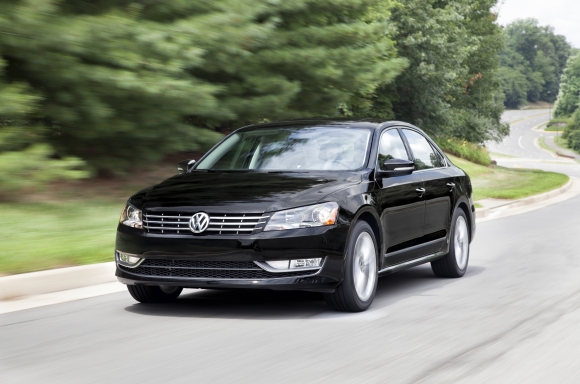
When we talk about the Volkswagen Passat Sedan 4D, we’re stepping into a story that blends German engineering brilliance with a few… let’s call them “less glorious chapters.”
And here’s the truth: not every Passat year is created equal.
Some years glide like silk. Others? They feel like walking on cracked ice—fine until suddenly they’re not.
So, which are the bad years for the Passat Sedan 4D? Why do they matter? And how do we avoid expensive mistakes?
Let’s break it all down—clearly, honestly, and with the kind of insight you wish every car seller gave you.
Content in this publication
- Understanding the Volkswagen Passat Sedan 4D Legacy
- Why Some Passat Years Are Worse Than Others
- The Worst Passat Sedan 4D Years (You Should Be Careful With)
- Common Problems Across Bad Passat Years
- The Most Expensive Problems to Watch Out For
- Are All Passats from These Years Bad?
- How to Spot a Problematic Passat Before Buying
- Best Passat Years to Consider Instead
- Diesel vs Petrol: Which Is Riskier?
- Maintenance: The Secret to Surviving a “Bad Year” Passat
- Ownership Experience: What Drivers Actually Say
- Is the Passat Still Worth Buying?
- A Quick Comparison: Risk vs Reward
- The Emotional Side of Car Ownership
- Closing Thoughts: Choosing Wisely Saves You Thousands
- FAQs
Understanding the Volkswagen Passat Sedan 4D Legacy
Before pointing fingers at specific years, we need context.
The Volkswagen Passat has been around since the 1970s, evolving through multiple generations:
- B5 (late 1990s–early 2000s)
- B6 (mid-2000s)
- B7 (early 2010s)
- B8 (mid-2010s onward)
Each generation brought innovation—but also its own set of quirks.
Why Some Passat Years Are Worse Than Others
Not all “bad years” are catastrophic—but they tend to share patterns:
- Poor reliability scores
- Frequent recalls
- Costly repairs
- Known engine or transmission flaws
Think of it like this: some years are “high maintenance relationships.” Others are long-term keepers.
The Worst Passat Sedan 4D Years (You Should Be Careful With)
Let’s get straight to it.
1. 2002–2005 Passat (B5.5 Generation)
What Went Wrong?
This era introduced complexity—especially with turbocharged engines.
Common issues:
- Sludge buildup in 1.8T engines
- Coil pack failures
- Electrical gremlins
- Premature suspension wear
Why It Matters
Oil sludge alone can destroy an engine if not properly maintained. And repairs? Not cheap.
2. 2006–2007 Passat (Early B6 Models)
The Problem Child Era
This generation brought new tech—but also new headaches.
Major issues:
- FSI engine carbon buildup
- Faulty ignition coils
- Timing chain tensioner failures
- Electrical system malfunctions
Real Talk
These cars feel modern… until they don’t. Maintenance costs can snowball quickly.
3. 2008–2010 Passat
Diesel and Petrol Problems Combined
This period is infamous for:
- High-pressure fuel pump failures (especially diesel)
- DSG transmission issues
- Turbocharger failures
- Excessive oil consumption
The Hidden Danger
Many issues don’t show immediately. They creep in—like a slow leak you don’t notice until it’s too late.
4. 2012–2013 Passat (Early B7 US Models)
On Paper vs Reality
These models were redesigned for efficiency—but reliability took a hit.
You may be interested in reading Peugeot 208 1.6 HDi Limp Mode With No Codes Found: The Hidden Causes & Real Fixes
Common complaints:
- Electrical glitches (infotainment, sensors)
- Transmission hesitation
- Premature brake wear
- Fuel system problems
The Verdict
Not disastrous—but inconsistent enough to be frustrating.
5. 2015 Passat (Transition Year Issues)
Why Transition Years Matter
Whenever a model refresh happens, bugs slip through.
Typical issues:
- Engine misfires
- Software glitches
- Fuel system inconsistencies
Lesson Learned
Never rush into the first year of a refresh—let others test it first.
Common Problems Across Bad Passat Years
Let’s zoom out. Across these years, certain issues keep repeating.
Engine Problems
- Oil sludge (especially older turbo engines)
- Carbon buildup in direct injection engines
- Timing chain failures
Transmission Issues
- DSG hesitation
- Rough shifting
- Mechatronic failures
Electrical Problems
- Dashboard warning lights
- Infotainment failures
- Sensor malfunctions
Suspension & Build Quality
- Worn control arms
- Noisy suspension
- Interior wear faster than expected
The Most Expensive Problems to Watch Out For
Here’s where things can hurt your wallet:
- Engine rebuild: $3,000–$7,000
- DSG transmission repair: $2,000–$5,000
- Turbo replacement: $1,500–$3,000
- Fuel pump failure: $1,000–$2,500
We’re not talking pocket change.
Are All Passats from These Years Bad?
Not necessarily.
Here’s the nuance:
- Well-maintained cars can still be reliable
- Service history is everything
- Some engines are better than others within the same year
Think of it like people—same age, different lifestyles, totally different outcomes.
How to Spot a Problematic Passat Before Buying
Let’s get practical.
Checklist Before You Buy
- Full service history (non-negotiable)
- Smooth transmission shifts
- No warning lights on dashboard
- Engine idle is stable
- No unusual noises during acceleration
Pro Tip
Always get a pre-purchase inspection. Always.
Best Passat Years to Consider Instead
If we’re avoiding the bad ones, what should we look for?
Safer Bets
- 2014 Passat
- 2016–2018 Passat
- 2019+ Passat
These years tend to offer:
- Better reliability
- Fewer complaints
- Improved build quality
Diesel vs Petrol: Which Is Riskier?
Diesel Models
Pros:
- Better fuel economy
- Strong torque
Cons:
- Expensive fuel system repairs
- Emissions system issues
Petrol Models
Pros:
- Simpler maintenance
- Lower repair costs
Cons:
- Carbon buildup
- Oil consumption issues
Maintenance: The Secret to Surviving a “Bad Year” Passat
Here’s the twist: even a “bad year” can be manageable with proper care.
You may be interested in readingPeugeot 208 1.6 HDi Limp Mode With No Codes Found: The Hidden Causes & Real FixesYou may be interested in reading
 Toyota Corolla AE86 Engine Swap – The Ultimate Guide
Maintenance Must-Dos
- Regular oil changes (every 5,000–7,000 miles)
- Use high-quality oil
- Clean intake valves (for direct injection engines)
- Transmission servicing on time
Skip maintenance—and you’re inviting trouble.
Ownership Experience: What Drivers Actually Say
Let’s be honest—reviews matter.
Common owner feedback includes:
- “Great driving comfort”
- “Expensive repairs”
- “Feels premium for the price”
- “Electronics can be annoying”
It’s a love-hate relationship.
Is the Passat Still Worth Buying?
Yes—but with conditions.
We’d say:
- Avoid known problematic years unless well-maintained
- Prioritize newer models
- Budget for maintenance
Because when it works? It’s a fantastic sedan.
A Quick Comparison: Risk vs Reward
| Factor | Good Years | Bad Years |
|---|---|---|
| Reliability | High | Inconsistent |
| Maintenance Cost | Moderate | High |
| Driving Comfort | Excellent | Excellent |
| Long-Term Value | Strong | Risky |
The Emotional Side of Car Ownership
Let’s get real for a second.
Buying a car isn’t just logical—it’s emotional.
The Passat feels:
- Solid
- Refined
- European
But if you pick the wrong year? That feeling turns into regret.
Closing Thoughts: Choosing Wisely Saves You Thousands
So, what have we learned?
The bad years for the Volkswagen Passat Sedan 4D aren’t just random—they follow patterns tied to design changes, technology shifts, and engineering risks.
If we approach this smartly:
- We avoid the risky years
- We verify maintenance
- We invest in the right model
And suddenly, the Passat becomes what it was always meant to be—a smooth, reliable companion.
Choose wisely, and it’ll reward you. Choose blindly… and it might teach you an expensive lesson.
FAQs
1. What is the worst Passat year overall?
The 2006–2007 models are often considered the worst due to engine and electrical issues.
2. Are Passats expensive to maintain?
They can be, especially older or problematic years. Expect higher-than-average repair costs.
3. Is the DSG transmission reliable?
It’s efficient but can be problematic if not properly maintained.
4. Should I avoid all older Passats?
Not necessarily. Well-maintained older models can still be reliable.
You may be interested in readingPeugeot 208 1.6 HDi Limp Mode With No Codes Found: The Hidden Causes & Real FixesYou may be interested in reading
Toyota Corolla AE86 Engine Swap – The Ultimate GuideYou may be interested in reading
 Does the Toyota Camry Have CVT Transmission?
5. Is the Passat a good used car overall?
Yes—if you choose the right year and verify its history.
If you want to know other articles similar to Bad Years for Volkswagen Passat Sedan 4D: What We Really Need to Know Before Buying you can visit the category Blog.
How Reliable Are Nissan Jukes? A Complete, Honest Guide

SEAT Leon Years to Avoid: The Honest Buyer’s Guide We Wish We Had
SEAT Leon Reliability: The Honest Long-Term Ownership Guide

Ford Mondeo Insurance Group: The Ultimate Cost & Risk Guide
Ford Mondeo Reliability: The Real Truth Behind This Iconic Sedan

Volvo XC60 Quality: A Deep Dive Into Premium Craftsmanship and Everyday Excellence
Leave a Reply
More content of your interest