

BMW 1 Series Engine Light – What It Means and What We Do Next

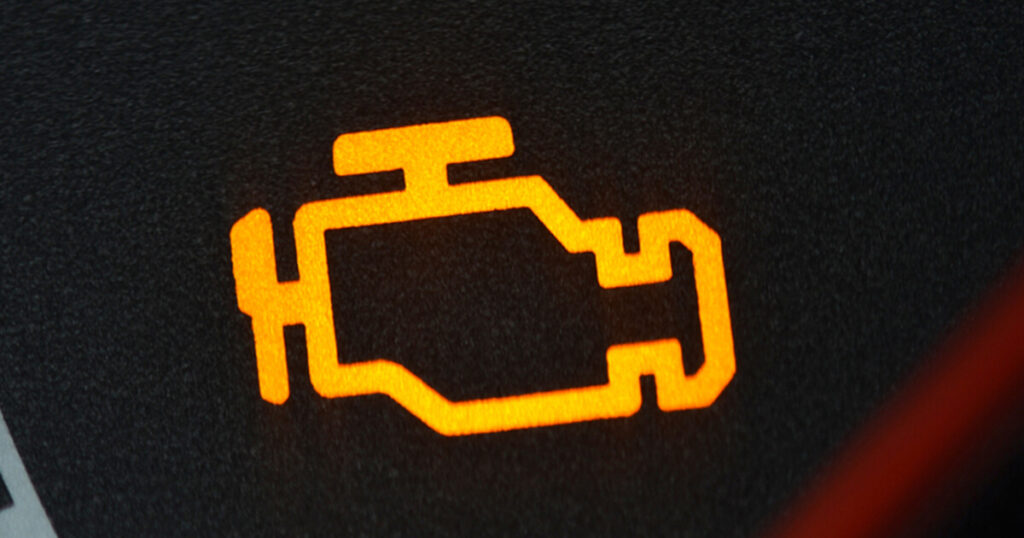
Few things spike your heart rate like seeing the BMW 1 Series engine light glow on the dashboard. It’s that tiny amber symbol that feels louder than a siren. One moment you’re cruising, the next you’re asking yourself, “Is my car about to give up on me?”
Let’s slow that moment down. The engine light isn’t always a disaster. Think of it as your car clearing its throat—it’s trying to tell us something before it has to shout.
In this guide, we break down what the BMW 1 Series engine light really means, why it comes on, what we should do immediately, and how to avoid turning a small issue into a wallet-draining repair.
Content in this publication
- Understanding the BMW 1 Series Engine Light
- Why the Engine Light Comes On in the BMW 1 Series
- BMW 1 Series Generations and Engine Light Behavior
- What We Should Do When the Light Appears
- Common BMW 1 Series Engine Light Causes Explained
- Can We Drive With the Engine Light On?
- How We Diagnose a BMW 1 Series Engine Light
- Resetting the Engine Light – When It’s Safe
- Preventing Engine Light Issues in the BMW 1 Series
- Costs Associated With Engine Light Repairs
- Why BMW Engine Lights Feel More Intimidating
- Closing Thoughts
- FAQs
Understanding the BMW 1 Series Engine Light
The engine light—often called the “check engine light”—is part of the car’s onboard diagnostics system. It monitors emissions, sensors, fuel mixture, and overall engine health.
There are two main behaviors:
- Solid light – Something is wrong, but it’s usually safe to drive carefully.
- Flashing light – A serious issue, often misfires that can damage the catalytic converter. This is a pull over moment.
That difference alone can save us from panic—or from ignoring a real emergency.
Why the Engine Light Comes On in the BMW 1 Series
BMW’s precision engineering relies on a web of sensors. When one reports data outside normal limits, the engine light appears.
Common triggers include:
- Faulty oxygen (O2) sensors
- Loose or damaged fuel cap
- Misfiring spark plugs or coils
- Mass air flow (MAF) sensor errors
- Exhaust system leaks
- Failing catalytic converter
- Low battery voltage or charging issues
Sometimes it’s as small as a loose cap. Other times, it’s your engine whispering, “Help me now, not later.”
BMW 1 Series Generations and Engine Light Behavior
E81 / E82 / E87 / E88 (2004–2011)
Older models often trigger the light due to:
- Coil pack failures
- Vacuum leaks
- Aging sensors
- Timing chain stretch in early petrol engines
These cars are honest—they warn early. Listen.
F20 / F21 (2011–2019)
More electronics, more data, more sensitivity:
- EGR valve faults (especially diesels)
- DPF regeneration issues
- Fuel pressure sensor errors
- Turbo boost deviations
F40 (2019–Present)
Smarter systems, but still human:
You may be interested in reading BMW 1 Series Tyre Pressure Reset Guide
- Software glitches
- Mild hybrid system warnings
- Emissions sensor misreads
- Battery management alerts
The light isn’t accusing—it’s informing.
What We Should Do When the Light Appears
Immediate Steps
- Stay calm.
- Check if the light is solid or flashing.
- Notice any changes in driving:
- Loss of power
- Rough idle
- Shaking
- Unusual smells
If the light is flashing, we stop. If it’s solid and the car feels normal, we can drive carefully to diagnose it.
Common BMW 1 Series Engine Light Causes Explained
Oxygen Sensor Failure
These sensors regulate fuel mixture. When they fail, fuel economy drops and emissions spike.
Ignition Coil or Spark Plug Misfires
A misfire feels like stumbling while walking. Left untreated, it damages the catalytic converter.
Loose Fuel Cap
It sounds silly, but it’s real. A loose cap triggers an emissions fault.
Mass Air Flow Sensor Issues
This sensor tells the engine how much air it’s breathing. Bad data equals bad combustion.
EGR and DPF Problems (Diesel Models)
Short trips prevent proper regeneration. The engine light becomes your car begging for a long drive.
Can We Drive With the Engine Light On?
We can—sometimes. We should—carefully.
Safe to continue briefly when:
- Light is solid
- Car runs normally
- No smoke, no shaking
Stop immediately when:
- Light is flashing
- Engine misfires
- Power drops suddenly
- Strong fuel or burning smells appear
Driving with a flashing engine light is like jogging on a fractured ankle—it only gets worse.
How We Diagnose a BMW 1 Series Engine Light
The key is a diagnostic scan.
We plug in an OBD2 scanner and retrieve fault codes such as:
You may be interested in readingBMW 1 Series Tyre Pressure Reset GuideYou may be interested in reading
 BMW 1 Series Headlight Bulb Replacement
- P0171 – Lean mixture
- P0300–P0304 – Misfires
- P0420 – Catalytic efficiency
- P0100–P0102 – MAF sensor
- P0400 series – EGR issues
Each code is a breadcrumb. Together, they tell the story.
Resetting the Engine Light – When It’s Safe
Resetting only makes sense if:
- The issue was temporary
- We fixed the cause (like tightening the fuel cap)
- The car drives perfectly
Methods:
- OBD scanner reset
- Battery disconnect (temporary and not recommended long-term)
Resetting without fixing is like silencing a smoke alarm while the kitchen burns.
Preventing Engine Light Issues in the BMW 1 Series
We don’t need magic—just consistency.
- Use quality fuel
- Replace spark plugs on schedule
- Drive diesels long enough for DPF regeneration
- Fix small issues early
- Keep software updated
Maintenance is cheaper than miracles.
Costs Associated With Engine Light Repairs
| Issue | Typical Cost Range |
|---|---|
| Loose fuel cap | Free |
| O2 sensor | $150–$350 |
| Ignition coil | $80–$200 |
| MAF sensor | $150–$300 |
| EGR valve | $300–$700 |
| Catalytic converter | $900–$2,500 |
The light itself is free. Ignoring it is expensive.
Why BMW Engine Lights Feel More Intimidating
BMW doesn’t sugarcoat. The car speaks in precision. When something drifts even slightly, the system reacts.
Other cars might whisper. BMW clears its throat.
It’s not fragile—it’s attentive.
Closing Thoughts
The BMW 1 Series engine light isn’t a villain. It’s a messenger. Sometimes it carries a minor note. Other times, it’s an urgent letter.
Our job isn’t to panic or ignore—it’s to listen.
When we treat the engine light as a conversation instead of a threat, we turn anxiety into control. And that’s what great driving is all about.
You may be interested in readingBMW 1 Series Tyre Pressure Reset GuideYou may be interested in reading
BMW 1 Series Headlight Bulb ReplacementYou may be interested in reading
 BMW 1 Series Tyre Size: The Complete Guide for Every Generation
FAQs
- Can I ignore the BMW 1 Series engine light if the car drives fine?
Not long-term. It may be minor, but it’s always a warning worth checking. - Why does the engine light turn off by itself?
Some faults are intermittent. That doesn’t mean the problem is gone. - Is the engine light the same as a service light?
No. The engine light signals faults. The service light tracks maintenance intervals. - Does cold weather trigger engine lights?
It can. Batteries, sensors, and emissions systems react to temperature changes. - Will an MOT fail if the engine light is on?
Yes. An active engine warning is an automatic failure in most regions.
If you want to know other articles similar to BMW 1 Series Engine Light – What It Means and What We Do Next you can visit the category Service and Parts.
How to Reset Volvo XC60 Infotainment System: The Complete Practical Guide
Volvo XC60 Gearbox Oil Change: The Complete Expert Guide
Volvo XC60 Engine Management Light: Causes, Fixes, and What It Really Means

Skoda Kamiq Size Comparison: Dimensions, Space & Real-World Practicality
Volvo XC60 Headlight Adjustment for Europe: The Complete Practical Guide
Volvo XC60 City Safety Service Required: What It Means, Causes, and Fixes
Leave a Reply
More content of your interest