

BMW 1 Series Issues: Common Problems Every Owner Should Know

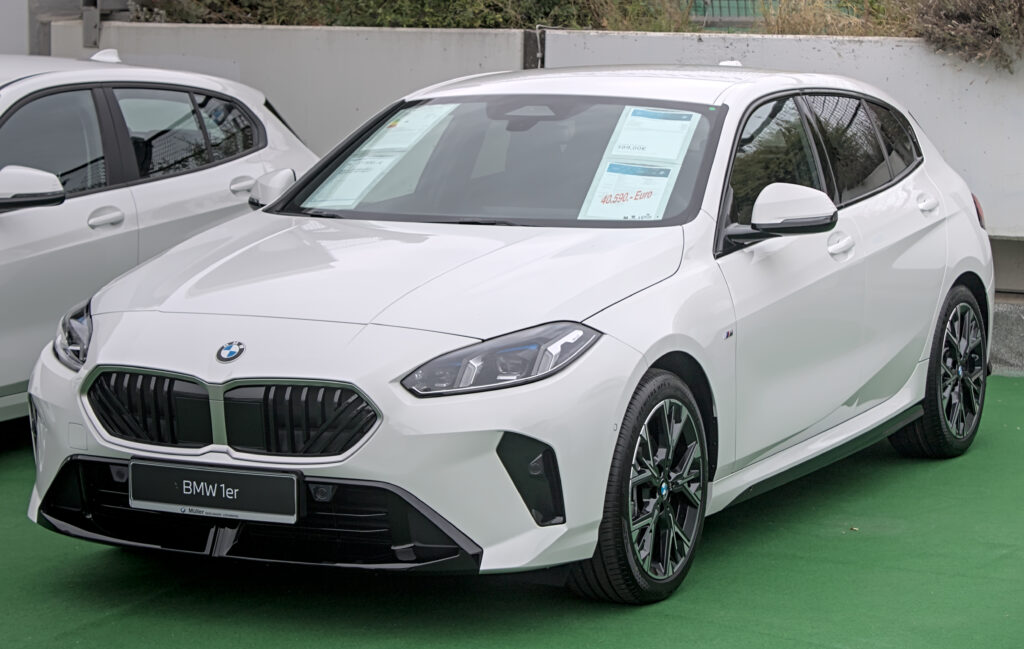
The BMW 1 Series promises premium driving in a compact package. It looks sharp, feels athletic, and carries that unmistakable BMW badge. But let’s be honest—owning one isn’t always smooth sailing. Like any performance-oriented car, the 1 Series comes with its own quirks, weaknesses, and recurring headaches.
We’ve spent years digging through owner feedback, workshop reports, and real-world experiences. What emerges is a clear picture: the BMW 1 Series can be brilliant, but only if you understand its issues before they bite. Think of this guide as a flashlight in a dark garage—helping you spot trouble before it becomes expensive.
Content in this publication
- Why BMW 1 Series Problems Matter
- Engine-Related BMW 1 Series Issues
- Transmission Troubles
- Electrical Gremlins
- Suspension and Steering Problems
- Cooling System Weaknesses
- Turbocharger Issues
- Interior Wear and Quality Concerns
- Brake System Complaints
- Fuel System Problems
- Emission System Headaches (Diesel Models)
- Model Years Most Affected
- How We Reduce BMW 1 Series Problems
- Is the BMW 1 Series Still Worth It?
- Common Warning Signs We Never Ignore
- Closing Thoughts
- FAQs
Why BMW 1 Series Problems Matter
A small issue in a BMW rarely stays small. Minor faults can snowball into four-figure repair bills. By knowing what commonly goes wrong, we can:
- Prevent breakdowns
- Budget smarter
- Negotiate better when buying used
- Extend the car’s lifespan
Awareness is power—and in this case, it’s also money saved.
Timing Chain Failures (Especially N47 Diesels)
Few problems haunt the 1 Series like the infamous N47 timing chain. Early diesel models (roughly 2007–2013) are notorious for chain stretch and failure.
Symptoms include:
- Rattling noise from the rear of the engine
- Metallic scraping on cold starts
- Engine warning lights
When it snaps, the engine can self-destruct. Repairs often exceed the car’s value.
Oil Consumption in Petrol Models
Some petrol engines, particularly turbocharged units, burn oil faster than expected. Owners often report topping up between services.
Watch for:
- Low oil warnings
- Blue exhaust smoke
- Rough idle after cold starts
Neglecting oil levels invites turbo and engine damage.
Transmission Troubles
Automatic Gearbox Jerking
Many drivers complain about rough shifts, delayed engagement, or jerking—especially in stop-and-go traffic.
Causes may include:
- Outdated gearbox software
- Old transmission fluid
- Mechatronic unit wear
While BMW once claimed “lifetime fluid,” real-world experience says otherwise.
Manual Clutch Wear
Manual models can eat clutches earlier than expected, especially in urban driving.
Warning signs:
- Slipping under acceleration
- Burning smell
- Heavy clutch pedal
Electrical Gremlins
Battery Drain Issues
Modern BMWs are rolling computers. The 1 Series is no exception. Faulty modules or comfort-access systems can drain batteries overnight.
Common symptoms:
- Flat battery after parking
- Random dashboard warnings
- Non-start conditions
Often, the car itself is “awake” when it should be asleep.
You may be interested in reading BMW 1 Series Parking Light Failure: The Complete Real-World Guide
iDrive and Infotainment Failures
Owners report frozen screens, Bluetooth dropouts, and reboot loops.
These issues may stem from:
- Software bugs
- Moisture ingress
- Aging head units
Suspension and Steering Problems
Worn Bushings and Arms
The sporty setup is fun—but hard on components. Front control arm bushings are a frequent casualty.
You’ll notice:
- Clunking over bumps
- Wandering steering
- Uneven tire wear
Electric Power Steering Faults
Some models suffer from steering assistance failures, leading to heavy or inconsistent steering feel.
This can be:
- Intermittent
- Temperature-related
- Expensive to repair
Cooling System Weaknesses
BMW cooling systems are known for plastic components that age poorly.
Common failures include:
- Expansion tanks cracking
- Water pumps failing
- Thermostat sticking
Overheating even once can warp the cylinder head.
Turbocharger Issues
Turbocharged engines deliver punch—but turbos are delicate.
Typical problems:
- Wastegate rattle
- Boost leaks
- Oil starvation
A failing turbo often announces itself with:
- Whining noises
- Loss of power
- Excessive smoke
Interior Wear and Quality Concerns
Despite the premium badge, some interiors age badly.
Owners complain about:
- Soft-touch coatings peeling
- Buttons fading
- Sagging headliners
It’s cosmetic—but frustrating.
Seat Bolster Wear
Sport seats look great, but their bolsters wear quickly, especially on the driver’s side.
Brake System Complaints
BMW brakes bite hard—but wear fast.
Common issues:
You may be interested in readingBMW 1 Series Parking Light Failure: The Complete Real-World GuideYou may be interested in reading
 BMW 1 Series Not Starting – Causes, Fixes, and Real-World Solutions
- Squealing
- Warped discs
- High replacement cost
Short city trips accelerate brake wear dramatically.
Fuel System Problems
High-Pressure Fuel Pump Failures
Petrol turbo engines may suffer HPFP failures.
Symptoms:
- Long cranking
- Stalling
- Engine warnings
When it goes, the car may not start at all.
Emission System Headaches (Diesel Models)
Modern diesels carry complex emissions hardware.
Trouble spots include:
- EGR valves clogging
- DPF regeneration failures
- AdBlue sensor faults
Short trips are the enemy here.
Model Years Most Affected
| Generation | Years | Key Issues |
|---|---|---|
| E87/E81 | 2004–2011 | Timing chain, suspension, electronics |
| F20/F21 | 2011–2019 | Gearbox behavior, electronics, DPF |
| F40 | 2019–Now | Software bugs, battery drain |
Early diesel E87 models remain the riskiest.
How We Reduce BMW 1 Series Problems
Preventive Maintenance Strategy
We beat most issues by staying ahead:
- Oil changes every 6–8k miles
- Gearbox fluid every 50–60k
- Cooling system inspection yearly
- Software updates
Smart Driving Habits
- Let turbos warm up and cool down
- Avoid constant short trips in diesels
- Address warning lights immediately
Is the BMW 1 Series Still Worth It?
Absolutely—if you buy wisely.
A well-maintained 1 Series drives like nothing else in its class. Rear-wheel-drive models feel alive. Even the newer front-drive versions remain refined and quick.
But it’s not a “set and forget” car. It rewards attention and punishes neglect.
Common Warning Signs We Never Ignore
- Rattling from engine bay
- Jerky gear changes
- Random electrical messages
- Coolant loss
- Whining turbo noises
These are whispers before the shout.
Closing Thoughts
The BMW 1 Series is like a high-strung athlete: brilliant on the track, demanding in daily life. It can deliver years of joy—or months of regret. The difference lies in awareness and care.
When we understand its weak points, we turn risk into strategy. We don’t just own the car—we manage it. And that’s where the magic happens: a premium hatch that still feels special every time we twist the key.
FAQs
1. Which BMW 1 Series engine is most problematic?
Early N47 diesel engines are infamous for timing chain failures, especially pre-2013 models.
2. Are BMW 1 Series repairs expensive?
Yes, compared to mainstream hatchbacks. Parts and labor costs are premium-level.
3. How long does a BMW 1 Series last?
With proper care, 150,000–200,000 miles is achievable.
You may be interested in readingBMW 1 Series Parking Light Failure: The Complete Real-World GuideYou may be interested in reading
BMW 1 Series Not Starting – Causes, Fixes, and Real-World SolutionsYou may be interested in reading
 BMW 1 Series Oil Leak: Causes, Fixes, and What It Really Costs
4. Is the BMW 1 Series reliable?
It’s average overall—great when maintained, troublesome when neglected.
5. Should we avoid diesel versions?
Not entirely, but short-trip drivers should think twice due to DPF and EGR issues.
If you want to know other articles similar to BMW 1 Series Issues: Common Problems Every Owner Should Know you can visit the category Common Problems.
Volvo XC60 360 Camera Not Working: Complete Troubleshooting & Fix Guide
Volvo XC60 Key Fob Not Working: Causes, Fixes, and Expert Solutions
Volvo XC60 Low Battery Warning: Causes, Fixes, and Prevention Guide
Volvo XC60 No Sound: Causes, Fixes, and Complete Troubleshooting Guide
Volvo XC60 Common Problems: What Owners Really Experience
Volvo XC60 Issues: The Truth Behind This Popular SUV
Leave a Reply
More content of your interest