

BMW 1 Series Reliability – What It’s Really Like to Live With One

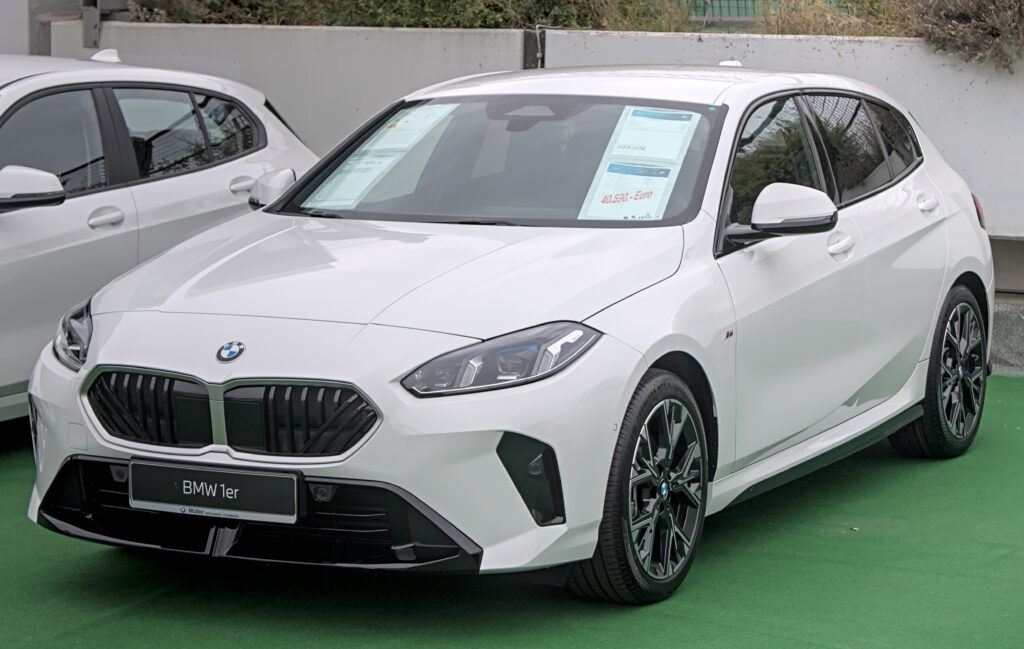
Reliability is the quiet deal-breaker. We can fall in love with a car’s shape, its badge, or the way it pulls through a corner—but if it spends more time on a tow truck than on the road, the romance fades fast. That’s why the question of BMW 1 Series reliability matters so much.
The BMW 1 Series sits in a fascinating spot. It promises premium engineering in a compact package. It whispers “driver’s car” while still fitting into tight urban parking bays. But does it live up to that promise year after year?
Let’s peel back the marketing and talk about what it’s really like to own one—across generations, engines, and mileages.
Content in this publication
- Why Reliability Matters in the Premium Hatchback Class
- BMW 1 Series Generations at a Glance
- Early Models: Characterful but Temperamental
- F20 Era: A Turning Point for Reliability
- The Modern F40: Built for Longevity
- Engine Reliability Breakdown
- Transmission Reliability
- Electrical Systems: The Silent Stress Test
- Real-World Ownership Experience
- Maintenance: The Hidden Variable
- Reliability vs Rivals
- What Mileage Tells Us
- Who Should Buy One?
- Reliability Myths We Need to Bust
- Buying Checklist for a Reliable 1 Series
- Living With One Long-Term
- Closing Thoughts
- FAQs
Buying a premium hatchback isn’t just about leather and logos. We expect:
- Fewer breakdowns
- Predictable maintenance costs
- Strong long-term durability
- A sense that the car will age gracefully
In this class, the 1 Series goes head-to-head with the Audi A3, Mercedes-Benz A-Class, and Volkswagen Golf. All offer polish. All promise dependability. Only one gets the BMW badge—and the expectations that come with it.
BMW 1 Series Generations at a Glance
Understanding reliability starts with understanding evolution.
First Generation (E81/E82/E87/E88 – 2004–2011)
Rear-wheel drive, mechanical steering feel, and a very “old-school BMW” personality.
Second Generation (F20/F21 – 2011–2019)
More refined, still rear-wheel drive, broader engine lineup, improved tech.
Third Generation (F40 – 2019–Present)
Front-wheel drive, modern infotainment, efficiency-focused, and more mainstream.
Each generation has its own reliability fingerprint.
Early Models: Characterful but Temperamental
The earliest 1 Series models earned a reputation for being engaging—but not always forgiving.
Common Issues in Early E87 Models
- Timing chain stretch on some diesel engines
- Electrical gremlins (windows, central locking, sensors)
- Suspension wear in urban driving
- Clutch and dual-mass flywheel failures at higher mileage
These cars feel raw and rewarding, but ownership can feel like adopting a spirited rescue dog—full of personality, occasionally unpredictable.
F20 Era: A Turning Point for Reliability
With the F20 generation, BMW sharpened its focus on build quality and long-term durability.
What Improved
- Better engine management systems
- More robust gearboxes
- Enhanced rust protection
- Fewer interior rattles
Petrol engines such as the 118i and 120i became far more dependable, especially after mid-cycle updates.
Diesel variants like the 116d and 118d proved popular with high-mileage drivers—and for good reason. They’re efficient, strong, and generally durable when serviced on time.
The Modern F40: Built for Longevity
The latest 1 Series feels like a product of data, feedback, and refinement.
Reliability Strengths
- Simplified drivetrain layout
- Fewer complex mechanical systems
- Improved electronics architecture
- Stronger focus on preventative diagnostics
This generation trades some old-school BMW charm for consistency and predictability. It’s quieter. Calmer. More “appliance-like.” But that’s often a compliment when it comes to reliability.
You may be interested in reading Which BMW 1 Series Is Most Reliable? A Real-World Buyer’s Guide
Engine Reliability Breakdown
Not all engines are created equal. Some shine. Others demand more attention.
Petrol Engines
- 116i / 118i (1.5–1.6L)
- Generally reliable
- Occasional coil pack failures
- Carbon build-up in direct-injection systems over time
- 120i / 125i
- Strong performance
- Watch for cooling system wear
- Turbo longevity depends on oil change discipline
Diesel Engines
- 116d / 118d / 120d
- Excellent fuel economy
- Long-lasting when serviced properly
- EGR valve and DPF issues in short-trip driving
Diesels love long journeys. Short urban runs are their kryptonite.
Transmission Reliability
Manual Gearboxes
Simple. Durable. Often outlast the car itself when treated kindly.
Automatic Gearboxes
Modern BMW automatics are smooth and intelligent. Reliability is strong—but fluid changes matter more than the “sealed for life” label suggests.
Neglect is the enemy.
Electrical Systems: The Silent Stress Test
Modern cars live on software. The 1 Series is no exception.
Common electrical complaints include:
- Infotainment freezing
- Parking sensor faults
- Battery drain from background modules
- Keyless entry inconsistencies
Most are solved with updates or module resets. Rarely catastrophic—but annoying when they happen.
Real-World Ownership Experience
Owners often describe the 1 Series as:
- “Solid on the motorway”
- “Surprisingly durable”
- “Expensive when things go wrong, but not often”
Reliability isn’t just about failures. It’s about confidence. And many drivers report feeling comfortable pushing past 100,000 miles.
A BMW that’s loved is a BMW that lasts.
Neglected servicing changes everything.
Good Habits That Extend Life
- Oil changes every 7,000–10,000 miles
- Quality fuel
- Regular brake and suspension inspections
- Software updates at service intervals
The difference between a “problem BMW” and a “bulletproof BMW” is often the owner.
Reliability vs Rivals
How does the 1 Series stack up?
| Model | Reliability Perception | Ownership Feel |
|---|---|---|
| BMW 1 Series | Medium-High | Engaging, premium |
| Audi A3 | High | Calm, polished |
| Mercedes A-Class | Medium | Stylish, tech-heavy |
| VW Golf | High | Practical, dependable |
The BMW leans more emotional. The Golf leans more predictable. Neither is wrong—just different.
What Mileage Tells Us
- Under 50k miles:
Usually trouble-free - 50k–100k miles:
Wear items emerge—brakes, suspension, sensors - Over 100k miles:
Still viable with good history
Budget for preventative work
A well-serviced 1 Series at 120k can feel healthier than a neglected one at 60k.
Who Should Buy One?
The BMW 1 Series suits drivers who:
You may be interested in readingWhich BMW 1 Series Is Most Reliable? A Real-World Buyer’s GuideYou may be interested in reading
 Is BMW 1 Series a Good First Car? A Real-World Guide for New Drivers
- Enjoy a dynamic feel
- Value premium interiors
- Accept that parts cost more
- Are willing to maintain properly
It’s not a “set it and forget it” car. It’s a relationship.
Reliability Myths We Need to Bust
“All BMWs Are Unreliable”
Outdated thinking. Modern BMWs are far more dependable than their reputation suggests.
“German Cars Are Always Expensive to Fix”
True for some parts—but frequency matters more than price.
“High Mileage Equals Trouble”
History beats mileage every time.
Buying Checklist for a Reliable 1 Series
Before buying:
- Check full service history
- Scan for fault codes
- Inspect suspension components
- Test all electronics
- Ask about oil change intervals
A thorough inspection saves thousands later.
Living With One Long-Term
Reliability isn’t binary. It’s emotional.
It’s the difference between:
- Turning the key with confidence
- Or bracing for a warning light
A well-kept 1 Series becomes a companion. It learns your habits. It rewards attention. It doesn’t just move you—it reflects how you care for it.
Closing Thoughts
BMW 1 Series reliability is not about perfection. It’s about balance.
These cars aren’t indestructible appliances. They’re precision machines. When respected, they’re loyal. When ignored, they remind you that engineering has boundaries.
If you treat a 1 Series well, it will age with grace. It will carry stories in its seats, miles in its wheels, and trust in every startup.
That’s reliability—not silence, but partnership.
FAQs
Is the BMW 1 Series reliable long-term?
Yes. With proper maintenance, many exceed 100,000 miles comfortably.
Which engine is the most reliable?
The 118i petrol and 118d diesel are widely regarded as the safest bets.
Are repairs expensive?
Parts can cost more than mainstream brands, but failures are not frequent.
Is the new front-wheel-drive model better?
It’s more consistent and predictable, though less “BMW-like” in feel.
You may be interested in readingWhich BMW 1 Series Is Most Reliable? A Real-World Buyer’s GuideYou may be interested in reading
Is BMW 1 Series a Good First Car? A Real-World Guide for New DriversYou may be interested in reading
 Mercedes-Benz A-Class Reliability: Can Luxury Stay Dependable?
Should I buy one used?
Absolutely—just prioritize service history over low mileage.
If you want to know other articles similar to BMW 1 Series Reliability – What It’s Really Like to Live With One you can visit the category Blog.
Volvo XC60 Quality: A Deep Dive Into Premium Craftsmanship and Everyday Excellence
Volvo XC60 Reliability by Year: The Complete Owner’s Guide

Which Ford Kuga Engine Is Best? The Ultimate Buyer’s Guide
Pros and Cons Mazda CX-30: The Real-World Ownership Breakdown
Peugeot 308 Years to Avoid: The Ultimate Buyer’s Guide
Dacia Duster Reliability: The Real Story Behind This Budget SUV
Leave a Reply
More content of your interest