

BMW X1 Fuel Consumption: Real MPG, Efficiency Tips, and Engine Guide

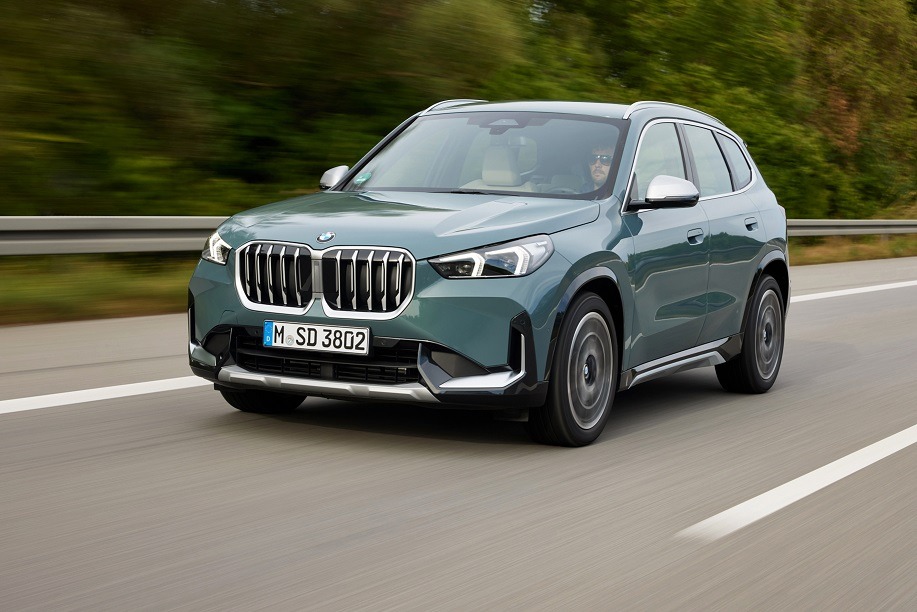
The BMW X1 sits comfortably in the premium compact SUV segment, blending practicality with the sporty DNA that defines BMW. But beyond performance and luxury, there’s a question every potential owner eventually asks: How fuel-efficient is the BMW X1?
Fuel consumption plays a huge role in ownership costs. Whether you're commuting through busy city streets, cruising along motorways, or planning long road trips, knowing what to expect from the X1’s fuel economy can help you make smarter decisions.
In this detailed guide, we’ll explore BMW X1 fuel consumption across generations, engines, and driving conditions, while also uncovering real-world MPG figures, efficiency tips, and the factors that influence how thirsty—or frugal—this compact luxury SUV can be.
Content in this publication
- Understanding BMW X1 Fuel Consumption
- BMW X1 Generations and Their Fuel Efficiency
- Second Generation BMW X1 (F48: 2015–2022)
- Third Generation BMW X1 (U11: 2022–Present)
- BMW X1 Plug-In Hybrid Fuel Consumption
- Real-World BMW X1 Fuel Consumption
- Factors That Affect BMW X1 Fuel Consumption
- BMW EfficientDynamics Technology
- Eco Pro Mode Explained
- Manual vs Automatic Fuel Economy
- Petrol vs Diesel Fuel Consumption
- BMW X1 Fuel Tank Capacity
- Tips to Improve BMW X1 Fuel Economy
- BMW X1 vs Competitors Fuel Consumption
- Future Fuel Efficiency: Electrification
- Conclusion
- FAQs
Understanding BMW X1 Fuel Consumption
Before diving into numbers, it's important to understand what fuel consumption actually means.
Manufacturers typically measure efficiency using:
- MPG (Miles Per Gallon) – Common in the UK and US
- L/100 km (Liters per 100 km) – Standard in Europe
- WLTP ratings – Modern standardized efficiency tests
These official figures provide a benchmark, but real-world consumption can vary depending on driving habits, traffic, terrain, and vehicle load.
Think of official fuel consumption like a nutrition label on food—it’s accurate under controlled conditions, but real-life usage often tells a slightly different story.
BMW X1 Generations and Their Fuel Efficiency
The BMW X1 has evolved significantly since its debut. Each generation improved efficiency through better engines, lighter construction, and smarter technology.
First Generation BMW X1 (E84: 2009–2015)
The original X1 borrowed heavily from BMW’s rear-wheel-drive architecture.
Typical Fuel Consumption
| Engine | Fuel Type | MPG (Combined) |
|---|---|---|
| sDrive18i | Petrol | ~38 MPG |
| xDrive20i | Petrol | ~36 MPG |
| sDrive18d | Diesel | ~55 MPG |
| xDrive20d | Diesel | ~52 MPG |
Diesel models were the clear winners in efficiency, often delivering 50+ MPG in real driving.
Why Diesel Was So Efficient
- Higher compression ratios
- Lower fuel burn at steady speeds
- Strong torque for relaxed driving
In many ways, diesel X1 models behaved like long-distance marathon runners, covering hundreds of miles without frequent refueling.
Second Generation BMW X1 (F48: 2015–2022)
The F48 X1 introduced a major shift: front-wheel-drive architecture based on BMW’s UKL platform.
This change reduced weight and improved efficiency.
Petrol Engine Fuel Consumption
| Engine | Combined MPG |
|---|---|
| sDrive18i | ~44 MPG |
| sDrive20i | ~42 MPG |
| xDrive25i | ~39 MPG |
Petrol engines became significantly more efficient thanks to:
- Turbocharged small-displacement engines
- Improved transmissions
- Reduced drivetrain losses
Diesel Engine Fuel Consumption
| Engine | Combined MPG |
|---|---|
| sDrive18d | ~60 MPG |
| sDrive20d | ~58 MPG |
| xDrive25d | ~54 MPG |
Diesel engines remained incredibly efficient, particularly on long motorway drives.
Real-World Diesel MPG
Drivers often report:
- 65 MPG on highway journeys
- 55 MPG in mixed driving
That’s impressive for a premium SUV.
Third Generation BMW X1 (U11: 2022–Present)
The latest X1 represents a big leap forward in efficiency and electrification.
BMW introduced:
- Mild hybrid technology
- Plug-in hybrid variants
- Fully electric alternatives (iX1)
Petrol Mild Hybrid Fuel Consumption
| Model | Combined MPG |
|---|---|
| sDrive18i | ~46 MPG |
| xDrive23i | ~44 MPG |
These engines feature 48-volt mild hybrid systems, which assist acceleration and reduce fuel consumption.
Diesel Mild Hybrid Efficiency
| Model | Combined MPG |
|---|---|
| sDrive18d | ~60 MPG |
| xDrive23d | ~57 MPG |
The mild hybrid system helps during acceleration and stop-start driving, improving urban efficiency.
BMW X1 Plug-In Hybrid Fuel Consumption
The BMW X1 xDrive25e and xDrive30e plug-in hybrids dramatically change the fuel consumption equation.
Electric Range
- Around 50–55 miles (WLTP) electric range.
Fuel Economy
When combining electric and petrol power:
- Up to 250 MPG (official WLTP)
However, this depends heavily on charging habits.
Real-World Hybrid Consumption
Typical results:
- Short commutes: almost zero fuel usage
- Mixed driving: 70–120 MPG
- Long motorway trips: 40–45 MPG
If you charge regularly, the hybrid behaves like two cars in one—an electric commuter during the week and a petrol SUV for road trips.
You may be interested in reading Volkswagen Tiguan MPG: Real-World Fuel Economy, Efficiency Tips, and What to Expect
Real-World BMW X1 Fuel Consumption
Official numbers are helpful, but what do drivers actually experience?
Typical Owner MPG
Petrol models:
- City: 28–35 MPG
- Mixed driving: 35–42 MPG
- Motorway: 40–45 MPG
Diesel models:
- City: 45–50 MPG
- Mixed: 50–60 MPG
- Motorway: 60–70 MPG
Plug-in hybrids vary widely depending on charging.
Factors That Affect BMW X1 Fuel Consumption
Fuel economy isn’t fixed. Many variables influence it.
Driving Style
Aggressive driving increases fuel consumption dramatically.
Heavy acceleration, braking, and high speeds all burn more fuel.
Smooth driving can improve MPG by 15–25%.
Vehicle Weight
Extra cargo increases fuel use.
Examples:
- Roof boxes
- Heavy luggage
- Towing loads
Even an extra 100 kg can noticeably affect efficiency.
Terrain and Road Type
Driving uphill or in mountainous areas increases consumption.
City driving with frequent stops also reduces MPG.
Weather Conditions
Cold weather impacts efficiency due to:
- Longer engine warm-up times
- Increased air resistance
- Heater usage
BMW EfficientDynamics Technology
BMW introduced EfficientDynamics to improve efficiency across its lineup.
Key features include:
- Auto start-stop
- Brake energy regeneration
- Eco Pro driving mode
- Aerodynamic improvements
- Smart alternator control
These systems work quietly behind the scenes, helping reduce fuel usage without sacrificing performance.
Eco Pro Mode Explained
Eco Pro mode transforms the driving experience slightly.
What It Does
- Softens throttle response
- Adjusts gear shifts
- Limits energy usage
- Suggests efficient driving tips
Drivers can gain up to 20% better efficiency in Eco Pro mode.
Think of it as a fuel-saving coach riding shotgun.
Manual vs Automatic Fuel Economy
Most modern BMW X1 models use automatic transmissions.
However, manual versions exist in older models.
Fuel Economy Comparison
Manual:
- Slightly better in controlled tests
- More driver control
Automatic:
- More efficient in real-world traffic
- Smarter gear selection
Modern automatics often match or beat manual efficiency.
Petrol vs Diesel Fuel Consumption
Choosing between petrol and diesel depends on how you drive.
You may be interested in readingVolkswagen Tiguan MPG: Real-World Fuel Economy, Efficiency Tips, and What to ExpectYou may be interested in reading
Volkswagen Tiguan Fuel Consumption: Real-World MPG, Efficiency Tips, and What Owners Should ExpectPetrol X1 Advantages
- Quieter engine
- Lower purchase price
- Better for short trips
Diesel X1 Advantages
- Higher MPG
- Better motorway economy
- Strong torque for towing
Drivers covering long distances benefit most from diesel efficiency.
BMW X1 Fuel Tank Capacity
Fuel tank size also affects range.
| Generation | Tank Capacity |
|---|---|
| E84 | ~63 litres |
| F48 | ~51 litres |
| U11 | ~54 litres |
Estimated Driving Range
Diesel models:
- 600–800 miles per tank
Petrol models:
- 450–600 miles
Hybrid models may travel weeks between refuels if charged regularly.
Tips to Improve BMW X1 Fuel Economy
If you want to stretch every drop of fuel, consider these tips.
1. Maintain Proper Tire Pressure
Under-inflated tires increase rolling resistance.
2. Drive Smoothly
Avoid sudden acceleration and braking.
3. Use Cruise Control
Maintains consistent speed on highways.
4. Reduce Excess Weight
Remove unnecessary cargo.
5. Service the Vehicle Regularly
Clean air filters and fresh oil improve efficiency.
Small improvements add up—sometimes saving hundreds of dollars per year.
BMW X1 vs Competitors Fuel Consumption
How does the X1 compare to rivals?
| Model | Combined MPG |
|---|---|
| BMW X1 | 40–60 MPG |
| Audi Q3 | 35–50 MPG |
| Mercedes GLA | 38–52 MPG |
| Volvo XC40 | 35–48 MPG |
The X1 often ranks among the most efficient premium compact SUVs, particularly with diesel engines.
Future Fuel Efficiency: Electrification
BMW continues pushing efficiency further.
The latest developments include:
- Mild hybrid technology
- Plug-in hybrids
- Fully electric models
The electric BMW iX1 eliminates fuel consumption entirely.
This shift suggests the future of the X1 lineup may be more electric than petrol.
Conclusion
The BMW X1 fuel consumption story is one of steady improvement. Over three generations, the compact SUV has evolved from a relatively traditional petrol-diesel crossover into a technologically advanced and highly efficient vehicle.
Diesel versions deliver exceptional mileage, petrol engines balance efficiency with refinement, and plug-in hybrids introduce an entirely new level of fuel savings for drivers who charge regularly.
Ultimately, the X1 proves that efficiency and driving enjoyment don’t have to live on opposite sides of the road. With the right engine choice and smart driving habits, this compact BMW can deliver impressive MPG without sacrificing the dynamic feel the brand is known for.
FAQs
1. What is the average fuel consumption of a BMW X1?
Most BMW X1 models average between 40 and 60 MPG, depending on the engine and driving conditions.
2. Which BMW X1 engine is most fuel efficient?
Diesel engines like the sDrive18d typically deliver the best fuel economy, often exceeding 60 MPG on highways.
3. Is the BMW X1 fuel efficient for an SUV?
Yes. The BMW X1 is considered one of the most fuel-efficient premium compact SUVs, especially in diesel and hybrid versions.
4. Does Eco Pro mode really save fuel?
Yes. Eco Pro mode can improve efficiency by up to 20% by adjusting throttle response and transmission behavior.
5. How far can a BMW X1 travel on a full tank?
Depending on the engine, a BMW X1 can travel 450 to 800 miles per tank.
You may be interested in readingVolkswagen Tiguan MPG: Real-World Fuel Economy, Efficiency Tips, and What to ExpectYou may be interested in reading
Volkswagen Tiguan Fuel Consumption: Real-World MPG, Efficiency Tips, and What Owners Should ExpectYou may be interested in reading
 Audi Q3 Miles Per Gallon: Real MPG, Efficiency Secrets & Ownership Insights
If you want to know other articles similar to BMW X1 Fuel Consumption: Real MPG, Efficiency Tips, and Engine Guide you can visit the category Driving.
Volvo XC60 Wading Depth: How Deep Can It Really Go?

Volkswagen Tiguan Driving Modes: The Complete Guide to Smarter, Smoother, and More Dynamic Driving
Volvo XC60 Fuel Consumption: Real MPG, Efficiency & Tips
Volvo XC60 MPG: Real-World Fuel Economy, Costs & What to Expect
Audi Q5 MPG: Real-World Fuel Economy, Tips, and Performance Insights
Can BMW X3 Go Off Road? The Real Truth About Its Capabilities
Leave a Reply
More content of your interest