
BMW X1 Generations: The Complete Evolution Guide

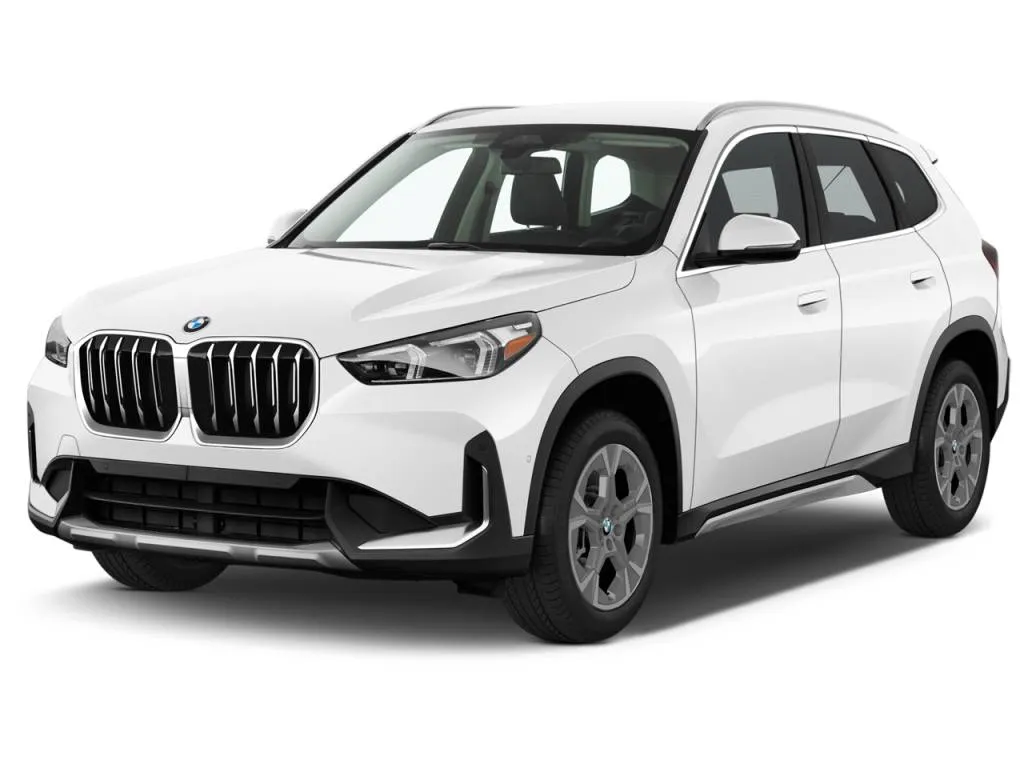
When we talk about compact luxury SUVs that quietly dominate the roads, the BMW X1 is always part of the conversation. It’s one of those cars that doesn’t scream for attention—but once you understand its evolution, you realize it’s been playing chess while others play checkers.
So, let’s dive deep. Not just specs. Not just timelines. But the story of how the BMW X1 transformed from a niche entry-level SUV into a polished, tech-forward powerhouse.
Content in this publication
- Why the BMW X1 Generations Matter More Than You Think
- BMW X1 Generations Overview at a Glance
- First Generation (E84): The Bold Experiment (2009–2015)
- Design Philosophy of the E84
- Second Generation (F48): The Big Shift (2015–2022)
- Interior Transformation in the F48
- Facelift Updates (2019 Refresh)
- Third Generation (U11): The Tech Revolution (2022–Present)
- Interior: A Digital Lounge on Wheels
- Electric and Hybrid Push
- Driving Experience: Comfort Meets Control
- Technology Features That Define the U11
- Comparing BMW X1 Generations Side by Side
- Which BMW X1 Generation Is Best for You?
- Common Themes Across All Generations
- Reliability Across Generations
- Cost of Ownership Differences
- How the BMW X1 Competes Today
- Future of the BMW X1
- Final Thoughts: A Journey Worth Understanding
- FAQs About BMW X1 Generations
- Conclusion: Evolution Done Right
Why the BMW X1 Generations Matter More Than You Think
At first glance, the X1 might seem like “just another small SUV.” But here’s the thing—we’re looking at a car that reflects BMW’s entire strategic shift over the years.
Each generation tells us something:
- A shift in engineering philosophy
- A response to changing driver expectations
- A glimpse into BMW’s future direction
And honestly? That makes it way more interesting than most people give it credit for.
BMW X1 Generations Overview at a Glance
Before we go deep, let’s zoom out.
All BMW X1 Generations
- First Generation (E84): 2009–2015
- Second Generation (F48): 2015–2022
- Third Generation (U11): 2022–Present
Three generations. Three completely different personalities.
First Generation (E84): The Bold Experiment (2009–2015)
What Made the E84 Unique
Let’s be real—this wasn’t your typical SUV.
BMW did something unusual here. Instead of following the crowd, they built the X1 on a rear-wheel-drive platform. Yes, a compact SUV with RWD DNA.
That alone made it stand out.
Key Characteristics
- Rear-wheel drive (with optional xDrive AWD)
- Sporty, low-slung stance
- Sedan-like driving dynamics
- Limited interior space compared to rivals
Driving Feel: More Car Than SUV
If you drove the E84, you probably noticed something instantly—it didn’t feel like an SUV.
It felt like a lifted hatchback with attitude.
And for enthusiasts? That was gold.
Engine Options
- Turbocharged petrol engines
- Diesel variants (especially popular in Europe)
- Performance-focused trims like xDrive28i
Where It Fell Short
Let’s not romanticize it too much.
- Rear seats were tight
- Boot space wasn’t class-leading
- Ride could feel firm
But honestly? That was the trade-off for driving fun.
Design Philosophy of the E84
Aggressive Yet Understated
BMW didn’t go full SUV here. The design leaned toward:
- Long hood proportions
- Compact rear
- Slightly rugged touches
It looked like a 3 Series that hit the gym.
Second Generation (F48): The Big Shift (2015–2022)
This is where things got interesting—and controversial.
The Platform Change That Shocked Enthusiasts
BMW moved the X1 from rear-wheel drive to a front-wheel-drive-based platform.
Yes, you read that right.
You may be interested in reading Jaguar F-Pace Models: The Ultimate Guide to Every Trim and Variant
Why BMW Made This Move
We can break it down:
- More interior space
- Better fuel efficiency
- Lower production costs
- Broader market appeal
Basically, BMW traded purist driving dynamics for practicality.
What Improved Instantly
- Cabin space increased dramatically
- Rear legroom became competitive
- Boot capacity improved
- Ride comfort got softer
Driving Experience: Different, Not Worse
Was it less “BMW-like”? Maybe.
But was it better for most people? Absolutely.
It became:
- Easier to drive daily
- More comfortable on long trips
- More family-friendly
Interior Transformation in the F48
A Cabin That Finally Made Sense
The first generation felt cramped. The second generation fixed that.
- Higher seating position
- Better visibility
- More storage options
- Improved infotainment system
It finally felt like a true SUV.
Facelift Updates (2019 Refresh)
BMW gave the F48 a mid-cycle refresh, and it mattered more than you might expect.
Key Changes
- Larger kidney grille
- Updated LED headlights
- Improved iDrive system
- New digital displays
It looked sharper. More modern. More premium.
Third Generation (U11): The Tech Revolution (2022–Present)
Now we’re in the future.
And the U11 doesn’t just evolve—it transforms.
First Impressions: Bigger, Bolder, Smarter
This generation feels like a leap rather than a step.
- Larger dimensions
- Stronger road presence
- Cleaner, more futuristic design
It finally looks like it belongs in the premium SUV big leagues.
Interior: A Digital Lounge on Wheels
Step inside, and everything changes.
Highlights
- Curved display with dual screens
- Minimalist dashboard
- Floating center console
- Premium materials everywhere
It feels less like a car and more like a tech hub.
Electric and Hybrid Push
This is where BMW shows its hand.
Powertrain Options
- Petrol and diesel engines
- Plug-in hybrid variants
- Fully electric version: iX1
The introduction of the BMW iX1 marks a huge shift.
We’re not just talking evolution anymore—we’re talking electrification.
Driving Experience: Comfort Meets Control
The U11 focuses on balance.
- Smoother ride quality
- Better noise insulation
- Refined steering
It’s less about raw sportiness and more about everyday excellence.
You may be interested in readingJaguar F-Pace Models: The Ultimate Guide to Every Trim and VariantYou may be interested in reading
 Land Rover Discovery Sport vs Skoda Kodiaq: The Ultimate SUV Showdown
Technology Features That Define the U11
Let’s be honest—this generation is all about tech.
Key Innovations
- BMW Operating System 8
- Voice assistant integration
- Advanced driver assistance systems
- Over-the-air updates
It’s basically a smartphone on wheels—but way more fun.
Comparing BMW X1 Generations Side by Side
What Changed Over Time
| Feature | E84 | F48 | U11 |
|---|---|---|---|
| Platform | RWD | FWD-based | FWD-based |
| Interior Space | Tight | Spacious | Very spacious |
| Technology | Basic | Moderate | Advanced |
| Driving Feel | Sporty | Balanced | Refined |
| Electrification | None | Limited | Strong |
Which BMW X1 Generation Is Best for You?
This depends on what you value.
Choose E84 If You Want:
- Pure driving feel
- Rear-wheel-drive dynamics
- A more “classic BMW” experience
Choose F48 If You Want:
- Practicality
- Comfort
- Good value on the used market
Choose U11 If You Want:
- Cutting-edge tech
- Modern design
- Hybrid or electric options
Common Themes Across All Generations
Even with all the changes, some things stayed consistent.
What BMW Never Changed
- Premium feel
- Strong brand identity
- Balanced performance
- Attention to detail
No matter the generation, it still feels like a BMW.
Reliability Across Generations
Let’s address the elephant in the room.
General Reliability Trends
- E84: Solid engines, but aging components now
- F48: More reliable overall, fewer major issues
- U11: Too new for long-term data, but promising
What We Recommend
- Always check service history
- Watch for electronic issues in newer models
- Stick to well-maintained examples
Cost of Ownership Differences
What You Should Expect
- E84: Lower purchase price, higher maintenance risk
- F48: Balanced cost and reliability
- U11: Higher upfront cost, lower running costs (especially electric)
How the BMW X1 Competes Today
The X1 now goes head-to-head with:
- Audi Q3
- Mercedes-Benz GLA
- Volvo XC40
And honestly? The latest generation holds its ground extremely well.
Future of the BMW X1
If we read between the lines, we can see where things are going.
What’s Coming Next
- More electrification
- Fully digital interiors
- Autonomous driving features
The X1 isn’t just evolving—it’s preparing for a completely different automotive world.
Final Thoughts: A Journey Worth Understanding
When we step back and look at the BMW X1 generations, we see more than just cars.
We see:
- A shift from driving purity to everyday usability
- A transition from mechanical focus to digital innovation
- A brand adapting to a rapidly changing world
And maybe that’s the real story here.
The X1 didn’t lose its identity—it redefined it.
FAQs About BMW X1 Generations
1. Which BMW X1 generation is the most reliable?
The F48 (2015–2022) is generally considered the most reliable due to improved engineering and fewer major issues.
2. Is the BMW X1 rear-wheel drive?
Only the first generation (E84) offered rear-wheel drive. Later models use front-wheel-drive-based platforms.
3. What is the newest BMW X1 generation?
The latest is the U11 generation, introduced in 2022.
4. Does the BMW X1 have an electric version?
Yes, the BMW iX1 is the fully electric version of the latest generation.
5. Which BMW X1 is best for driving enthusiasts?
The E84 is the best choice due to its rear-wheel-drive setup and sportier handling.
Conclusion: Evolution Done Right
If we had to sum it up in one sentence?
You may be interested in readingJaguar F-Pace Models: The Ultimate Guide to Every Trim and VariantYou may be interested in reading
Land Rover Discovery Sport vs Skoda Kodiaq: The Ultimate SUV ShowdownYou may be interested in reading
 Volvo XC60 vs XC90: Which Swedish SUV Truly Fits Your Life?
The BMW X1 evolved from a niche driver-focused crossover into a refined, tech-rich, future-ready SUV—and it did so without losing its soul.
That’s not easy. But BMW pulled it off.
If you want to know other articles similar to BMW X1 Generations: The Complete Evolution Guide you can visit the category Models.
Volvo XC60 vs Volvo V60: Which One Truly Fits Your Lifestyle?
Volvo XC60 vs Skoda Kodiaq: The Ultimate SUV Showdown
Volvo XC60 vs Mercedes GLC: The Ultimate Luxury SUV Showdown
Volvo XC60 vs XC40: Which SUV Truly Fits Your Lifestyle?
Volvo XC60 vs XC90: Which Swedish SUV Truly Fits Your Life?
Land Rover Discovery Sport vs Skoda Kodiaq: The Ultimate SUV Showdown
Leave a Reply
More content of your interest