

BMW X1 Insurance Group: Complete UK Guide to Costs, Ratings, and Saving Money

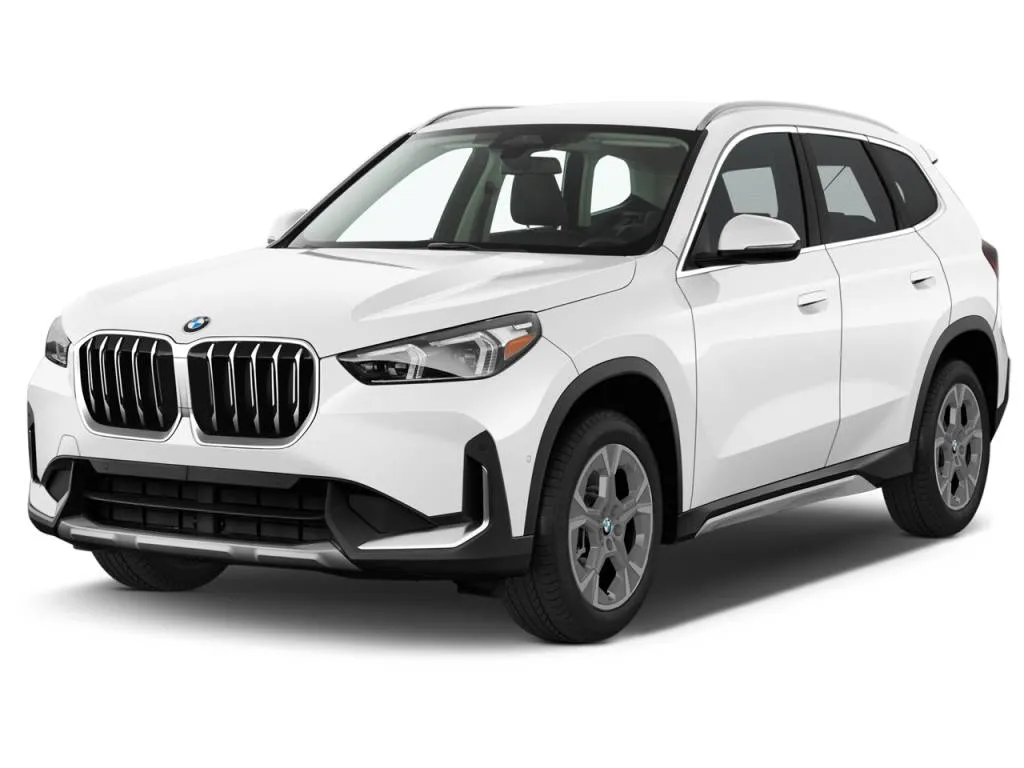
Buying a premium compact SUV like the BMW X1 often raises an important question: How expensive is it to insure? Insurance costs can make or break the ownership experience, especially in the UK where insurance groups heavily influence premiums.
The BMW X1 insurance group varies depending on the model year, engine, trim level, and technology package. Some variants sit in moderately affordable insurance brackets, while high-performance trims push toward the upper end of the scale.
In this guide, we’ll break down everything you need to know—from insurance group numbers and what they mean, to how different X1 engines affect premiums, and how you can lower your insurance costs.
Think of this as your roadmap to understanding the real insurance story behind the BMW X1.
Content in this publication
- Understanding Car Insurance Groups in the UK
- Why Insurance Groups Matter for BMW X1 Buyers
- BMW X1 Insurance Group Overview by Generation
- BMW X1 Insurance Groups by Engine Type
- How BMW X1 Trim Levels Affect Insurance
- BMW X1 vs Rival SUVs: Insurance Comparison
- What Makes the BMW X1 Expensive to Insure?
- Driver Factors That Affect Insurance Premiums
- Tips to Reduce BMW X1 Insurance Costs
- Average BMW X1 Insurance Cost in the UK
- Is the BMW X1 Cheap or Expensive to Insure?
- Who Should Consider the BMW X1 from an Insurance Perspective?
- Future BMW X1 Insurance Trends
- Conclusion: BMW X1 Insurance Group Explained
- FAQs
Understanding Car Insurance Groups in the UK
Before diving into the BMW X1 specifically, it helps to understand the insurance group system used in the UK.
How the Insurance Group System Works
Vehicles are classified into insurance groups from 1 to 50:
- Group 1–10: Cheapest cars to insure
- Group 11–20: Affordable mainstream vehicles
- Group 21–30: Moderate insurance cost
- Group 31–40: Higher premiums
- Group 41–50: Most expensive to insure
Luxury vehicles and performance models tend to sit in the upper groups because they cost more to repair and replace.
The BMW X1 typically falls between groups 20 and 40, depending on engine and trim.
Why Insurance Groups Matter for BMW X1 Buyers
Insurance groups act like a financial forecast for car ownership.
If a car sits in group 35 instead of group 25, your yearly insurance cost could be hundreds of pounds higher.
Factors That Influence Insurance Costs
Insurers evaluate several things:
- Vehicle value
- Repair costs
- Performance and acceleration
- Security systems
- Safety technology
- Theft risk
- Parts availability
Because the BMW X1 blends luxury and performance, it naturally sits above typical economy SUVs.
BMW X1 Insurance Group Overview by Generation
The BMW X1 has evolved through several generations, and insurance groups have shifted accordingly.
First Generation BMW X1 (E84: 2009–2015)
The original X1 introduced BMW’s compact SUV formula.
Typical insurance groups:
- sDrive18d: Group 20–24
- xDrive20d: Group 25–28
- xDrive28i: Group 30–34
These models are often cheaper to insure today due to lower market values.
Second Generation BMW X1 (F48: 2015–2022)
This generation switched to a front-wheel-drive platform, improving practicality and efficiency.
Typical insurance groups include:
- sDrive18i: Group 21–23
- sDrive18d: Group 22–25
- xDrive20d: Group 27–30
- xDrive25i: Group 32–36
Despite improved safety features, stronger engines push certain trims higher.
Third Generation BMW X1 (U11: 2022–Present)
The newest generation introduces electrification and more technology.
Insurance groups can reach higher levels due to the increased price and advanced systems.
Typical groups:
- sDrive18i: Group 23–25
- sDrive18d: Group 24–27
- xDrive23i: Group 30–34
- xDrive30e Plug-in Hybrid: Group 35–40
Plug-in hybrid systems increase repair complexity, which insurers factor into premiums.
BMW X1 Insurance Groups by Engine Type
Engine choice significantly influences insurance classification.
Petrol Models
Petrol X1 models often carry slightly higher premiums due to performance.
Common examples:
You may be interested in reading Dacia Duster Years to Avoid: Common Problems and the Best Alternatives
- 1.5L 3-cylinder turbo
- 2.0L turbocharged petrol
- Performance xDrive models
Insurance groups: 23–36
Diesel Models
Diesel engines remain popular for long-distance drivers.
They often fall into mid-range insurance groups.
Typical insurance groups:
- 18d diesel: Group 22–25
- 20d diesel: Group 25–30
- 25d diesel: Group 30–34
Plug-in Hybrid Models
Hybrid models introduce new components like batteries and electric motors.
These systems increase repair costs.
Example:
- xDrive25e: Group 32–38
- xDrive30e: Group 35–40
How BMW X1 Trim Levels Affect Insurance
Trim levels matter just as much as engines.
Common X1 Trim Levels
Typical trims include:
- SE
- Sport
- xLine
- M Sport
Higher trims include:
- Larger alloy wheels
- Advanced infotainment
- Sport suspension
- Performance styling
These upgrades increase replacement costs, raising insurance groups.
BMW X1 vs Rival SUVs: Insurance Comparison
How does the X1 compare to competitors?
| Vehicle | Typical Insurance Groups |
|---|---|
| BMW X1 | 20–40 |
| Audi Q3 | 21–39 |
| Mercedes-Benz GLA | 20–38 |
| Volvo XC40 | 22–40 |
As you can see, the BMW X1 sits right in the middle of the premium SUV segment.
What Makes the BMW X1 Expensive to Insure?
Several factors contribute to insurance costs.
1. Repair Costs
BMW parts and labor costs are higher than average.
2. Advanced Technology
Features such as:
- Radar sensors
- Adaptive cruise control
- Driver assistance cameras
These increase repair complexity.
3. Theft Risk
Premium cars can attract thieves.
However, modern BMW security systems help mitigate risk.
The car itself is only half the equation.
Insurance providers also look at driver characteristics.
Personal Factors
Insurers consider:
- Age
- Driving history
- Location
- Annual mileage
- Parking situation
A 20-year-old driver will pay far more than a 40-year-old with a clean record.
Tips to Reduce BMW X1 Insurance Costs
If the insurance group looks intimidating, don’t worry. There are ways to lower your premium.
1. Choose a Lower-Power Engine
The sDrive18i or sDrive18d models usually have the lowest insurance groups.
2. Increase Voluntary Excess
Raising your excess can significantly reduce monthly costs.
You may be interested in readingDacia Duster Years to Avoid: Common Problems and the Best AlternativesYou may be interested in reading
 BMW X1 Life Expectancy: How Long Does a BMW X1 Really Last?
3. Add Security Enhancements
Examples include:
- Steering wheel locks
- GPS tracking systems
- Secure parking
4. Limit Annual Mileage
Driving fewer miles means lower risk.
Insurers reward that.
5. Compare Insurance Quotes
Never accept the first offer.
Comparing multiple insurers can save hundreds of pounds.
Average BMW X1 Insurance Cost in the UK
Insurance premiums vary widely depending on driver profile.
Typical estimates:
- Experienced driver: £600–£900 per year
- Young driver: £1,500–£3,000+
- Hybrid models: Often slightly higher
Remember, insurance groups are only one piece of the puzzle.
Is the BMW X1 Cheap or Expensive to Insure?
Compared to economy SUVs, the X1 costs more.
But compared to luxury SUVs, it’s fairly reasonable.
The BMW X1 sits in a sweet spot:
- Premium badge
- Moderate insurance groups
- Competitive costs for its class
Who Should Consider the BMW X1 from an Insurance Perspective?
The X1 is ideal for:
- Drivers seeking a premium SUV without extreme insurance costs
- Families wanting practicality with style
- Company car drivers
If you’re upgrading from a mainstream crossover, the insurance jump is noticeable—but manageable.
Future BMW X1 Insurance Trends
As vehicles become more advanced, insurance dynamics will change.
Expect:
- Higher repair costs due to sensors
- Potentially lower accident rates due to safety tech
- Increased hybrid and electric insurance groups
The X1 will likely remain moderately priced within the premium segment.
Conclusion: BMW X1 Insurance Group Explained
Understanding the BMW X1 insurance group helps set realistic expectations before buying.
Across its generations, the X1 usually sits between insurance groups 20 and 40, depending on engine, trim, and technology.
That places it firmly within the typical range for premium compact SUVs.
The good news? By choosing the right engine and comparing quotes carefully, you can keep insurance costs manageable while enjoying everything the BMW X1 offers.
After all, owning a premium SUV should feel exciting—not financially overwhelming.
FAQs
1. What insurance group is a BMW X1 in the UK?
Most BMW X1 models fall between insurance groups 20 and 40, depending on engine size, trim, and model year.
2. Is the BMW X1 expensive to insure?
Compared with economy SUVs it is slightly higher, but within the premium SUV segment the X1 is reasonably priced.
3. Which BMW X1 is cheapest to insure?
The sDrive18i and sDrive18d models usually sit in the lowest insurance groups.
4. Do hybrid BMW X1 models cost more to insure?
Yes. Plug-in hybrid models often fall into higher insurance groups due to complex battery and electric systems.
5. Does trim level affect BMW X1 insurance?
Yes. Higher trims like M Sport can increase insurance costs due to larger wheels and higher replacement values.
You may be interested in readingDacia Duster Years to Avoid: Common Problems and the Best AlternativesYou may be interested in reading
BMW X1 Life Expectancy: How Long Does a BMW X1 Really Last?You may be interested in reading
 Are BMW X1 Expensive to Maintain? A Real Owner’s Cost Breakdown
If you want to know other articles similar to BMW X1 Insurance Group: Complete UK Guide to Costs, Ratings, and Saving Money you can visit the category Blog.
Ford Mondeo Insurance Group: The Ultimate Cost & Risk Guide
Ford Mondeo Reliability: The Real Truth Behind This Iconic Sedan
Volvo XC60 Quality: A Deep Dive Into Premium Craftsmanship and Everyday Excellence
Volvo XC60 Reliability by Year: The Complete Owner’s Guide
Which Ford Kuga Engine Is Best? The Ultimate Buyer’s Guide
Pros and Cons Mazda CX-30: The Real-World Ownership Breakdown
Leave a Reply
More content of your interest