

BMW X1 Tire Pressure: The Complete Guide for Optimal Performance and Safety

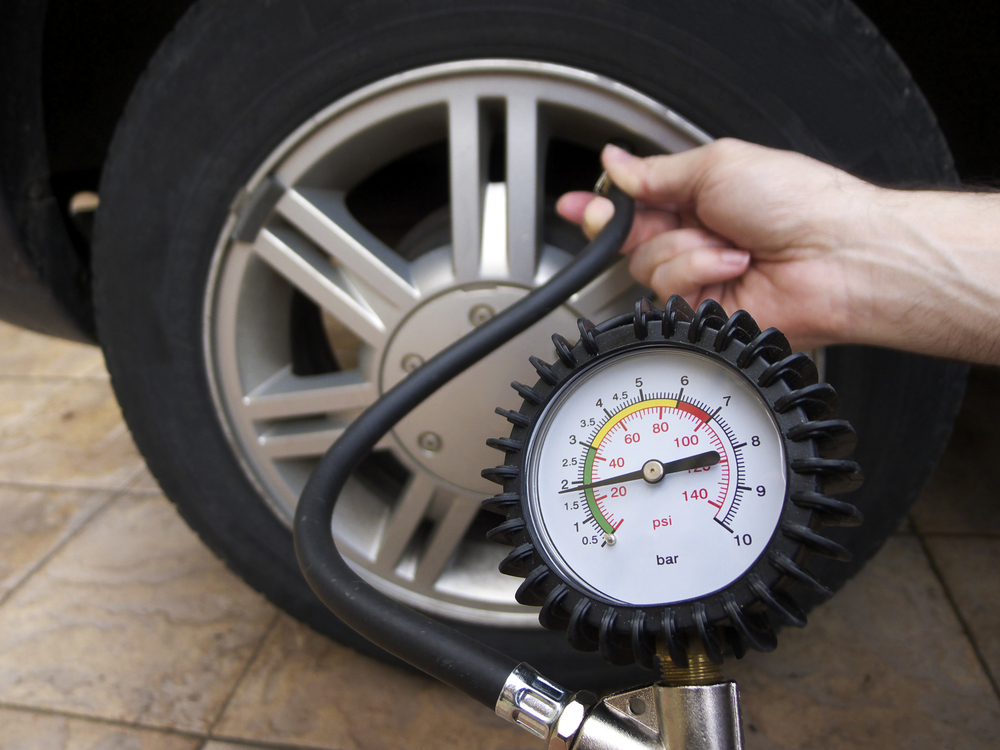
When we talk about maintaining a car properly, tire pressure often slips under the radar. Yet it’s one of the simplest and most powerful things we can control. Whether you're cruising through city streets or stretching your BMW’s legs on the highway, the correct tire pressure for the BMW X1 plays a huge role in safety, efficiency, and performance.
Think of your tires as the shoes your vehicle wears every day. Too tight, and they hurt. Too loose, and they become unstable. The same principle applies to your BMW’s tires. Maintaining the right pressure ensures smoother driving, better grip, and longer tire life.
In this guide, we’ll explore everything you need to know about BMW X1 tire pressure—from recommended PSI levels and seasonal adjustments to troubleshooting warning lights and maximizing tire lifespan.
Content in this publication
- Why Tire Pressure Matters in the BMW X1
- Recommended BMW X1 Tire Pressure
- Where to Find the Official Tire Pressure for Your BMW X1
- Understanding Tire Pressure Units: PSI vs Bar
- BMW X1 Tire Pressure by Tire Size
- How to Check BMW X1 Tire Pressure
- The BMW X1 Tire Pressure Monitoring System (TPMS)
- What the BMW Tire Pressure Warning Light Means
- How to Reset the BMW X1 Tire Pressure System
- Seasonal Tire Pressure Changes
- Underinflated vs Overinflated Tires
- How Load Affects BMW X1 Tire Pressure
- Run-Flat Tires and Tire Pressure
- How Incorrect Tire Pressure Affects Fuel Economy
- Tire Wear Patterns and Pressure Problems
- Best Tools for Checking Tire Pressure
- How Often Should BMW X1 Tire Pressure Be Checked?
- Expert Tips to Maintain BMW X1 Tire Pressure
- Final Thoughts: Why Tire Pressure Is Critical for BMW X1 Owners
- FAQs About BMW X1 Tire Pressure
Why Tire Pressure Matters in the BMW X1
Let’s start with the basics. Why should we care so much about tire pressure?
Because tires are the only contact point between your BMW X1 and the road.
When tire pressure is correct, your SUV performs exactly as engineers intended. But when it's wrong, things quickly go sideways—literally and figuratively.
Benefits of Proper Tire Pressure
Maintaining proper tire pressure provides several advantages:
- Improved fuel efficiency
- Better handling and steering response
- Reduced tire wear
- Increased safety and braking performance
- Longer tire lifespan
It’s like tuning a musical instrument. When everything is in harmony, the drive feels effortless.
Recommended BMW X1 Tire Pressure
The recommended pressure varies depending on model year, tire size, and load conditions.
Most BMW X1 models fall within a fairly similar range.
Typical BMW X1 Tire Pressure (PSI)
For many models, the general guideline is:
| Driving Condition | Front Tires | Rear Tires |
|---|---|---|
| Normal driving | 32–35 PSI | 32–35 PSI |
| Fully loaded | 36–39 PSI | 38–42 PSI |
However, the exact specification should always come from:
- The driver’s door jamb sticker
- The owner’s manual
- The BMW iDrive tire pressure menu
Where to Find the Official Tire Pressure for Your BMW X1
BMW doesn’t expect us to memorize numbers.
Instead, the recommended PSI is printed directly inside the vehicle.
Locations to Check
- Driver-side door frame sticker
- Owner’s manual
- Fuel filler door (some models)
- BMW iDrive display system
The door sticker is the most reliable reference because it accounts for the factory-installed tire size.
Understanding Tire Pressure Units: PSI vs Bar
BMW vehicles sometimes display pressure in BAR rather than PSI.
Here’s a quick conversion:
| Unit | Value |
|---|---|
| 1 BAR | 14.5 PSI |
For example:
- 2.2 BAR ≈ 32 PSI
- 2.4 BAR ≈ 35 PSI
This matters when using air pumps in Europe or international service stations.
BMW X1 Tire Pressure by Tire Size
Different tire sizes require slightly different pressures.
17-Inch Wheels
Common sizes:
- 225/55 R17
Typical pressure:
- Front: 32–34 PSI
- Rear: 32–34 PSI
18-Inch Wheels
Common sizes:
- 225/50 R18
- 225/45 R18
Typical pressure:
- Front: 33–35 PSI
- Rear: 33–36 PSI
19-Inch Wheels
Sport packages often include:
- 225/45 R19
- 245/40 R19
Typical pressure:
You may be interested in reading BMW X1 Towing Capacity: Complete Guide for Every Generation
- Front: 34–36 PSI
- Rear: 35–38 PSI
Larger wheels usually require slightly higher pressure because of lower-profile tires.
How to Check BMW X1 Tire Pressure
Checking tire pressure is simple and takes only a few minutes.
Step-by-Step Process
- Park the vehicle and let tires cool.
- Remove the valve cap.
- Attach a tire pressure gauge.
- Read the PSI measurement.
- Add or release air if needed.
- Replace the valve cap.
We recommend checking tire pressure once per month.
The BMW X1 Tire Pressure Monitoring System (TPMS)
Modern BMW X1 models include a Tire Pressure Monitoring System.
This system constantly monitors tire pressure and warns us when something is wrong.
How TPMS Works
The system uses sensors located inside each wheel that transmit data to the vehicle computer.
When pressure drops significantly, a warning light appears on the dashboard.
What the BMW Tire Pressure Warning Light Means
Seeing a warning light can be unsettling, but it usually means something simple.
Common Causes
- Tire pressure too low
- Sudden temperature drop
- Slow air leak
- Tire puncture
- Sensor needing recalibration
Sometimes the warning appears simply because weather temperatures changed overnight.
How to Reset the BMW X1 Tire Pressure System
After adjusting tire pressure, the system needs recalibration.
Reset Procedure
- Turn the ignition on.
- Access the Vehicle Info menu in iDrive.
- Select Vehicle Status.
- Choose Tire Pressure Monitor.
- Select Reset.
- Drive for several minutes.
During driving, the system recalibrates itself automatically.
Seasonal Tire Pressure Changes
Temperature affects air pressure inside the tire.
The 10-Degree Rule
For every 10°F change in temperature, tire pressure changes by about 1 PSI.
That means:
- Winter can lower pressure
- Summer heat can increase pressure
Winter Driving Tip
Cold weather often reduces pressure.
We should always check tire pressure more frequently in winter months.
Underinflated vs Overinflated Tires
Both situations can cause problems.
Underinflated Tires
Risks include:
- Increased fuel consumption
- Uneven tire wear
- Reduced handling stability
- Tire overheating
Overinflated Tires
Too much pressure can cause:
- Reduced traction
- Harsh ride quality
- Center tread wear
- Higher risk of impact damage
The sweet spot is always the manufacturer’s recommendation.
How Load Affects BMW X1 Tire Pressure
Imagine packing your BMW X1 for a long road trip.
Five passengers. Luggage. Maybe camping gear.
That extra weight changes how the tires behave.
When Carrying Heavy Loads
BMW recommends increasing pressure slightly.
Typical adjustment:
- +3 to +5 PSI
This ensures the tires support the added weight safely.
You may be interested in readingBMW X1 Towing Capacity: Complete Guide for Every GenerationYou may be interested in reading
 BMW X1 Engine Oil: The Complete Guide to Oil Type, Capacity, Changes, and Maintenance
Run-Flat Tires and Tire Pressure
Many BMW X1 models use run-flat tires.
These tires can drive short distances even after losing pressure.
Advantages
- No immediate roadside tire change
- Safer during sudden punctures
Limitations
- Limited driving range (usually about 50 miles)
- Must still maintain correct pressure
Run-flat tires still require regular pressure checks.
How Incorrect Tire Pressure Affects Fuel Economy
Tire pressure plays a surprising role in fuel efficiency.
When tires are underinflated, they create more rolling resistance.
That forces the engine to work harder.
Potential Fuel Economy Impact
- Up to 3% more fuel consumption with low tire pressure.
Over time, this adds up—especially if we drive daily.
Tire Wear Patterns and Pressure Problems
Your tires tell stories.
If we look closely, we can diagnose pressure problems.
Common Wear Patterns
| Wear Pattern | Likely Cause |
|---|---|
| Center wear | Overinflation |
| Edge wear | Underinflation |
| Uneven patches | Alignment issues |
Checking tire pressure regularly helps prevent these issues.
Best Tools for Checking Tire Pressure
Not all tire gauges are equal.
Recommended Tools
- Digital tire pressure gauge
- Portable air compressor
- Tire inflator with auto shutoff
- Smartphone-connected tire monitor
A digital gauge is often the most accurate and easiest to read.
How Often Should BMW X1 Tire Pressure Be Checked?
Many drivers wait until a warning appears.
But that’s like waiting for a smoke alarm before checking the stove.
Best Practice
Check tire pressure:
- Once per month
- Before long road trips
- When seasons change
- If the TPMS light appears
Regular checks take less than five minutes.
Expert Tips to Maintain BMW X1 Tire Pressure
Small habits can extend tire life significantly.
Practical Tips
- Check pressure when tires are cold
- Keep a tire gauge in the glovebox
- Inspect tires visually for damage
- Rotate tires every 6,000–8,000 miles
- Recalibrate TPMS after adjustments
These simple steps keep your BMW performing like it should.
Final Thoughts: Why Tire Pressure Is Critical for BMW X1 Owners
Maintaining the correct BMW X1 tire pressure might seem like a small detail, but it has a massive impact on safety, performance, and cost of ownership.
Proper inflation improves:
- Handling precision
- Fuel efficiency
- Tire longevity
- Driving comfort
In many ways, tire pressure is like the heartbeat of your vehicle. Quiet, invisible, yet absolutely essential.
If we stay consistent with monthly checks and follow BMW’s recommended PSI, our X1 will reward us with smoother drives and fewer surprises.
FAQs About BMW X1 Tire Pressure
1. What is the normal tire pressure for a BMW X1?
Most BMW X1 models recommend 32–35 PSI for normal driving conditions, but the exact value depends on tire size and load.
2. What happens if BMW X1 tire pressure is too low?
Low tire pressure can cause:
- Poor fuel efficiency
- Uneven tire wear
- Reduced braking performance
- Higher risk of tire damage
3. Why does my BMW X1 tire pressure light turn on in winter?
Cold temperatures reduce air pressure inside the tire. Even a small temperature drop can trigger the TPMS warning.
4. Can I drive with the BMW X1 tire pressure warning light on?
You should check tire pressure immediately. Driving with low pressure may damage the tire or affect handling.
You may be interested in readingBMW X1 Towing Capacity: Complete Guide for Every GenerationYou may be interested in reading
BMW X1 Engine Oil: The Complete Guide to Oil Type, Capacity, Changes, and MaintenanceYou may be interested in reading
 BMW X1 Warning Lights: Meaning, Causes, and What to Do
5. How do I reset the BMW X1 tire pressure monitor?
After adjusting tire pressure, use the iDrive menu → Vehicle Status → Tire Pressure Monitor → Reset, then drive a few minutes for calibration.
If you want to know other articles similar to BMW X1 Tire Pressure: The Complete Guide for Optimal Performance and Safety you can visit the category Service and Parts.
Ford Mondeo Key Fob Not Working: Complete Troubleshooting & Fix Guide
Ford Mondeo Gearbox Replacement Cost: What You Really Need to Know
Ford Mondeo Alternator Replacement Cost: Complete Guide for Smart Owners
Ford Mondeo Oil Service Reset: The Complete DIY Guide We Wish We Had Earlier
Ford Mondeo Service Reset: The Complete DIY Guide We Actually Use
Ford Mondeo Headlight Bulb Replacement: The Complete DIY Guide
Leave a Reply
More content of your interest