

BMW X1 Tyre Size: Complete Guide to All Generations, Specs, and Best Options

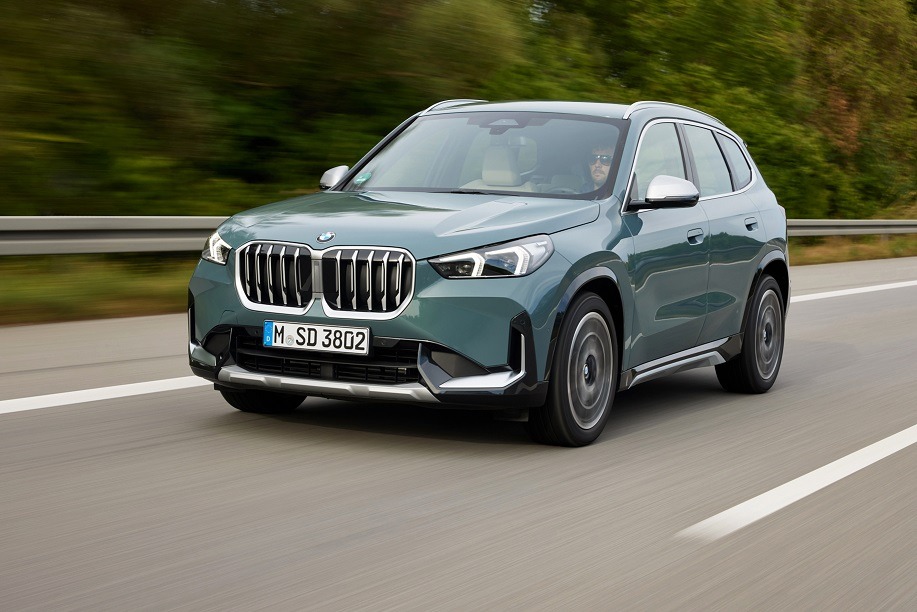
When it comes to premium compact SUVs, the BMW X1 has carved out a strong reputation. It blends sporty driving dynamics with everyday practicality—something many SUV buyers crave. But beneath the sleek design and refined interior lies a surprisingly important detail that often goes overlooked: tyre size.
Tyres are the only point where your car touches the road. Think of them like the shoes of your vehicle—too big, too small, or the wrong type, and everything feels off. Handling suffers, fuel economy drops, and even safety can be affected.
So in this guide, we’re going to unpack everything about BMW X1 tyre sizes—from factory specs to upgrade options, seasonal tyres, and how to choose the right set.
Content in this publication
- Why Tyre Size Matters on the BMW X1
- Understanding BMW Tyre Size Numbers
- BMW X1 Tyre Size by Generation
- Second Generation BMW X1 (F48) – 2015–2022
- Third Generation BMW X1 (U11) – 2022–Present
- BMW X1 Tyre Size Chart
- Run-Flat Tyres on the BMW X1
- Staggered vs Square Tyre Setup
- Winter Tyre Sizes for the BMW X1
- Best Tyre Brands for BMW X1
- How to Find the Correct BMW X1 Tyre Size
- Can You Change Tyre Size on a BMW X1?
- BMW X1 Tyre Pressure Recommendations
- How Tyre Size Affects Fuel Economy
- Signs Your BMW X1 Tyres Need Replacement
- Tips for Choosing the Best Tyre Size
- Maintaining BMW X1 Tyres for Longer Life
- Closing Thoughts
- Frequently Asked Questions
Why Tyre Size Matters on the BMW X1
Before diving into exact numbers, it’s worth asking: why does tyre size even matter?
Tyres influence nearly every aspect of how your car behaves.
Key areas affected by tyre size
- Handling and cornering stability
- Ride comfort
- Fuel economy
- Speedometer accuracy
- Road noise
- Braking performance
The BMW X1, known for its sporty DNA, relies heavily on properly sized tyres to maintain the brand’s famous “Ultimate Driving Machine” feel.
Understanding BMW Tyre Size Numbers
If you’ve ever looked at your tyre sidewall, you’ve probably seen something like:
225/50 R18
It might look cryptic, but each number tells a story.
Breaking down the tyre code
Example: 225/50 R18
- 225 – Tyre width in millimeters
- 50 – Aspect ratio (height of sidewall as % of width)
- R – Radial construction
- 18 – Wheel diameter in inches
What this means for the BMW X1
A wider tyre improves grip but may increase fuel consumption. A lower aspect ratio improves cornering but can reduce ride comfort.
It’s a balancing act—and BMW engineers carefully choose the right combination.
BMW X1 Tyre Size by Generation
Over the years, the BMW X1 has evolved through several generations, each with slightly different tyre options.
First Generation BMW X1 (E84) – 2009–2015
The first-generation X1 looked like a raised estate car more than a typical SUV. Because of that, tyre sizes were closer to sporty sedan proportions.
Common tyre sizes
- 205/60 R17
- 225/50 R17
- 225/45 R18
These sizes prioritized a balance between comfort and sporty handling.
Optional larger wheels
Higher trims sometimes came with:
- 225/40 R19
While visually appealing, these tyres offer a firmer ride due to the shorter sidewall.


Second Generation BMW X1 (F48) – 2015–2022
This generation marked a major shift. BMW redesigned the X1 with a front-wheel-drive architecture and more SUV-like proportions.
The result? Different tyre sizing strategies.
Standard tyre sizes
Common options include:
- 225/55 R17
- 225/50 R18
These tyres emphasize comfort and efficiency while maintaining stable handling.
You may be interested in reading BMW X1 Tyre Pressure Reset: Complete Step-by-Step Guide
Sportier wheel packages
Higher trims such as M Sport may use:
- 225/45 R19
- 245/40 R19
Wider tyres enhance cornering grip and improve the X1’s sporty feel.
Third Generation BMW X1 (U11) – 2022–Present
The newest BMW X1 is bigger, more modern, and packed with technology.
It also introduces larger wheel options.
Typical tyre sizes
- 225/55 R18
- 245/45 R19
- 245/40 R20
The 20-inch wheels give the X1 a more aggressive stance, but they can slightly reduce ride comfort.
BMW X1 Tyre Size Chart
Here’s a quick reference table.
| Generation | Wheel Size | Tyre Size |
|---|---|---|
| E84 | 17" | 205/60 R17 |
| E84 | 18" | 225/45 R18 |
| F48 | 17" | 225/55 R17 |
| F48 | 18" | 225/50 R18 |
| F48 | 19" | 225/45 R19 |
| U11 | 18" | 225/55 R18 |
| U11 | 19" | 245/45 R19 |
| U11 | 20" | 245/40 R20 |
Run-Flat Tyres on the BMW X1
Many BMW vehicles—including the X1—come equipped with run-flat tyres.
What are run-flat tyres?
They allow you to continue driving up to about 50 miles (80 km) after a puncture.
Advantages
- No immediate roadside tyre change
- Increased safety during punctures
- No spare wheel required
Disadvantages
- Higher cost
- Slightly firmer ride
- Limited repair options
Some owners switch to conventional tyres for improved comfort.
Staggered vs Square Tyre Setup
Most BMW X1 models use a square setup, meaning:
- Same tyre size front and rear.
Benefits
- Even tyre wear
- Easier tyre rotation
- Lower maintenance costs
However, some sport packages use wider rear tyres for improved traction.
Winter Tyre Sizes for the BMW X1
If you live in cold climates, winter tyres dramatically improve safety.
Typical winter tyre size
Many drivers opt for:
- 225/60 R17
- 225/55 R18
Why smaller wheels for winter?
- More sidewall for snow traction
- Better ride comfort
- Lower tyre cost
Best Tyre Brands for BMW X1
Choosing the right brand matters just as much as size.
- Michelin
- Pirelli
- Continental
- Bridgestone
These brands often supply OEM tyres for BMW vehicles.
How to Find the Correct BMW X1 Tyre Size
The easiest way is to check three places:
1. Driver’s door sticker
This label lists recommended tyre sizes and pressures.
2. Owner’s manual
BMW includes approved tyre specs in the manual.
3. Current tyre sidewall
The size is printed directly on the tyre.
Can You Change Tyre Size on a BMW X1?
Yes—but it should be done carefully.
Common upgrades
Drivers sometimes upgrade from:
You may be interested in readingBMW X1 Tyre Pressure Reset: Complete Step-by-Step GuideYou may be interested in reading
 BMW X1 Timing Chain Replacement Cost: The Complete Owner’s Guide
- 17-inch → 18-inch wheels
- 18-inch → 19-inch wheels
What to keep in mind
- Overall tyre diameter must stay similar.
- Speedometer calibration must remain accurate.
- Wider tyres may reduce fuel efficiency.
BMW X1 Tyre Pressure Recommendations
Correct tyre pressure keeps your tyres wearing evenly.
Typical pressures range between:
- 32–36 PSI (front)
- 35–38 PSI (rear)
Exact numbers vary by tyre size and load.
How Tyre Size Affects Fuel Economy
Bigger wheels look fantastic—but they can affect efficiency.
Larger wheels usually mean
- Wider tyres
- More rolling resistance
- Slightly lower MPG
Smaller wheels often deliver better fuel economy.
Signs Your BMW X1 Tyres Need Replacement
Even the perfect tyre size won’t help if the tyres are worn.
Common warning signs
- Tread depth below 3 mm
- Uneven wear patterns
- Vibrations at highway speeds
- Cracks in the sidewall
- Increased road noise
If you notice these, it’s time to replace them.
Tips for Choosing the Best Tyre Size
Think of tyres like choosing hiking boots—what works best depends on where you’ll go.
Choose based on driving style
For comfort
- Smaller wheels
- Higher sidewall
For sportier driving
- Wider tyres
- Larger wheels
For winter climates
- Narrower tyres
- Dedicated winter compounds
Maintaining BMW X1 Tyres for Longer Life
Tyres aren’t cheap, so keeping them healthy matters.
Simple maintenance tips
- Rotate tyres every 6,000–8,000 miles
- Maintain correct pressure
- Check alignment yearly
- Avoid potholes when possible
Small habits can extend tyre life significantly.
Closing Thoughts
The BMW X1 tyre size might seem like a small detail—but it has a huge impact on how the car drives.
From 17-inch comfort-focused setups to 20-inch performance wheels, BMW offers a range of options tailored to different driving styles.
Choosing the right tyre size ensures:
- better handling
- improved safety
- optimal fuel efficiency
- a smoother driving experience
In the end, tyres are where engineering meets the road—literally.
Choose wisely, maintain them well, and your BMW X1 will reward you with miles of confident driving.
Frequently Asked Questions
1. What tyre size does a BMW X1 use?
Common sizes include 225/55 R17, 225/50 R18, 245/45 R19, and 245/40 R20, depending on the generation and trim.
2. Can I install bigger tyres on a BMW X1?
Yes, but the overall diameter should stay similar to avoid speedometer errors and handling issues.
3. Does the BMW X1 come with run-flat tyres?
Most BMW X1 models are equipped with run-flat tyres from the factory.
You may be interested in readingBMW X1 Tyre Pressure Reset: Complete Step-by-Step GuideYou may be interested in reading
BMW X1 Timing Chain Replacement Cost: The Complete Owner’s GuideYou may be interested in reading
 BMW X1 Key Battery Replacement: Complete Step-by-Step Guide
4. What tyre pressure should a BMW X1 have?
Typical pressures range from 32–38 PSI, depending on load and tyre size.
5. How long do BMW X1 tyres last?
Most tyres last 25,000–40,000 miles, depending on driving habits and road conditions.
If you want to know other articles similar to BMW X1 Tyre Size: Complete Guide to All Generations, Specs, and Best Options you can visit the category Service and Parts.
Ford Mondeo Key Fob Not Working: Complete Troubleshooting & Fix Guide
Ford Mondeo Gearbox Replacement Cost: What You Really Need to Know
Ford Mondeo Alternator Replacement Cost: Complete Guide for Smart Owners
Ford Mondeo Oil Service Reset: The Complete DIY Guide We Wish We Had Earlier
Ford Mondeo Service Reset: The Complete DIY Guide We Actually Use
Ford Mondeo Headlight Bulb Replacement: The Complete DIY Guide
Leave a Reply
More content of your interest