
BMW X1 vs Fortuner: Which SUV Truly Fits Your Lifestyle?

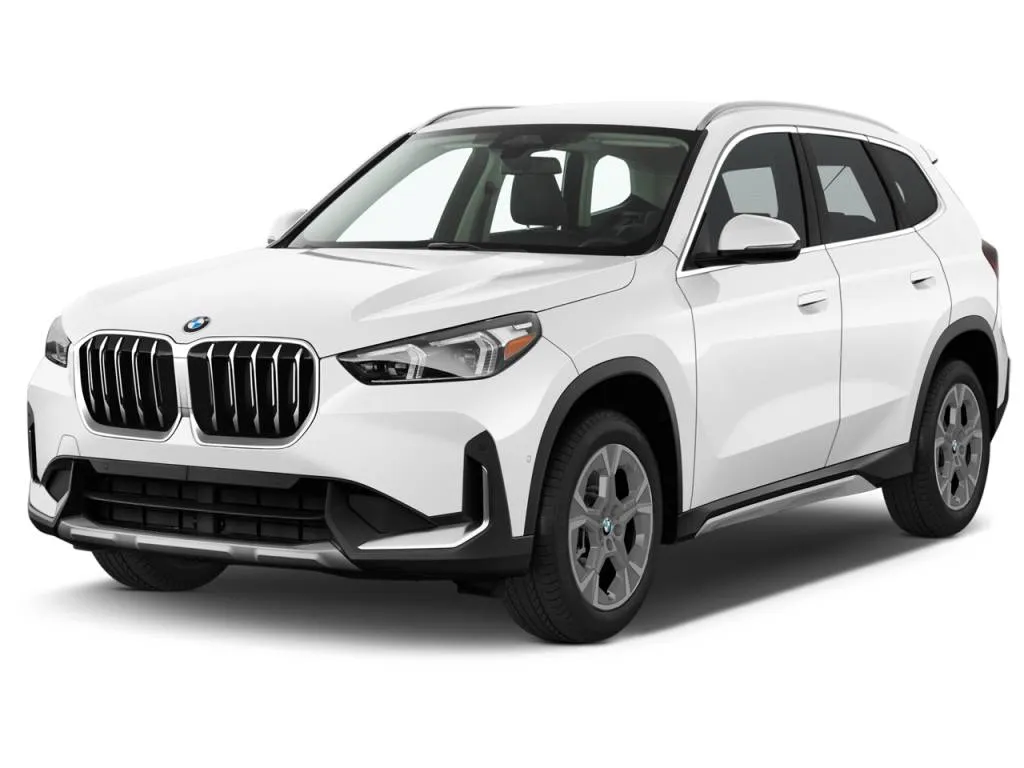
When we compare the BMW X1 and the Toyota Fortuner, we’re not just comparing two SUVs—we’re comparing two completely different philosophies of mobility. One leans toward refined urban luxury, while the other embraces rugged capability and commanding presence.
So which one deserves a spot in your driveway?
Think of the BMW X1 as a well-tailored suit—sleek, comfortable, and designed for everyday elegance. Meanwhile, the Fortuner is more like a pair of hiking boots—tough, dependable, and ready to conquer rough terrain.
In this comprehensive comparison, we’ll explore performance, practicality, technology, reliability, cost of ownership, and overall driving experience to help determine which SUV truly fits your lifestyle.
Content in this publication
- Understanding the SUV Philosophy
- Design and Road Presence
- Size and Dimensions Comparison
- Interior Quality and Comfort
- Performance and Engine Options
- Driving Experience
- Off-Road Capability
- Technology and Infotainment
- Safety Features
- Fuel Economy
- Ownership Costs
- Reliability and Durability
- Who Should Buy the BMW X1?
- Who Should Buy the Toyota Fortuner?
- Quick Comparison Table
- Final Verdict: BMW X1 vs Fortuner
- Frequently Asked Questions
Understanding the SUV Philosophy
Before diving into numbers and specs, it helps to understand what these two vehicles represent.
The BMW X1 is the entry point into BMW’s SUV lineup. It focuses on:
- Urban comfort
- Driving dynamics
- Luxury interior quality
- Efficient engines
It’s designed primarily for city driving, highway cruising, and daily commuting.
Toyota Fortuner: The Rugged Off-Road Icon
The Fortuner, built on a ladder-frame platform shared with the Hilux pickup, prioritizes:
- Off-road capability
- Durability
- Large family practicality
- Strong diesel engines
It’s designed for tough roads, towing, and adventurous journeys.
Design and Road Presence
BMW X1: Modern and Sophisticated
The BMW X1 carries the brand’s familiar design language:
- Bold kidney grille
- Slim LED headlights
- Sculpted body lines
- Sporty stance
Its proportions make it look compact yet upscale, perfect for urban environments.
Exterior Highlights
- LED adaptive headlights
- 18–20 inch alloy wheels
- Sleek aerodynamic profile
- Premium paint finishes
The X1 feels like a luxury crossover rather than a traditional SUV.
Toyota Fortuner: Bold and Dominant
The Fortuner looks like it means business.
It features:
- Massive grille
- Tall ride height
- Muscular wheel arches
- Aggressive front fascia
Park it beside a crossover and the Fortuner instantly looks more imposing.
Exterior Strengths
- Ground clearance around 220–225 mm
- Large 18-inch wheels
- Wide body stance
- High bonnet line
It’s built to look—and perform—like a true off-road SUV.
Size and Dimensions Comparison
One of the biggest differences between these SUVs is size.
BMW X1 Dimensions
- Length: ~4,500 mm
- Width: ~1,845 mm
- Height: ~1,640 mm
- Wheelbase: ~2,692 mm
Toyota Fortuner Dimensions
- Length: ~4,795 mm
- Width: ~1,855 mm
- Height: ~1,835 mm
- Wheelbase: ~2,745 mm
What This Means in Real Life
The Fortuner is:
- Longer
- Taller
- More spacious
However, the X1 is:
- Easier to park
- Easier to maneuver
- Better suited to city driving
Interior Quality and Comfort
BMW X1 Cabin Experience
Step inside the BMW X1 and the first thing you notice is modern minimalism.
The interior features:
- Curved digital display
- Premium materials
- Ambient lighting
- Elegant design
It feels like stepping into a luxury tech lounge on wheels.
Interior Features
- Dual digital screens
- Wireless Apple CarPlay & Android Auto
- Premium upholstery
- Panoramic sunroof
The seating is comfortable for five passengers, with generous headroom and legroom.
Toyota Fortuner Interior
The Fortuner prioritizes space and durability over pure luxury.
Key highlights include:
- Three rows of seating
- Large center touchscreen
- Leather seats in higher trims
- Practical cabin layout
It’s built for families and long trips.
Interior Strengths
- 7-seat configuration
- High seating position
- Lots of storage space
- Durable materials
However, it doesn’t feel as premium or modern as the BMW.
Performance and Engine Options
This is where the personalities of these SUVs really start to diverge.
You may be interested in reading Volkswagen Tiguan Competitors: The SUVs That Challenge This Popular Family Favorite
BMW X1 Engine Lineup
Depending on the market, the BMW X1 offers:
Petrol Engine
- 2.0L turbocharged engine
- Around 241 hp
Diesel Engine
- 2.0L turbo diesel
- Around 150–190 hp
Acceleration
0–100 km/h: about 6.5–7.5 seconds.
The X1 feels quick, responsive, and agile.
Toyota Fortuner Engine Lineup
The Fortuner focuses on torque and durability.
Diesel Engines
- 2.4L diesel
- 2.8L diesel
Power output:
- Up to 204 hp
- Torque up to 500 Nm
Acceleration
0–100 km/h: roughly 10 seconds.
Not sports-car fast—but incredibly strong when towing or climbing hills.
Driving Experience
BMW X1 Driving Feel
Behind the wheel, the X1 feels light, precise, and responsive.
Key characteristics:
- Sporty steering
- Excellent road grip
- Smooth automatic transmission
- Balanced suspension
Driving it feels like controlling a well-tuned instrument.
It’s perfect for:
- Daily commuting
- Highway cruising
- Spirited driving
Toyota Fortuner Driving Feel
The Fortuner drives like a traditional SUV.
Expect:
- High driving position
- Strong diesel torque
- Slight body roll
- Softer steering
However, it excels where many crossovers fail.
Where It Shines
- Off-road trails
- Mud and sand
- Towing heavy loads
- Rough roads
Think of it as the SUV equivalent of a mountain goat.
Off-Road Capability
Here’s where the Fortuner completely dominates.
Toyota Fortuner Off-Road Features
- Ladder frame chassis
- Low-range gearbox
- Locking differential
- High ground clearance
It’s built to handle:
- Rocky terrain
- Steep hills
- Deep mud
The BMW X1 simply isn’t designed for this type of driving.
BMW X1 Off-Road Ability
While some models offer xDrive all-wheel drive, the X1 is still a road-focused SUV.
It can handle:
- Light gravel roads
- Snowy conditions
- Wet highways
But serious off-roading? Not really.
Technology and Infotainment
BMW X1 Technology
The X1 is packed with cutting-edge technology.
Key highlights include:
- BMW iDrive system
- Curved digital display
- Gesture controls
- Over-the-air updates
It feels like driving a smartphone on wheels.
Toyota Fortuner Technology
The Fortuner includes solid tech but remains more traditional.
Features typically include:
- Touchscreen infotainment
- Apple CarPlay & Android Auto
- 360-degree camera
- JBL audio system
Functional—but not as futuristic as BMW’s system.
Safety Features
Both SUVs offer strong safety credentials.
You may be interested in readingVolkswagen Tiguan Competitors: The SUVs That Challenge This Popular Family FavoriteYou may be interested in reading
Volkswagen Tiguan Best Years: The Most Reliable Models to Buy (And Which Ones to Avoid)BMW X1 Safety
- Adaptive cruise control
- Lane keeping assist
- Automatic emergency braking
- Blind spot monitoring
Toyota Fortuner Safety
- Toyota Safety Sense
- Lane departure alert
- Adaptive cruise control
- Multiple airbags
Both vehicles score well in safety tests.
Fuel Economy
BMW X1 Fuel Efficiency
Average consumption:
- Petrol: ~7–8 L/100 km
- Diesel: ~5–6 L/100 km
Very efficient for a premium SUV.
Toyota Fortuner Fuel Efficiency
Diesel consumption:
- ~8–9 L/100 km
Good for its size, but heavier than the X1.
Ownership Costs
BMW X1 Ownership
Pros:
- Premium brand appeal
- High resale value
- Excellent driving experience
Cons:
- Higher maintenance costs
- Premium fuel requirements in some markets
Toyota Fortuner Ownership
Pros:
- Legendary reliability
- Lower maintenance costs
- Strong resale value
Cons:
- Higher fuel consumption
- Less luxurious interior
Reliability and Durability
Toyota Fortuner Reliability
The Fortuner has a reputation for being nearly indestructible.
Many examples easily surpass:
- 300,000 km
- 10+ years of use
It’s widely used in harsh environments around the world.
BMW X1 Reliability
Modern BMW engines are generally reliable but require proper maintenance.
Key considerations:
- Regular servicing
- Quality fuel
- Premium parts
With proper care, the X1 can also be a dependable vehicle.
Who Should Buy the BMW X1?
The BMW X1 is ideal for drivers who want:
- Luxury SUV experience
- Urban practicality
- Advanced technology
- Sporty driving feel
Perfect for city professionals and small families.
Who Should Buy the Toyota Fortuner?
The Fortuner suits drivers who need:
- True off-road capability
- Large family space
- Rugged durability
- Towing capacity
Ideal for adventurers and rural environments.
Quick Comparison Table
| Feature | BMW X1 | Toyota Fortuner |
|---|---|---|
| SUV Type | Luxury Compact | Full-Size Off-Road |
| Seating | 5 | 7 |
| Engine Power | Up to 241 hp | Up to 204 hp |
| Off-Road Capability | Limited | Excellent |
| Technology | Advanced | Moderate |
| Fuel Economy | Better | Average |
| Maintenance | Higher | Lower |
Final Verdict: BMW X1 vs Fortuner
Choosing between the BMW X1 and Toyota Fortuner ultimately comes down to lifestyle.
If your daily routine involves:
- City driving
- Highways
- Comfort and technology
The BMW X1 makes far more sense.
But if your life includes:
- Rough roads
- Off-road adventures
- Large families
- Heavy towing
The Toyota Fortuner is the clear winner.
It’s like choosing between a luxury apartment and a rugged mountain cabin—both fantastic, but built for entirely different lives.
Frequently Asked Questions
1. Is the BMW X1 more luxurious than the Fortuner?
Yes. The BMW X1 offers a more premium interior, advanced technology, and refined driving experience compared to the Fortuner.
2. Which SUV is better for off-roading?
The Toyota Fortuner is significantly better for off-road driving thanks to its ladder-frame construction and 4WD system.
3. Is the BMW X1 faster than the Fortuner?
Yes. The BMW X1 accelerates much quicker due to its lighter weight and turbocharged engines.
You may be interested in readingVolkswagen Tiguan Competitors: The SUVs That Challenge This Popular Family FavoriteYou may be interested in reading
Volkswagen Tiguan Best Years: The Most Reliable Models to Buy (And Which Ones to Avoid)You may be interested in reading
Volkswagen Tiguan Generations: A Complete Guide to Every Model Evolution4. Which SUV has better resale value?
Both have strong resale values, but the Fortuner often retains value extremely well due to its durability reputation.
5. Is the Fortuner bigger than the BMW X1?
Yes. The Fortuner is larger, taller, and offers three rows of seating, while the X1 is a compact luxury SUV.
If you want to know other articles similar to BMW X1 vs Fortuner: Which SUV Truly Fits Your Lifestyle? you can visit the category Models.
Ford Mondeo vs Skoda Superb: The Ultimate Executive Saloon Showdown
Ford Mondeo vs VW Passat: The Ultimate Comparison Guide
Ford Mondeo vs Toyota Camry: Which Sedan Truly Wins?
Ford Mondeo vs Skoda Octavia: The Ultimate Comparison Guide
Ford Mondeo vs Taurus: The Ultimate Sedan Showdown
Ford Mondeo vs Mazda 6: The Ultimate Saloon Showdown
Leave a Reply
More content of your interest