
BMW X1 vs Nissan Qashqai: Which Compact SUV Truly Wins?

Compact SUVs are everywhere today. They’re like the Swiss Army knives of modern driving—practical, stylish, efficient, and surprisingly fun. Among the most talked-about options in this segment are the BMW X1 and the Nissan Qashqai.
At first glance, they seem to occupy the same territory: compact size, elevated driving position, and family-friendly practicality. But look closer and you’ll notice something interesting. One leans toward premium performance, while the other focuses on everyday affordability and usability.
So which one is better?
Let’s break it down—design, engines, practicality, running costs, reliability, and more—to help you decide whether the BMW badge or Nissan practicality deserves a place in your driveway.
Content in this publication
- Compact SUV Battle: Premium vs Practical
- Exterior Design and Road Presence
- Interior Design and Cabin Quality
- Technology and Infotainment
- Engine Options and Performance
- Driving Experience
- Interior Space and Practicality
- Boot Space Comparison
- Safety Features
- Fuel Economy and Efficiency
- Ownership Costs
- Reliability and Durability
- Trim Levels and Customization
- Who Should Buy the BMW X1?
- Who Should Buy the Nissan Qashqai?
- Final Verdict: BMW X1 vs Nissan Qashqai
- FAQs
Before diving into the details, it helps to understand what each SUV represents.
The BMW X1 sits at the entry point to BMW’s SUV lineup. It’s essentially the gateway into the brand’s luxury world. You get sharp styling, impressive tech, and that familiar sporty DNA.
The Nissan Qashqai, meanwhile, is one of Europe’s most popular SUVs. Nissan pioneered the modern compact crossover with it, and the latest generation focuses on comfort, efficiency, and clever hybrid technology.
In simple terms:
- BMW X1: Premium compact SUV with sporty character
- Nissan Qashqai: Practical crossover designed for everyday family life
Both are excellent. But they target slightly different drivers.
Exterior Design and Road Presence
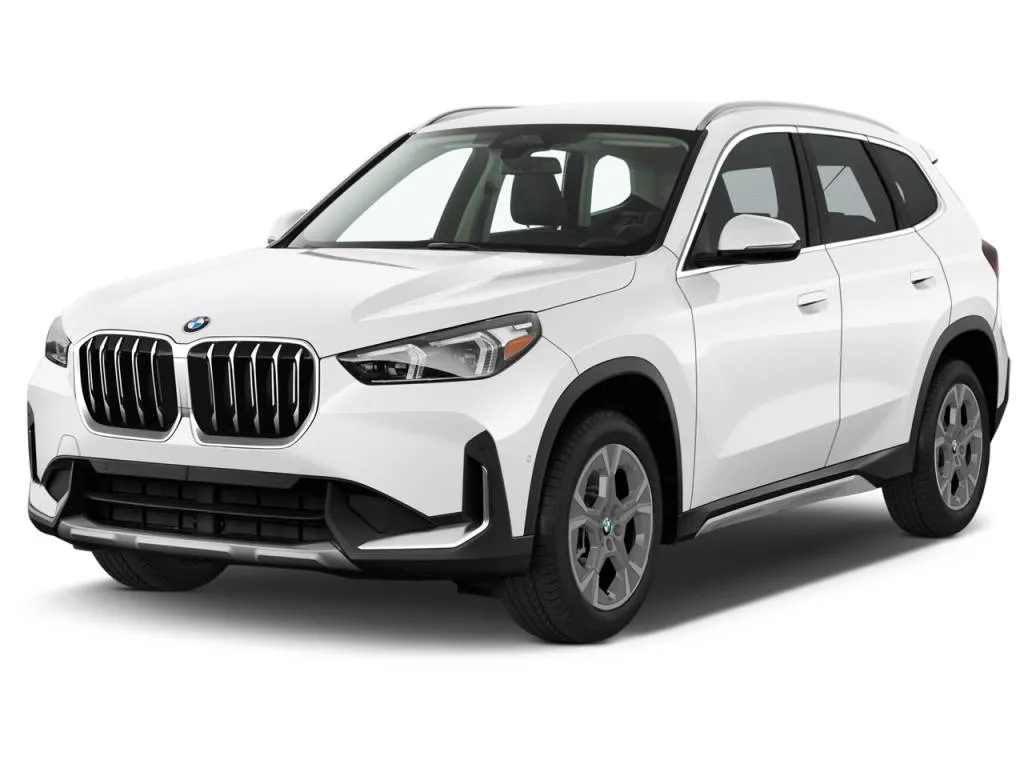
The latest BMW X1 has evolved dramatically in design. It looks bigger, tougher, and more muscular than previous generations.
Design highlights include:
- Large kidney grille
- Sharp LED headlights
- Squared-off wheel arches
- Sporty M Sport styling options
It almost resembles a mini BMW X3 now, which gives it a more premium stance.
When you park it outside a restaurant or office, it feels like it belongs there.
Nissan Qashqai: Modern and Sleek
The Qashqai takes a slightly different design approach. Instead of aggressive sportiness, Nissan focused on futuristic styling.
Key features include:
- V-motion grille
- Slim LED headlights
- Floating roof design
- Sculpted body lines
It looks contemporary and urban—like a crossover designed specifically for modern cities.
Design Verdict
If we’re honest:
- The BMW X1 feels more premium
- The Qashqai feels more modern and approachable
Think of the BMW as a tailored suit, while the Qashqai is a stylish everyday jacket.
Interior Design and Cabin Quality
BMW X1 Interior: Tech-Focused Luxury
Inside the X1, BMW delivers a cabin that feels unmistakably premium.
Highlights include:
- Curved digital display
- Minimalist dashboard design
- High-quality materials
- Ambient lighting
The large curved screen combines the digital instrument cluster and infotainment system into one sleek display.
Everything feels tight, polished, and well engineered.
Nissan Qashqai Interior: Comfortable and Practical
Step inside the Qashqai and the vibe is different.
It’s not as luxurious, but it’s extremely comfortable and intelligently designed.
You’ll find:
- Large infotainment screen
- Physical climate controls
- Soft-touch materials in key areas
- Comfortable seats
Nissan clearly prioritized usability over flashy design.
Cabin Quality Verdict
- BMW X1: More luxurious materials and design
- Nissan Qashqai: More practical and intuitive layout
If you value premium feel, the BMW wins. If usability matters more, the Nissan is excellent.
Technology and Infotainment
Modern SUVs live or die by their technology. Fortunately, both models are well equipped.
BMW X1 Tech
The X1 uses BMW’s latest iDrive system.
Features include:
- Large curved touchscreen
- Wireless Apple CarPlay
- Wireless Android Auto
- Navigation with augmented reality
- Voice assistant
It’s fast, responsive, and packed with features.
Nissan Qashqai Tech
The Qashqai also brings plenty of tech to the table:
- 12.3-inch digital instrument cluster
- 9-inch infotainment display
- Google integration (in some markets)
- Wireless smartphone connectivity
- Head-up display
Technology Verdict
Both vehicles are excellent technologically, but:
You may be interested in reading BMW X1 vs Audi Q2: Which Compact Premium SUV Truly Delivers?
- BMW X1 feels more advanced
- Qashqai focuses on usability
Engine Options and Performance
BMW X1 Engines
The BMW X1 offers a range of petrol, diesel, hybrid, and even electric options depending on the market.
Common engines include:
- sDrive18i – 1.5-liter turbo petrol
- xDrive23i – 2.0-liter turbo petrol
- Plug-in hybrid variants
- Electric iX1 version
Power outputs range roughly between 136 hp and over 300 hp in higher variants.
Acceleration is strong, and the handling feels sporty—exactly what you expect from BMW.
Nissan Qashqai Engines
The Qashqai uses a different strategy focused on efficiency.
Engines include:
- 1.3 DIG-T mild hybrid
- e-POWER hybrid system
The e-POWER setup is particularly interesting. The petrol engine generates electricity while the wheels are driven by an electric motor.
This gives the Qashqai a smooth, electric-like driving feel.
Performance Verdict
- BMW X1: More powerful and sporty
- Nissan Qashqai: More efficient and relaxed
Drivers who love performance will prefer the BMW.
Drivers who want smooth, efficient commuting will appreciate the Nissan.
Driving Experience
BMW X1 Driving Feel
BMW has a reputation for sporty driving dynamics, and the X1 continues that tradition.
Expect:
- Sharp steering
- Controlled body movement
- Strong acceleration
- Excellent grip
It’s one of the most engaging SUVs in the segment.
Nissan Qashqai Driving Feel
The Qashqai focuses on comfort.
The ride is soft and composed, ideal for city driving and highway cruising.
Driving characteristics include:
- Smooth ride quality
- Light steering
- Quiet cabin
It’s easy to drive and stress-free.
Driving Verdict
- BMW X1: Sportier and more dynamic
- Nissan Qashqai: Comfortable and relaxed
Interior Space and Practicality
Compact SUVs need to balance size with practicality.
Passenger Space
Both SUVs comfortably seat five passengers.
However:
- The BMW X1 offers slightly more rear legroom
- The Qashqai has excellent headroom
Both are suitable for families.
Storage and Cabin Practicality
The Qashqai shines here.
It includes:
- Clever storage compartments
- Wide door pockets
- Adjustable rear seats (in some versions)
Nissan clearly designed it with families in mind.
Boot Space Comparison
Cargo space can make or break an SUV.
Approximate capacities:
- BMW X1: around 540 liters
- Nissan Qashqai: around 504 liters
Fold the rear seats and both offer well over 1,500 liters of space.
Boot Verdict
The BMW X1 wins slightly, but both SUVs are very practical.
Safety Features
Both vehicles are packed with safety technology.
BMW X1 Safety
Standard features often include:
- Autonomous emergency braking
- Lane departure warning
- Adaptive cruise control
- Parking sensors
Nissan Qashqai Safety
Nissan’s ProPILOT system adds advanced driver assistance.
Features include:
- Lane keeping assist
- Adaptive cruise control
- Traffic jam assist
- 360-degree camera
Safety Verdict
Both SUVs are extremely safe.
You may be interested in readingBMW X1 vs Audi Q2: Which Compact Premium SUV Truly Delivers?You may be interested in reading
BMW X1 Versus Audi Q5: Which Luxury SUV Is the Better Choice?The Qashqai’s ProPILOT system is particularly impressive for semi-autonomous driving.
Fuel Economy and Efficiency
Fuel economy is one area where the Qashqai shines.
Typical figures:
BMW X1
- Petrol: ~40–45 mpg
- Diesel: ~55 mpg
- Plug-in hybrid: over 60 mpg combined
Nissan Qashqai
- Mild hybrid: ~44 mpg
- e-POWER hybrid: ~50–55 mpg
Efficiency Verdict
The Qashqai generally wins on fuel economy, especially in urban driving.
Ownership Costs
Running costs matter just as much as purchase price.
BMW X1 Costs
Expect higher expenses due to:
- Premium parts
- Higher insurance groups
- More expensive servicing
Nissan Qashqai Costs
The Qashqai is typically cheaper to run thanks to:
- Lower insurance costs
- Efficient engines
- More affordable servicing
Cost Verdict
The Nissan Qashqai is clearly cheaper to own.
Reliability and Durability
Reliability can influence long-term ownership satisfaction.
BMW X1 Reliability
Modern BMWs have improved significantly in reliability.
However:
- Repairs can be expensive
- Technology can increase complexity
Nissan Qashqai Reliability
Nissan has a reputation for dependable engineering.
The Qashqai generally scores well in reliability surveys.
Reliability Verdict
The Qashqai has a slight edge for long-term reliability.
Trim Levels and Customization
BMW X1 Trims
Typical trims include:
- Sport
- xLine
- M Sport
BMW also offers many optional upgrades.
Nissan Qashqai Trims
Common trims include:
- Visia
- Acenta Premium
- N-Connecta
- Tekna
- Tekna+
Nissan trims are simpler and better value.
Who Should Buy the BMW X1?
The BMW X1 is ideal for drivers who:
- Want a premium SUV
- Enjoy sporty driving
- Value luxury interiors
- Appreciate strong brand prestige
It’s essentially the driver’s choice in this comparison.
Who Should Buy the Nissan Qashqai?
The Qashqai is perfect for people who want:
- Practical family transport
- Good fuel economy
- Lower running costs
- Easy everyday usability
It’s the smart practical choice.
Final Verdict: BMW X1 vs Nissan Qashqai
Choosing between these SUVs depends on priorities.
Choose the BMW X1 if you want:
- Premium interior
- Sporty performance
- Luxury features
Choose the Nissan Qashqai if you want:
- Better value
- Lower running costs
- Excellent practicality
In short, the BMW is the heart choice. The Nissan is the head choice.
Both are outstanding compact SUVs—but they serve different types of drivers.
FAQs
Is the BMW X1 bigger than the Nissan Qashqai?
They are similar in size, but the BMW X1 offers slightly more cargo space and rear passenger room.
Which SUV is cheaper to maintain?
The Nissan Qashqai is typically cheaper to maintain due to lower servicing and insurance costs.
Is the BMW X1 more reliable than the Qashqai?
Both are reliable, but the Qashqai tends to score slightly better in long-term reliability surveys.
Which SUV has better fuel economy?
The Nissan Qashqai, especially with the e-POWER hybrid system, generally offers better fuel efficiency.
You may be interested in readingBMW X1 vs Audi Q2: Which Compact Premium SUV Truly Delivers?You may be interested in reading
BMW X1 Versus Audi Q5: Which Luxury SUV Is the Better Choice?You may be interested in reading
BMW X1 vs Fortuner: Which SUV Truly Fits Your Lifestyle?Is the BMW X1 worth the extra money?
If you value premium materials, sporty driving, and brand prestige, many drivers feel the BMW X1 justifies its higher price.
If you want to know other articles similar to BMW X1 vs Nissan Qashqai: Which Compact SUV Truly Wins? you can visit the category Models.
Ford Mondeo vs Skoda Superb: The Ultimate Executive Saloon Showdown
Ford Mondeo vs VW Passat: The Ultimate Comparison Guide
Ford Mondeo vs Toyota Camry: Which Sedan Truly Wins?
Ford Mondeo vs Skoda Octavia: The Ultimate Comparison Guide
Ford Mondeo vs Taurus: The Ultimate Sedan Showdown
Ford Mondeo vs Mazda 6: The Ultimate Saloon Showdown
Leave a Reply
More content of your interest