
BMW X1 vs X5: Which BMW SUV Is the Better Choice for You?

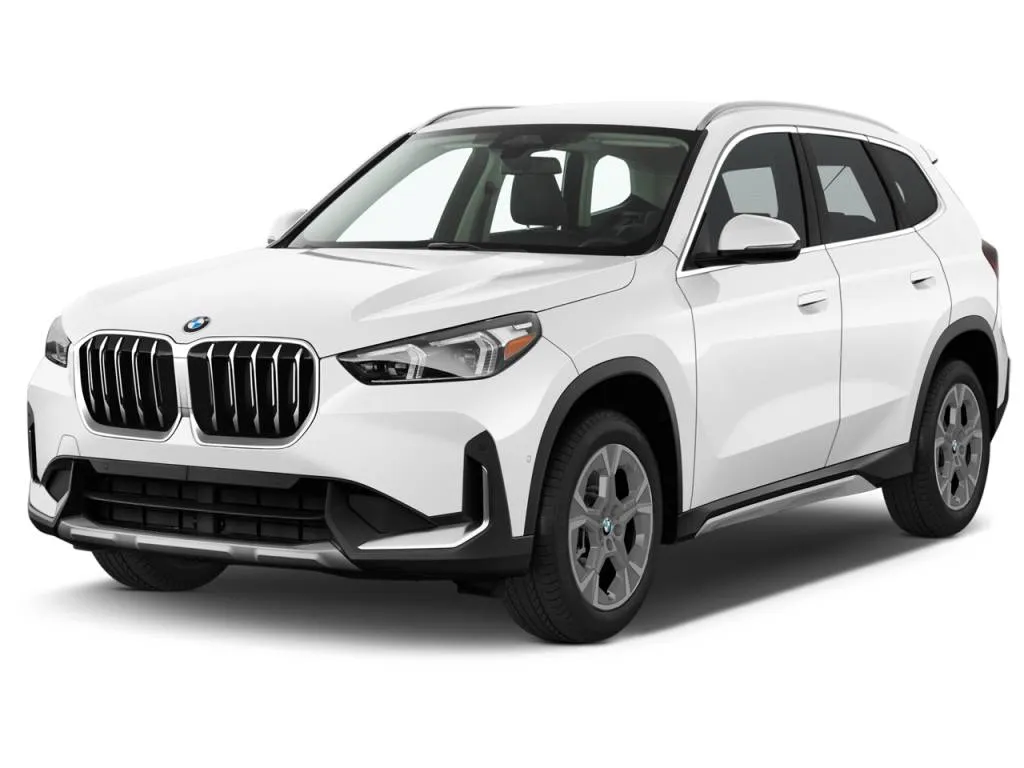
When we start exploring BMW’s SUV lineup, two names inevitably pop up in conversation: BMW X1 and BMW X5. Both carry the prestige of the BMW badge, both deliver that signature driving experience, and both sit comfortably in the luxury SUV category.
But here’s the twist.
Although they share the same brand DNA, these SUVs are designed for very different drivers. One is compact, agile, and city-friendly. The other is powerful, spacious, and built for long journeys.
So the question becomes simple:
Should we choose the smaller BMW X1 or the larger BMW X5?
Let’s dive deep into this comparison and break down size, performance, comfort, price, technology, and ownership experience so we can understand which BMW SUV truly fits our lifestyle.
Content in this publication
- Understanding BMW’s SUV Hierarchy
- BMW X1 vs X5 Size Comparison
- Interior Space and Comfort
- Cargo Capacity Comparison
- Engine Options and Performance
- Driving Experience: Sportiness vs Authority
- Fuel Economy Comparison
- Technology and Infotainment
- Safety Features
- Towing Capacity
- Pricing Comparison
- Ownership Costs
- Which BMW SUV Is Better for Families?
- Which BMW SUV Is Better for City Driving?
- Pros and Cons
- Final Verdict: BMW X1 vs X5
- FAQs
Understanding BMW’s SUV Hierarchy
Before comparing the two models, it helps to understand where they sit in BMW’s lineup.
BMW X1: The Entry-Level Luxury SUV
The BMW X1 is BMW’s smallest SUV. It belongs to the compact luxury crossover segment.
Think of it as the gateway into BMW ownership.
Key characteristics:
- Compact dimensions
- Lower price
- Efficient engines
- Easy urban driving
- Surprisingly spacious interior
It’s a vehicle designed for young professionals, small families, and city dwellers.
The BMW X5, on the other hand, sits in the midsize luxury SUV segment.
It’s bigger, stronger, and far more luxurious.
Key traits include:
- Larger cabin
- Stronger engines
- Advanced tech
- Higher towing capacity
- Premium materials
If the X1 is the introduction to BMW SUVs, the X5 is where the brand’s luxury identity really shines.
BMW X1 vs X5 Size Comparison
One of the biggest differences between these two SUVs is size.
Exterior Dimensions
| Dimension | BMW X1 | BMW X5 |
|---|---|---|
| Length | ~177 inches | ~194 inches |
| Width | ~72 inches | ~79 inches |
| Height | ~64 inches | ~69 inches |
| Wheelbase | ~106 inches | ~117 inches |
The numbers tell the story clearly.
The BMW X5 is significantly larger in every dimension.
What That Means in Real Life
The size difference translates to:
BMW X1 advantages:
- Easier parking
- Better maneuverability
- Perfect for city driving
BMW X5 advantages:
- More interior space
- Bigger cargo capacity
- Better road presence
Driving the X5 feels like commanding a luxury ship.
Driving the X1 feels more like piloting a sporty hatchback on stilts.
Interior Space and Comfort
Let’s talk about how these SUVs feel inside.
BMW X1 Cabin Experience
The BMW X1 interior is modern and minimalist.
Highlights include:
- Curved digital display
- High-quality materials
- Compact but clever layout
- Supportive seating
Despite its smaller footprint, the X1 offers surprisingly good passenger space.
Rear legroom is impressive for a compact SUV.
BMW X5 Interior Experience
Step into the BMW X5 and everything changes.
It feels more like a luxury lounge than a compact SUV.
Premium features include:
- Vernasca leather seats
- Ambient lighting
- Panoramic sunroof
- Optional crystal gear selector
- Heated and ventilated seats
The X5 interior simply feels richer and more spacious.
Passenger Space Comparison
The difference is especially noticeable in:
- Rear passenger legroom
- Shoulder space
- Overall cabin width
Families will find the X5 far more comfortable for long journeys.
Cargo Capacity Comparison
SUV buyers often care about boot space.
Here’s how the two compare.
BMW X1 Cargo Space
The BMW X1 offers approximately:
- 540 liters behind the rear seats
- 1600 liters with seats folded
For a compact SUV, that’s excellent.
It easily handles:
- Groceries
- Luggage
- Sports equipment
BMW X5 Cargo Space
The X5 takes things further.
You may be interested in reading BMW X1 vs X2 vs X3: Which BMW SUV Is the Best Choice for You?
Cargo capacity reaches roughly:
- 650 liters behind the second row
- 1870 liters with seats folded
Plus, some models offer a third row option.
If we regularly carry gear, pets, or large luggage, the X5 clearly wins here.
Engine Options and Performance
Now we reach one of BMW’s biggest strengths:
Performance.
BMW X1 Engine Lineup
Typical engines include:
- 2.0L turbocharged 4-cylinder
- Around 241 horsepower
- 0–60 mph in about 6.2 seconds
The engine feels lively and efficient.
Perfect for daily driving.
BMW X5 Engine Lineup
The X5 offers far more variety.
Options include:
- Turbocharged 6-cylinder
- Plug-in hybrid system
- High-performance V8 (in M models)
Power outputs range from:
- 375 hp (xDrive40i)
- 483 hp (xDrive50e hybrid)
- 523 hp (X5 M60i)
The difference is dramatic.
The X5 doesn’t just move — it launches.
BMW is famous for delivering driver-focused vehicles.
But the two SUVs feel very different.
Driving the BMW X1
The X1 feels:
- Light
- Agile
- Quick to respond
It’s fun in city traffic and twisty roads.
We might even forget we’re driving an SUV.
Driving the BMW X5
The X5 feels:
- Stable
- Powerful
- Smooth
It’s designed for:
- Long highway trips
- Comfort cruising
- Effortless acceleration
Driving it feels like gliding across asphalt.
Fuel Economy Comparison
Fuel efficiency matters more than ever.
BMW X1 Fuel Economy
Average estimates:
- 25–26 mpg city
- 34–36 mpg highway
The X1 is clearly the more economical choice.
BMW X5 Fuel Economy
Depending on the engine:
- 21–23 mpg city
- 26–29 mpg highway
The plug-in hybrid version improves efficiency significantly.
But overall, the X5 still consumes more fuel due to its size and power.
Technology and Infotainment
BMW has dramatically upgraded its technology in recent years.
Both SUVs feature BMW iDrive 8 or newer systems.
Common Technology Features
Both vehicles offer:
- Curved dual displays
- Apple CarPlay and Android Auto
- Voice assistant
- Navigation system
- Wireless charging
Where the X5 Goes Further
The X5 adds premium touches such as:
- Gesture controls
- Larger displays
- Bowers & Wilkins sound system
- Advanced driver assistance
In other words, the X5 feels more high-tech and luxurious.
Safety Features
Both SUVs offer strong safety technology.
Standard Safety Equipment
Features include:
- Automatic emergency braking
- Lane departure warning
- Blind-spot monitoring
- Adaptive cruise control
Advanced Safety in the X5
The X5 introduces additional systems:
- Highway assistant
- Traffic jam assistant
- 360-degree camera
- Automated parking
These systems make long drives less stressful and safer.
Towing Capacity
For drivers who tow trailers or boats, this section matters.
BMW X1 Towing
The X1 can tow approximately:
3500 pounds
This is good for:
You may be interested in readingBMW X1 vs X2 vs X3: Which BMW SUV Is the Best Choice for You?You may be interested in reading
 BMW X1 vs Nissan Qashqai: Which Compact SUV Truly Wins?
- Small trailers
- Jet skis
- Lightweight campers
BMW X5 Towing
The X5 can tow up to:
7200 pounds
That’s nearly double.
It handles:
- Boats
- Larger campers
- Heavy trailers
For towing, the X5 is the clear winner.
Pricing Comparison
Let’s talk about money.
BMW X1 Starting Price
Typical starting price:
Around $40,000
This makes it one of the most affordable BMW SUVs.
BMW X5 Starting Price
The X5 begins around:
$65,000
High-performance trims can exceed $90,000.
The difference is substantial.
But remember:
The X5 offers more power, more space, and more luxury.
Ownership Costs
Luxury SUVs aren’t cheap to maintain.
But there are differences.
BMW X1 Ownership Costs
Generally lower because:
- Smaller engine
- Cheaper tires
- Lower fuel consumption
- Lower insurance costs
BMW X5 Ownership Costs
Higher because:
- Larger components
- Higher fuel use
- More complex technology
- Bigger tires and brakes
Owning an X5 is more like maintaining a luxury flagship SUV.
Which BMW SUV Is Better for Families?
Families often prioritize:
- Space
- Safety
- Comfort
The BMW X5 wins here.
Reasons include:
- Larger back seats
- More cargo room
- Optional third row
- Smoother ride
But smaller families may find the X1 perfectly adequate.
Which BMW SUV Is Better for City Driving?
Urban environments demand:
- Easy parking
- Maneuverability
- Efficiency
Here the BMW X1 shines.
Its smaller footprint makes it far easier to handle in:
- Tight parking garages
- Busy streets
- Dense traffic
The X5 can feel large in tight spaces.
Pros and Cons
BMW X1 Pros
- Lower price
- Excellent fuel economy
- Easy to drive
- Modern interior
- Great for cities
BMW X1 Cons
- Less powerful
- Smaller cargo space
- Fewer luxury features
BMW X5 Pros
- Powerful engines
- Spacious cabin
- Premium materials
- Higher towing capacity
- Advanced technology
BMW X5 Cons
- Higher price
- Higher running costs
- Larger size for parking
Final Verdict: BMW X1 vs X5
Choosing between the BMW X1 and BMW X5 ultimately comes down to lifestyle.
If we want:
- A compact luxury SUV
- Great fuel economy
- Lower price
- Easy city driving
The BMW X1 is the smarter choice.
But if we’re looking for:
- More space
- More power
- Greater luxury
- Superior towing capability
Then the BMW X5 stands in a completely different league.
Think of it like this:
The X1 is a stylish city apartment.
The X5 is a luxury house with a view.
Both are fantastic — the right one simply depends on what kind of life we want to live.
FAQs
Is the BMW X5 bigger than the X1?
Yes. The BMW X5 is significantly larger, offering more interior space, cargo capacity, and a wider body than the BMW X1.
Is the BMW X1 cheaper than the X5?
Yes. The BMW X1 typically starts around $40,000, while the BMW X5 starts closer to $65,000.
Which BMW SUV has better fuel economy?
The BMW X1 is more fuel-efficient thanks to its smaller engine and lighter weight.
You may be interested in readingBMW X1 vs X2 vs X3: Which BMW SUV Is the Best Choice for You?You may be interested in reading
BMW X1 vs Nissan Qashqai: Which Compact SUV Truly Wins?You may be interested in reading
BMW X1 vs Audi Q2: Which Compact Premium SUV Truly Delivers?Is the BMW X5 more powerful?
Yes. The X5 offers multiple powerful engine options, including turbocharged six-cylinder and V8 engines.
Which SUV is better for families?
The BMW X5 is usually better for families due to its larger interior, greater cargo capacity, and optional third row.
If you want to know other articles similar to BMW X1 vs X5: Which BMW SUV Is the Better Choice for You? you can visit the category Models.
Ford Mondeo vs Skoda Superb: The Ultimate Executive Saloon Showdown
Ford Mondeo vs VW Passat: The Ultimate Comparison Guide
Ford Mondeo vs Toyota Camry: Which Sedan Truly Wins?
Ford Mondeo vs Skoda Octavia: The Ultimate Comparison Guide
Ford Mondeo vs Taurus: The Ultimate Sedan Showdown
Ford Mondeo vs Mazda 6: The Ultimate Saloon Showdown
Leave a Reply
More content of your interest