

BMW X3 Years to Avoid: The Ultimate Buyer’s Guide to Smart Ownership

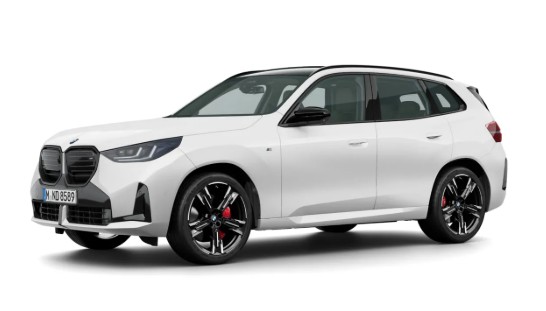
When it comes to premium SUVs, the BMW X3 feels like that perfectly tailored jacket—stylish, versatile, and built to impress. But here’s the catch: not every model year delivers the same experience. Some shine brilliantly, while others… well, they come with baggage.
So if we’re thinking about buying a used BMW X3, the real question becomes: which years should we avoid—and why? Let’s break it down in a way that actually helps you make a smart decision.
Content in this publication
- Why Knowing BMW X3 Problem Years Matters
- BMW X3 Generations Explained
- BMW X3 Years to Avoid (Quick Overview)
- 2007 BMW X3 – Cooling System Weakness
- 2008 BMW X3 – Same Issues, Different Year
- 2011 BMW X3 – First-Year Problems
- 2013 BMW X3 – The Timing Chain Issue
- 2014 BMW X3 – Still Not Fully Sorted
- BMW X3 Years That Are More Reliable
- Why 2015–2017 Models Are a Sweet Spot
- 2018+ BMW X3 – A Fresh Start
- Common BMW X3 Problems Across Years
- Maintenance: The Game-Changer
- How to Spot a Bad BMW X3 Before Buying
- Red Flags You Should Never Ignore
- Is It Worth Buying a Problematic Year?
- Cost of Ownership: What to Expect
- BMW X3 vs Competitors
- Pro Tips for Buying a Used BMW X3
- Final Thoughts: Choosing the Right BMW X3
- Conclusion
- FAQs About BMW X3 Years to Avoid
Why Knowing BMW X3 Problem Years Matters
Buying a used luxury SUV without research is like jumping into deep water without checking the depth. You might land safely—or hit something hard.
The Reality of BMW Ownership
- Premium cars come with premium repair bills
- Parts and labor cost more than average
- Small issues can quickly snowball
What We Want to Avoid
- Recurring mechanical failures
- Expensive engine damage
- Persistent electrical problems
Knowing the weak years helps us dodge the worst headaches.
BMW X3 Generations Explained
Before pointing fingers at specific years, we need context. Each generation tells a different story.
First Generation (E83: 2004–2010)
- Simple, rugged, and less tech-heavy
- Feels more “old-school BMW”
- Aging components today
Second Generation (F25: 2011–2017)
- Big leap in comfort and technology
- Turbo engines introduced
- Some reliability growing pains
Third Generation (G01: 2018–Present)
- Modern design and refined performance
- Improved reliability
- Packed with advanced features
BMW X3 Years to Avoid (Quick Overview)
Let’s cut straight to the chase.
Worst BMW X3 Years
- 2007
- 2008
- 2011
- 2013
- 2014
These years tend to show more complaints, higher repair costs, and recurring issues.
2007 BMW X3 – Cooling System Weakness
The 2007 model is one of those years that looks fine on paper—but hides a major flaw.
Common Problems
- Radiator leaks
- Water pump failures
- Engine overheating
Why This Matters
Overheating is not a minor inconvenience—it can destroy an engine. Think of it like running a marathon with no water… eventually, something gives.
What to Check Before Buying
- Has the cooling system been replaced?
- Any history of overheating?
2008 BMW X3 – Same Issues, Different Year
If 2007 had problems, 2008 didn’t exactly fix them.
Recurring Issues
- Cooling system failures
- Suspension wear
- Transfer case concerns
Driving Impact
You might notice:
- Strange noises over bumps
- Unstable ride quality
- Unexpected repair costs
It’s like buying a sequel that didn’t improve on the original.
You may be interested in reading BMW X3 Reliability: Is It Built to Last or Just Looks the Part?
2011 BMW X3 – First-Year Problems
New generation, new problems. The 2011 model kicked off the F25 generation—but not without issues.
Major Concerns
- Timing chain issues (especially N20 engine)
- Oil leaks
- Engine noise
Why First-Year Models Are Risky
Manufacturers are still ironing out issues. Early buyers often deal with the bugs.
2013 BMW X3 – The Timing Chain Issue
This is the year that gets talked about a lot—and not for good reasons.
Core Problem
- Premature wear of timing chain guides
- Risk of catastrophic engine failure
Warning Signs
- Rattling sound from engine
- Check engine light
- Rough idle
Repair Costs
- Typically between $3,000 and $5,000+
That’s not just a repair—it’s a financial gut punch.
2014 BMW X3 – Still Not Fully Sorted
You’d expect improvement by 2014, but some issues linger.
Persistent Problems
- Timing chain concerns
- Electrical glitches
- Turbocharger issues
Ownership Experience
It’s like owning a talented athlete with recurring injuries—great potential, but unreliable performance.
BMW X3 Years That Are More Reliable
Now for the good news—not all X3s are risky.
Best Years to Consider
- 2009–2010
- 2015–2017
- 2018 and newer
Why 2015–2017 Models Are a Sweet Spot
These models feel like BMW finally refined the formula.
Key Improvements
- Updated engine components
- Better reliability overall
- Improved driving refinement
Why We Like Them
- Modern features
- Fewer major complaints
- Strong value for money
2018+ BMW X3 – A Fresh Start
The third generation (G01) brought a major upgrade.
What Changed
- Better build quality
- More efficient engines
- Advanced safety tech
Ownership Benefits
- Fewer reliability complaints
- Smoother driving experience
- Strong long-term value
Common BMW X3 Problems Across Years
Even the best years aren’t perfect.
Engine Issues
- Oil leaks
- Turbo wear
- Timing chain concerns (older models)
Transmission Problems
- Jerky shifting
- Delayed response
Electrical Issues
- Infotainment glitches
- Sensor failures
Maintenance: The Game-Changer
Here’s the truth most people overlook: maintenance matters more than the year.
Essential Maintenance Tips
- Oil changes every 5,000–7,000 miles
- Regular cooling system checks
- Inspect timing components
Golden Rule
A well-maintained “bad year” can outperform a neglected “good year.”
You may be interested in readingBMW X3 Reliability: Is It Built to Last or Just Looks the Part?You may be interested in reading
BMW X3 Insurance Group: The Ultimate UK Cost & Risk GuideHow to Spot a Bad BMW X3 Before Buying
Let’s get practical.
Checklist to Follow
Listen Carefully
- Engine noises = warning sign
Check Service History
- No records? Walk away
Scan for Fault Codes
- Hidden issues show up here
Test Drive Thoroughly
- Try different speeds and conditions
Red Flags You Should Never Ignore
- Overheating history
- Dashboard warning lights
- Rough engine idle
These are not “small issues”—they’re warning sirens.
Is It Worth Buying a Problematic Year?
Surprisingly, sometimes yes.
When It Makes Sense
- The price is significantly lower
- Major repairs already done
- You have a maintenance budget
When It Doesn’t
- No service records
- Multiple unresolved issues
- Seller avoids questions
Cost of Ownership: What to Expect
Let’s be real—BMW ownership isn’t cheap.
Typical Annual Costs
- Maintenance: $800–$1,500
- Repairs: $500–$2,000+
Major Repairs
- Timing chain: $3,000+
- Turbo replacement: $2,000+
BMW X3 vs Competitors
Even with its flaws, the X3 still competes strongly.
What It Does Better
- More engaging driving experience
- Premium interior feel
- Strong engine performance
Where It Falls Short
- Higher maintenance costs
- Reliability varies by year
Pro Tips for Buying a Used BMW X3
Smart Buying Strategy
- Go for facelift models
- Avoid first production years
- Always get a pre-purchase inspection
Extra Tip
Think long-term. A cheaper car upfront can cost more over time.
Final Thoughts: Choosing the Right BMW X3
Buying a BMW X3 is like choosing a travel partner. Pick the right one, and every journey feels effortless. Pick the wrong one… and you’ll be dealing with constant stops along the way.
Key Takeaways
- Avoid: 2007, 2008, 2011, 2013, 2014
- Choose: 2015+ or well-maintained older models
- Prioritize service history above all
Conclusion
The BMW X3 remains one of the most desirable compact luxury SUVs—but only if we choose wisely. By avoiding the problematic years and focusing on well-maintained examples, we can enjoy the performance, comfort, and prestige without the financial headaches.
At the end of the day, knowledge is your best warranty.
FAQs About BMW X3 Years to Avoid
1. What is the worst BMW X3 year?
The 2013 model is widely considered the worst due to timing chain failures.
2. Are older BMW X3 models reliable?
Some late first-generation models (2009–2010) are reliable if well maintained.
3. Is the BMW X3 expensive to maintain?
Yes, it typically costs more than average due to premium parts and labor.
You may be interested in readingBMW X3 Reliability: Is It Built to Last or Just Looks the Part?You may be interested in reading
BMW X3 Insurance Group: The Ultimate UK Cost & Risk GuideYou may be interested in reading
BMW X3 Warning Lights: The Complete Driver’s Guide to Every Symbol4. Which BMW X3 engine is most reliable?
Later versions of the N20 and newer B48 engines are more reliable.
5. Should I avoid all turbocharged X3 models?
No, just early versions with known issues. Newer turbo engines are generally solid.
If you want to know other articles similar to BMW X3 Years to Avoid: The Ultimate Buyer’s Guide to Smart Ownership you can visit the category Blog.
Is the SEAT Leon a Good First Car? A Complete Buyer’s Guide
Are SEAT Leon Good Cars? A Complete, Honest Buyer’s Guide

Bad Years for Volkswagen Passat Sedan 4D: What We Really Need to Know Before Buying

How Reliable Are Nissan Jukes? A Complete, Honest Guide
SEAT Leon Years to Avoid: The Honest Buyer’s Guide We Wish We Had
SEAT Leon Reliability: The Honest Long-Term Ownership Guide
Leave a Reply
More content of your interest