

Can Jeep Wranglers Get Wet Inside? The Honest Truth About Water, Weather, and Wranglers

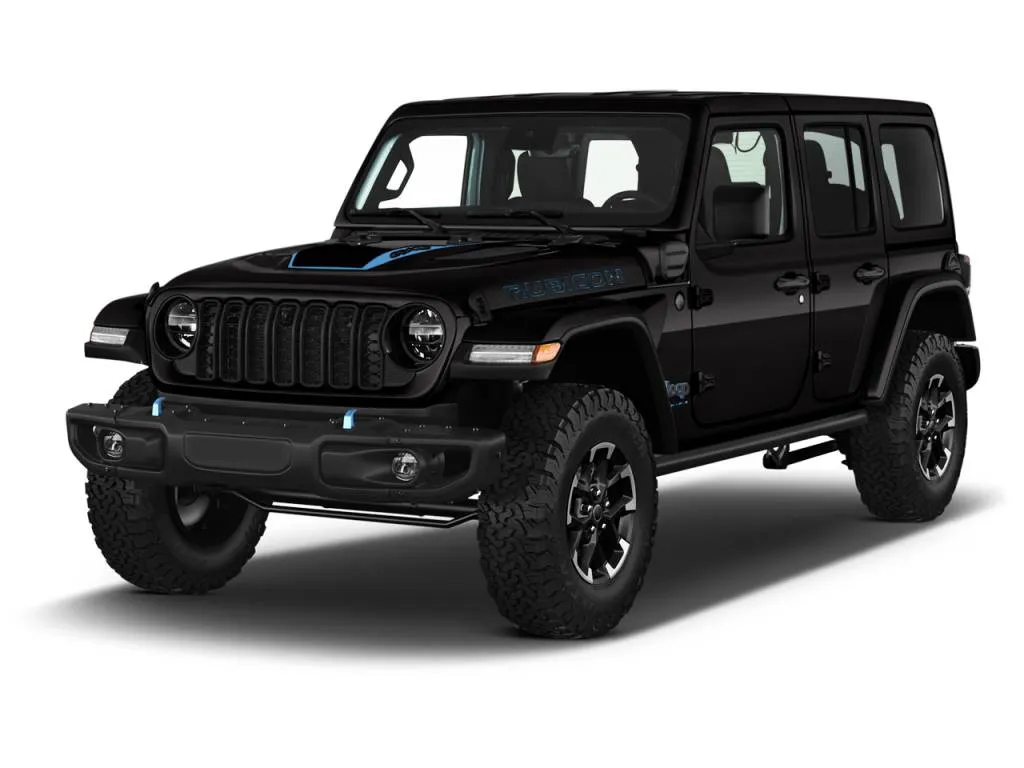
Jeep Wranglers have a reputation that borders on myth. Doors off. Roof off. Mud everywhere. Streams crossed like they’re speed bumps. But that leads to a very real, very practical question many owners (and future owners) quietly Google at night: can Jeep Wranglers get wet inside?
Short answer? Yes—and sometimes that’s by design.
Long answer? That’s where things get interesting.
Let’s break it all down, from rainstorms and river crossings to hose-down interiors, leaks, myths, and what Jeep actually intended when they built the Wrangler.
Content in this publication
- Why This Question Even Exists
- The Short Answer (Before We Go Deep)
- How Jeep Wranglers Are Different From Normal SUVs
- Can Rain Get Inside a Jeep Wrangler?
- Are Jeep Wranglers Waterproof Inside?
- Do Jeep Wranglers Have Drain Holes?
- What Happens If a Wrangler Gets Wet Inside?
- Which Jeep Wrangler Models Handle Water Best?
- Can You Hose Out a Jeep Wrangler Interior?
- Common Causes of Water Leaks in Wranglers
- Is Water Inside a Jeep Wrangler “Normal”?
- How to Protect a Wrangler Interior From Water
- Can Water Damage Jeep Wrangler Electronics?
- Off-Roading Through Water: What’s Safe?
- Wrangler Myths About Water (Debunked)
- Is a Wet Interior a Dealbreaker?
- Living With Water and Loving the Wrangler
- Final Verdict: Can Jeep Wranglers Get Wet Inside?
- FAQs
Why This Question Even Exists
Most vehicles are built around one sacred principle: keep water out at all costs.
Wranglers? They play by different rules.
We’re talking about a vehicle that:
- Has removable doors
- Often runs without a roof
- Encourages off-roading through water
- Markets “wash-out interiors” on certain trims
So naturally, people wonder if water inside is a flaw—or part of the experience.
The Short Answer (Before We Go Deep)
Yes, Jeep Wranglers can get wet inside, and in many cases:
- It’s expected
- It’s manageable
- It’s not harmful if handled correctly
But—and this matters—not all water is okay, and not every Wrangler handles it the same way.
Let’s unpack the nuance.
How Jeep Wranglers Are Different From Normal SUVs
Designed for Exposure, Not Isolation
Wranglers are engineered with exposure in mind. Unlike most SUVs that seal themselves from the elements, Wranglers accept that:
- Rain happens
- Water crossings happen
- Owners remove major structural panels
This philosophy changes everything about how the interior is built.
Interior Materials That Expect Moisture
Wrangler interiors often include:
- Hard plastics instead of soft-touch fabrics
- Rubberized flooring (especially on off-road trims)
- Marine-grade switches on newer models
- Elevated electronics placement
It’s less luxury sedan… more trail boot.
Can Rain Get Inside a Jeep Wrangler?
Yes—Especially Without the Roof or Doors
If your Wrangler is:
- Running topless
- Doorless
- Or partially open
Rain will get inside. That’s not a defect—it’s physics.
But what surprises many people is that rain can still enter even with everything installed.
Light Rain vs Heavy Rain
- Light rain: Usually no issue if seals are healthy
- Heavy rain or wind-driven storms: Water intrusion is possible
- Pressure washing or car washes: A common culprit for leaks
Wranglers aren’t submarines—they’re more like well-prepared kayaks.
Are Jeep Wranglers Waterproof Inside?
Water-Resistant, Not Waterproof
This distinction matters.
Wranglers are:
- Water-resistant in key areas
- Drain-equipped
- Designed to tolerate moisture
They are not completely waterproof like marine vessels.
What Jeep Meant by “Wash-Out Interior”
Certain trims (Rubicon, Willys, some Sport models) feature:
- Drain plugs in the floor
- Rubberized mats
- Durable seat materials
This means you can:
- Remove drain plugs
- Rinse out mud and dirt
- Let water exit naturally
But this doesn’t mean you should flood it for fun.
Do Jeep Wranglers Have Drain Holes?
Yes—And They’re Crucial
Most Wranglers include:
You may be interested in reading Which Jeep Wrangler Is the Biggest? A Real-World Size Breakdown
- Floor drain plugs
- Strategically routed drainage channels
- Body seams designed to shed water
These allow water to:
- Exit the cabin
- Avoid pooling
- Reduce long-term damage
Ignoring clogged drains is one of the biggest causes of interior problems.
Where Are the Drain Plugs Located?
Typically:
- Under the front footwells
- Beneath rear passenger floor areas
- Sometimes under cargo mats
They’re easy to miss—and easy to forget.
What Happens If a Wrangler Gets Wet Inside?
Best Case Scenario
- Water drains out
- Interior dries quickly
- No lasting damage
This is common with rain or shallow water exposure.
Worst Case Scenario
If water:
- Sits too long
- Reaches electronics
- Soaks carpet padding
- Encourages mold growth
Then you’re dealing with:
- Electrical gremlins
- Smells that never leave
- Corrosion over time
Wranglers forgive water—but not neglect.
Which Jeep Wrangler Models Handle Water Best?
Older vs Newer Wranglers
- TJ (1997–2006): Very simple, fewer electronics
- JK (2007–2018): More comfort, more seals to watch
- JL (2018–present): Best materials, best drainage, most electronics
Ironically, newer Wranglers handle water better—but cost more if something goes wrong.
Trim Levels Matter
Better for water exposure:
- Rubicon
- Willys
- Sport (with rubber flooring)
Less ideal:
- Sahara (more carpet, more luxury features)
Can You Hose Out a Jeep Wrangler Interior?
Technically Yes—But Carefully
Hosing out a Wrangler is possible only if:
- Drain plugs are removed
- Electronics are avoided
- You don’t blast sensitive areas
Think gentle rinse, not firehose chaos.
What Not to Spray Directly
Avoid direct water on:
- Dashboard controls
- Infotainment screens
- Steering column
- Under-seat wiring harnesses
Wranglers tolerate water—not abuse.
Common Causes of Water Leaks in Wranglers
1. Door Seal Wear
Over time:
- Rubber seals flatten
- Cracks develop
- Water sneaks in during rain
2. Freedom Top Panel Misalignment
Those removable roof panels?
- Easy to install wrong
- Easy to slightly mis-seat
Even a few millimeters can cause leaks.
3. Clogged Drain Channels
Leaves, mud, debris—classic Wrangler problems.
4. Windshield Frame Seals
Often overlooked, frequently guilty.
Is Water Inside a Jeep Wrangler “Normal”?
Normal, But Not Constant
Occasional water:
- After rain
- After off-roading
- After washing
That’s normal.
Standing water every storm?
That’s a problem.
Wrangler Ownership Reality Check
Owning a Wrangler is like owning a dog:
You may be interested in readingWhich Jeep Wrangler Is the Biggest? A Real-World Size BreakdownYou may be interested in reading
 Can a Jeep Wrangler Pull a Camper? Real-World Towing Truths Explained
- Incredible adventures
- Some mess
- Requires attention
If you want perfection, buy a crossover.
If you want personality, welcome to the Wrangler life.
How to Protect a Wrangler Interior From Water
Smart Preventative Moves
- Use all-weather floor mats
- Keep drain plugs clear
- Condition door seals regularly
- Install seat covers
- Park smart during storms
Small habits, big difference.
After It Gets Wet: What To Do Immediately
- Remove mats
- Open doors
- Pull drain plugs
- Let airflow do its thing
- Dry thoroughly
Water damage isn’t instant—it’s patient.
Can Water Damage Jeep Wrangler Electronics?
Yes—But They’re Better Protected Than Most
Wrangler electronics are often:
- Elevated
- Shielded
- Designed for vibration and moisture
Still, prolonged exposure is risky.
Modern Wranglers are smarter—but also more sensitive.
Off-Roading Through Water: What’s Safe?
Water Crossings Aren’t Interior-Friendly
While Wranglers excel off-road:
- Deep water can enter through doors
- Seals aren’t watertight under pressure
- Fast crossings splash aggressively
Interior water during crossings isn’t unusual—but should be controlled.
Wrangler Myths About Water (Debunked)
“They’re Totally Waterproof”
Nope.
“Water Inside Ruins Them Instantly”
Also false.
“Leaks Mean a Bad Jeep”
Often just misaligned panels or seals.
Wranglers are honest machines. They show you what’s happening.
Is a Wet Interior a Dealbreaker?
Depends on Who You Are
If you:
- Love adventure
- Embrace imperfection
- Want versatility
It’s part of the charm.
If you:
- Hate mess
- Want silence and isolation
- Expect luxury sedan behavior
A Wrangler may test your patience.
Living With Water and Loving the Wrangler
Owning a Wrangler means understanding it’s not fragile—it’s purpose-built. Water inside isn’t always a failure. Sometimes, it’s just proof you’re using it the way it was meant to be used.
We don’t baby Wranglers.
We respect them, maintain them, and let them live a little.
Final Verdict: Can Jeep Wranglers Get Wet Inside?
Absolutely.
And when managed correctly, it’s not a problem—it’s part of the design.
Wranglers are resilient, adaptable, and unapologetically different. Water inside isn’t a flaw—it’s a reminder that this vehicle was built for experiences, not just commutes.
FAQs
1. Is it bad if rain gets inside my Jeep Wrangler?
Not necessarily. Occasional rain is normal, but water should never sit for long periods.
2. Can I drive a Wrangler without worrying about rain?
Yes—just understand water exposure comes with the territory.
3. Do Jeep Wranglers leak more than other cars?
They can, mainly due to removable panels and seals, but leaks are often fixable.
4. Can mold develop inside a wet Wrangler?
Yes, if moisture isn’t dried properly.
You may be interested in readingWhich Jeep Wrangler Is the Biggest? A Real-World Size BreakdownYou may be interested in reading
Can a Jeep Wrangler Pull a Camper? Real-World Towing Truths ExplainedYou may be interested in reading
 Which Jeep Wrangler Engine Is the Best? A Real-World, No-Nonsense Breakdown
5. Are newer Wranglers better with water than older ones?
Generally yes, thanks to improved materials and drainage design.
If you want to know other articles similar to Can Jeep Wranglers Get Wet Inside? The Honest Truth About Water, Weather, and Wranglers you can visit the category Blog.
SEAT Leon Reliability: The Honest Long-Term Ownership Guide

Ford Mondeo Insurance Group: The Ultimate Cost & Risk Guide
Ford Mondeo Reliability: The Real Truth Behind This Iconic Sedan

Volvo XC60 Quality: A Deep Dive Into Premium Craftsmanship and Everyday Excellence
Volvo XC60 Reliability by Year: The Complete Owner’s Guide

Which Ford Kuga Engine Is Best? The Ultimate Buyer’s Guide
Leave a Reply
More content of your interest