
Cupra Born Charging Speed: How Fast Is It Really?

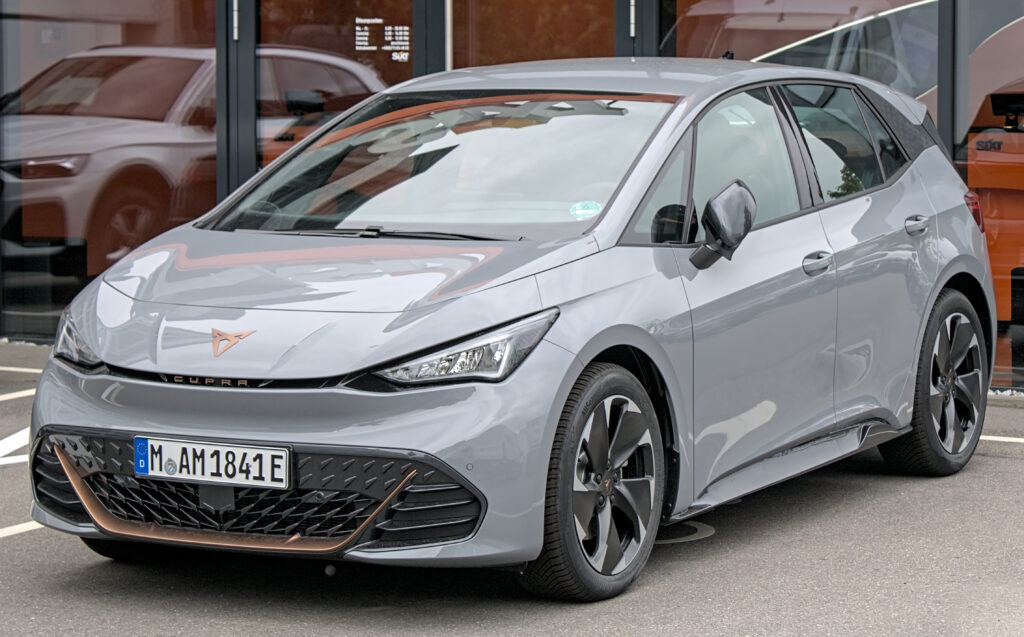
When we talk about electric cars, range gets the headlines—but charging speed? That’s where daily life is won or lost. And if you’re eyeing the Cupra Born, chances are you’re wondering not just how far it goes, but how quickly you can top it up and get moving again. We’ve spent serious time digging into the Cupra Born charging speed, cutting through the spec-sheet fluff to explain what actually matters when the plug meets the port.
This isn’t just about numbers. It’s about real-world charging habits, motorway coffee stops, home wallboxes, winter slowdowns, and whether the Born fits seamlessly into your routine—or nags you like a phone that never quite hits 100%.
Let’s break it all down, calmly, clearly, and honestly.
Content in this publication
- Understanding Cupra Born Charging Speed at a Glance
- Cupra Born Battery Options and Why They Matter
- AC Charging Speed: Home and Public Slow Chargers
- DC Fast Charging: Where the Cupra Born Shines
- Cupra Born 10–80% Charging Times (Real Focus Zone)
- Charging Curve: The Real Story Behind the Numbers
- Charging Speed vs Temperature: Cold Weather Reality
- Home Charging vs Rapid Charging: Which Should You Use Most?
- Charging Costs and Speed: The Hidden Relationship
- Cupra Born Charging Port and Compatibility
- Software Updates and Charging Speed Improvements
- How the Cupra Born Charging Speed Compares to Rivals
- Is Charging Speed Enough for Long-Distance Driving?
- Who Benefits Most From the Cupra Born’s Charging Speed?
- Future-Proofing: Will the Born Feel Slow in 5 Years?
- Final Thoughts: Is the Cupra Born Charging Speed Good Enough?
- FAQs
Understanding Cupra Born Charging Speed at a Glance
Before we go deep, let’s set the foundation. Charging speed depends on three core elements working together:
- The car’s onboard charging capability
- The battery size and chemistry
- The charger itself (AC vs DC)
The Cupra Born ticks many of the right boxes, but the details vary depending on which version you choose.
Cupra Born Battery Options and Why They Matter
Cupra doesn’t believe in one-size-fits-all batteries—and charging speed is directly tied to this decision.
Available Cupra Born Battery Sizes
- 45 kWh (net ~42 kWh usable)
- 58 kWh (net ~54 kWh usable)
- 77 kWh (net ~77 kWh usable)
Each battery changes not only range, but also how fast energy flows into the pack.
Smaller batteries often charge faster percentage-wise, while larger packs may pull more power but take longer overall. Think of it like filling glasses versus jugs—the tap speed might be higher for the jug, but it still takes longer to fill.
AC Charging Speed: Home and Public Slow Chargers
Let’s start where most charging actually happens—at home or on slower public AC chargers.
Cupra Born AC Charging Capability
All Cupra Born models come with:
- 11 kW three-phase AC charging (standard)
This is excellent news, especially in Europe, where three-phase home and workplace chargers are common.
Typical AC Charging Times (0–100%)
Approximate figures:
- 45 kWh battery: ~4.5 hours at 11 kW
- 58 kWh battery: ~6 hours at 11 kW
- 77 kWh battery: ~7.5 hours at 11 kW
In reality, most drivers charge overnight or top up between 20–80%, making these times even more manageable.
Is AC Charging Fast Enough for Daily Use?
For daily commuting, errands, and urban driving—absolutely. Plug it in at night, wake up full. It’s like brushing your teeth; boring, habitual, and essential.
DC Fast Charging: Where the Cupra Born Shines
Now we get to the exciting bit. Rapid charging is what turns EVs from “interesting” into “effortless.”
You may be interested in reading Cupra Born Battery Size: Everything You Really Need to Know
Maximum DC Charging Speeds by Battery
- 45 kWh: up to 100 kW
- 58 kWh: up to 120 kW
- 77 kWh: up to 170 kW
These are competitive figures in the compact electric hatchback segment—and noticeably quicker than many rivals.
Cupra Born 10–80% Charging Times (Real Focus Zone)
Manufacturers love quoting 0–100%, but real drivers live between 10 and 80%. Here’s what that looks like:
- 45 kWh: ~28 minutes
- 58 kWh: ~35 minutes
- 77 kWh: ~30–35 minutes
Yes, the biggest battery can be nearly as quick as the smaller ones thanks to its higher peak charging rate.
Why 10–80% Is the Sweet Spot
Beyond 80%, charging slows dramatically to protect battery health. It’s like pouring honey instead of water—possible, but painfully slow.
Charging Curve: The Real Story Behind the Numbers
Peak kW figures grab attention, but charging curves decide your experience.
How the Cupra Born Manages Power
- Rapid ramp-up to peak speed
- Stable mid-range plateau
- Gradual taper after ~70–80%
This smooth curve is one of the Born’s strengths, keeping sessions predictable and efficient.
Is the Charging Curve Better Than the ID.3?
In practice, yes—especially in later software updates. Cupra’s tuning feels slightly more aggressive, aligning with the brand’s sporty ethos.
Charging Speed vs Temperature: Cold Weather Reality
Let’s address the elephant in the winter car park.
Does Cold Weather Affect Charging Speed?
Yes. All EVs suffer in the cold, and the Cupra Born is no exception.
- Slower initial charging
- Reduced peak power
- Longer sessions in freezing conditions
Does the Cupra Born Have Battery Preconditioning?
Later models with updated software and navigation-linked charging can precondition the battery when navigating to a fast charger—hugely improving winter charging speed.
Home Charging vs Rapid Charging: Which Should You Use Most?
Charging strategy matters just as much as speed.
Best Practice Charging Mix
We recommend:
- 80–90% AC charging at home
- 10–20% DC fast charging for trips
This balance preserves battery health and keeps running costs down.
Faster charging often costs more.
Typical Charging Cost Breakdown
- Home AC: Cheapest, slowest
- Public AC: Moderate cost, flexible
- DC Rapid: Fastest, most expensive
The Cupra Born’s efficiency helps offset rapid charging costs—but it’s still something to factor in.
You may be interested in readingCupra Born Battery Size: Everything You Really Need to KnowYou may be interested in reading
 Cupra Born Charger Type Explained: What You Really Plug Into
Cupra Born Charging Port and Compatibility
No drama here.
Charging Connector Types
- Type 2 for AC
- CCS for DC fast charging
This ensures compatibility with virtually every public charger across Europe and the UK.
Software Updates and Charging Speed Improvements
One quiet advantage of the Born is how software has improved charging behavior over time.
What Updates Have Improved
- More stable charging curves
- Better thermal management
- Faster charger communication
It’s proof that charging speed isn’t just hardware—it’s software intelligence.
How the Cupra Born Charging Speed Compares to Rivals
A quick reality check.
Compared With Similar EVs
- Faster than many entry-level EVs
- Competitive with VW ID.3
- Slower than premium EVs—but far cheaper
In its class, the Born sits comfortably near the top.
Is Charging Speed Enough for Long-Distance Driving?
Short answer: yes.
Long answer: it depends on planning—but with 30-minute stops every 250–300 km, the Born handles road trips confidently.
Who Benefits Most From the Cupra Born’s Charging Speed?
This car suits drivers who:
- Charge at home most days
- Travel medium distances regularly
- Take occasional long trips
- Value predictable charging over headline hype
Future-Proofing: Will the Born Feel Slow in 5 Years?
Charging networks are getting faster—but the Born’s 120–170 kW capability ensures it won’t feel outdated anytime soon. It’s not bleeding-edge, but it’s far from obsolete.
Final Thoughts: Is the Cupra Born Charging Speed Good Enough?
We’ll say it plainly: yes.
The Cupra Born charging speed hits a sweet balance between realism and performance. It’s fast enough to feel modern, gentle enough to protect the battery, and smart enough to improve with time. It won’t shatter records—but it won’t frustrate you either. And in everyday EV life, that balance matters more than bragging rights.
FAQs
How fast can the Cupra Born charge at a rapid charger?
Up to 170 kW on the 77 kWh version, depending on conditions.
Can the Cupra Born charge overnight at home?
Yes, easily, using its 11 kW AC charging capability.
Does charging speed slow down after 80%?
Yes, significantly—this is normal and protects battery health.
You may be interested in readingCupra Born Battery Size: Everything You Really Need to KnowYou may be interested in reading
Cupra Born Charger Type Explained: What You Really Plug IntoYou may be interested in reading
 Cupra Born Towing Capacity: What This Electric Hatchback Can (and Can’t) Pull
Is charging faster in summer than winter?
Generally, yes. Cold temperatures reduce charging speed.
Is the Cupra Born suitable for long road trips?
Absolutely, with realistic planning and fast-charging stops.
If you want to know other articles similar to Cupra Born Charging Speed: How Fast Is It Really? you can visit the category Service and Parts.
How to Reset Volvo XC60 Infotainment System: The Complete Practical Guide
Volvo XC60 Gearbox Oil Change: The Complete Expert Guide
Volvo XC60 Engine Management Light: Causes, Fixes, and What It Really Means
Skoda Kamiq Size Comparison: Dimensions, Space & Real-World Practicality
Volvo XC60 Headlight Adjustment for Europe: The Complete Practical Guide
Volvo XC60 City Safety Service Required: What It Means, Causes, and Fixes
Leave a Reply
More content of your interest