
Dacia Duster Fuel Consumption: Real MPG, Costs & Efficiency Guide

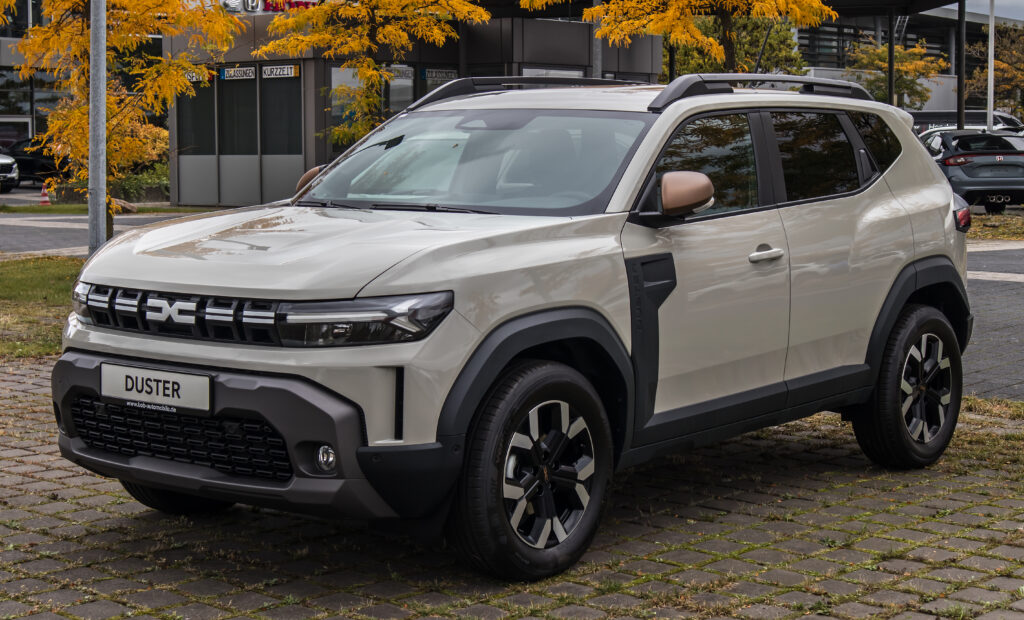
When we talk about affordable SUVs that punch above their weight, the Dacia Duster always enters the conversation. It’s rugged without trying too hard. Practical without being dull. Budget-friendly without feeling cheap.
But here’s the real question most of us quietly care about:
How much fuel does it actually use in the real world?
In this deep dive, we’ll unpack everything about Dacia Duster fuel consumption — petrol, diesel, LPG, and hybrid. We’ll compare generations, engines, driving styles, and real MPG figures. No fluff. Just clear, honest insights.
Content in this publication
- Why Fuel Consumption Matters More Than Ever
- Dacia Duster Fuel Consumption at a Glance
- Understanding Petrol Engine Consumption
- Diesel Efficiency: The 1.5 Blue dCi Advantage
- The LPG Bi-Fuel Option: A Hidden Gem
- Hybrid Duster: The New Efficiency Benchmark
- Fuel Tank Capacity & Range
- First vs Second vs Third Generation Consumption
- Manual vs Automatic: Does It Affect MPG?
- Real-World Driving Factors That Change Consumption
- How to Improve Your Duster’s Fuel Economy
- Fuel Costs Per Year: Real Ownership Perspective
- Duster vs Competitors: Is It Efficient Enough?
- Is the 4x4 Version Less Efficient?
- Urban vs Motorway Consumption
- Towing & Load Impact on Fuel Use
- Maintenance & Its Role in Fuel Efficiency
- Long-Term Reliability & Consumption Stability
- Electric Future: What’s Next for Duster Efficiency?
- Final Thoughts: Is the Dacia Duster Fuel Efficient?
- FAQs About Dacia Duster Fuel Consumption
Why Fuel Consumption Matters More Than Ever
Fuel prices fluctuate like a moody stock market. One month you’re relaxed, the next you’re calculating every mile.
For SUV buyers especially, efficiency matters because:
- SUVs are heavier than hatchbacks
- Higher ride height can increase drag
- Bigger engines often mean bigger thirst
The Duster promises SUV presence with supermini running costs. So, does it deliver?
Dacia Duster Fuel Consumption at a Glance
Let’s break down average official WLTP figures across common engines:
| Engine Type | MPG (Combined) | L/100km | CO₂ (g/km) |
|---|---|---|---|
| 1.0 TCe Petrol | 44–47 mpg | 6.0–6.5 | ~135 |
| 1.3 TCe Petrol | 42–46 mpg | 6.1–6.7 | ~140 |
| 1.5 Blue dCi Diesel | 55–60 mpg | 4.7–5.1 | ~120 |
| Bi-Fuel LPG | 39–42 mpg (petrol equivalent) | 7.5–8.0 | ~125 |
| Hybrid 140 (New Gen) | 55–60 mpg | ~4.7 | ~110 |
But official numbers are one thing. Real-world fuel economy? That’s where the story gets interesting.
Understanding Petrol Engine Consumption
1.0 TCe 90 – The Budget-Friendly Option
This 3-cylinder turbo petrol is light and surprisingly efficient.
In real-world driving, expect:
- City: 38–42 mpg
- Motorway: 45–50 mpg
- Mixed driving: Around 43 mpg
It’s ideal for urban drivers. Short commutes. School runs. Light weekend trips.
Push it hard uphill? You’ll notice consumption climb quickly.
1.3 TCe 130/150 – More Power, Slightly More Thirst
This engine feels stronger and smoother. But physics still applies.
Real-world averages:
- City: 35–40 mpg
- Motorway: 43–47 mpg
- Mixed: 40–44 mpg
If you like brisk acceleration, your MPG will drop faster than a stone in water.
Diesel Efficiency: The 1.5 Blue dCi Advantage
If fuel economy is your obsession, the diesel is king.
Real MPG Performance
- City: 50–55 mpg
- Motorway: 60–65 mpg
- Mixed: 55–60 mpg
Long-distance drivers love this engine. It barely breaks a sweat at 70 mph.
Diesel still makes sense if you:
- Drive over 12,000 miles per year
- Do regular motorway runs
- Tow occasionally
Short trips only? Diesel might not be ideal due to DPF regeneration cycles.
Dacia offers factory LPG — something most rivals don’t.
Here’s how it works:
- Two tanks: petrol + LPG
- Switchable fuel mode
- Lower running costs per mile
Fuel consumption in litres is higher, but LPG is cheaper per litre.
In real cost terms, it can be 30–40% cheaper per mile than petrol.
You may be interested in reading Dacia Duster MPG: Real-World Fuel Economy, Engines & Efficiency Explained
For budget-conscious drivers, that’s powerful.
Hybrid Duster: The New Efficiency Benchmark
The newest generation introduces hybrid technology inspired by Renault systems.
Hybrid 140 Real-World MPG
- Urban driving: 60–65 mpg
- Mixed driving: 55–60 mpg
- Motorway: 50–55 mpg
It shines in stop-start city traffic thanks to electric assist.
This finally makes the Duster competitive with hybrid rivals in the compact SUV class.
Fuel Tank Capacity & Range
Fuel consumption means little without understanding range.
| Engine | Tank Size | Estimated Range |
|---|---|---|
| Petrol | 50 litres | 450–550 miles |
| Diesel | 50 litres | 600–700 miles |
| LPG | 50L petrol + 42L LPG | 700+ miles |
| Hybrid | ~50 litres | 650+ miles |
The diesel and hybrid clearly dominate long-range driving.
First vs Second vs Third Generation Consumption
First Generation (2010–2017)
Older engines were less efficient:
- Diesel: 48–55 mpg
- Petrol: 35–42 mpg
Second Generation (2018–2023)
Improved aerodynamics and lighter construction:
- Diesel: Up to 60 mpg
- Petrol: Mid 40s
Third Generation (2024–Present)
New CMF-B platform:
- Better efficiency
- Hybrid technology
- Lower emissions
Each generation improved economy without losing practicality.
Manual vs Automatic: Does It Affect MPG?
Yes. Slightly.
- Manual gearboxes typically deliver 2–3 mpg better
- Automatics offer smoother city efficiency
- Hybrids with e-CVT maximize fuel savings
Driving style matters more than transmission choice.
Real-World Driving Factors That Change Consumption
Let’s be honest — MPG is never static.
Key Influencers
- Heavy right foot
- Underinflated tyres
- Roof racks
- Short journeys
- Cold weather
- Heavy cargo
Even terrain matters. Hilly areas reduce efficiency quickly.
How to Improve Your Duster’s Fuel Economy
Simple habits can boost MPG significantly.
Practical Tips
- Keep tyres properly inflated
- Use cruise control on motorways
- Avoid aggressive acceleration
- Remove unnecessary roof accessories
- Service regularly
- Use eco mode when available
Drive smoothly — imagine there’s a cup of coffee on your dashboard you don’t want to spill.
Fuel Costs Per Year: Real Ownership Perspective
Let’s estimate annual fuel costs (12,000 miles/year, UK average fuel prices):
- Petrol: Moderate cost
- Diesel: Slightly cheaper long-term
- LPG: Lowest cost per mile
- Hybrid: Excellent city savings
Over five years, hybrid and diesel often win.
Duster vs Competitors: Is It Efficient Enough?
Compared to rivals like the Nissan Qashqai or Ford Puma:
- Diesel Duster matches or beats many
- Hybrid Duster is competitive
- Petrol versions are average
But here’s the twist: the Duster costs less upfront. So total ownership often balances out.
Is the 4x4 Version Less Efficient?
Yes.
All-wheel-drive models use more fuel due to:
- Extra drivetrain weight
- Mechanical resistance
Expect 3–5 mpg less than 4x2 versions.
Worth it if you truly need traction. Otherwise? Probably not.
You may be interested in readingDacia Duster MPG: Real-World Fuel Economy, Engines & Efficiency ExplainedYou may be interested in reading
 Toyota Corolla Cross 0 to 60: Real-World Acceleration Explained
Urban vs Motorway Consumption
The Duster behaves differently depending on where you drive.
- Diesel loves motorway miles
- Hybrid dominates city driving
- Petrol sits comfortably in between
Choosing the right engine for your lifestyle is key.
Towing & Load Impact on Fuel Use
Tow a caravan or trailer?
Fuel economy can drop by:
- 15–25% under heavy load
Diesel engines handle towing more efficiently than petrol.
Maintenance & Its Role in Fuel Efficiency
Neglect maintenance, and your MPG suffers.
Critical areas include:
- Air filter
- Fuel injectors
- Engine oil quality
- Wheel alignment
A poorly maintained engine burns more fuel. Simple.
Long-Term Reliability & Consumption Stability
Older high-mileage Dusters may lose slight efficiency due to:
- Injector wear
- Turbo wear
- Carbon buildup
But overall, the Duster’s engines are known for maintaining stable fuel economy over time.
Electric Future: What’s Next for Duster Efficiency?
With stricter emissions regulations in Europe, future versions may include:
- Plug-in hybrid variants
- Full electric options
Efficiency will continue improving.
Final Thoughts: Is the Dacia Duster Fuel Efficient?
Let’s cut through the noise.
Yes — especially diesel and hybrid models.
The petrol engines are respectable. The LPG version is cost-effective. The hybrid is impressively modern.
But efficiency isn’t just about MPG. It’s about:
- Purchase price
- Running costs
- Reliability
- Real-world usage
And when we consider all of that together, the Duster offers a compelling balance.
It’s not flashy. It’s not premium. But it’s practical, honest, and efficient enough to make sense.
Sometimes that’s exactly what we need.
FAQs About Dacia Duster Fuel Consumption
1. What is the real MPG of a Dacia Duster diesel?
Around 55–60 mpg in mixed driving, often higher on motorway trips.
2. Is the Duster hybrid worth it for fuel savings?
Yes, especially if you drive mostly in city traffic.
3. Does the 4x4 Duster use much more fuel?
Expect around 3–5 mpg lower compared to 4x2 versions.
4. Is LPG cheaper than petrol in the Duster?
Yes, significantly cheaper per mile despite higher litre consumption.
5. Which Duster engine is most economical overall?
For high mileage: diesel. For city driving: hybrid.
You may be interested in readingDacia Duster MPG: Real-World Fuel Economy, Engines & Efficiency ExplainedYou may be interested in reading
Toyota Corolla Cross 0 to 60: Real-World Acceleration ExplainedYou may be interested in reading
 Kia EV6 Top Speed: How Fast Can This Electric Crossover Really Go?
If you want to know other articles similar to Dacia Duster Fuel Consumption: Real MPG, Costs & Efficiency Guide you can visit the category Driving.
Volvo XC60 Wading Depth: How Deep Can It Really Go?

Volkswagen Tiguan Driving Modes: The Complete Guide to Smarter, Smoother, and More Dynamic Driving
Volvo XC60 Fuel Consumption: Real MPG, Efficiency & Tips
Volvo XC60 MPG: Real-World Fuel Economy, Costs & What to Expect
Audi Q5 MPG: Real-World Fuel Economy, Tips, and Performance Insights
Can BMW X3 Go Off Road? The Real Truth About Its Capabilities
Leave a Reply
More content of your interest