
Dacia Duster Interior Dimensions: Space, Comfort, and Real-World Practicality

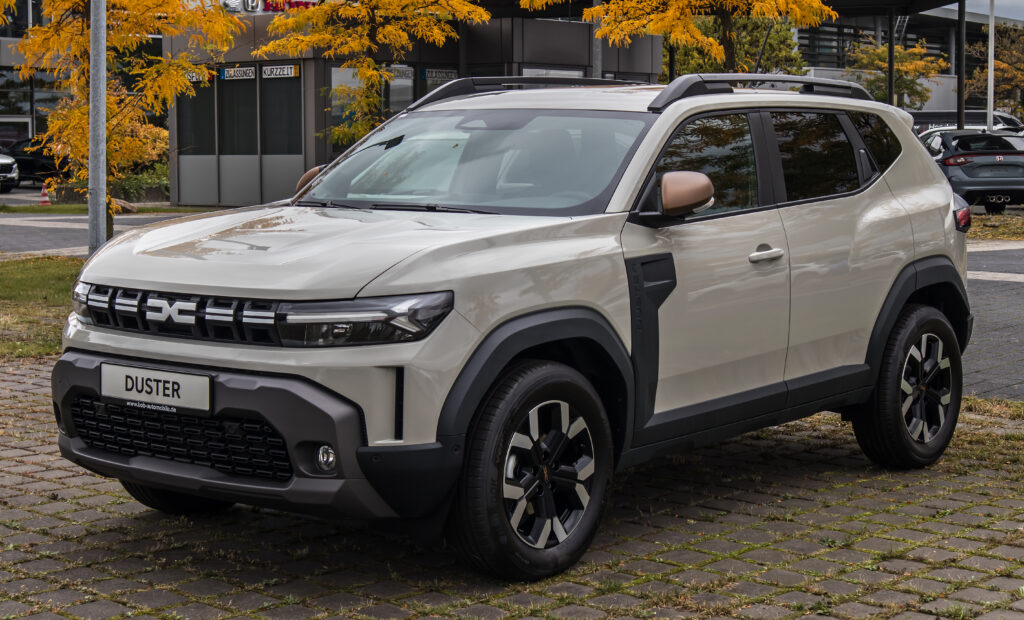
We’ve all been there — standing beside an SUV in a showroom, opening the door, sitting inside… and immediately wondering: Will this actually work in daily life? Not just in theory. Not in a brochure. But with backpacks, groceries, long road trips, friends, kids, muddy boots, and that random flat-pack furniture box you swore would fit.
That’s exactly why interior dimensions matter more than horsepower figures or touchscreen size.
The Dacia Duster built its reputation on value and toughness, but what really decides ownership happiness is cabin usability. Today we’re diving deep — properly deep — into Dacia Duster interior dimensions, breaking down space measurements, passenger comfort, boot capacity, clever storage, and how it feels to live with.
Let’s climb inside.
Content in this publication
- Why Interior Dimensions Matter More Than You Think
- Overall Cabin Layout Philosophy
- Front Row Space Measurements
- Driver Position & Seating Ergonomics
- Rear Passenger Space Dimensions
- Middle Seat Usability
- Boot Capacity & Cargo Dimensions
- Cargo Floor Length
- Cabin Storage Spaces
- Dashboard Depth and Knee Clearance
- Child Seat Compatibility
- Interior Width vs Exterior Size
- Comfort on Long Journeys
- Off-Road Influence on Interior Design
- Comparing Cabin Feel to Rivals
- Practical Daily Use Scenarios
- Interior Materials and Perceived Space
- Visibility and Glass Area Dimensions
- Noise and Space Perception
- Who Benefits Most From The Interior Dimensions
- What Makes The Duster’s Interior Clever
- Closing Thoughts: The Hidden Strength of the Duster
- FAQs
Why Interior Dimensions Matter More Than You Think
Numbers on paper rarely tell the full story — yet they absolutely shape the experience.
Interior space affects:
- Long-distance fatigue
- Child seat practicality
- Visibility and confidence
- Storage convenience
- Everyday comfort
- Passenger satisfaction
- Real cargo usability
Two SUVs can be the same size outside yet completely different inside. The Duster sits in a compact SUV category, but its interior packaging plays in a larger league — and that’s not accidental.
Overall Cabin Layout Philosophy
Built for Real Use, Not Just Styling
Many modern SUVs sacrifice usability for design. Thick door panels, sloping roofs, dramatic dashboards — they look great in ads but shrink daily practicality.
The Duster takes the opposite approach:
- Upright roofline
- Tall glasshouse
- Flat seat bases
- Square boot opening
- Practical dashboard depth
This creates an effect we immediately notice:
The cabin feels airy, not cramped.
Think of it less like a coupe-SUV and more like a hiking backpack — designed around function first.
Front Row Space Measurements
Headroom
The front seats offer approximately:
- Headroom: ~900–910 mm
That means even tall drivers (around 1.90 m) won’t brush the roof — even with thicker winter jackets or off-road posture adjustments.
Why It Feels Bigger Than The Number
The upright windshield and high seating position prevent the “helmet effect” some crossovers create. Your head isn’t near the roof edge — it’s in open air.
Legroom
- Front legroom: ~1,050–1,070 mm
This is generous for the class. We can stretch out properly, not just position our knees beside the steering column.
Driving Comfort Effect
Long motorway journeys feel relaxed because:
- Knees remain below hip level
- Thigh support stays natural
- Pedal reach is linear
No sideways leg bending — something compact SUVs often force.
Shoulder and Elbow Room
- Front shoulder width: ~1,380 mm
- Front elbow room: ~1,420 mm
Two adults won’t fight for armrest territory. You can place elbows naturally without constantly adjusting posture.
Driver Position & Seating Ergonomics
Seat Height Adjustment Range
The Duster gives an unusually wide vertical adjustment range:
- Low enough for stability
- High enough for commanding visibility
This matters more than raw dimensions — because usable space depends on posture flexibility.
Steering Wheel Reach & Rake
Recent generations include reach and rake adjustment, letting us tailor driving position instead of adapting to the car.
Result:
We sit in the seat — not perched on it.
Rear Passenger Space Dimensions
Now the real test: adults in the back.
Rear Headroom
- Rear headroom: ~880–900 mm
Even taller passengers avoid roof contact thanks to the squared roof profile.
Rear Legroom
- Rear legroom: ~820–860 mm
Here’s where the Duster surprises — knees don’t press into front seats unless the driver is exceptionally tall.
You may be interested in reading Dacia Duster Traction Control Light On — What It Really Means and How We Fix It
Real-World Scenario
A 1.80 m driver + 1.80 m rear passenger = comfortable coexistence.
That’s rare in compact SUVs.
Rear Shoulder Width
- Rear shoulder width: ~1,350 mm
Three adults can fit — not luxury-comfort, but genuinely usable for short trips.
Middle Seat Usability
The Forgotten Passenger
Many cars technically seat five but practically seat four. The Duster sits somewhere in the middle.
Middle passenger conditions:
- Slight transmission tunnel
- Flat cushion compared to rivals
- Upright roof improves comfort
- Narrower backrest
Verdict:
Perfectly fine for urban trips, acceptable for 2-hour drives, not ideal for cross-country holidays.
Boot Capacity & Cargo Dimensions
Now the big question: can it carry life?
Boot Volume
- 2WD: ~445 liters
- 4WD: ~411 liters
Already strong figures for the segment — but raw liters don’t tell usability.
Boot Opening Measurements
- Wide rectangular aperture
- Low loading lip
- Deep floor
- Vertical tailgate design
This matters because awkward shapes waste space.
Seats Folded Capacity
- Up to 1,478 liters
The floor becomes long and flat — perfect for bulky cargo.
What Actually Fits
We tested scenarios owners care about:
- 3 large suitcases ✔
- Bicycle (front wheel removed) ✔
- Camping gear for 4 ✔
- IKEA wardrobe boxes ✔
- Dog crate ✔
Cargo Floor Length
Seats Up
~830–860 mm
Seats Down
~1,600+ mm usable length
This is why the Duster works for weekend adventurers — it behaves closer to a small estate car inside.
Cabin Storage Spaces
Interior dimensions aren't only about passengers — storage matters daily.
Front Storage Areas
- Large glovebox (~8.2 L)
- Deep door pockets (1.5 L bottles)
- Phone shelf ahead of gear lever
- Cup holders (adjustable)
- Center console bin
Rear Storage
- Map pockets
- Door bottle holders
- Optional armrest storage
Dashboard Depth and Knee Clearance
The dashboard sits further forward than many rivals.
Benefits:
- Increased knee space
- Improved passenger comfort
- Easier child seat installation
- Less claustrophobic feel
It’s a subtle dimension — but dramatically affects perception of roominess.
Child Seat Compatibility
ISOFIX Positioning
Two outer rear seats:
- Wide door openings
- Elevated roofline
- Good seat angle
Parents won’t need contortionist skills.
Rear Door Aperture Size
Large rectangular doors = easier installation of bulky seats.
Interior Width vs Exterior Size
The Duster maximizes interior width due to:
- Thin door trims
- Efficient platform design
- Vertical body panels
It feels like a class above — despite compact exterior footprint.
Comfort on Long Journeys
Space isn’t just static — it interacts with time.
After 3+ hours, cramped cars reveal themselves. The Duster remains comfortable because:
You may be interested in readingDacia Duster Traction Control Light On — What It Really Means and How We Fix ItYou may be interested in reading
 Dacia Duster Key Battery Replacement — Complete DIY Guide
- Neutral hip angle
- Upright seating posture
- Low fatigue shoulder position
- Adequate knee clearance
We don’t constantly shift posture — a sign dimensions are well judged.
Off-Road Influence on Interior Design
The Duster’s off-road DNA shapes its cabin space.
Why It Matters
Off-road vehicles need:
- Vertical suspension travel
- High seat position
- Visibility
- Head clearance during jolts
So the interior height is intentionally generous.
Comparing Cabin Feel to Rivals
Without naming names, many compact crossovers prioritize style:
| Feature | Typical Crossover | Duster |
|---|---|---|
| Roofline | Sloped | Upright |
| Window area | Narrow | Large |
| Boot shape | Tapered | Square |
| Rear headroom | Tight | Generous |
| Usability | Moderate | High |
Numbers explain it — but sitting inside confirms it.
Practical Daily Use Scenarios
School Run
Backpacks + child seats + groceries = no stress
Weekend Trip
Four adults + luggage fits without puzzle-packing
DIY Store Visit
Fold seats → small van behavior
Interior Materials and Perceived Space
Hard plastics sometimes get criticism — but here they help:
- Thin panels increase room
- Less bulky shaping
- Easy cleaning
- More durable in real use
It’s a functional interior rather than decorative sculpture.
Visibility and Glass Area Dimensions
Large windows influence spatial comfort.
Benefits:
- Less motion sickness
- Easier parking
- Safer urban driving
- Psychological openness
Interior space isn’t only measured in millimeters — it’s measured in light.
Noise and Space Perception
Interestingly, quieter cabins feel larger. The Duster’s improved insulation in newer models enhances perceived roominess — our brain associates openness with calm acoustics.
Who Benefits Most From The Interior Dimensions
Ideal Owners
- Families
- Dog owners
- Travelers
- Outdoor enthusiasts
- Tall drivers
- Rural drivers
Less Ideal
- Luxury-focused buyers
- Those wanting coupe-style interiors
What Makes The Duster’s Interior Clever
Instead of chasing premium illusions, it optimizes geometry.
Think of it like a well-organized apartment rather than a designer loft — everything fits where you expect.
The Dacia Duster’s interior dimensions reveal its true character.
It’s not pretending to be sporty.
It’s not chasing fashion trends.
It’s quietly engineered for life.
You get space where humans actually need it:
knees, head, elbows, luggage, movement.
And after living with it, that matters more than leather stitching patterns or ambient lighting colors.
Because comfort isn’t about decoration —
it’s about freedom of movement.
FAQs
1. Is the Dacia Duster big enough for a family of four?
Yes — easily. Four adults travel comfortably with luggage for weekend trips.
2. Can tall drivers fit comfortably in the Duster?
Drivers around 1.90 m fit without head or knee issues thanks to high roof and adjustable seat.
3. Does the 4WD version lose boot space?
Yes slightly — about 30–35 liters due to drivetrain components.
You may be interested in readingDacia Duster Traction Control Light On — What It Really Means and How We Fix ItYou may be interested in reading
Dacia Duster Key Battery Replacement — Complete DIY GuideYou may be interested in reading
 Toyota Corolla Cross Boot Space: Real-World Practicality Explained
4. Are rear seats comfortable for long journeys?
Two adults can travel long distances comfortably; three adults best for shorter trips.
5. Can you sleep inside the Duster?
With seats folded, the flat cargo floor is long enough for one adult to sleep diagonally.
If you want to know other articles similar to Dacia Duster Interior Dimensions: Space, Comfort, and Real-World Practicality you can visit the category Service and Parts.
How to Reset Volvo XC60 Infotainment System: The Complete Practical Guide
Volvo XC60 Gearbox Oil Change: The Complete Expert Guide
Volvo XC60 Engine Management Light: Causes, Fixes, and What It Really Means
Skoda Kamiq Size Comparison: Dimensions, Space & Real-World Practicality
Volvo XC60 Headlight Adjustment for Europe: The Complete Practical Guide
Volvo XC60 City Safety Service Required: What It Means, Causes, and Fixes
Leave a Reply
More content of your interest